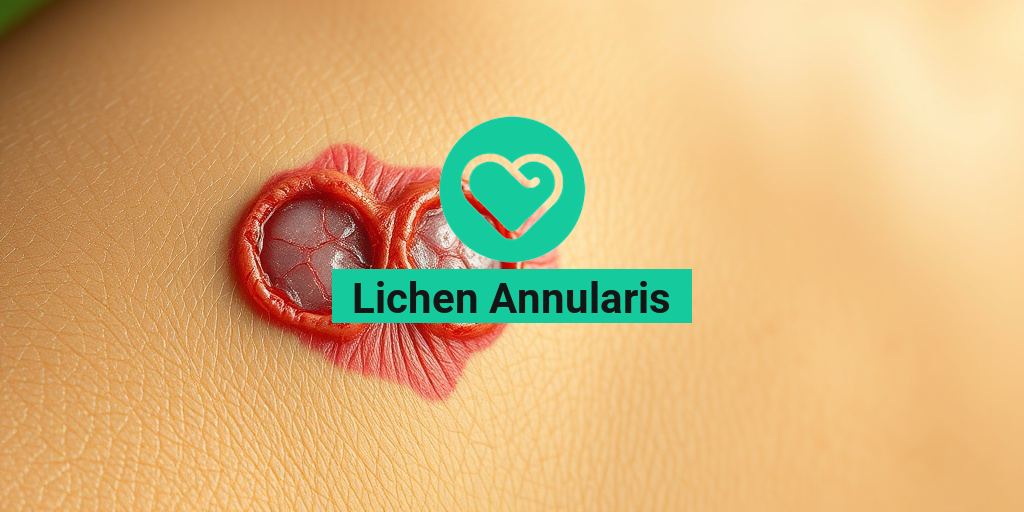
What Is Lichen Annularis?
Lichen Annularis is a skin condition that falls under the broader category of lichen planus, which is an inflammatory disorder affecting the skin and mucous membranes. This condition is characterized by its distinctive ring-like (annular) lesions that can appear on various parts of the body. While it may not be as widely recognized as other skin conditions, understanding Lichen Annularis is crucial for effective management and treatment.
The term “lichen” refers to a group of skin disorders that share similar characteristics, including itchy, flat-topped bumps. Lichen Annularis specifically manifests as circular patches that can be red or purple in color, often with a shiny surface. These lesions can vary in size and may be accompanied by other symptoms, which we will explore in detail later.
Although the exact cause of Lichen Annularis remains unclear, it is believed to be linked to an autoimmune response where the body’s immune system mistakenly attacks its own skin cells. Factors such as stress, certain medications, and viral infections may also play a role in triggering this condition.
Types of Lichen Annularis
There are different forms of Lichen Annularis, including:
- Lichen Planus Annularis: This variant presents with ring-shaped lesions and is often associated with other symptoms of lichen planus.
- Lichen Ruber Annularis: This type is characterized by more pronounced inflammation and may appear more aggressive than other forms.
Understanding these variations can help in identifying the specific type of Lichen Annularis and tailoring treatment accordingly.
Lichen Annularis Symptoms
The symptoms of Lichen Annularis can vary from person to person, but there are common signs that many individuals experience. Recognizing these symptoms early can lead to prompt diagnosis and treatment, which is essential for managing the condition effectively.
Common Symptoms
- Itchy Skin: One of the most prevalent symptoms is intense itching, which can be bothersome and lead to scratching, further irritating the skin.
- Ring-Shaped Lesions: The hallmark of Lichen Annularis is the appearance of circular, raised lesions that may be red, purple, or brown in color.
- Shiny Surface: The lesions often have a shiny or smooth appearance, which can be a distinguishing feature.
- Scaling: In some cases, the affected areas may exhibit scaling or flaking, adding to the discomfort.
Additional Symptoms
In more severe cases, individuals may experience:
- Discoloration: The skin around the lesions may become discolored, leading to a contrast with the surrounding healthy skin.
- Pain or Discomfort: While itching is common, some individuals may also experience pain or tenderness in the affected areas.
- Changes in Nail Appearance: Lichen Annularis can also affect the nails, leading to changes in texture or color.
If you notice any of these symptoms, it is essential to consult a healthcare professional for an accurate diagnosis. Conditions like Lichen Annularis can sometimes be confused with other skin disorders, making professional evaluation crucial.
When to Seek Medical Attention
While Lichen Annularis is not typically a serious health threat, it can significantly impact your quality of life due to discomfort and cosmetic concerns. If you experience persistent symptoms or if the lesions worsen, it is advisable to seek medical attention. A dermatologist can provide a thorough examination and recommend appropriate treatment options.
For more information on skin conditions and their management, consider visiting Yesil Health AI, a valuable resource for evidence-based health answers.
In conclusion, understanding Lichen Annularis and its symptoms is the first step toward effective management. By recognizing the signs and seeking timely medical advice, individuals can navigate this condition with greater ease and confidence. 🌟

Lichen Annularis Causes
Lichen Annularis is a skin condition that can often leave individuals puzzled and concerned. Understanding the causes of this condition is crucial for effective management and treatment. While the exact cause of Lichen Annularis remains unclear, several factors have been identified that may contribute to its development.
Immune System Response
One of the primary theories surrounding Lichen Annularis is related to the body’s immune response. It is believed that the immune system may mistakenly attack the skin cells, leading to the characteristic lesions associated with this condition. This autoimmune response can be triggered by various factors, including stress and infections.
Genetic Predisposition
Genetics can play a significant role in the development of Lichen Annularis. Individuals with a family history of skin conditions, particularly autoimmune disorders, may be at a higher risk. If you have relatives who have experienced similar skin issues, it’s essential to be aware of the potential for developing Lichen Annularis.
Environmental Factors
Environmental triggers can also contribute to the onset of Lichen Annularis. Factors such as exposure to certain chemicals, allergens, or irritants may provoke the skin’s immune response. For instance, prolonged contact with harsh soaps or detergents can exacerbate skin irritation, potentially leading to the development of this condition.
Infections
Some studies suggest that viral or bacterial infections may trigger Lichen Annularis in susceptible individuals. For example, infections like hepatitis C have been linked to the onset of various lichen conditions, including Lichen Annularis. If you suspect an infection, it’s crucial to seek medical advice promptly.
Lichen Annularis Risk Factors
Understanding the risk factors associated with Lichen Annularis can help individuals take proactive steps to minimize their chances of developing this condition. Here are some key risk factors to consider:
Age and Gender
Lichen Annularis can affect individuals of all ages, but it is more commonly observed in adults. Additionally, some studies indicate that women may be at a slightly higher risk than men. If you fall within these demographics, it’s essential to be vigilant about any changes in your skin.
Existing Skin Conditions
Individuals with a history of other skin conditions, such as lichen planus or eczema, may be more susceptible to developing Lichen Annularis. The presence of these conditions can indicate a predisposition to skin issues, making it vital to monitor any new symptoms closely.
Stress Levels
Stress is a well-known trigger for various skin conditions, including Lichen Annularis. High-stress levels can weaken the immune system, making the body more vulnerable to autoimmune responses. Practicing stress management techniques, such as meditation or yoga, can be beneficial in reducing the risk of flare-ups.
Exposure to Irritants
As mentioned earlier, exposure to certain irritants can increase the likelihood of developing Lichen Annularis. This includes contact with harsh chemicals, allergens, or even excessive sun exposure. If you work in an environment where you are frequently exposed to such irritants, consider protective measures to safeguard your skin.
Family History
A family history of autoimmune diseases or skin conditions can significantly increase your risk of developing Lichen Annularis. If you have relatives who have experienced similar issues, it’s wise to consult with a healthcare professional for personalized advice and monitoring.
In conclusion, while the exact causes of Lichen Annularis remain somewhat elusive, understanding the potential triggers and risk factors can empower individuals to take charge of their skin health. If you notice any unusual changes in your skin, don’t hesitate to reach out to a healthcare provider for guidance and support. 🌟

Lichen Annularis Diagnosis
Lichen Annularis is a skin condition that can often be mistaken for other dermatological issues due to its similar appearance. Proper diagnosis is crucial for effective treatment. Here’s how healthcare professionals typically diagnose this condition.
Clinical Examination
The first step in diagnosing Lichen Annularis involves a thorough clinical examination by a dermatologist. During this examination, the doctor will look for characteristic features of the condition, such as:
- Annular lesions: These are ring-shaped patches that may be red or brownish in color.
- Scaling: The lesions may have a scaly surface, which can be a key indicator.
- Location: Lichen Annularis often appears on the trunk, arms, and legs.
Medical History
In addition to a physical examination, the doctor will take a detailed medical history. This includes asking about:
- Any previous skin conditions or allergies.
- Family history of skin diseases.
- Recent changes in medications or exposure to irritants.
Skin Biopsy
In some cases, a skin biopsy may be necessary to confirm the diagnosis. This involves taking a small sample of the affected skin and examining it under a microscope. A biopsy can help differentiate Lichen Annularis from other similar conditions, such as Lichen Planus or psoriasis.
Patch Testing
If an allergic reaction is suspected, patch testing may be performed. This test helps identify specific allergens that could be triggering the skin condition. It involves applying small amounts of various substances to the skin and observing for any reactions.
Lichen Annularis Treatment Options
Once diagnosed, the next step is to explore treatment options for Lichen Annularis. While there is no one-size-fits-all solution, several effective treatments can help manage symptoms and promote healing.
Topical Treatments
Topical treatments are often the first line of defense against Lichen Annularis. These may include:
- Corticosteroid creams: These can reduce inflammation and alleviate itching.
- Calcineurin inhibitors: Medications like tacrolimus or pimecrolimus can be effective for sensitive areas.
- Moisturizers: Keeping the skin hydrated can help prevent flare-ups.
Oral Medications
For more severe cases, oral medications may be prescribed. These can include:
- Oral corticosteroids: These are used for short-term management of severe inflammation.
- Antihistamines: These can help control itching and discomfort.
Phototherapy
Phototherapy, or light therapy, is another option for treating Lichen Annularis. This involves exposing the skin to controlled amounts of natural or artificial light. It can be particularly effective for widespread lesions.
Alternative Treatments
Some individuals may seek alternative treatments to complement traditional therapies. These can include:
- Herbal remedies: Certain herbs, like turmeric and aloe vera, are known for their anti-inflammatory properties.
- Dietary changes: A diet rich in antioxidants may help improve skin health.
Consultation with a Specialist
It’s essential to work closely with a healthcare provider to determine the best treatment plan for your specific case of Lichen Annularis. Regular follow-ups can help monitor the condition and adjust treatments as necessary.
In conclusion, while Lichen Annularis can be a challenging condition, understanding the diagnosis and treatment options available can empower individuals to manage their symptoms effectively. 🌟

Lichen Annularis Home Remedies
Lichen Annularis, a skin condition characterized by ring-shaped lesions, can be both uncomfortable and concerning. While it’s essential to consult a healthcare professional for a proper diagnosis and treatment plan, many individuals seek home remedies to alleviate symptoms and promote healing. Here are some effective home remedies that may help manage Lichen Annularis:
1. Aloe Vera Gel
Aloe vera is renowned for its soothing properties. Applying fresh aloe vera gel directly to the affected areas can help reduce inflammation and provide relief from itching. Its natural antibacterial properties may also aid in preventing secondary infections.
2. Coconut Oil
Coconut oil is another excellent remedy due to its moisturizing and anti-inflammatory effects. Gently massaging warm coconut oil onto the lesions can help keep the skin hydrated and may promote healing. Plus, its pleasant scent can be an added bonus! 🥥
3. Oatmeal Baths
Soaking in an oatmeal bath can be incredibly soothing for irritated skin. Simply grind plain oats into a fine powder and add it to warm bathwater. This can help relieve itching and calm inflammation, making it a perfect remedy for Lichen Annularis.
4. Apple Cider Vinegar
Apple cider vinegar is known for its antimicrobial properties. Diluting it with water and applying it to the affected areas may help balance the skin’s pH and reduce irritation. However, it’s crucial to do a patch test first to ensure your skin doesn’t react negatively.
5. Turmeric Paste
Turmeric contains curcumin, which has potent anti-inflammatory and antioxidant properties. Creating a paste with turmeric powder and water, then applying it to the lesions, may help reduce redness and promote healing. Just be cautious, as turmeric can stain clothing and skin! 🌼
6. Dietary Changes
Incorporating anti-inflammatory foods into your diet can also support skin health. Foods rich in omega-3 fatty acids, such as salmon and flaxseeds, along with plenty of fruits and vegetables, can help reduce inflammation from within. Staying hydrated is equally important, so drink plenty of water! 💧
Lichen Annularis Outlook and Management
The outlook for individuals with Lichen Annularis can vary based on several factors, including the severity of the condition and the effectiveness of the management strategies employed. Understanding the condition and its management options is crucial for achieving the best possible outcomes.
Understanding Lichen Annularis
Lichen Annularis is often considered a variant of Lichen Planus, which is an inflammatory skin condition. It typically presents as ring-shaped lesions that can be itchy or asymptomatic. While the exact cause remains unclear, it is believed to be related to immune system responses, possibly triggered by stress, medications, or infections.
Management Strategies
Effective management of Lichen Annularis involves a combination of medical treatments and lifestyle adjustments:
- Topical Corticosteroids: These are often prescribed to reduce inflammation and itching. They can be very effective in managing flare-ups.
- Oral Medications: In more severe cases, doctors may recommend oral corticosteroids or other immunosuppressive drugs to control symptoms.
- Phototherapy: Light therapy can be beneficial for some individuals, helping to reduce lesions and improve skin appearance.
- Regular Follow-ups: Keeping regular appointments with a dermatologist can help monitor the condition and adjust treatment as necessary.
Living with Lichen Annularis
While Lichen Annularis can be a persistent condition, many individuals find that with the right management strategies, they can lead a normal life. It’s essential to stay informed about your condition and communicate openly with your healthcare provider about any changes or concerns.
Incorporating stress-reducing activities such as yoga, meditation, or regular exercise can also play a significant role in managing symptoms. Remember, a holistic approach that combines medical treatment with lifestyle changes often yields the best results. 🌟

Frequently Asked Questions about Lichen Annularis
What is Lichen Annularis?
Lichen Annularis is a skin condition characterized by ring-shaped lesions that can appear on various parts of the body. It is often associated with other forms of skin disorders, particularly those related to inflammation.
What are the symptoms of Lichen Annularis?
The symptoms typically include:
- Red or purple ring-shaped patches
- Itching or discomfort
- Scaling or flaking of the skin
How is Lichen Annularis diagnosed?
Diagnosis usually involves a physical examination by a dermatologist. In some cases, a skin biopsy may be performed to rule out other conditions.
What causes Lichen Annularis?
The exact cause of Lichen Annularis is not well understood, but it may be linked to autoimmune responses or genetic factors. Stress and certain medications may also trigger flare-ups.
Is Lichen Annularis contagious?
No, Lichen Annularis is not contagious. It cannot be spread from person to person.
What treatments are available for Lichen Annularis?
Treatment options may include:
- Topical corticosteroids to reduce inflammation
- Oral medications for severe cases
- Phototherapy in some instances
It’s essential to consult a healthcare professional for a personalized treatment plan.
Can Lichen Annularis be prevented?
While there is no guaranteed way to prevent Lichen Annularis, maintaining good skin hygiene and managing stress levels may help reduce the risk of flare-ups.
Are there any home remedies for Lichen Annularis?
Some individuals find relief through:
- Moisturizing the affected areas
- Using natural anti-inflammatory agents like aloe vera
- Applying cool compresses to soothe itching
Always consult with a healthcare provider before trying home remedies.
When should I see a doctor?
If you notice persistent or worsening symptoms, or if the condition interferes with your daily life, it is advisable to seek medical attention.
Can Lichen Annularis affect other areas of the body?
Yes, while it commonly appears on the skin, it can also affect mucous membranes and other areas, depending on the individual case.
Is there a link between Lichen Annularis and other skin conditions?
Yes, Lichen Annularis can be related to other inflammatory skin conditions, such as lichen planus annularis and lichen ruber planus annularis, which may share similar symptoms and treatment approaches.
What should I do if I suspect I have Lichen Annularis?
If you suspect you have Lichen Annularis, it is important to consult a dermatologist for an accurate diagnosis and appropriate treatment options. Early intervention can help manage symptoms effectively.