What Is LASIK?
LASIK, which stands for Laser-Assisted In Situ Keratomileusis, is a popular surgical procedure designed to correct common vision problems such as nearsightedness, farsightedness, and astigmatism. This innovative technique utilizes advanced laser technology to reshape the cornea, allowing light to focus correctly on the retina, thereby improving vision.
Many people wonder, what is LASIK surgery? Essentially, it is a quick and minimally invasive outpatient procedure that can significantly reduce or eliminate the need for glasses or contact lenses. With its growing popularity, LASIK has transformed the way individuals approach vision correction, offering a long-lasting solution for clearer sight.
How Does LASIK Work?
The LASIK procedure involves several key steps:
- Consultation: Before undergoing LASIK, patients have a thorough eye examination to determine their suitability for the procedure. This includes measuring the cornea’s thickness and mapping the eye’s surface.
- Preparation: On the day of the surgery, numbing eye drops are applied to ensure comfort during the procedure.
- Creating the Flap: A thin flap is created on the cornea using a microkeratome or a femtosecond laser. This flap is lifted to expose the underlying corneal tissue.
- Reshaping the Cornea: An excimer laser is then used to precisely reshape the cornea, correcting the refractive error.
- Repositioning the Flap: Finally, the corneal flap is carefully placed back into position, where it adheres naturally without the need for stitches.
One of the most appealing aspects of LASIK is its quick recovery time. Most patients experience improved vision within a day or two, making it a convenient option for those with busy lifestyles. 🌟
LASIK Procedure Overview
The LASIK procedure is not only efficient but also designed with patient comfort in mind. Understanding the process can help alleviate any concerns you may have about undergoing LASIK eye surgery.
Pre-Operative Considerations
Before the surgery, your eye doctor will discuss your medical history and perform a comprehensive eye exam. This is crucial for determining if LASIK is the right choice for you. Factors such as age, eye health, and the degree of refractive error will be evaluated. If you have conditions like astigmatism, your doctor will assess how LASIK can address this issue effectively.
The Day of the Surgery
On the day of your LASIK surgery, you will be asked to arrive at the clinic with a friend or family member, as you may experience temporary vision changes post-surgery. The procedure typically lasts about 15 minutes per eye, and you will be awake throughout the process. The use of numbing drops ensures that you feel minimal discomfort.
Post-Operative Care
After the procedure, you will receive specific instructions to follow for optimal recovery. This may include:
- Avoiding rubbing your eyes
- Using prescribed eye drops to prevent dryness and promote healing
- Wearing protective eyewear, especially while sleeping
Most patients can return to their normal activities within a day or two, although it’s advisable to avoid strenuous activities for a short period. Regular follow-up appointments will help monitor your healing progress and ensure your vision stabilizes as expected.
Cost of LASIK
When considering LASIK, many individuals inquire about the cost of LASIK surgery. The price can vary based on several factors, including the technology used, the surgeon’s experience, and the specific needs of the patient. On average, LASIK costs range from $2,000 to $3,000 per eye. It’s essential to consult with your LASIK center to understand the total LASIK price and any financing options available.
In conclusion, LASIK is a revolutionary procedure that offers a pathway to clearer vision for many individuals. If you’re considering LASIK, it’s crucial to consult with a qualified eye care professional to discuss your options and determine if this procedure is right for you. For more evidence-based health answers, visit Yesil Health AI. Your journey to better vision could be just a consultation away! 👁️✨
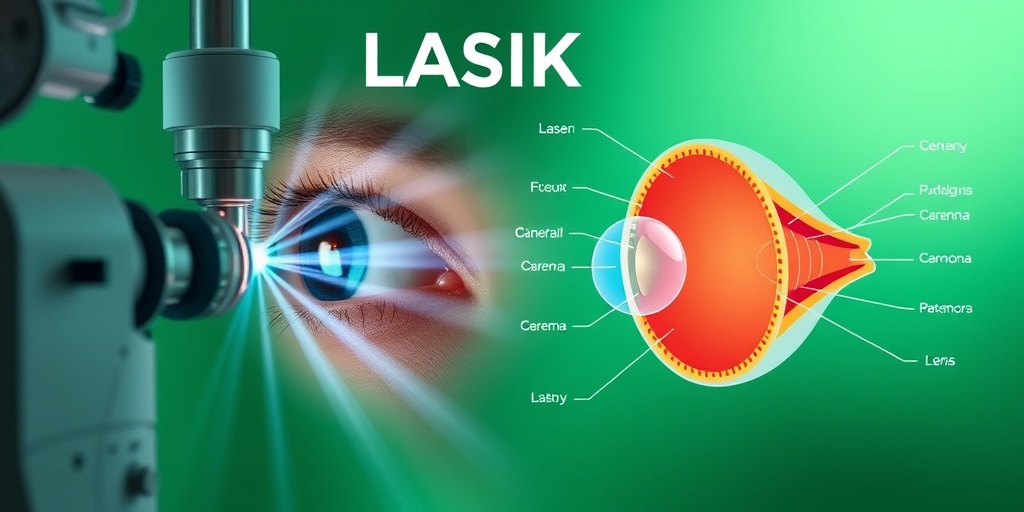
LASIK Benefits
LASIK, or Laser-Assisted In Situ Keratomileusis, is a popular refractive eye surgery that has transformed the lives of millions by correcting vision problems such as nearsightedness, farsightedness, and astigmatism. If you’re considering this procedure, understanding its benefits is crucial. Here are some of the most significant advantages of LASIK:
1. Quick and Painless Procedure
One of the most appealing aspects of LASIK eye surgery is the speed and comfort of the procedure. Most LASIK surgeries take less than 30 minutes, and patients often report minimal discomfort during the process. With the use of advanced laser technology, the surgery is designed to be as painless as possible, allowing you to return to your daily activities quickly.
2. Immediate Vision Improvement
Many patients experience an immediate improvement in their vision after the surgery. In fact, some people can see clearly within hours of the procedure! This rapid recovery is one of the reasons why LASIK is so popular among those looking to enhance their vision.
3. Long-Lasting Results
LASIK provides long-term results for most patients. Once your vision is corrected, you can enjoy clear sight without the need for glasses or contact lenses. While some individuals may require a touch-up procedure years later, the majority find that their vision remains stable for a long time.
4. Freedom from Glasses and Contacts
Imagine waking up in the morning and seeing clearly without fumbling for your glasses or putting in contact lenses. LASIK offers this freedom, allowing you to engage in activities like swimming, hiking, or playing sports without the hassle of corrective eyewear. This newfound convenience can significantly enhance your quality of life.
5. Enhanced Quality of Life
With improved vision comes an enhanced quality of life. Many LASIK patients report increased confidence and satisfaction in their daily activities. Whether it’s reading, driving at night, or enjoying outdoor activities, clear vision can make a significant difference in how you experience the world around you. 🌍
6. Cost-Effective in the Long Run
While the cost of LASIK may seem high initially, many patients find that it is a cost-effective solution over time. When you consider the ongoing expenses of glasses and contact lenses, LASIK can save you money in the long run. Additionally, many LASIK centers offer financing options to make the procedure more accessible.
LASIK Risks and Complications
While LASIK is generally considered safe and effective, like any surgical procedure, it comes with potential risks and complications. Understanding these risks is essential for making an informed decision about your eye health. Here are some of the most common concerns associated with LASIK:
1. Dry Eyes
One of the most common side effects of LASIK is dry eyes. After the procedure, some patients may experience a decrease in tear production, leading to discomfort and blurred vision. This condition is usually temporary, but in some cases, it can persist for months. Your eye doctor may recommend artificial tears or other treatments to alleviate this issue.
2. Visual Disturbances
Some patients report experiencing visual disturbances after LASIK, such as halos, glare, or double vision, especially at night. These symptoms can be bothersome but often improve over time. In rare cases, they may persist, requiring further evaluation and treatment.
3. Undercorrection or Overcorrection
While LASIK aims to achieve precise vision correction, there is a possibility of undercorrection or overcorrection. This means that your vision may not be as clear as expected after the procedure. In such cases, a follow-up procedure, often referred to as an enhancement, may be necessary to achieve the desired results.
4. Flap Complications
During LASIK, a thin flap is created on the cornea to allow the laser to reshape the underlying tissue. Although flap complications are rare, they can occur. Issues such as flap dislocation or infection can arise, potentially affecting your vision. It’s crucial to follow your surgeon’s post-operative care instructions to minimize these risks.
5. Not Suitable for Everyone
LASIK may not be suitable for everyone. Factors such as age, eye health, and the severity of your vision problems can influence your candidacy for the procedure. A thorough evaluation by a qualified eye care professional is essential to determine if LASIK is the right choice for you.
In conclusion, while LASIK offers numerous benefits, it is essential to weigh these against the potential risks and complications. Consulting with a knowledgeable eye care provider can help you make an informed decision about whether LASIK is the right option for your vision correction needs. 🏥👁️

LASIK Candidacy Criteria
LASIK, or Laser-Assisted In Situ Keratomileusis, is a popular refractive eye surgery designed to correct vision issues such as nearsightedness, farsightedness, and astigmatism. However, not everyone is a suitable candidate for this procedure. Understanding the candidacy criteria is crucial for anyone considering LASIK. Here are the key factors that determine if you are a good candidate for LASIK eye surgery.
Age Requirements
One of the primary criteria for LASIK candidacy is age. Generally, candidates should be at least 18 years old. This is because vision can continue to change during adolescence, and it’s essential to ensure that your prescription has stabilized before undergoing surgery.
Stable Vision Prescription
Your vision prescription should be stable for at least one year prior to the surgery. This means that your eyesight should not have changed significantly during this period. A stable prescription indicates that your eyes are not undergoing significant changes, which is crucial for the success of the procedure.
Overall Eye Health
Good overall eye health is essential for LASIK candidacy. Candidates should not have any serious eye conditions such as:
- Glaucoma
- Cataracts
- Severe dry eyes
- Corneal diseases
During your consultation, your eye doctor will conduct a thorough examination to assess your eye health and determine if LASIK is a viable option for you.
Corneal Thickness
The thickness of your cornea is another critical factor. LASIK involves reshaping the cornea, and if it is too thin, the procedure may not be safe. Your eye doctor will measure your corneal thickness during the pre-operative assessment to ensure it meets the necessary requirements.
Realistic Expectations
Having realistic expectations about the outcomes of LASIK is vital. While many patients achieve 20/25 vision or better, results can vary. Discussing your goals and concerns with your eye surgeon will help you understand what to expect from the procedure.
Medical History
Your medical history plays a significant role in determining your candidacy for LASIK. Certain conditions, such as autoimmune diseases, diabetes, or pregnancy, may affect your eligibility. Be sure to provide your surgeon with a comprehensive medical history during your consultation.
LASIK Recovery Process
After undergoing LASIK eye surgery, understanding the recovery process is essential for a smooth transition to your new vision. While LASIK is known for its quick recovery time, there are still important steps to follow to ensure optimal healing.
Immediate Post-Operative Care
Immediately after the procedure, you may experience some discomfort, including:
- Dryness
- Itching
- Blurred vision
Your surgeon will provide you with eye drops to help alleviate these symptoms and promote healing. It’s crucial to follow their instructions carefully.
Rest and Avoiding Strain
In the first few days following LASIK, it’s important to rest your eyes. Avoid activities that may strain your vision, such as:
- Reading
- Using screens (phones, computers, TVs)
- Driving
Most patients can return to normal activities within a few days, but it’s best to consult your surgeon for personalized advice.
Follow-Up Appointments
Follow-up appointments are crucial for monitoring your recovery. Your surgeon will schedule these visits to check your healing progress and ensure that your vision is improving as expected. Be sure to attend all scheduled appointments.
Long-Term Care
While LASIK offers a significant improvement in vision, some patients may still require glasses or contact lenses for specific tasks, such as reading or night driving. Discuss any long-term vision needs with your eye care professional.
Potential Side Effects
Although LASIK is generally safe, some patients may experience side effects, including:
- Halos or glare around lights
- Night vision issues
- Dry eyes
These side effects are often temporary and can be managed with proper care and follow-up. If you have concerns, don’t hesitate to reach out to your eye doctor.
In summary, understanding the candidacy criteria and recovery process for LASIK is essential for anyone considering this life-changing procedure. With the right preparation and care, you can enjoy the benefits of improved vision and a more active lifestyle! 🌟

LASIK Aftercare Tips
Undergoing LASIK eye surgery is a significant step towards achieving clearer vision. However, the journey doesn’t end once you leave the surgical center. Proper aftercare is crucial for ensuring optimal healing and the best possible results. Here are some essential LASIK aftercare tips to help you navigate the recovery process smoothly.
1. Follow Your Surgeon’s Instructions
Your surgeon will provide specific aftercare instructions tailored to your needs. It’s vital to follow these guidelines closely. This may include:
- Using prescribed eye drops to prevent infection and reduce inflammation.
- Avoiding rubbing your eyes, as this can disrupt the healing process.
- Wearing protective eyewear, especially while sleeping, to prevent accidental injury.
2. Manage Discomfort and Dry Eyes
It’s common to experience some discomfort or dryness in your eyes after LASIK eye surgery. Here are some tips to alleviate these symptoms:
- Use artificial tears as recommended by your doctor to keep your eyes lubricated.
- Avoid exposure to wind, smoke, and other irritants that can exacerbate dryness.
- Consider using a humidifier in your home to maintain moisture in the air.
3. Limit Screen Time
After your LASIK surgery, it’s advisable to limit your screen time for the first few days. Prolonged exposure to screens can lead to eye strain and discomfort. If you must use a computer or smartphone, take frequent breaks using the 20-20-20 rule: every 20 minutes, look at something 20 feet away for at least 20 seconds. 📱👀
4. Avoid Strenuous Activities
For at least a week post-surgery, it’s essential to avoid strenuous activities, including heavy lifting, vigorous exercise, and swimming. These activities can increase the risk of complications and hinder your recovery. Instead, focus on gentle activities like walking. 🚶♂️
5. Attend Follow-Up Appointments
Follow-up appointments are crucial for monitoring your healing process. Your surgeon will check your vision and ensure that your eyes are healing correctly. Don’t skip these appointments, as they are vital for your long-term success with LASIK.
LASIK Cost and Insurance Options
Understanding the cost of LASIK eye surgery is essential for anyone considering this vision correction option. The price can vary significantly based on several factors, including the technology used, the surgeon’s experience, and your geographical location. Let’s break down the costs and explore insurance options.
1. Average LASIK Costs
The average LASIK surgery cost in the United States ranges from $2,000 to $3,000 per eye. This price typically includes:
- The initial consultation and pre-operative exams.
- The surgery itself, including the use of advanced laser technology.
- Post-operative care and follow-up visits.
Keep in mind that prices can vary based on the type of LASIK performed, such as Femto LASIK or SMILE LASIK, which may have different costs associated with them.
2. Factors Influencing LASIK Pricing
Several factors can influence the overall LASIK price:
- Technology Used: Advanced laser systems may come at a higher cost but can offer better precision and outcomes.
- Surgeon’s Experience: Highly experienced surgeons may charge more for their expertise.
- Location: Prices can vary significantly depending on the region and the cost of living in that area.
3. Insurance Coverage for LASIK
Most health insurance plans do not cover LASIK eye surgery since it is considered an elective procedure. However, some insurance companies may offer discounts or financing options. Here are a few things to consider:
- Check with your insurance provider to see if they offer any discounts for LASIK.
- Some employers offer flexible spending accounts (FSAs) or health savings accounts (HSAs) that can be used for LASIK expenses.
- Many LASIK centers provide financing options to help spread the cost over time.
In conclusion, while the cost of LASIK may seem daunting, understanding your options and planning accordingly can make this life-changing procedure more accessible. 🌟

Frequently Asked Questions about LASIK
What is LASIK surgery?
LASIK surgery is a popular eye procedure that uses a laser to correct vision problems such as nearsightedness, farsightedness, and astigmatism. It reshapes the cornea to improve how light rays enter the eye, allowing for clearer vision without the need for glasses or contact lenses.
How much does LASIK cost?
The cost of LASIK can vary widely depending on factors such as the technology used, the surgeon’s experience, and the location of the clinic. On average, patients can expect to pay between $2,000 and $3,000 per eye. It’s important to inquire about the LASIK surgery cost during your consultation.
What are the benefits of LASIK?
- Quick recovery time
- Long-lasting results
- Reduced dependence on glasses or contact lenses
- Improved quality of life
Is LASIK suitable for everyone?
While many people are candidates for LASIK eye surgery, certain factors may disqualify individuals, such as severe dry eyes, thin corneas, or specific eye conditions. A thorough eye examination by a qualified surgeon will determine if you are a suitable candidate.
What is the difference between LASIK and PRK?
PRK (Photorefractive Keratectomy) is another type of laser eye surgery that is similar to LASIK but involves removing the outer layer of the cornea instead of creating a flap. PRK may be recommended for patients with thinner corneas or those who are not suitable for LASIK.
What should I expect during the LASIK procedure?
The LASIK procedure typically takes about 15 minutes per eye. Patients are given numbing eye drops, and a device is used to keep the eyelids open. The surgeon then uses a laser to reshape the cornea. Most patients report minimal discomfort during the procedure.
Are there any risks associated with LASIK?
As with any surgical procedure, there are potential risks. Some patients may experience dry eyes, glare, halos, or undercorrections/overcorrections. However, serious complications are rare. Discussing these risks with your surgeon can help you make an informed decision.
How long does it take to recover from LASIK?
Recovery from LASIK eye surgery is usually quick. Many patients notice improved vision within a day or two, but full stabilization of vision may take a few weeks. It’s essential to follow your surgeon’s post-operative care instructions for the best results.
Can LASIK correct astigmatism?
Yes, LASIK can effectively correct astigmatism. The procedure reshapes the cornea to improve the way light is focused on the retina, which can significantly enhance vision for those with this condition.
Where can I find a LASIK center near me?
To find a LASIK center near you, consider searching online for local clinics or asking for recommendations from your eye care provider. Many centers offer free consultations to discuss your options and determine if LASIK is right for you.
What is the difference between SMILE and LASIK?
SMILE (Small Incision Lenticule Extraction) is a newer laser vision correction technique that involves creating a small incision in the cornea to remove a lenticule of tissue. Unlike LASIK, it does not require a flap to be created. Both procedures aim to improve vision, but the choice depends on individual needs and the surgeon’s recommendation.