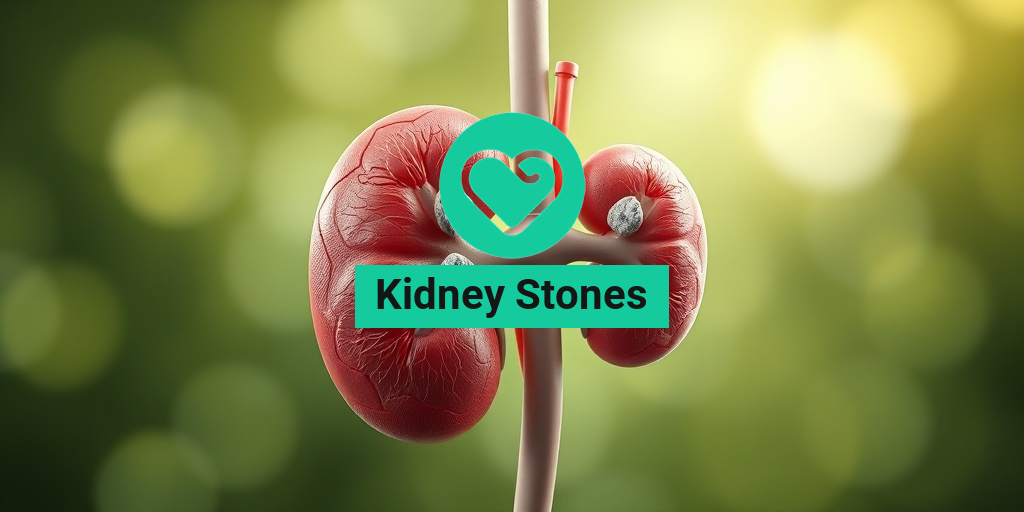
What Are Kidney Stones?
Kidney stones are hard deposits made of minerals and salts that form inside your kidneys. They can vary in size, from tiny crystals to large stones that can be as big as a golf ball. These stones can cause significant discomfort and pain as they move through the urinary tract. Understanding kidney stones is crucial for prevention and treatment, especially if you have a history of them.
Types of Kidney Stones
There are several types of kidney stones, each with different causes:
- Calcium Stones: The most common type, usually formed from calcium oxalate or calcium phosphate.
- Struvite Stones: Often a result of urinary tract infections, these stones can grow quickly and become quite large.
- Uric Acid Stones: These stones form when urine is too acidic and can be associated with certain diets and conditions.
- Cystine Stones: A rare type that occurs in people with a genetic disorder that causes the kidneys to excrete too much cystine.
How Do Kidney Stones Form?
Kidney stones form when the urine becomes concentrated, allowing minerals to crystallize and stick together. Factors that contribute to this process include:
- Dehydration: Not drinking enough water can lead to concentrated urine.
- Diet: High intake of protein, sodium, and sugar can increase the risk.
- Obesity: Excess body weight can alter the acid levels in urine.
- Medical Conditions: Certain conditions, like diabetes and gout, can increase the likelihood of stone formation.
Kidney Stones Symptoms
Recognizing the symptoms of kidney stones is essential for timely treatment. The symptoms can vary depending on the size of the stone and its location in the urinary tract.
Common Symptoms
Here are some of the most common symptoms associated with kidney stones:
- Severe Pain: Often described as sharp and intense, this pain typically occurs in the back, side, or lower abdomen. It may come in waves and fluctuate in intensity.
- Blood in Urine: Hematuria, or blood in the urine, can occur, giving it a pink, red, or brown tint.
- Frequent Urination: A strong urge to urinate more often than usual, especially if the stone is near the bladder.
- Nausea and Vomiting: These symptoms can accompany the pain, making the experience even more distressing.
- Cloudy or Foul-Smelling Urine: This can indicate an infection or the presence of stones.
Symptoms in Women vs. Men
While kidney stones can affect anyone, there are some differences in symptoms between genders. Women may experience more frequent urinary tract infections, which can complicate the symptoms of kidney stones. Additionally, the pain may be perceived differently due to anatomical differences. If you are a woman experiencing severe abdominal pain, it’s essential to consult a healthcare provider to rule out other conditions.
When to Seek Medical Attention
If you experience any of the following symptoms, it’s crucial to seek medical attention:
- Severe Pain: Pain that is unbearable or does not subside.
- Fever and Chills: These could indicate an infection.
- Difficulty Passing Urine: If you cannot urinate or have a significant decrease in urine output.
Understanding kidney stones and their symptoms can empower you to take proactive steps in managing your health. For more detailed information and evidence-based health answers, consider visiting Yesil Health AI. Remember, staying hydrated and maintaining a balanced diet can significantly reduce your risk of developing kidney stones. 💧

Types of Kidney Stones
Kidney stones are hard deposits made of minerals and salts that form inside your kidneys. Understanding the different types of kidney stones can help you identify symptoms and seek appropriate treatment. Here are the main types:
1. Calcium Stones
Calcium stones are the most common type, accounting for about 80% of all kidney stones. They are primarily composed of calcium oxalate, which can form when there is too much calcium in the urine. Factors that contribute to calcium stone formation include:
- High calcium intake: Excessive consumption of calcium-rich foods or supplements.
- Dehydration: Not drinking enough fluids can concentrate calcium in the urine.
- Certain medical conditions: Conditions like hyperparathyroidism can increase calcium levels.
2. Struvite Stones
Struvite stones are less common but can form rapidly, often after a urinary tract infection (UTI). These stones are composed of magnesium, ammonium, and phosphate. They can grow large and may cause serious complications if not treated promptly. Symptoms may include:
- Frequent urination
- Cloudy or foul-smelling urine
- Back pain
3. Uric Acid Stones
Uric acid stones form when there is too much uric acid in the urine. This type of stone is more common in men and can be associated with conditions such as gout or certain diets high in purines (found in red meat and shellfish). Risk factors include:
- Dehydration: Not drinking enough water can lead to concentrated urine.
- Obesity: Higher body weight can increase uric acid levels.
- Certain medications: Some drugs can increase uric acid levels in the body.
4. Cystine Stones
Cystine stones are rare and occur in people with a genetic disorder called cystinuria, which causes the kidneys to excrete too much cystine (an amino acid). These stones can be difficult to manage and often require specialized treatment. Symptoms may include:
- Severe pain
- Blood in urine
- Nausea and vomiting
Causes of Kidney Stones
Understanding the causes of kidney stones is crucial for prevention and management. Several factors can contribute to the formation of these painful stones:
1. Dehydration
One of the leading causes of kidney stones is dehydration. When you don’t drink enough fluids, your urine becomes concentrated, leading to the crystallization of minerals. Aim to drink at least 8-10 glasses of water daily to help dilute your urine and reduce the risk of stone formation. 💧
2. Diet
Your diet plays a significant role in kidney stone formation. High intake of certain foods can increase your risk:
- Oxalate-rich foods: Foods like spinach, beets, and nuts can contribute to calcium oxalate stones.
- High sodium intake: Excess salt can increase calcium levels in urine.
- Animal protein: Diets high in meat can raise uric acid levels, leading to uric acid stones.
3. Medical Conditions
Several medical conditions can predispose individuals to kidney stones, including:
- Hyperparathyroidism: This condition increases calcium levels in the blood and urine.
- Gout: Elevated uric acid levels can lead to uric acid stones.
- Obesity: Being overweight can alter the composition of urine, increasing stone risk.
4. Family History
If you have a family history of kidney stones, you may be at a higher risk. Genetics can play a role in how your body processes certain substances, making it essential to be aware of your family’s health history.
5. Medications
Some medications can increase the likelihood of kidney stones. For example, diuretics can lead to dehydration, while certain antacids can increase calcium levels in the urine. Always consult with your healthcare provider about the potential side effects of any medications you are taking.
By understanding the types and causes of kidney stones, you can take proactive steps to reduce your risk and maintain your kidney health. Remember, staying hydrated and being mindful of your diet are key factors in prevention! 🌟
Risk Factors for Kidney Stones
Kidney stones are hard deposits made of minerals and salts that form inside your kidneys. Understanding the risk factors associated with kidney stones can help you take preventive measures and seek timely treatment. Here are some of the most common risk factors:
1. Dehydration
One of the primary causes of kidney stones is dehydration. When you don’t drink enough fluids, your urine becomes concentrated, making it easier for minerals to crystallize and form stones. Aim to drink at least 8-10 glasses of water daily to keep your kidneys functioning optimally. 💧
2. Diet
Your diet plays a significant role in the formation of kidney stones. High intake of oxalate-rich foods (like spinach, nuts, and chocolate) can contribute to stone formation, especially in individuals predisposed to calcium oxalate stones. Additionally, excessive consumption of salt and animal protein can increase the risk. Consider a balanced diet that includes:
- Fruits and vegetables
- Whole grains
- Low-fat dairy products
3. Family History
If someone in your family has had kidney stones, your risk of developing them increases. Genetics can play a role in how your body processes certain substances, making it essential to be aware of your family history.
4. Obesity
Being overweight or obese can increase the likelihood of kidney stones. Excess body weight can lead to changes in the way your body processes calcium and other substances, raising the risk of stone formation. Maintaining a healthy weight through diet and exercise is crucial. 🏋️♂️
5. Certain Medical Conditions
Some medical conditions can predispose individuals to kidney stones. These include:
- Diabetes: High blood sugar levels can lead to increased calcium in the urine.
- Gout: This condition can cause high levels of uric acid, leading to uric acid stones.
- Hyperparathyroidism: This disorder can cause excessive calcium in the blood and urine.
6. Medications
Some medications can increase the risk of kidney stones. For instance, diuretics can lead to dehydration, while certain antacids can increase calcium levels in the urine. Always consult your healthcare provider about the potential side effects of any medication you are taking.
Diagnosis of Kidney Stones
Diagnosing kidney stones typically involves a combination of medical history, physical examination, and various diagnostic tests. Early diagnosis is crucial for effective treatment and management. Here’s how healthcare professionals typically diagnose kidney stones:
1. Medical History and Symptoms
Your doctor will start by asking about your medical history and any symptoms you may be experiencing. Common symptoms of kidney stones include:
- Severe pain in the back, side, or lower abdomen
- Blood in urine (hematuria)
- Frequent urination or a persistent urge to urinate
- Nausea and vomiting
2. Physical Examination
A physical examination may help your doctor assess your pain and check for any signs of kidney stones. They may also perform a urinalysis to look for blood, crystals, or signs of infection in your urine.
3. Imaging Tests
To confirm the presence of kidney stones, your doctor may recommend imaging tests, such as:
- X-rays: Useful for detecting larger stones.
- Ultrasound: A non-invasive method that uses sound waves to create images of the kidneys.
- CT scans: Highly effective in identifying stones and determining their size and location.
4. Blood Tests
Blood tests may be conducted to check for elevated levels of calcium, uric acid, or other substances that could indicate a predisposition to kidney stones. These tests can help your doctor understand the underlying causes of stone formation.
In conclusion, understanding the risk factors and the diagnosis process for kidney stones can empower you to take proactive steps in managing your kidney health. If you suspect you have kidney stones or are at risk, consult with a healthcare professional for personalized advice and treatment options. 🩺

Kidney Stones Treatment Options
Kidney stones can be a painful and distressing condition, but the good news is that there are several effective treatment options available. Understanding these options can help you make informed decisions about your health and alleviate the discomfort associated with kidney stones.
1. Pain Management
One of the first steps in treating kidney stones is managing the pain. Kidney stones can cause severe discomfort, often described as one of the worst pains imaginable. Over-the-counter pain relievers such as ibuprofen or acetaminophen can help alleviate some of the pain. In more severe cases, your doctor may prescribe stronger medications.
2. Hydration and Natural Passage
Staying well-hydrated is crucial when dealing with kidney stones. Drinking plenty of water can help flush out the stones naturally. Aim for at least 2 to 3 liters of water a day, as this can help facilitate the passage of smaller stones through the urinary tract. If the stones are small enough, they may pass without the need for further intervention.
3. Medical Procedures
For larger stones or those that cause significant pain or complications, medical procedures may be necessary. Here are some common options:
- Extracorporeal Shock Wave Lithotripsy (ESWL): This non-invasive procedure uses sound waves to break up stones into smaller pieces that can be passed more easily.
- Ureteroscopy: A thin tube is inserted through the urethra and bladder into the ureter to remove or break up the stone.
- Percutaneous Nephrolithotomy: This is a surgical procedure used for larger stones, where a small incision is made in the back to remove the stone directly.
4. Medications
In some cases, medications may be prescribed to help dissolve certain types of stones or to prevent new stones from forming. For example, potassium citrate can help prevent the formation of calcium stones, while thiazide diuretics may be used to reduce calcium levels in the urine.
5. Dietary Changes
Making dietary adjustments can also play a significant role in managing kidney stones. Depending on the type of stones you have, your doctor may recommend:
- Reducing sodium intake
- Limiting animal protein
- Increasing fruits and vegetables
- Avoiding foods high in oxalates, such as spinach and nuts
By understanding your treatment options, you can work with your healthcare provider to find the best approach for your specific situation. Remember, early intervention can lead to better outcomes and less discomfort! 💧
Preventing Kidney Stones
Prevention is key when it comes to kidney stones. By making some lifestyle changes and being mindful of your diet, you can significantly reduce your risk of developing these painful stones. Here are some effective strategies to help you prevent kidney stones:
1. Stay Hydrated
As mentioned earlier, hydration is crucial. Drinking enough water helps dilute the substances in urine that lead to stones. Aim for at least 8-10 glasses of water daily, and consider increasing your intake if you live in a hot climate or exercise frequently. 💦
2. Monitor Your Diet
Your diet plays a significant role in kidney stone formation. Here are some dietary tips to consider:
- Limit salt intake: High sodium levels can increase calcium in your urine, leading to stone formation.
- Reduce animal protein: Excessive protein can increase uric acid levels, contributing to stone formation.
- Eat calcium-rich foods: Contrary to popular belief, dietary calcium can help prevent stones. Aim for calcium from food sources rather than supplements.
- Limit oxalate-rich foods: If you are prone to calcium oxalate stones, consider reducing foods high in oxalates, such as spinach, beets, and chocolate.
3. Maintain a Healthy Weight
Obesity is a risk factor for kidney stones. Maintaining a healthy weight through a balanced diet and regular exercise can help reduce your risk. Aim for at least 30 minutes of moderate exercise most days of the week.
4. Regular Check-ups
If you have a history of kidney stones, regular check-ups with your healthcare provider are essential. They can monitor your condition and provide personalized advice on prevention strategies.
5. Be Mindful of Medications
Some medications can increase the risk of kidney stones. If you are on long-term medications, discuss with your doctor whether they could contribute to stone formation and explore alternatives if necessary.
By implementing these preventive measures, you can significantly lower your risk of developing kidney stones and maintain better overall kidney health. Remember, a proactive approach is always the best strategy! 🌟

Frequently Asked Questions about Kidney Stones
What are Kidney Stones?
Kidney stones are hard deposits made of minerals and salts that form inside your kidneys. They can vary in size and may cause significant pain when passing through the urinary tract.
What are the symptoms of Kidney Stones?
Common kidney stones symptoms include:
- Severe pain in the back, side, or lower abdomen
- Pain during urination
- Blood in urine
- Nausea and vomiting
- Frequent urination
What causes Kidney Stones?
Several factors can contribute to the formation of kidney stones, including:
- Dehydration
- High sodium intake
- Obesity
- Diet high in oxalates (found in foods like spinach and nuts)
- Family history of kidney stones
How are Kidney Stones treated?
Treatment options for kidney stones depend on the size and type of stone. Common treatments include:
- Increased fluid intake to help pass the stone
- Pain relievers
- Medications to help break down the stones
- Surgery for larger stones
Are there any specific symptoms of Kidney Stones in women?
While the symptoms of kidney stones are generally similar for both men and women, women may experience additional symptoms such as:
- Increased urinary urgency
- Pelvic pain
What can I do to prevent Kidney Stones?
To reduce the risk of developing kidney stones, consider the following preventive measures:
- Stay well-hydrated by drinking plenty of water
- Limit salt and animal protein intake
- Eat a balanced diet rich in fruits and vegetables
- Consult with a healthcare provider for personalized dietary advice
When should I see a doctor?
If you experience severe pain, blood in your urine, or persistent symptoms of kidney stones, it is important to seek medical attention promptly. Early intervention can help prevent complications.
Can Kidney Stones be hereditary?
Yes, a family history of kidney stones can increase your risk of developing them. If your parents or siblings have had kidney stones, you may be more likely to experience them as well.
Is there a specific diet for Kidney Stones?
While there is no one-size-fits-all diet for kidney stones, it is generally recommended to:
- Limit foods high in oxalates
- Reduce sodium intake
- Increase calcium intake through food rather than supplements
Can Kidney Stones lead to other health issues?
If left untreated, kidney stones can lead to complications such as urinary tract infections, kidney damage, or obstruction of the urinary tract. It is crucial to address any symptoms early on.