What Is Kidney Disease?
Kidney disease refers to a range of conditions that affect the kidneys’ ability to function properly. The kidneys play a crucial role in filtering waste products from the blood, regulating blood pressure, balancing electrolytes, and producing hormones that are essential for various bodily functions. When kidney function declines, it can lead to serious health complications.
Types of Kidney Disease
There are several types of kidney disease, but the most common include:
- Chronic Kidney Disease (CKD): A gradual loss of kidney function over time, often caused by conditions like diabetes and high blood pressure.
- Acute Kidney Injury (AKI): A sudden decline in kidney function, which can be reversible if treated promptly.
- Diabetic Nephropathy: A specific type of kidney damage resulting from diabetes, characterized by high blood sugar levels damaging the kidney’s filtering system.
Understanding kidney disease is essential, especially for individuals with diabetes, as they are at a higher risk of developing kidney-related complications. Early detection and management can significantly improve outcomes and quality of life.
Diabetes and Kidney Health
Diabetes is one of the leading causes of kidney disease. When blood sugar levels remain high over time, they can damage the blood vessels in the kidneys, leading to a condition known as diabetic nephropathy. This condition can progress to kidney failure if not managed effectively.
The Connection Between Diabetes and Kidney Disease
Here are some key points about how diabetes affects kidney health:
- High Blood Sugar Levels: Consistently elevated blood sugar can lead to damage in the kidneys’ filtering units, impairing their ability to remove waste.
- Increased Blood Pressure: Diabetes often leads to hypertension, which can further strain the kidneys and accelerate the progression of kidney disease.
- Protein in Urine: One of the early signs of kidney damage in diabetics is the presence of protein in the urine, indicating that the kidneys are not functioning properly.
Preventing Kidney Disease in Diabetics
For individuals with diabetes, taking proactive steps to protect kidney health is vital. Here are some effective strategies:
- Monitor Blood Sugar Levels: Keeping blood sugar levels within the target range can significantly reduce the risk of kidney damage.
- Manage Blood Pressure: Regularly check blood pressure and follow a treatment plan if it is elevated.
- Follow a Kidney-Friendly Diet: A diet low in sodium, saturated fats, and processed foods can help maintain kidney health. Incorporating kidney and diabetic friendly foods such as leafy greens, whole grains, and lean proteins is beneficial.
- Stay Hydrated: Drinking enough water helps the kidneys function properly and flush out toxins.
Kidney-Friendly Recipes for Diabetics
Eating well is crucial for managing both diabetes and kidney health. Here are some kidney and diabetic friendly recipes to consider:
- Quinoa Salad: A refreshing salad made with quinoa, cucumbers, tomatoes, and a light vinaigrette.
- Grilled Salmon: Rich in omega-3 fatty acids, grilled salmon served with steamed broccoli is both nutritious and kidney-friendly.
- Berry Smoothie: A delicious blend of berries, spinach, and unsweetened almond milk makes for a great breakfast or snack.
For more detailed information on managing kidney health and diabetes, consider visiting Yesil Health AI, a valuable resource for evidence-based health answers.
In conclusion, understanding the relationship between diabetes and kidney health is essential for prevention and management. By taking proactive steps, individuals can significantly reduce their risk of developing kidney disease and maintain a healthier lifestyle. 🌟

Symptoms of Kidney Disease
Kidney disease, particularly in individuals with diabetes, can often go unnoticed in its early stages. Understanding the symptoms is crucial for early detection and management. Here are some common signs to watch for:
1. Changes in Urination
One of the first signs of kidney disease is a change in urination patterns. You may notice:
- Increased frequency of urination, especially at night.
- Decreased urine output, which can indicate kidney dysfunction.
- Foamy urine, which may suggest protein in the urine.
2. Swelling and Fluid Retention
Kidneys help regulate fluid balance in the body. When they are not functioning properly, you might experience:
- Swelling in the legs, ankles, or feet due to fluid retention.
- Facial puffiness, particularly around the eyes.
3. Fatigue and Weakness
As kidney function declines, waste products can build up in the blood, leading to:
- Extreme fatigue and a general feeling of weakness.
- Difficulty concentrating or experiencing mental fog.
4. Nausea and Vomiting
Kidney disease can cause a buildup of toxins in the body, leading to gastrointestinal symptoms such as:
- Nausea and occasional vomiting.
- Loss of appetite, which can contribute to weight loss.
5. High Blood Pressure
Kidneys play a vital role in regulating blood pressure. If you have diabetes and notice:
- Consistently high blood pressure, it may be a sign of kidney issues.
6. Itchy Skin and Rashes
As waste accumulates in the body, you may experience:
- Persistent itching or skin rashes.
- Dry skin that does not improve with moisturizers.
If you experience any of these symptoms, it’s essential to consult a healthcare professional for evaluation and potential testing. Early detection can significantly improve outcomes for those with kidney disease, especially in diabetic patients.
Causes of Kidney Disease in Diabetics
Kidney disease is a common complication of diabetes, particularly type 2 diabetes. Understanding the underlying causes can help in prevention and management. Here are some key factors:
1. High Blood Sugar Levels
Chronic high blood sugar levels can damage the blood vessels in the kidneys, leading to:
- Diabetic nephropathy, a condition where the kidneys become less effective at filtering waste.
- Increased pressure on the kidneys, causing them to work harder and eventually fail.
2. High Blood Pressure
Many individuals with diabetes also suffer from hypertension, which can further exacerbate kidney damage. High blood pressure can:
- Damage the blood vessels in the kidneys, reducing their ability to filter blood.
- Lead to a vicious cycle where kidney disease worsens hypertension and vice versa.
3. Inflammation and Oxidative Stress
Diabetes can lead to increased inflammation and oxidative stress in the body, contributing to kidney damage. This can result in:
- Increased production of free radicals, which can harm kidney cells.
- Chronic inflammation that accelerates the progression of kidney disease.
4. Lifestyle Factors
Certain lifestyle choices can increase the risk of kidney disease in diabetics, including:
- Poor diet, particularly one high in sodium and processed foods.
- Lack of physical activity, which can lead to obesity and worsen diabetes control.
5. Genetic Predisposition
Some individuals may have a genetic predisposition to kidney disease, making them more susceptible if they have diabetes. Family history can play a significant role in:
- Increased risk of developing diabetic nephropathy.
- Need for regular monitoring and proactive management strategies.
Understanding these causes can empower individuals with diabetes to take proactive steps in managing their health and reducing the risk of kidney disease. Regular check-ups and lifestyle modifications are essential for maintaining kidney health. 🩺
Risk Factors for Kidney Disease
Kidney disease, particularly in individuals with diabetes, is a significant health concern that can lead to severe complications if not managed properly. Understanding the risk factors associated with kidney disease is crucial for prevention and early intervention. Here are some of the primary risk factors:
1. Diabetes
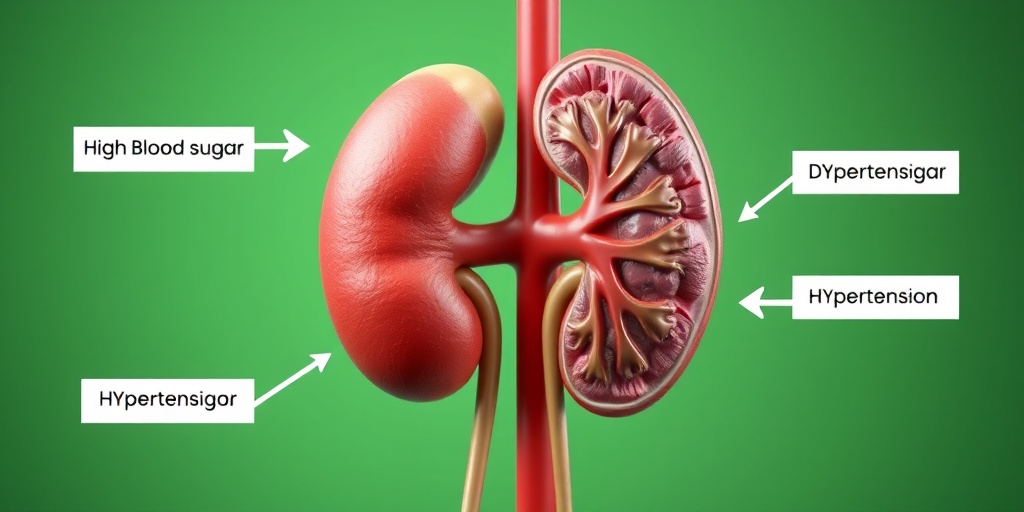
Diabetes is one of the leading causes of kidney disease. High blood sugar levels can damage the blood vessels in the kidneys, impairing their ability to filter waste effectively. This condition is known as diabetic nephropathy, and it can progress to kidney failure if not managed properly.
2. High Blood Pressure
Hypertension, or high blood pressure, is another significant risk factor. It can cause damage to the kidneys over time, leading to a decline in their function. Maintaining a healthy blood pressure is essential for kidney health, especially for those with diabetes.
3. Family History
A family history of kidney disease can increase your risk. Genetic predisposition plays a role in how your kidneys function and how susceptible they are to damage from conditions like diabetes.
4. Age
As we age, the risk of developing kidney disease increases. Older adults are more likely to have conditions such as diabetes and hypertension, which further elevate their risk.
5. Lifestyle Factors
Certain lifestyle choices can also contribute to kidney disease risk:
- Obesity: Excess weight can lead to diabetes and high blood pressure.
- Smoking: Tobacco use can impair blood flow to the kidneys.
- Poor Diet: A diet high in sodium, processed foods, and unhealthy fats can negatively impact kidney health.
6. Other Medical Conditions
Conditions such as heart disease, high cholesterol, and autoimmune diseases can also increase the risk of kidney disease. It’s essential to manage these conditions effectively to protect kidney function.
Diagnosis of Kidney Disease
Diagnosing kidney disease, especially in diabetic patients, involves a combination of medical history, physical examinations, and specific tests. Early diagnosis is vital for effective management and treatment. Here’s how healthcare providers typically diagnose kidney disease:
1. Medical History and Symptoms
Your healthcare provider will start by taking a detailed medical history and asking about any symptoms you may be experiencing. Common symptoms of kidney disease include:
- Fatigue
- Swelling in the legs, ankles, or feet
- Changes in urination (frequency, color, or consistency)
- Shortness of breath
- High blood pressure
2. Physical Examination
A physical examination may reveal signs of kidney disease, such as swelling or high blood pressure. Your doctor may also check for other health issues that could affect kidney function.
3. Blood Tests
Blood tests are crucial for diagnosing kidney disease. The following tests are commonly performed:
- Serum Creatinine: Measures the level of creatinine in the blood, which can indicate how well the kidneys are filtering waste.
- Glomerular Filtration Rate (GFR): Estimates how well the kidneys are functioning. A lower GFR indicates reduced kidney function.
- Blood Urea Nitrogen (BUN): Measures the amount of nitrogen in the blood that comes from urea, a waste product. Elevated levels can indicate kidney dysfunction.
4. Urine Tests
Urine tests can provide valuable information about kidney health. These tests may include:
- Urinalysis: Checks for the presence of protein, blood, or other substances in the urine.
- 24-hour Urine Collection: Measures the total amount of urine produced in a day and assesses kidney function.
5. Imaging Tests
Imaging tests such as ultrasound or CT scans may be used to visualize the kidneys and check for abnormalities, blockages, or structural issues.
6. Kidney Biopsy
In some cases, a kidney biopsy may be necessary. This procedure involves taking a small sample of kidney tissue to examine it for damage or disease.
Understanding the risk factors and diagnosis of kidney disease is essential for those living with diabetes. By being proactive and working closely with healthcare providers, individuals can take steps to protect their kidney health and manage their diabetes effectively. 🩺💙

Treatment Options for Diabetic Kidney Disease
Diabetic kidney disease, also known as diabetic nephropathy, is a serious complication that can arise from diabetes. It occurs when high blood sugar levels damage the kidneys over time, leading to a decline in their function. Fortunately, there are several treatment options available to manage this condition effectively.
1. Blood Sugar Control
One of the most crucial aspects of managing diabetic kidney disease is maintaining optimal blood sugar levels. Consistent monitoring and management of blood glucose can significantly slow the progression of kidney damage. This can be achieved through:
- Dietary changes: Adopting a balanced diet that is low in sugar and carbohydrates can help maintain stable blood sugar levels.
- Medications: Insulin therapy or oral hypoglycemic agents may be necessary to control blood sugar effectively.
- Regular exercise: Physical activity can improve insulin sensitivity and help regulate blood sugar levels.
2. Blood Pressure Management
High blood pressure is a common issue for individuals with diabetes and can exacerbate kidney damage. Controlling blood pressure is essential for protecting kidney function. This can be achieved through:
- ACE inhibitors or ARBs: These medications not only lower blood pressure but also provide kidney protection.
- Diuretics: These can help reduce fluid retention and lower blood pressure.
- Lifestyle changes: Reducing sodium intake, maintaining a healthy weight, and engaging in regular physical activity can also help.
3. Dietary Modifications
A kidney-friendly diet is vital for managing diabetic kidney disease. This includes:
- Low protein intake: Reducing protein consumption can help decrease the kidneys’ workload.
- Limiting sodium: This helps control blood pressure and reduce fluid retention.
- Monitoring potassium and phosphorus: High levels of these minerals can be harmful to those with kidney disease.
4. Regular Monitoring
Regular check-ups with healthcare providers are essential for monitoring kidney function. Tests such as urine tests for protein and blood tests for creatinine levels can help assess kidney health and guide treatment decisions.
5. Advanced Treatments
In more severe cases of diabetic kidney disease, additional treatments may be necessary:
- Dialysis: This is a procedure that artificially removes waste products and excess fluid from the blood when the kidneys can no longer perform this function.
- Kidney transplant: For individuals with end-stage kidney disease, a transplant may be the best option for restoring kidney function.
Preventing Kidney Disease in Diabetics
Prevention is always better than cure, especially when it comes to diabetic kidney disease. Here are some effective strategies to help prevent kidney damage in individuals with diabetes:
1. Maintain Healthy Blood Sugar Levels
As mentioned earlier, keeping blood sugar levels within the target range is crucial. Regular monitoring and adherence to prescribed medications can help achieve this goal. Consider using a continuous glucose monitor (CGM) for real-time tracking of blood sugar levels.
2. Adopt a Kidney-Friendly Diet
A kidney and diabetic-friendly diet can significantly reduce the risk of kidney disease. Focus on:
- Whole grains: Foods like brown rice and quinoa are excellent choices.
- Fruits and vegetables: Aim for a variety of colors to ensure a range of nutrients.
- Healthy fats: Incorporate sources like avocados, nuts, and olive oil.
3. Stay Hydrated
Proper hydration is essential for kidney health. Drinking enough water helps the kidneys filter waste effectively. However, individuals with advanced kidney disease may need to monitor their fluid intake closely.
4. Regular Physical Activity
Engaging in regular exercise can help control blood sugar levels, manage weight, and lower blood pressure. Aim for at least 150 minutes of moderate-intensity aerobic activity each week, along with strength training exercises.
5. Avoid Smoking and Limit Alcohol
Smoking can worsen kidney function and increase the risk of cardiovascular disease. If you smoke, seek support to quit. Additionally, limit alcohol consumption, as excessive drinking can lead to dehydration and increased blood pressure.
6. Regular Health Check-ups
Routine check-ups with your healthcare provider are vital for early detection and management of any potential complications. Regular blood tests and urine tests can help monitor kidney function and overall health.
By implementing these preventive measures, individuals with diabetes can significantly reduce their risk of developing kidney disease and maintain better overall health. 🌟

Frequently Asked Questions about Kidney Disease and Diabetes
What is the connection between kidney disease and diabetes?
Kidney disease and diabetes are closely linked. Diabetes can lead to a condition known as diabetic nephropathy, which is damage to the kidneys caused by high blood sugar levels over time. This can impair the kidneys’ ability to filter waste from the blood effectively.
How can I manage kidney disease if I have diabetes?
Managing kidney disease while living with diabetes involves:
- Maintaining a healthy diet that is low in sodium and protein.
- Monitoring blood sugar levels regularly.
- Staying hydrated but within recommended limits.
- Following your healthcare provider’s advice on medications.
What foods are considered kidney and diabetic friendly?
Some kidney and diabetic friendly foods include:
- Leafy greens like spinach and kale.
- Low-potassium fruits such as berries and apples.
- Whole grains like quinoa and brown rice.
- Lean proteins such as chicken and fish.
Can a diabetic diet help prevent kidney disease?
Yes, a diabetic diet can help prevent kidney disease by controlling blood sugar levels and reducing the risk of complications. A balanced diet rich in nutrients and low in processed sugars can significantly benefit kidney health.
What are the symptoms of kidney failure in diabetics?
Symptoms of kidney failure in individuals with diabetes may include:
- Swelling in the legs and ankles.
- Fatigue and weakness.
- Changes in urination patterns.
- Shortness of breath.
Are there any desserts that are safe for diabetics with kidney disease?
Yes, there are kidney and diabetic friendly desserts that can be enjoyed, such as:
- Fruit salad with low-potassium fruits.
- Chia seed pudding made with almond milk.
- Homemade oatmeal cookies using whole grains and natural sweeteners.
What lifestyle changes can help manage both conditions?
To manage both kidney disease and diabetes effectively, consider the following lifestyle changes:
- Regular physical activity.
- A balanced diet tailored to your health needs.
- Regular check-ups with your healthcare provider.
- Stress management techniques such as yoga or meditation.
Is it possible to reverse kidney damage caused by diabetes?
While it may not be possible to completely reverse kidney damage, early intervention and strict management of blood sugar levels can slow the progression of kidney disease and improve overall kidney function.
Where can I find more resources on kidney disease and diabetes?
For more information, consider visiting reputable health websites, consulting with a healthcare professional, or joining support groups focused on kidney disease and diabetes. These resources can provide valuable insights and support for managing both conditions effectively.