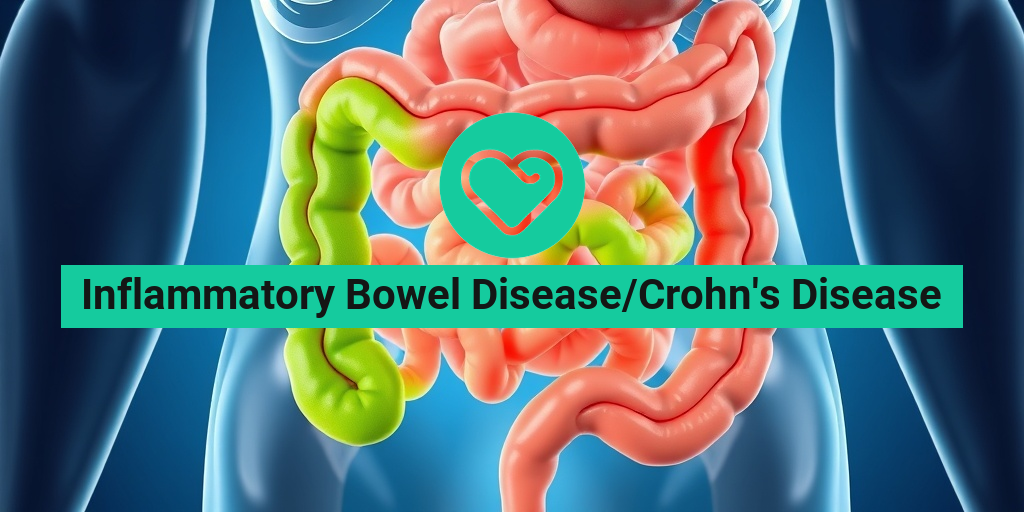
What Is Crohn’s Disease?
Crohn’s Disease is a type of Inflammatory Bowel Disease (IBD) that primarily affects the gastrointestinal tract. It can cause inflammation in any part of the digestive system, from the mouth to the anus, but it most commonly impacts the end of the small intestine (ileum) and the beginning of the large intestine (colon). This chronic condition can lead to a variety of complications and significantly affect a person’s quality of life.
Understanding Inflammatory Bowel Disease
Inflammatory Bowel Disease encompasses two main conditions: Crohn’s Disease and Ulcerative Colitis. While both are characterized by chronic inflammation of the digestive tract, they differ in their specific symptoms and the areas they affect. For instance, Crohn’s can occur in patches throughout the digestive tract, whereas Ulcerative Colitis typically affects the colon and rectum.
Causes and Risk Factors
The exact cause of Crohn’s Disease remains unclear, but several factors may contribute to its development:
- Genetics: A family history of IBD can increase the risk.
- Immune System: An abnormal immune response may trigger inflammation.
- Environmental Factors: Certain diets, smoking, and exposure to pollutants may play a role.
Understanding these factors can help in managing the disease and reducing flare-ups.
Crohn’s Disease Symptoms
The symptoms of Crohn’s Disease can vary widely among individuals and may change over time. Common symptoms include:
Gastrointestinal Symptoms
- Abdominal Pain: Often crampy and can be severe.
- Diarrhea: Frequent, sometimes bloody stools.
- Weight Loss: Due to malabsorption of nutrients.
- Fatigue: A common complaint among those with chronic inflammation.
Extraintestinal Symptoms
In addition to gastrointestinal issues, Crohn’s Disease can also lead to symptoms outside the digestive tract, including:
- Joint Pain: Inflammation can affect joints, leading to arthritis.
- Skin Problems: Rashes and sores may develop.
- Eye Inflammation: Conditions like uveitis can occur.
When to Seek Medical Attention
If you experience persistent symptoms such as severe abdominal pain, prolonged diarrhea, or unexplained weight loss, it’s crucial to consult a healthcare professional. Early diagnosis and treatment can significantly improve outcomes and quality of life for those with Crohn’s Disease.
For more detailed information and resources on managing Crohn’s Disease and other health-related queries, consider visiting Yesil Health AI. They provide evidence-based answers to help you navigate your health journey.
In conclusion, understanding Crohn’s Disease is essential for effective management and treatment. By recognizing the symptoms and knowing when to seek help, individuals can take proactive steps towards better health. 🌟

Crohn’s Disease Causes
Crohn’s Disease is a type of Inflammatory Bowel Disease (IBD) that primarily affects the gastrointestinal tract. Understanding the causes of Crohn’s Disease is crucial for effective management and treatment. While the exact cause remains unclear, several factors contribute to its development.
Genetic Factors
One of the most significant contributors to Crohn’s Disease is genetics. Studies have shown that individuals with a family history of IBD are at a higher risk of developing the condition. Specific genes associated with the immune system may play a role in how the body responds to bacteria in the gut, leading to inflammation.
Immune System Response
The immune system’s response to bacteria in the intestines is another potential cause of Crohn’s Disease. In some individuals, the immune system mistakenly attacks the healthy cells in the digestive tract, resulting in chronic inflammation. This autoimmune response can lead to the symptoms associated with Crohn’s Disease, such as abdominal pain, diarrhea, and fatigue.
Environmental Factors
Environmental factors also play a role in the onset of Crohn’s Disease. Certain lifestyle choices and exposures may increase the risk:
- Diet: A diet high in processed foods and low in fiber may contribute to the development of Crohn’s Disease.
- Smoking: Smokers are more likely to develop Crohn’s Disease compared to non-smokers.
- Infections: Previous gastrointestinal infections may trigger the onset of Crohn’s Disease in susceptible individuals.
Microbiome Imbalance
The gut microbiome, which consists of trillions of bacteria, plays a crucial role in digestive health. An imbalance in these bacteria may contribute to the inflammation seen in Crohn’s Disease. Research suggests that individuals with Crohn’s may have a different composition of gut bacteria compared to healthy individuals, which could influence disease progression.
Crohn’s Disease Risk Factors
Identifying the risk factors for Crohn’s Disease can help in early detection and management. While anyone can develop the condition, certain factors increase the likelihood of its occurrence.
Age
Crohn’s Disease can occur at any age, but it is most commonly diagnosed in adolescents and young adults, typically between the ages of 15 and 35. Early diagnosis is essential for effective management and treatment.
Family History
As mentioned earlier, having a family history of Inflammatory Bowel Disease significantly increases the risk of developing Crohn’s Disease. If a close relative has the condition, it is essential to be vigilant about symptoms and seek medical advice if necessary.
Ethnicity
Crohn’s Disease is more prevalent among individuals of Ashkenazi Jewish descent. While the reasons for this increased risk are not fully understood, genetic and environmental factors may play a role.
Smoking
Smoking is a well-established risk factor for Crohn’s Disease. It not only increases the likelihood of developing the disease but can also exacerbate symptoms in those already diagnosed. Quitting smoking can significantly improve the management of Crohn’s Disease.
Other Autoimmune Diseases
Individuals with other autoimmune diseases, such as rheumatoid arthritis or lupus, may have a higher risk of developing Crohn’s Disease. The presence of one autoimmune condition can indicate a predisposition to others.
Dietary Factors
While diet alone does not cause Crohn’s Disease, certain dietary habits may increase the risk. Diets high in fat, sugar, and processed foods, along with low fiber intake, may contribute to the development of the disease. Maintaining a balanced diet rich in fruits, vegetables, and whole grains can be beneficial for gut health.
In conclusion, understanding the causes and risk factors associated with Crohn’s Disease is vital for effective management and treatment. By recognizing these elements, individuals can take proactive steps towards maintaining their health and well-being. 🌱

Crohn’s Disease Diagnosis
Diagnosing Crohn’s Disease, a type of Inflammatory Bowel Disease (IBD), can be a complex process. It often involves a combination of medical history, physical examinations, and various diagnostic tests. Understanding the steps involved in the diagnosis can help patients and their families navigate this challenging journey.
Medical History and Symptoms
The first step in diagnosing Crohn’s Disease typically involves a thorough review of the patient’s medical history. Doctors will ask about:
- Family history of IBD or other gastrointestinal disorders
- Current symptoms, such as abdominal pain, diarrhea, weight loss, and fatigue
- Duration and frequency of symptoms
It’s essential for patients to provide detailed information, as symptoms can vary widely among individuals. This information helps healthcare providers determine the likelihood of Crohn’s Disease and decide on further testing.
Physical Examination
A physical examination is another crucial step in the diagnostic process. During this examination, the doctor may:
- Check for abdominal tenderness or swelling
- Look for signs of malnutrition or dehydration
- Assess for any other related health issues
These findings can provide valuable insights into the patient’s condition and guide the next steps in diagnosis.
Diagnostic Tests
If Crohn’s Disease is suspected, several diagnostic tests may be ordered, including:
- Blood Tests: These tests can check for anemia, inflammation, and other markers that may indicate Crohn’s Disease.
- Stool Tests: Stool samples can help rule out infections and assess for inflammation.
- Imaging Studies: Techniques such as X-rays, CT scans, or MRIs can provide detailed images of the intestines and help identify areas of inflammation or damage.
- Endoscopy: This procedure involves using a flexible tube with a camera to visualize the inside of the gastrointestinal tract. It can also allow for biopsies, where small tissue samples are taken for further analysis.
These tests are essential for confirming a diagnosis of Crohn’s Disease and determining its severity and location within the digestive tract.
Differentiating Crohn’s Disease from Other Conditions
It’s important to note that Crohn’s Disease can sometimes be confused with other gastrointestinal disorders, such as ulcerative colitis or irritable bowel syndrome (IBS). Understanding the differences between these conditions is crucial for effective treatment. For instance, while both Crohn’s Disease and ulcerative colitis fall under the umbrella of IBD, they affect different parts of the digestive system and have distinct symptoms.
Crohn’s Disease Complications
Crohn’s Disease can lead to a variety of complications, some of which can significantly impact a patient’s quality of life. Being aware of these potential issues is essential for effective management and early intervention.
Intestinal Complications
One of the most common complications of Crohn’s Disease involves the intestines themselves. These complications can include:
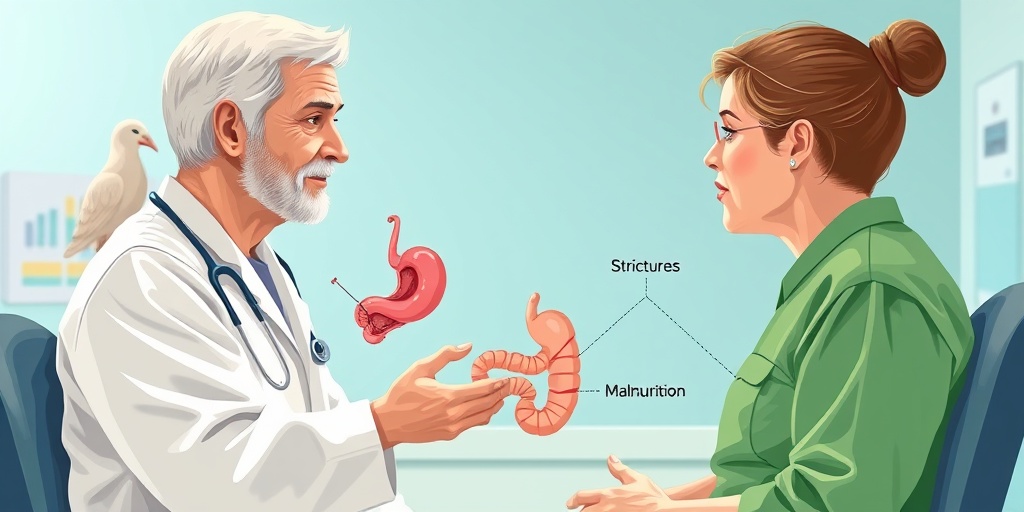
- Strictures: Narrowing of the intestines due to inflammation can lead to blockages, causing severe pain and digestive issues.
- Fistulas: Abnormal connections can form between different parts of the intestine or between the intestine and other organs, leading to infections and other complications.
- Abscesses: Pockets of infection can develop in the abdomen, requiring drainage and sometimes surgery.
Nutritional Deficiencies
Due to the nature of Crohn’s Disease, many patients experience difficulty absorbing nutrients, which can lead to:
- Vitamin Deficiencies: Deficiencies in vitamins such as B12, D, and K can occur, necessitating supplementation.
- Weight Loss: Chronic diarrhea and reduced appetite can lead to significant weight loss and malnutrition.
Increased Risk of Colon Cancer
Patients with long-standing Crohn’s Disease, particularly those with involvement of the colon, may have an increased risk of developing colon cancer. Regular screenings and monitoring are essential for early detection and management.
Emotional and Psychological Impact
Beyond physical complications, Crohn’s Disease can also take a toll on mental health. Patients may experience:
- Anxiety and Depression: The chronic nature of the disease and its unpredictable symptoms can lead to emotional distress.
- Social Isolation: Symptoms may limit social interactions, leading to feelings of loneliness.
Support from healthcare providers, family, and support groups can be invaluable in managing these emotional challenges.
Understanding the diagnosis and potential complications of Crohn’s Disease is crucial for effective management and improving the quality of life for those affected. Early intervention and comprehensive care can help mitigate these challenges and support patients on their journey to better health. 🌟
Crohn’s Disease Treatment Options
Crohn’s Disease, a type of Inflammatory Bowel Disease (IBD), can significantly impact a person’s quality of life. Fortunately, there are various treatment options available to help manage symptoms and improve overall well-being. Understanding these options is crucial for anyone diagnosed with this condition.
Medications
Medications are often the first line of defense against Crohn’s Disease. They aim to reduce inflammation, manage symptoms, and maintain remission. Here are some common categories of medications:
- Aminosalicylates: These anti-inflammatory drugs, such as mesalamine, are often used for mild to moderate symptoms.
- Corticosteroids: Medications like prednisone can quickly reduce inflammation but are typically used for short-term management due to potential side effects.
- Immunomodulators: Drugs such as azathioprine and mercaptopurine help suppress the immune system to reduce inflammation.
- Biologics: These are advanced therapies that target specific pathways in the inflammatory process. Examples include infliximab and adalimumab.
- Antibiotics: Sometimes prescribed to treat infections or complications related to Crohn’s Disease.
Nutritional Support
Nutrition plays a vital role in managing Crohn’s Disease. Some patients may experience malnutrition due to the disease’s impact on the digestive system. Here are some nutritional strategies:
- Specialized Diets: Working with a dietitian to create a tailored diet plan can help manage symptoms. Low-residue diets, for instance, may be beneficial during flare-ups.
- Supplements: Vitamins and minerals may be necessary to address deficiencies, especially if the body struggles to absorb nutrients.
- Hydration: Staying well-hydrated is essential, particularly during flare-ups when diarrhea may lead to dehydration.
Surgery
In some cases, surgery may be necessary to treat complications of Crohn’s Disease. This could include:
- Resection: Removing the affected portion of the intestine.
- Strictureplasty: Widening narrowed sections of the intestine without removing any part.
- Fistula Repair: Addressing abnormal connections between the intestine and other organs.
While surgery can provide relief, it is not a cure for Crohn’s Disease. Ongoing management and monitoring are essential.
Crohn’s Disease Lifestyle Changes
Living with Crohn’s Disease requires more than just medical treatment; lifestyle changes can significantly impact symptom management and overall health. Here are some effective strategies:
Dietary Adjustments
What you eat can greatly influence your symptoms. Here are some dietary changes to consider:
- Identify Trigger Foods: Keeping a food diary can help pinpoint foods that exacerbate symptoms.
- Eat Smaller Meals: Consuming smaller, more frequent meals can ease digestion.
- Limit Dairy and High-Fiber Foods: These can be difficult to digest for some individuals with Crohn’s Disease.
Stress Management
Stress can trigger flare-ups, making stress management techniques essential. Consider incorporating:
- Meditation and Mindfulness: These practices can help reduce stress and promote relaxation.
- Yoga and Exercise: Gentle physical activity can improve mood and overall health.
- Support Groups: Connecting with others who understand your experience can provide emotional support.
Regular Medical Check-ups
Staying on top of your health is crucial. Regular check-ups with your healthcare provider can help monitor the disease’s progression and adjust treatment plans as necessary. This proactive approach can lead to better management of Crohn’s Disease.
Stay Informed
Knowledge is power. Staying informed about Crohn’s Disease and its management can empower you to make better health decisions. Consider reading reputable sources, joining forums, or attending workshops related to IBD.
By implementing these lifestyle changes and understanding treatment options, individuals with Crohn’s Disease can lead fulfilling lives while managing their condition effectively. 🌟

Frequently Asked Questions about Inflammatory Bowel Disease
What is Inflammatory Bowel Disease?
Inflammatory Bowel Disease (IBD) refers to a group of inflammatory conditions of the gastrointestinal tract, primarily including Crohn’s Disease and ulcerative colitis. These conditions can cause chronic inflammation, leading to various symptoms such as abdominal pain, diarrhea, and weight loss.
How is Inflammatory Bowel Disease different from Crohn’s Disease?
While Crohn’s Disease is a type of Inflammatory Bowel Disease, not all IBD is Crohn’s. IBD encompasses both Crohn’s Disease and ulcerative colitis, which affects different parts of the digestive tract and has distinct characteristics.
Is Crohn’s Disease considered Inflammatory Bowel Disease?
Yes, Crohn’s Disease is classified as a type of Inflammatory Bowel Disease. It is one of the two main forms of IBD, the other being ulcerative colitis.
What are the common symptoms of Inflammatory Bowel Disease?
- Abdominal pain and cramping
- Diarrhea, which may be bloody
- Weight loss
- Fatigue
- Reduced appetite
Can Inflammatory Bowel Disease lead to complications?
Yes, Inflammatory Bowel Disease can lead to several complications, including bowel obstructions, fistulas, and an increased risk of colon cancer. Regular monitoring and management are essential to minimize these risks.
How is Inflammatory Bowel Disease diagnosed?
Diagnosis typically involves a combination of medical history, physical examinations, laboratory tests, imaging studies, and endoscopic procedures to assess the extent of inflammation and rule out other conditions.
What treatments are available for Inflammatory Bowel Disease?
Treatment options for Inflammatory Bowel Disease may include:
- Medications (anti-inflammatory drugs, immunosuppressants)
- Dietary changes
- Biologic therapies
- Surgery in severe cases
Is there a cure for Inflammatory Bowel Disease?
Currently, there is no cure for Inflammatory Bowel Disease. However, with proper management and treatment, many individuals can achieve remission and lead a healthy life.
What lifestyle changes can help manage Inflammatory Bowel Disease?
Some lifestyle changes that may help manage symptoms include:
- Eating a balanced diet rich in nutrients
- Staying hydrated
- Avoiding trigger foods
- Managing stress through relaxation techniques
Where can I find support for Inflammatory Bowel Disease?
Support groups, both online and in-person, can provide valuable resources and community for those affected by Inflammatory Bowel Disease. Organizations such as the Crohn’s & Colitis Foundation offer support and information.