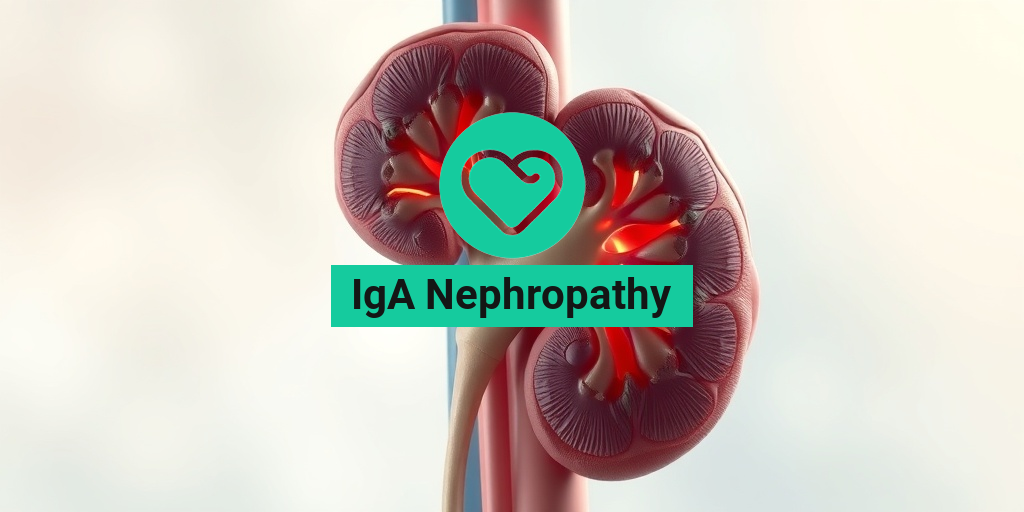
What Is IgA Nephropathy?
IgA Nephropathy, also known as Berger’s disease, is a kidney disorder characterized by the buildup of immunoglobulin A (IgA) in the kidneys. This condition leads to inflammation and can ultimately affect the kidneys’ ability to filter waste from the blood effectively. It is one of the most common forms of primary glomerulonephritis, which is a group of diseases that cause inflammation of the kidney’s filtering units, known as glomeruli.
Understanding the Causes
The exact cause of IgA Nephropathy remains unclear, but it is believed to be linked to an abnormal immune response. When the body encounters infections or other triggers, it produces IgA antibodies. In individuals with IgA Nephropathy, these antibodies accumulate in the kidneys, leading to inflammation and damage. Some potential factors that may contribute to the development of this condition include:
- Genetic predisposition: Family history may play a role in the likelihood of developing IgA Nephropathy.
- Environmental factors: Certain infections, particularly respiratory or gastrointestinal infections, may trigger the immune response that leads to IgA accumulation.
- Other health conditions: Conditions such as liver disease or celiac disease may also be associated with IgA Nephropathy.
Who Is Affected?
IgA Nephropathy can affect individuals of any age, but it is most commonly diagnosed in young adults and adolescents. It is more prevalent in males than females, and its occurrence varies by geographic region, being more common in certain parts of Asia and Europe.
IgA Nephropathy Symptoms
The symptoms of IgA Nephropathy can vary significantly from person to person. Some individuals may experience no symptoms at all, while others may develop noticeable signs of kidney dysfunction. Here are some common symptoms associated with this condition:
Common Symptoms
- Blood in urine (hematuria): This is often the first noticeable symptom and may appear as pink or cola-colored urine.
- Protein in urine (proteinuria): This can lead to foamy urine and is a sign that the kidneys are not filtering properly.
- Swelling (edema): Fluid retention may cause swelling in the legs, ankles, or around the eyes.
- High blood pressure: Kidney damage can lead to increased blood pressure, which may require management.
- Fatigue: As kidney function declines, individuals may feel more tired and less energetic.
When to Seek Medical Attention
If you notice any of the symptoms mentioned above, it is crucial to consult a healthcare professional. Early diagnosis and management can help slow the progression of the disease and improve overall kidney health. Regular check-ups and monitoring are essential for those diagnosed with IgA Nephropathy.
Conclusion
IgA Nephropathy is a complex condition that requires careful attention and management. Understanding the symptoms and causes can empower individuals to seek timely medical advice and treatment. For more detailed information and resources on IgA Nephropathy, consider visiting Yesil Health AI, where you can find evidence-based health answers tailored to your needs. Remember, staying informed is a vital step in managing your health! 🌟

Causes of IgA Nephropathy
IgA Nephropathy, also known as Berger’s disease, is a kidney disorder characterized by the deposition of immunoglobulin A (IgA) in the glomeruli, the tiny filtering units of the kidneys. Understanding the causes of IgA Nephropathy is crucial for early diagnosis and effective management. While the exact cause remains unclear, several factors have been identified that may contribute to the development of this condition.
Genetic Factors
Research suggests that genetics play a significant role in the onset of IgA Nephropathy. Individuals with a family history of the disease are at a higher risk. Specific genetic markers have been associated with an increased susceptibility to this condition, indicating that inherited traits may influence the immune response and kidney function.
Immune System Dysfunction
IgA Nephropathy is often linked to an abnormal immune response. In this condition, the body produces an excessive amount of IgA antibodies, which can lead to inflammation and damage in the kidneys. This immune dysregulation may be triggered by various factors, including:
- Infections: Viral or bacterial infections can stimulate the immune system, leading to increased IgA production.
- Environmental Factors: Exposure to certain environmental triggers, such as pollutants or allergens, may also contribute to immune system abnormalities.
Other Contributing Factors
While the primary cause of IgA Nephropathy is still under investigation, several other factors may influence its development:
- Age and Gender: IgA Nephropathy is more common in young adults and tends to affect males more than females.
- Geographic Variations: The prevalence of IgA Nephropathy varies by region, with higher rates reported in Asia compared to Western countries.
Risk Factors for IgA Nephropathy
Identifying the risk factors for IgA Nephropathy can help in early detection and management of the disease. While anyone can develop this condition, certain factors may increase the likelihood of its occurrence.
Family History
A family history of IgA Nephropathy significantly raises the risk of developing the disease. If a close relative has been diagnosed, it is essential to monitor kidney health regularly and discuss potential screening options with a healthcare provider.
Age and Gender
As mentioned earlier, IgA Nephropathy is more prevalent among young adults, particularly those aged 15 to 35. Additionally, males are more likely to be affected than females, which suggests that hormonal differences may play a role in the disease’s development.
Ethnicity
Ethnicity is another important risk factor. Studies have shown that individuals of Asian descent have a higher incidence of IgA Nephropathy compared to those of European or African descent. This disparity may be attributed to genetic predispositions and environmental influences.
Previous Infections
Individuals who have experienced recurrent infections, particularly respiratory or gastrointestinal infections, may be at an increased risk for developing IgA Nephropathy. These infections can trigger an immune response that leads to the overproduction of IgA antibodies.
Other Health Conditions
Certain health conditions can also elevate the risk of IgA Nephropathy. These include:
- Chronic Liver Disease: Liver dysfunction can affect the immune system and increase the likelihood of kidney issues.
- Coeliac Disease: This autoimmune disorder can lead to increased IgA levels and may be associated with IgA Nephropathy.
Understanding the causes and risk factors associated with IgA Nephropathy is vital for individuals and healthcare providers alike. Early recognition and intervention can significantly improve outcomes and quality of life for those affected by this kidney disorder. 🌟

IgA Nephropathy Diagnosis
Diagnosing IgA Nephropathy, also known as Berger’s disease, involves a combination of clinical evaluation, laboratory tests, and sometimes imaging studies. This condition is characterized by the deposition of immunoglobulin A (IgA) in the kidneys, leading to inflammation and potential kidney damage. Early diagnosis is crucial for effective management and to prevent progression to more severe kidney disease.
Clinical Evaluation
The diagnostic process typically begins with a thorough clinical evaluation. Your healthcare provider will review your medical history and perform a physical examination. They will look for symptoms that may indicate kidney issues, such as:
- Blood in urine (hematuria)
- Protein in urine (proteinuria)
- Swelling (edema) in the legs, ankles, or around the eyes
- High blood pressure
Laboratory Tests
After the initial evaluation, several laboratory tests are typically conducted to confirm the diagnosis:
- Urinalysis: This test checks for the presence of blood and protein in the urine, which are common indicators of kidney problems.
- Blood tests: These tests measure kidney function by assessing levels of creatinine and blood urea nitrogen (BUN). They also evaluate the levels of IgA in the blood.
- 24-hour urine collection: This test measures the total amount of protein excreted in the urine over a day, helping to assess the severity of proteinuria.
Kidney Biopsy
In some cases, a kidney biopsy may be necessary to confirm the diagnosis of IgA Nephropathy. During this procedure, a small sample of kidney tissue is removed and examined under a microscope. This can help determine the extent of damage and the presence of IgA deposits in the kidney tissue.
Imaging Studies
While not always required, imaging studies such as ultrasound may be performed to assess the size and structure of the kidneys. This can help rule out other potential causes of kidney dysfunction.
IgA Nephropathy Treatment Options
Once diagnosed, the treatment of IgA Nephropathy focuses on managing symptoms, slowing disease progression, and preventing complications. The treatment plan may vary based on the severity of the disease and individual patient factors.
Medications
Several medications may be prescribed to help manage IgA Nephropathy:
- Angiotensin-converting enzyme (ACE) inhibitors: These medications help lower blood pressure and reduce proteinuria, which can protect kidney function.
- Angiotensin II receptor blockers (ARBs): Similar to ACE inhibitors, ARBs can also help manage blood pressure and reduce protein levels in the urine.
- Immunosuppressive drugs: In cases of severe disease, medications that suppress the immune system may be used to reduce inflammation in the kidneys.
Lifestyle Modifications
In addition to medications, certain lifestyle changes can significantly impact the management of IgA Nephropathy:
- Dietary changes: A low-sodium diet can help control blood pressure, while a balanced diet rich in fruits, vegetables, and whole grains supports overall health.
- Regular exercise: Engaging in regular physical activity can help maintain a healthy weight and improve cardiovascular health.
- Avoiding smoking and excessive alcohol: These habits can worsen kidney function and overall health.
Monitoring and Follow-Up
Regular follow-up appointments with your healthcare provider are essential for monitoring kidney function and adjusting treatment as necessary. Blood pressure and kidney function tests will be routinely performed to assess the effectiveness of the treatment plan.
In summary, the diagnosis and treatment of IgA Nephropathy require a comprehensive approach that includes clinical evaluation, laboratory tests, and lifestyle modifications. Early intervention can lead to better outcomes and improved quality of life for those affected by this condition. 🌟

Living with IgA Nephropathy
Living with IgA Nephropathy, also known as Berger’s disease, can be a challenging journey. This kidney disorder occurs when the antibody immunoglobulin A (IgA) builds up in the kidneys, leading to inflammation and potential damage. Understanding how to manage this condition is crucial for maintaining a good quality of life.
Understanding the Symptoms
Many individuals with IgA Nephropathy may not experience noticeable symptoms initially. However, as the disease progresses, some common symptoms may include:
- Blood in urine (hematuria) – This can appear as pink or cola-colored urine.
- Protein in urine (proteinuria) – This may cause foamy urine.
- Swelling (edema) – Particularly in the hands, feet, and around the eyes.
- High blood pressure – This can develop as kidney function declines.
- Fatigue – A general feeling of tiredness may occur.
Recognizing these symptoms early can lead to timely medical intervention, which is essential for managing the disease effectively.
Managing Your Condition
While there is currently no cure for IgA Nephropathy, several strategies can help manage the condition and improve your quality of life:
- Regular Monitoring: Frequent check-ups with your healthcare provider are vital. This includes monitoring kidney function through blood tests and urine tests.
- Medication: Depending on your symptoms and kidney function, medications such as corticosteroids or immunosuppressants may be prescribed to reduce inflammation.
- Dietary Changes: A kidney-friendly diet can help manage symptoms. This may include reducing salt intake, limiting protein consumption, and staying hydrated.
- Blood Pressure Management: Keeping your blood pressure in check is crucial. Medications like ACE inhibitors can be beneficial.
- Exercise: Regular physical activity can help maintain overall health and manage weight.
Support from family, friends, and support groups can also play a significant role in coping with the emotional aspects of living with IgA Nephropathy. 💪
IgA Nephropathy Outlook and Prognosis
The prognosis for individuals with IgA Nephropathy can vary widely. Some people may experience mild symptoms and maintain stable kidney function for years, while others may progress to more severe kidney disease. Understanding the factors that influence the outlook can help patients and their families prepare for the future.
Factors Influencing Prognosis
Several factors can affect the prognosis of IgA Nephropathy:
- Severity of Symptoms: Individuals with significant proteinuria or high blood pressure at diagnosis may have a poorer prognosis.
- Kidney Function: The level of kidney function at the time of diagnosis is a critical indicator. Those with normal kidney function generally have a better outlook.
- Response to Treatment: How well a patient responds to treatment can significantly impact long-term outcomes.
- Age and Gender: Younger patients and females tend to have a better prognosis compared to older males.
Long-Term Outlook
Research indicates that approximately 20-40% of patients with IgA Nephropathy may eventually progress to end-stage renal disease (ESRD) over 20 years. However, many individuals live with the condition without significant complications. Regular monitoring and proactive management can greatly enhance the quality of life and potentially slow disease progression.
In conclusion, while living with IgA Nephropathy presents challenges, understanding the condition and actively managing it can lead to a fulfilling life. Staying informed and engaged with healthcare providers is key to navigating this journey successfully. 🌟

Frequently Asked Questions
What is IgA Nephropathy?
IgA Nephropathy is a kidney disorder characterized by the buildup of immunoglobulin A (IgA) in the kidneys, leading to inflammation and potential damage. It is one of the most common forms of primary glomerulonephritis.
What are the symptoms of IgA Nephropathy?
Common symptoms include:
- Blood in urine (hematuria)
- Protein in urine (proteinuria)
- Swelling in hands and feet
- High blood pressure
- Fatigue
What causes IgA Nephropathy?
The exact cause of IgA Nephropathy is not fully understood, but it is believed to be related to an abnormal immune response. Genetic factors, infections, and environmental triggers may also play a role.
How is IgA Nephropathy diagnosed?
Diagnosis typically involves:
- Urinalysis to check for blood and protein
- Blood tests to assess kidney function
- Kidney biopsy to confirm the diagnosis
What are the stages of IgA Nephropathy?
IgA Nephropathy can progress through various stages, which are often classified based on kidney function and the severity of symptoms. Regular monitoring is essential to manage the condition effectively.
What treatments are available for IgA Nephropathy?
Treatment options may include:
- Medications to control blood pressure and reduce proteinuria
- Immunosuppressive therapy in severe cases
- Dietary changes to support kidney health
What is the prognosis for IgA Nephropathy?
The prognosis varies among individuals. Some may experience mild symptoms and stable kidney function, while others may progress to chronic kidney disease. Regular follow-ups with a healthcare provider are crucial for monitoring.
How does IgA Nephropathy compare to other kidney conditions?
When comparing IgA Nephropathy to conditions like post-streptococcal glomerulonephritis (PSGN), it is important to note that PSGN typically follows a throat or skin infection, while IgA Nephropathy is often a primary condition without a clear preceding infection.
Where can I find more information about IgA Nephropathy?
For more detailed information, consider consulting healthcare professionals or reputable medical websites that specialize in kidney health and nephrology.