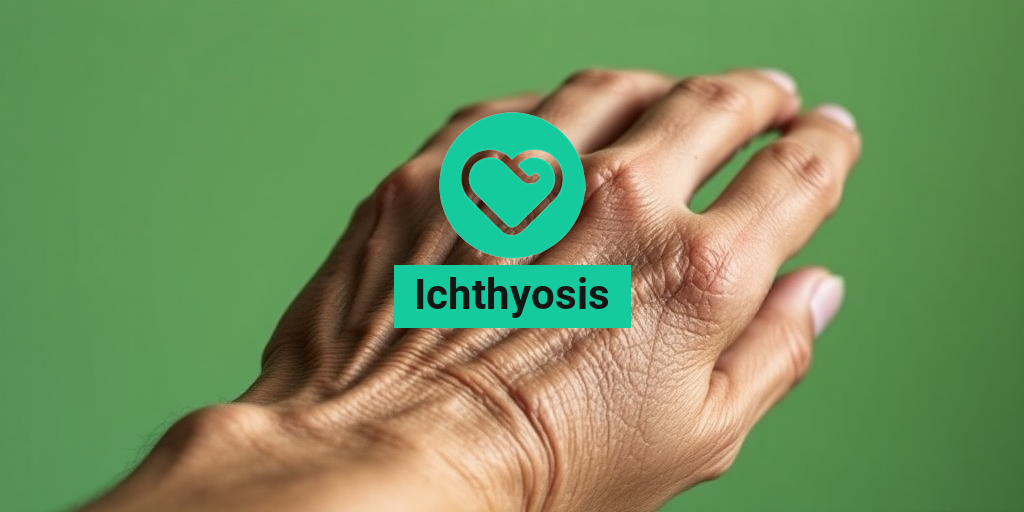
What Is Ichthyosis?
Ichthyosis is a group of skin disorders characterized by dry, scaly skin. The term “ichthyosis” is derived from the Greek word “ichthys,” meaning fish, which reflects the fish-like appearance of the skin in some forms of the condition. This skin disorder can vary significantly in severity and presentation, affecting individuals differently. While some people may experience mild symptoms, others may face more severe challenges that impact their daily lives.
There are several types of ichthyosis, with ichthyosis vulgaris being the most common. This form typically manifests in childhood and is often inherited. Other types include ichthyosis harlequin, a severe and rare form that can be life-threatening, and ichthyosis congenita, which is present at birth. Each type has its own unique characteristics and treatment options.
Understanding ichthyosis is crucial for those affected, as well as their families and caregivers. It can help in managing symptoms and improving quality of life. For more detailed information on ichthyosis and its various forms, resources like Yesil Health AI can provide evidence-based answers to your questions.
Ichthyosis Symptoms
The symptoms of ichthyosis can vary widely depending on the type and severity of the condition. However, some common symptoms include:
- Dry, scaly skin: This is the hallmark of ichthyosis. The skin may appear rough and flaky, resembling fish scales.
- Redness and inflammation: In some cases, affected areas may become red and inflamed, leading to discomfort.
- Cracking and fissures: Severe dryness can lead to cracks in the skin, which may be painful and susceptible to infection.
- Thickened skin: Some forms of ichthyosis can cause the skin to thicken, particularly on the palms of the hands and soles of the feet.
- Itching: Many individuals with ichthyosis experience itching, which can be exacerbated by dry skin.
It’s important to note that symptoms can change over time and may be influenced by environmental factors such as humidity and temperature. For instance, colder weather can worsen dryness, while humid conditions may provide some relief.
Recognizing the Signs
If you or someone you know is experiencing symptoms of ichthyosis, it’s essential to consult a healthcare professional for an accurate diagnosis. Early recognition and treatment can help manage symptoms effectively and improve overall skin health.
When to Seek Medical Advice
While ichthyosis is generally manageable, there are instances when medical advice should be sought:
- If the skin becomes infected or shows signs of severe irritation.
- If there is significant discomfort or pain associated with the skin condition.
- If the symptoms worsen or change unexpectedly.
In conclusion, ichthyosis is a complex skin condition that requires understanding and management. By recognizing the symptoms and seeking appropriate treatment, individuals can lead fulfilling lives despite the challenges posed by this disorder. For more information and support, consider visiting Yesil Health AI, where you can find valuable resources tailored to your health needs. 🌟
Types of Ichthyosis
Ichthyosis is a group of skin disorders characterized by dry, scaly skin. The severity and appearance of the condition can vary significantly from person to person. Understanding the different types of ichthyosis is crucial for effective management and treatment. Here are some of the most common types:
1. Ichthyosis Vulgaris
Ichthyosis vulgaris is the most prevalent form of ichthyosis, affecting approximately 1 in 250 individuals. It typically manifests in childhood and is characterized by dry, scaly skin that often appears on the arms, legs, and trunk. The scales are usually fine and white, resembling fish scales, which is where the name “ichthyosis” (from the Greek word for fish) originates. This condition is often inherited in an autosomal dominant pattern, meaning only one copy of the mutated gene is needed for the disorder to manifest.
2. Ichthyosis Harlequin
Ichthyosis harlequin is one of the most severe forms of ichthyosis and is a rare genetic disorder. Infants born with this condition have thick, armor-like skin that can restrict movement and lead to serious complications. The skin appears in large, diamond-shaped plates separated by deep cracks. This type of ichthyosis requires immediate medical attention and ongoing care to manage the associated health risks.
3. Congenital Ichthyosis
Congenital ichthyosis encompasses a group of ichthyosis types that are present at birth. These can include lamellar ichthyosis and epidermolytic ichthyosis. Lamellar ichthyosis is characterized by a thick, scaly skin that can cover the entire body, while epidermolytic ichthyosis leads to blistering and peeling of the skin. Both types can significantly impact a person’s quality of life and require specialized treatment.
4. Ichthyosis Linearis Circumflexa
This rare form of ichthyosis is characterized by linear, raised, and scaly lesions that can appear anywhere on the body. The scales often have a circumflex pattern, which is where the name comes from. Ichthyosis linearis circumflexa can be triggered by environmental factors and may improve with treatment.
5. X-Linked Ichthyosis
X-linked ichthyosis is a genetic condition that primarily affects males. It is caused by a mutation in the STS gene located on the X chromosome. This type of ichthyosis leads to dry, scaly skin, particularly on the back and limbs. Women can be carriers of the gene but usually do not exhibit symptoms.
Ichthyosis Causes
The causes of ichthyosis are primarily genetic, with various mutations leading to different types of the condition. Understanding these causes can help in managing symptoms and seeking appropriate treatment.
Genetic Mutations
Most forms of ichthyosis are caused by mutations in genes responsible for skin development and function. For instance, ichthyosis vulgaris is linked to mutations in the filaggrin gene, which plays a crucial role in maintaining skin barrier function. In contrast, ichthyosis harlequin is caused by mutations in the ABCA12 gene, which is essential for lipid transport in skin cells.
Inheritance Patterns
Ichthyosis can be inherited in several ways:
- Autosomal Dominant: Conditions like ichthyosis vulgaris are passed down when one parent carries the mutated gene.
- Autosomal Recessive: Some forms, such as lamellar ichthyosis, require both parents to pass on the mutated gene.
- X-Linked: X-linked ichthyosis primarily affects males, as they have only one X chromosome.
Environmental Factors
While genetics play a significant role, environmental factors can also influence the severity of ichthyosis symptoms. Factors such as climate, humidity, and skin care practices can exacerbate dryness and scaling. For instance, cold, dry weather can worsen symptoms, while proper moisturizing can help alleviate them.
Associated Conditions
Ichthyosis can sometimes be associated with other health conditions, such as asthma, eczema, and keratoconus. Understanding these associations can help in providing comprehensive care for individuals with ichthyosis.
In summary, ichthyosis is a complex condition with various types and causes. Recognizing the specific type and understanding its genetic basis can significantly aid in managing symptoms and improving the quality of life for those affected. 🌟

Ichthyosis Risk Factors
Ichthyosis is a group of skin disorders characterized by dry, scaly skin. Understanding the risk factors associated with ichthyosis can help in early detection and management of the condition. Here are some key factors to consider:
Genetic Predisposition
One of the primary risk factors for ichthyosis is a genetic predisposition. Many forms of ichthyosis, such as ichthyosis vulgaris and ichthyosis harlequin, are inherited in an autosomal dominant or recessive manner. If a parent carries the gene mutation associated with ichthyosis, there is a chance that their children may inherit the condition.
Family History
A family history of ichthyosis or related skin disorders can significantly increase the likelihood of developing the condition. If you have relatives with ichthyosis, it’s essential to be aware of the symptoms and seek medical advice if necessary.
Environmental Factors
While genetics play a crucial role, certain environmental factors can exacerbate the symptoms of ichthyosis. These include:
- Extreme weather conditions (cold, dry climates)
- Exposure to harsh chemicals or irritants
- Low humidity levels
Individuals living in areas with harsh environmental conditions may experience more severe symptoms, making it essential to take preventive measures.
Age and Gender
Ichthyosis can affect individuals of all ages and genders, but some forms may present differently based on age. For instance, ichthyosis vulgaris often becomes noticeable in early childhood. Additionally, certain types of ichthyosis may show a slight gender bias, with males being more frequently affected than females.
Associated Medical Conditions
Some individuals with ichthyosis may also have other medical conditions, such as hypohidrotic ectodermal dysplasia or keratoderma. These associated conditions can complicate the management of ichthyosis and may require a multidisciplinary approach to treatment.
Ichthyosis Diagnosis
Diagnosing ichthyosis involves a combination of clinical evaluation and laboratory tests. Early diagnosis is crucial for effective management and improving the quality of life for those affected. Here’s how healthcare professionals typically approach the diagnosis:
Clinical Examination
The first step in diagnosing ichthyosis is a thorough clinical examination by a dermatologist. The doctor will assess the skin’s appearance, texture, and distribution of scales. They will also inquire about the patient’s medical history and any family history of skin disorders.
Skin Biopsy
In some cases, a skin biopsy may be necessary to confirm the diagnosis. During this procedure, a small sample of skin is taken and examined under a microscope. This can help differentiate between various types of ichthyosis and rule out other skin conditions.
Genetic Testing
For individuals with a family history of ichthyosis or when the diagnosis is unclear, genetic testing can provide valuable insights. This testing can identify specific gene mutations associated with different forms of ichthyosis, aiding in accurate diagnosis and potential treatment options.
Family History Assessment
As mentioned earlier, a detailed family history assessment is crucial. Understanding the genetic background can help healthcare providers determine the likelihood of ichthyosis and its potential inheritance patterns.
Monitoring and Follow-Up
Once diagnosed, regular monitoring and follow-up appointments are essential. This allows healthcare providers to track the progression of the condition and adjust treatment plans as necessary. Patients are encouraged to report any changes in symptoms or new concerns during these visits.
In conclusion, understanding the risk factors and diagnostic processes for ichthyosis is vital for effective management. If you suspect you or a loved one may have ichthyosis, consult a healthcare professional for a comprehensive evaluation. 🩺
Ichthyosis Treatment Options
Ichthyosis is a group of skin disorders characterized by dry, scaly skin. The severity and type of ichthyosis can vary widely, and so can the treatment options available. Understanding these options is crucial for managing symptoms and improving quality of life.
Topical Treatments
One of the most common approaches to treating ichthyosis involves the use of topical treatments. These can help to hydrate the skin and reduce scaling. Here are some effective topical treatments:
- Moisturizers: Regular use of thick creams or ointments can help lock in moisture. Look for products containing ingredients like urea, lactic acid, or glycerin.
- Exfoliants: Keratolytic agents such as salicylic acid or alpha-hydroxy acids can help remove dead skin cells and promote smoother skin.
- Prescription creams: In more severe cases, dermatologists may prescribe stronger topical treatments, including retinoids, which can help normalize skin cell turnover.
Oral Medications
For individuals with more severe forms of ichthyosis, oral medications may be necessary. These can include:
- Retinoids: Oral retinoids, such as isotretinoin, can significantly improve skin condition by reducing scaling and promoting skin cell turnover.
- Antibiotics: If there are secondary infections due to cracked skin, antibiotics may be prescribed to help manage these complications.
Light Therapy
Another treatment option for ichthyosis is light therapy. This involves exposing the skin to ultraviolet (UV) light under medical supervision. It can help reduce scaling and improve skin texture.
Supportive Therapies
In addition to medical treatments, supportive therapies can play a vital role in managing ichthyosis:
- Physical therapy: For individuals with mobility issues due to severe skin conditions, physical therapy can help maintain movement and flexibility.
- Psychological support: Living with a chronic skin condition can be challenging. Counseling or support groups can provide emotional support and coping strategies.
Ichthyosis Skin Care Tips
Effective skin care is essential for managing ichthyosis and minimizing discomfort. Here are some practical tips to help maintain healthy skin:
Daily Moisturization
Keeping the skin moisturized is crucial. Apply a thick moisturizer immediately after bathing to lock in moisture. Look for products that are fragrance-free and designed for sensitive skin. Consider using a humidifier in your home to maintain moisture in the air, especially during dry seasons. 🌬️
Gentle Cleansing
When it comes to cleansing, opt for gentle, hydrating cleansers instead of harsh soaps. Avoid hot water, as it can strip the skin of its natural oils. Instead, use lukewarm water and limit bath time to prevent excessive drying. 🛁
Sun Protection
Individuals with ichthyosis may be more susceptible to sunburn. Always apply a broad-spectrum sunscreen with an SPF of at least 30 before going outdoors. Reapply every two hours, especially if swimming or sweating. ☀️
Clothing Choices
Choose loose-fitting, breathable fabrics to minimize irritation on the skin. Cotton is often a good choice, as it allows the skin to breathe. Avoid rough materials that can exacerbate dryness and irritation.
Regular Dermatologist Visits
Regular check-ups with a dermatologist are essential for monitoring the condition and adjusting treatment plans as necessary. They can provide personalized advice and recommend the best products for your specific type of ichthyosis.
By following these treatment options and skin care tips, individuals with ichthyosis can manage their symptoms more effectively and improve their overall skin health. Remember, every person’s experience with ichthyosis is unique, so it’s important to find a routine that works best for you! 🌟

Frequently Asked Questions about Ichthyosis
What is Ichthyosis?
Ichthyosis is a group of skin disorders characterized by dry, scaly skin. It can vary in severity and presentation, with some forms being more common than others.
What are the different types of Ichthyosis?
- Ichthyosis Vulgaris: The most common form, often inherited and usually mild.
- Harlequin Ichthyosis: A severe form that can be life-threatening at birth.
- Ichthyosis Congenita: A rare genetic condition present at birth.
- Ichthyosis Linearis Circumflexa: Characterized by linear, raised lesions on the skin.
How is Ichthyosis treated?
Treatment for ichthyosis focuses on managing symptoms and may include:
- Moisturizers to hydrate the skin.
- Exfoliating agents to remove scales.
- Prescription medications for severe cases.
Can Ichthyosis be cured?
Currently, there is no cure for ichthyosis. However, with proper management and treatment, individuals can lead comfortable lives.
Is Ichthyosis hereditary?
Many forms of ichthyosis are inherited, meaning they can run in families. Genetic counseling may be beneficial for those with a family history of the condition.
Can Ichthyosis affect pets?
Yes, ichthyosis can also occur in dogs. If you notice dry, flaky skin on your pet, consult a veterinarian for advice.
How can I pronounce Ichthyosis?
Ichthyosis is pronounced as ik-thee-oh-sis.
Where can I find support for Ichthyosis?
Support groups and organizations dedicated to ichthyosis can provide valuable resources and community support. Online forums and local meetups can also be helpful.
Are there any lifestyle changes that can help manage Ichthyosis?
Yes! Some lifestyle changes that may help include:
- Staying hydrated by drinking plenty of water.
- Using gentle, fragrance-free skin care products.
- Avoiding hot showers that can dry out the skin.
What should I do if I suspect I have Ichthyosis?
If you suspect you have ichthyosis, it’s important to consult a dermatologist for an accurate diagnosis and personalized treatment plan.