What Is Hypercalcemia?
Hypercalcemia is a medical condition characterized by an abnormally high level of calcium in the blood. Calcium is essential for various bodily functions, including muscle contraction, nerve transmission, and blood clotting. However, when calcium levels exceed the normal range, it can lead to a range of health issues.
Causes of Hypercalcemia
There are several potential causes of hypercalcemia, including:
- Primary Hyperparathyroidism: This is the most common cause, where the parathyroid glands produce too much parathyroid hormone (PTH), leading to increased calcium release from bones.
- Cancer: Certain cancers, particularly those that metastasize to the bones, can cause elevated calcium levels.
- Vitamin D Overdose: Excessive intake of vitamin D can increase calcium absorption from the intestines.
- Medications: Some medications, such as thiazide diuretics, can contribute to higher calcium levels.
Symptoms of Hypercalcemia
Individuals with hypercalcemia may experience a variety of symptoms, which can range from mild to severe. Common symptoms include:
- Fatigue and weakness
- Nausea and vomiting
- Increased thirst and frequent urination
- Confusion or cognitive changes
If left untreated, hypercalcemia can lead to serious complications, including kidney stones, osteoporosis, and cardiovascular issues. Therefore, it is crucial to seek medical attention if you suspect you have elevated calcium levels.
What Is Supravalvar Aortic Stenosis?
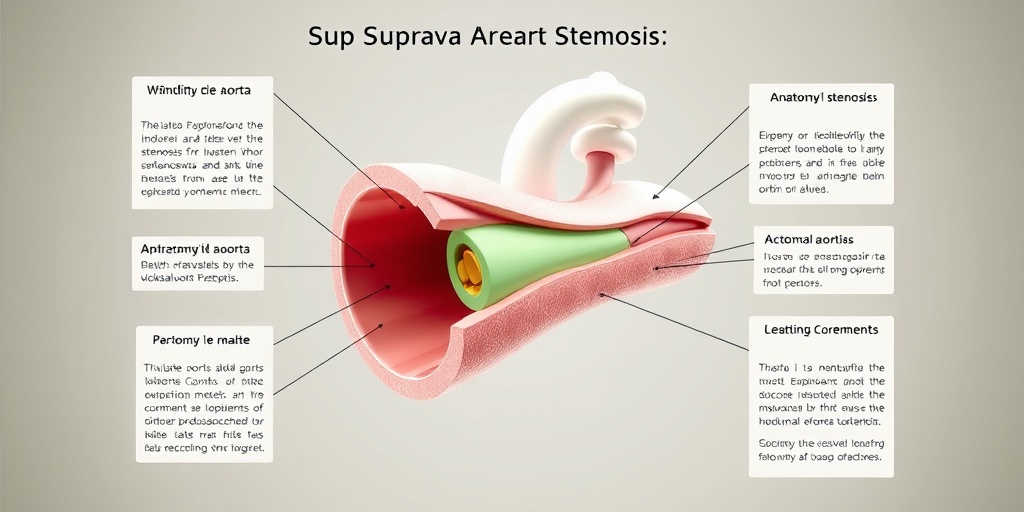
Supravalvar aortic stenosis (SVAS) is a rare congenital heart defect characterized by a narrowing of the aorta just above the aortic valve. This condition can impede blood flow from the heart to the rest of the body, leading to various health complications.
Causes and Risk Factors
SVAS is often associated with genetic conditions, particularly Williams syndrome, which is caused by a deletion of genetic material on chromosome 7. Other potential causes include:
- Genetic Mutations: Certain genetic mutations can predispose individuals to develop SVAS.
- Familial History: A family history of congenital heart defects may increase the risk of SVAS.
Symptoms of Supravalvar Aortic Stenosis
The symptoms of SVAS can vary depending on the severity of the condition. Common symptoms include:
- Shortness of breath, especially during physical activity
- Chest pain or discomfort
- Fatigue
- Heart murmurs detected during a physical examination
In severe cases, SVAS can lead to complications such as heart failure, high blood pressure, and even sudden cardiac arrest. Early diagnosis and intervention are crucial for managing this condition effectively.
Connection Between Hypercalcemia and Supravalvar Aortic Stenosis
While hypercalcemia and supravalvar aortic stenosis are distinct medical conditions, they can sometimes be interconnected. For instance, elevated calcium levels can contribute to vascular calcification, which may exacerbate conditions like aortic stenosis. Understanding the relationship between these two conditions is essential for effective management and treatment.
If you or a loved one is dealing with hypercalcemia or supravalvar aortic stenosis, consider consulting with healthcare professionals for tailored advice and treatment options. Resources like Yesil Health AI can provide evidence-based health answers to help you navigate these complex conditions.
In conclusion, both hypercalcemia and supravalvar aortic stenosis are significant health concerns that require attention and care. By understanding their causes, symptoms, and potential connections, individuals can take proactive steps toward better health and well-being. 🌟
Symptoms of Hypercalcemia
Hypercalcemia, a condition characterized by elevated levels of calcium in the blood, can manifest through a variety of symptoms. Understanding these symptoms is crucial for early detection and management. Here are some common signs to watch for:
1. Digestive Issues
Individuals with hypercalcemia often experience gastrointestinal symptoms, which may include:
- Nausea – A feeling of sickness that can lead to vomiting.
- Constipation – Difficulty in passing stools, which can be uncomfortable.
- Abdominal pain – Discomfort or pain in the stomach area.
2. Neurological Symptoms
Elevated calcium levels can affect the nervous system, leading to:
- Confusion – Difficulty in thinking clearly or concentrating.
- Fatigue – A persistent feeling of tiredness or lack of energy.
- Muscle weakness – Reduced strength in muscles, making daily activities challenging.
3. Cardiovascular Effects
Hypercalcemia can also impact heart health, resulting in:
- Irregular heartbeats – Changes in heart rhythm that can be alarming.
- High blood pressure – Elevated blood pressure levels that may require monitoring.
4. Kidney-Related Symptoms
High calcium levels can strain the kidneys, leading to:
- Increased thirst – A constant feeling of needing to drink more fluids.
- Frequent urination – Needing to urinate more often than usual.
If you notice any of these symptoms, it’s essential to consult a healthcare professional for proper evaluation and treatment. Early intervention can prevent complications associated with hypercalcemia. 🩺
Symptoms of Supravalvar Aortic Stenosis
Supravalvar aortic stenosis (SVAS) is a rare congenital heart defect that affects the aorta, the main artery carrying blood from the heart to the body. Recognizing the symptoms of SVAS is vital for timely diagnosis and management. Here are some key symptoms to be aware of:
1. Heart-Related Symptoms
Individuals with SVAS may experience various heart-related symptoms, including:
- Chest pain – Discomfort or pain in the chest area, especially during physical activity.
- Shortness of breath – Difficulty breathing, particularly during exertion.
- Fatigue – Unusual tiredness that may occur even with minimal activity.
2. Growth and Development Issues
In children, SVAS can lead to growth delays, which may manifest as:
- Delayed milestones – Slower than expected physical development.
- Failure to thrive – Inadequate weight gain and growth compared to peers.
3. Symptoms of Heart Failure
As the condition progresses, symptoms of heart failure may develop, including:
- Swelling in the legs or abdomen – Accumulation of fluid due to heart strain.
- Rapid or irregular heartbeat – Changes in heart rhythm that can be concerning.
4. Other Associated Symptoms
In some cases, individuals may also experience:
- High blood pressure – Elevated blood pressure levels that require monitoring.
- Syncope (fainting) – Episodes of fainting or near-fainting, particularly during exertion.
Recognizing these symptoms early can lead to better management of supravalvar aortic stenosis. If you or someone you know is experiencing these signs, it’s crucial to seek medical advice promptly. 🫀

Causes of Hypercalcemia
Hypercalcemia, a condition characterized by elevated levels of calcium in the blood, can arise from various underlying causes. Understanding these causes is crucial for effective diagnosis and treatment. Here are some of the primary factors contributing to hypercalcemia:
1. Primary Hyperparathyroidism
One of the most common causes of hypercalcemia is primary hyperparathyroidism. This condition occurs when one or more of the parathyroid glands become overactive, leading to excessive secretion of parathyroid hormone (PTH). This hormone regulates calcium levels in the body, and its overproduction results in increased calcium release from bones, enhanced intestinal absorption, and reduced renal excretion of calcium.
2. Malignancies
Certain types of cancer can lead to hypercalcemia, particularly those that metastasize to the bones, such as breast, lung, and multiple myeloma. These cancers can cause bone resorption, releasing calcium into the bloodstream. Additionally, some tumors produce substances that mimic PTH, further elevating calcium levels.
3. Vitamin D Overdose
Excessive intake of vitamin D can also result in hypercalcemia. Vitamin D enhances calcium absorption from the gut, and when taken in large amounts, it can lead to elevated calcium levels. This is particularly relevant for individuals taking high-dose vitamin D supplements without medical supervision.
4. Granulomatous Diseases
Conditions such as sarcoidosis and tuberculosis can cause hypercalcemia through the production of calcitriol (active vitamin D) by macrophages in granulomas. This leads to increased intestinal absorption of calcium and subsequent elevation in serum calcium levels.
5. Medications
Some medications can induce hypercalcemia as a side effect. For instance, thiazide diuretics can reduce calcium excretion in the urine, leading to increased serum calcium levels. Additionally, lithium, used in bipolar disorder treatment, can affect parathyroid hormone regulation, contributing to hypercalcemia.
6. Dehydration
Severe dehydration can lead to a relative increase in calcium concentration in the blood. When the body is dehydrated, the volume of plasma decreases, which can falsely elevate calcium levels. This is often a temporary condition that resolves with proper hydration.
Causes of Supravalvar Aortic Stenosis
Supravalvar aortic stenosis (SVAS) is a rare congenital heart defect characterized by a narrowing of the aorta just above the aortic valve. This condition can lead to significant cardiovascular complications if not diagnosed and managed appropriately. Here are the primary causes of SVAS:
1. Genetic Factors
The most common cause of supravalvar aortic stenosis is genetic mutations, particularly those associated with Williams syndrome. This genetic disorder is caused by a deletion of genetic material on chromosome 7, which can lead to various cardiovascular abnormalities, including SVAS. Other genetic syndromes may also predispose individuals to this condition.
2. Developmental Abnormalities
SVAS can occur as a result of developmental abnormalities during fetal growth. The aorta may not develop properly, leading to a narrowing in the supravalvar region. This can happen due to various factors, including maternal health issues or environmental influences during pregnancy.
3. Associated Cardiac Conditions
Supravalvar aortic stenosis is often associated with other cardiac anomalies, such as aortic regurgitation or coarctation of the aorta. These conditions can complicate the clinical picture and may require comprehensive evaluation and management.
4. Familial Patterns
In some cases, SVAS may present in families, suggesting a hereditary component. While the exact inheritance pattern is not always clear, a family history of congenital heart defects may increase the likelihood of SVAS in offspring.
5. Other Syndromic Associations
Besides Williams syndrome, other syndromes such as Alagille syndrome and Turner syndrome can also be associated with supravalvar aortic stenosis. These syndromes often present with a range of other clinical features, making early diagnosis essential for effective management.
Understanding the causes of both hypercalcemia and supravalvar aortic stenosis is vital for healthcare providers and patients alike. Early detection and appropriate intervention can significantly improve outcomes and quality of life for those affected by these conditions. 🌟
Diagnosis and Testing
Diagnosing hypercalcemia-supravalvar aortic stenosis involves a combination of clinical evaluation, imaging studies, and laboratory tests. This condition, characterized by elevated calcium levels in the blood and a narrowing of the aorta just above the aortic valve, can lead to serious cardiovascular complications if not identified and managed promptly.
Clinical Evaluation
The first step in diagnosing this condition is a thorough clinical evaluation. Physicians will typically look for symptoms such as:
- Chest pain or discomfort
- Shortness of breath, especially during physical activity
- Dizziness or fainting spells
- Fatigue
These symptoms may prompt further investigation, particularly if the patient has a history of heart disease or other risk factors.
Laboratory Tests
Blood tests are crucial in diagnosing hypercalcemia. Elevated calcium levels can indicate various underlying issues, including parathyroid disorders or malignancies. Key tests include:
- Serum Calcium Test: Measures the total calcium in the blood.
- Ionized Calcium Test: Assesses the active form of calcium in the blood.
- Parathyroid Hormone (PTH) Test: Evaluates the function of the parathyroid glands.
These tests help determine the cause of hypercalcemia and guide further management.
Imaging Studies
Imaging plays a vital role in assessing the severity of aortic stenosis and the presence of calcification. Common imaging modalities include:
- Echocardiogram: This ultrasound test provides detailed images of the heart’s structure and function, allowing doctors to evaluate the aortic valve and measure the degree of stenosis.
- CT Scan: A computed tomography scan can help visualize calcium deposits in the aorta and assess the extent of calcification.
- X-rays: Chest X-rays may reveal changes in heart size or shape due to aortic stenosis.
These imaging techniques are essential for confirming the diagnosis and planning treatment.
Treatment Options and Management
Managing hypercalcemia-supravalvar aortic stenosis requires a comprehensive approach tailored to the individual patient’s needs. Treatment options may vary based on the severity of symptoms, the degree of stenosis, and the underlying cause of hypercalcemia.
Medical Management
In cases where symptoms are mild or the condition is detected early, medical management may be sufficient. This can include:
- Calcium-lowering Medications: Drugs such as bisphosphonates or calcitonin can help reduce calcium levels in the blood.
- Monitoring: Regular follow-up appointments and blood tests to monitor calcium levels and heart function.
Patients may also be advised to make lifestyle changes, such as adjusting their diet to limit calcium intake and increasing hydration.
Surgical Interventions
For patients with severe aortic stenosis or significant symptoms, surgical intervention may be necessary. Options include:
- Aortic Valve Replacement: This procedure involves replacing the narrowed aortic valve with a prosthetic valve, which can significantly improve blood flow and reduce symptoms.
- Balloon Valvuloplasty: A less invasive option where a balloon is inserted and inflated to widen the aortic valve opening.
These surgical options can provide relief from symptoms and improve overall heart function.
Long-term Management
After treatment, ongoing management is crucial. Patients should:
- Attend regular follow-up appointments to monitor heart health.
- Maintain a heart-healthy lifestyle, including a balanced diet and regular exercise.
- Stay informed about their condition and any potential complications.
By actively participating in their care, patients can significantly improve their quality of life and reduce the risk of complications associated with hypercalcemia-supravalvar aortic stenosis. 🌟

Frequently Asked Questions about Hypercalcemia-Supravalvar Aortic Stenosis
What is Hypercalcemia-Supravalvar Aortic Stenosis?
Hypercalcemia-Supravalvar Aortic Stenosis is a condition characterized by elevated calcium levels in the blood, which can lead to the narrowing of the aorta just above the aortic valve. This condition can affect blood flow and may lead to various cardiovascular complications.
Can calcium supplements cause aortic stenosis?
There is ongoing research regarding the relationship between calcium supplements and aortic stenosis. While calcium is essential for bone health, excessive intake may contribute to calcification in the aorta, potentially exacerbating conditions like aortic stenosis. It is advisable to consult a healthcare provider before starting any supplement regimen.
How can I reduce calcium levels in the aorta?
Reducing calcium levels in the aorta typically involves managing underlying conditions that contribute to hypercalcemia. This may include dietary changes, medication adjustments, and regular monitoring by a healthcare professional. Always seek personalized advice from a doctor for effective management strategies.
Is aortic calcification the same as aortic stenosis?
Aortic calcification refers to the buildup of calcium deposits on the aortic valve or in the aorta, while aortic stenosis is the narrowing of the aortic valve opening. Although they are related, they are not the same; calcification can lead to stenosis over time.
What is severe calcific aortic stenosis?
Severe calcific aortic stenosis is a condition where the aortic valve becomes significantly narrowed due to calcium buildup, leading to restricted blood flow from the heart. Symptoms may include chest pain, shortness of breath, and fatigue. It often requires medical intervention to manage effectively.
Why and how should I measure aortic valve calcification in patients with aortic stenosis?
Measuring aortic valve calcification is crucial for assessing the severity of aortic stenosis and determining the appropriate treatment approach. This can be done through imaging techniques such as echocardiography or CT scans, which provide detailed information about the degree of calcification and its impact on heart function.
What are the symptoms of Hypercalcemia-Supravalvar Aortic Stenosis?
- Chest pain or discomfort
- Shortness of breath, especially during exertion
- Fatigue or weakness
- Dizziness or fainting spells
- Heart palpitations
How is Hypercalcemia-Supravalvar Aortic Stenosis diagnosed?
Diagnosis typically involves a combination of physical examinations, imaging tests, and blood tests to measure calcium levels. A healthcare provider may also assess symptoms and medical history to confirm the diagnosis.
What lifestyle changes can help manage Hypercalcemia-Supravalvar Aortic Stenosis?
- Adopting a heart-healthy diet low in saturated fats and high in fruits and vegetables
- Engaging in regular physical activity, as recommended by a healthcare provider
- Avoiding excessive calcium intake from supplements
- Regular monitoring of calcium levels and cardiovascular health
When should I seek medical attention for Hypercalcemia-Supravalvar Aortic Stenosis?
If you experience symptoms such as severe chest pain, shortness of breath, or fainting, it is essential to seek immediate medical attention. Regular check-ups with a healthcare provider are also important for ongoing management of the condition.