What Is HLHS?
Hypoplastic Left Heart Syndrome (HLHS) is a complex congenital heart defect that affects normal blood flow through the heart. In individuals with HLHS, the left side of the heart is underdeveloped, which means it cannot effectively pump blood to the body. This condition is critical and requires immediate medical attention, often leading to a series of surgeries or heart transplants to improve the patient’s quality of life.
Understanding the Anatomy of HLHS
To grasp the implications of HLHS, it’s essential to understand the heart’s anatomy. The heart has four chambers: two atria and two ventricles. In a healthy heart, the left side is responsible for pumping oxygen-rich blood to the body, while the right side pumps oxygen-poor blood to the lungs. In HLHS:
- The left ventricle is severely underdeveloped.
- The aorta, which carries blood from the heart to the body, is often small or absent.
- The mitral valve may be absent or malformed.
- The aortic valve may also be underdeveloped.
These anatomical issues lead to significant challenges in circulation, making early diagnosis and intervention crucial for survival.
Causes and Risk Factors
The exact cause of HLHS is not fully understood, but several factors may contribute to its development:
- Genetic Factors: Some studies suggest that genetic mutations may play a role in the development of HLHS.
- Environmental Factors: Exposure to certain medications or substances during pregnancy may increase the risk.
- Maternal Health: Conditions such as diabetes or obesity in the mother may also be linked to congenital heart defects.
While HLHS is rare, understanding these factors can help in early detection and management.
HLHS Symptoms
Recognizing the symptoms of HLHS is vital for timely intervention. Symptoms can vary based on the severity of the condition and the age of the child. Here are some common signs to watch for:
Symptoms in Newborns
In newborns, symptoms of HLHS may include:
- Rapid Breathing: Babies may breathe faster than normal due to inadequate oxygen levels.
- Poor Feeding: Difficulty in feeding or poor weight gain can be a sign of heart issues.
- Blue Tint to Skin: A bluish color, especially around the lips and fingertips, indicates low oxygen levels.
- Cold Hands and Feet: Extremities may feel cold to the touch, suggesting poor circulation.
Symptoms in Older Children
As children grow, symptoms may evolve. Older children with HLHS might experience:
- Fatigue: Increased tiredness during physical activities.
- Shortness of Breath: Difficulty breathing during exertion.
- Frequent Respiratory Infections: A higher incidence of lung infections due to compromised circulation.
When to Seek Medical Attention
If you notice any of these symptoms in your child, it is crucial to seek medical attention immediately. Early diagnosis and treatment can significantly improve outcomes for children with HLHS.
For parents navigating the complexities of HLHS, resources like Yesil Health AI (yesilhealth.com) can provide evidence-based answers and support. Understanding HLHS and its implications can empower families to make informed decisions about their child’s health.
In conclusion, HLHS is a serious condition that requires prompt medical intervention. By recognizing the symptoms and understanding the nature of this congenital heart defect, parents can advocate for their children and seek the necessary care to improve their quality of life. 💖
HLHS Causes
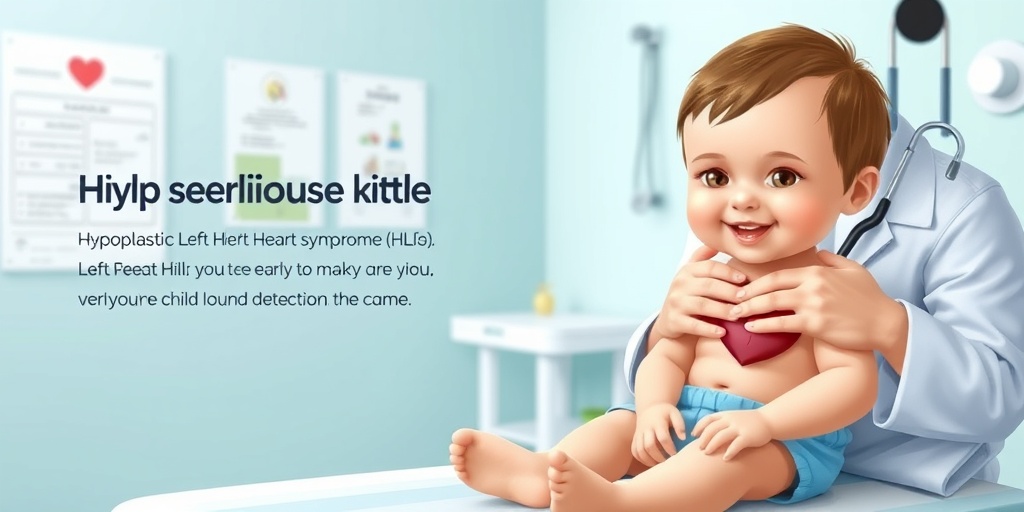
Hypoplastic Left Heart Syndrome (HLHS) is a complex congenital heart defect that affects normal blood flow through the heart. Understanding the causes of HLHS is crucial for parents and caregivers, especially when navigating the challenges associated with this condition. While the exact cause of HLHS remains largely unknown, several factors may contribute to its development.
Genetic Factors
Research indicates that genetics may play a significant role in the occurrence of HLHS. Some children with HLHS have been found to have genetic abnormalities or syndromes that can increase the risk of congenital heart defects. For instance, conditions such as Turner syndrome and Down syndrome have been associated with HLHS. However, it’s important to note that most cases of HLHS occur in children without any identifiable genetic syndrome.
Environmental Influences
Environmental factors during pregnancy may also contribute to the risk of HLHS. Some studies suggest that exposure to certain medications, drugs, or toxins can increase the likelihood of congenital heart defects. Additionally, maternal health conditions, such as diabetes or obesity, may also play a role in the development of HLHS. Pregnant women are encouraged to maintain a healthy lifestyle and consult with their healthcare providers about any potential risks.
Family History
Having a family history of congenital heart defects can increase the risk of HLHS. If a parent or sibling has a heart defect, the likelihood of another child being born with a similar condition may be higher. Genetic counseling can be beneficial for families with a history of heart defects, providing insights into the risks and implications for future pregnancies.
Other Potential Causes
While the above factors are associated with HLHS, it’s essential to understand that many cases occur without any known cause. The interplay of genetic and environmental factors is complex, and ongoing research aims to uncover more about the origins of HLHS. Parents should remain informed and proactive in seeking medical advice and support.
HLHS Diagnosis
Diagnosing Hypoplastic Left Heart Syndrome (HLHS) typically involves a series of evaluations and tests, often beginning during pregnancy and continuing after birth. Early diagnosis is crucial for effective management and treatment of this serious condition.
Prenatal Diagnosis
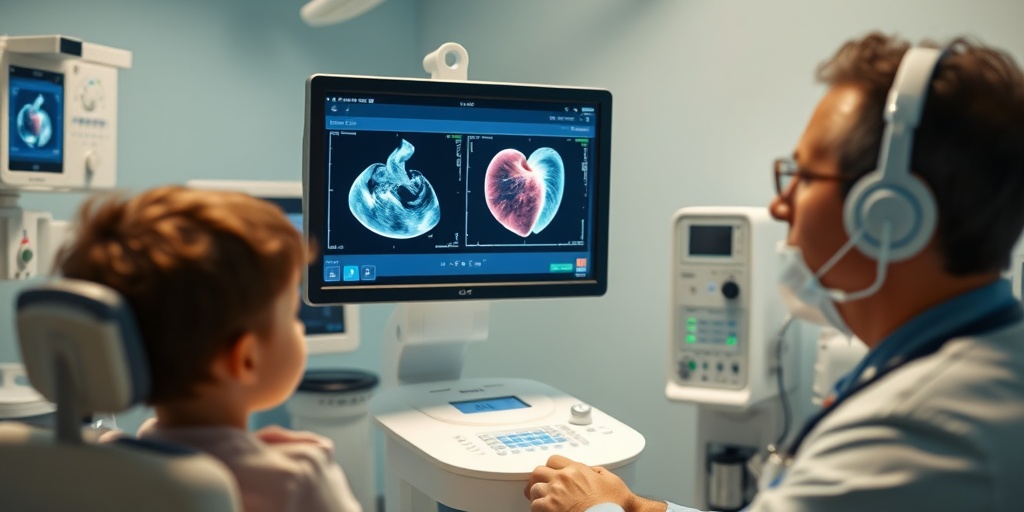
HLHS can sometimes be detected during routine prenatal ultrasounds. Healthcare providers may notice abnormalities in the fetal heart structure, prompting further investigation. If HLHS is suspected, additional imaging techniques, such as a fetal echocardiogram, may be performed to confirm the diagnosis. This specialized ultrasound provides detailed images of the heart and can help assess its structure and function.
Postnatal Diagnosis
If HLHS is not diagnosed prenatally, it may be identified shortly after birth. Symptoms such as difficulty breathing, a bluish tint to the skin (cyanosis), and poor feeding can indicate a heart defect. In such cases, healthcare providers will conduct a thorough physical examination and may order diagnostic tests, including:
- Echocardiogram: This ultrasound test uses sound waves to create images of the heart, allowing doctors to visualize its structure and blood flow.
- X-rays: Chest X-rays can help assess the size and shape of the heart and lungs.
- Electrocardiogram (ECG): This test measures the electrical activity of the heart and can identify any irregularities.
- Cardiac Catheterization: In some cases, a catheter may be inserted into a blood vessel to gather more detailed information about the heart’s function and blood flow.
Importance of Early Diagnosis
Early diagnosis of HLHS is vital for planning appropriate treatment strategies. The condition typically requires a series of surgeries to improve blood flow and function of the heart. The first surgery often occurs within the first week of life, followed by additional procedures in the first few years. With timely intervention, many children with HLHS can lead fulfilling lives, although they may require ongoing medical care and monitoring.
In conclusion, understanding the causes and diagnosis of HLHS is essential for families affected by this condition. By staying informed and working closely with healthcare providers, parents can navigate the complexities of HLHS and ensure their child receives the best possible care. 💖
HLHS Treatment Options
Hypoplastic Left Heart Syndrome (HLHS) is a complex congenital heart defect that affects normal blood flow through the heart. It is characterized by the underdevelopment of the left side of the heart, which can lead to serious health complications if not treated promptly. Fortunately, there are several treatment options available for managing HLHS, each tailored to the individual needs of the patient.
Initial Management and Supportive Care
Immediately after diagnosis, the focus is on stabilizing the infant’s condition. This may involve:
- Medications: Infants with HLHS often require medications to help maintain blood flow and manage heart function. Common medications include prostaglandins, which keep the ductus arteriosus open, allowing blood to flow to the lungs.
- Nutritional Support: Babies with HLHS may struggle to gain weight due to their condition. Nutritional support, including high-calorie formulas, is essential for their growth and development.
- Monitoring: Continuous monitoring in a neonatal intensive care unit (NICU) is crucial to assess the baby’s heart function and overall health.
Surgical Interventions
Surgical treatment is often necessary for infants diagnosed with HLHS. The primary goal of surgery is to create a functional heart that can effectively pump blood throughout the body. The most common surgical procedures include:
- Norwood Procedure: This is typically the first surgery performed within the first week of life. It involves reconstructing the heart to allow the right ventricle to take over the role of the left ventricle. This procedure also includes creating a connection between the aorta and the pulmonary artery.
- Glenn Procedure: Usually performed between 4 to 6 months of age, this surgery diverts blood from the upper body directly to the lungs, reducing the workload on the heart.
- Fontan Procedure: This final surgery is typically done between 18 months to 4 years of age. It connects the lower body veins directly to the pulmonary artery, allowing blood to flow to the lungs without passing through the heart.
Long-term Management and Follow-up Care
After surgical interventions, ongoing care is essential for children with HLHS. Regular follow-ups with a pediatric cardiologist are necessary to monitor heart function and overall health. This may include:
- Cardiac Imaging: Echocardiograms and other imaging tests help assess the heart’s structure and function over time.
- Exercise and Activity Guidelines: Children with HLHS may have specific activity restrictions to prevent overexertion and ensure their heart remains healthy.
- Psychosocial Support: Families may benefit from counseling and support groups to navigate the emotional and psychological challenges associated with HLHS.
HLHS Surgical Procedures
Surgical procedures for HLHS are critical in managing this complex condition. Each surgery is designed to improve blood flow and heart function, ultimately enhancing the quality of life for the child. Here’s a closer look at the key surgical interventions:
Norwood Procedure
The Norwood procedure is the first of three surgeries required for HLHS patients. This surgery is performed shortly after birth and involves:
- Reconstructing the Aorta: The surgeon creates a new aorta from the right ventricle, allowing it to pump blood to the body.
- Creating a Shunt: A shunt is placed to ensure adequate blood flow to the lungs, which is crucial for oxygenation.
Glenn Procedure
Following the Norwood procedure, the Glenn procedure is typically performed when the child is between 4 to 6 months old. This surgery involves:
- Diverting Blood Flow: Blood from the upper body is redirected to the lungs, reducing the workload on the heart.
- Improving Oxygenation: This procedure enhances oxygen delivery to the body, which is vital for growth and development.
Fontan Procedure
The final stage of surgical intervention is the Fontan procedure, usually performed between 18 months and 4 years of age. This surgery includes:
- Connecting the Veins: The veins from the lower body are connected directly to the pulmonary artery, allowing blood to flow to the lungs without passing through the heart.
- Long-term Functionality: This procedure aims to create a stable and functional circulation system, enabling the child to lead a more active life.
In conclusion, while HLHS presents significant challenges, advancements in surgical techniques and ongoing medical care have greatly improved outcomes for affected children. With proper treatment and support, many children with HLHS can thrive and lead fulfilling lives. 🌟

HLHS Long-Term Care
Hypoplastic Left Heart Syndrome (HLHS) is a complex congenital heart defect that requires ongoing medical attention and support throughout a patient’s life. Understanding the long-term care needs of individuals with HLHS is crucial for ensuring their health and well-being. This article will explore the various aspects of long-term care for those living with HLHS.
Understanding HLHS
HLHS is characterized by the underdevelopment of the left side of the heart, which affects normal blood flow. This condition typically requires a series of surgeries in infancy and early childhood to improve heart function. However, the journey doesn’t end there; long-term care is essential for managing the ongoing challenges associated with HLHS.
Medical Follow-Up and Monitoring
Regular medical follow-ups are vital for individuals with HLHS. These appointments often include:
- Cardiology evaluations: Frequent check-ups with a pediatric cardiologist or adult congenital heart disease specialist to monitor heart function.
- Imaging tests: Echocardiograms, MRIs, or CT scans may be necessary to assess heart structure and function.
- Blood tests: Routine blood work to check for any complications or side effects from medications.
These evaluations help in early detection of potential complications, allowing for timely interventions.
Medications and Treatment Plans
Individuals with HLHS often require medications to manage heart function and prevent complications. Common medications may include:
- Diuretics: To help reduce fluid buildup.
- ACE inhibitors: To improve heart function.
- Anticoagulants: To prevent blood clots.
It’s essential for caregivers and patients to understand the medication regimen and adhere to prescribed treatments to maintain optimal health.
Nutrition and Lifestyle Considerations
Nutrition plays a significant role in the long-term care of individuals with HLHS. A balanced diet can help support overall health and heart function. Here are some tips:
- Heart-healthy foods: Incorporate fruits, vegetables, whole grains, and lean proteins.
- Limit sodium intake: Reducing salt can help manage blood pressure and fluid retention.
- Stay hydrated: Proper hydration is essential for overall health.
Additionally, maintaining a healthy lifestyle that includes regular physical activity, as advised by healthcare providers, can significantly benefit heart health.
Emotional and Psychological Support
Living with HLHS can be emotionally challenging for both patients and their families. It’s important to address mental health needs through:
- Counseling: Professional support can help individuals cope with the emotional aspects of living with a chronic condition.
- Support groups: Connecting with others facing similar challenges can provide comfort and understanding.
Encouraging open communication about feelings and concerns can foster a supportive environment for patients and their families.
HLHS Support Resources
Finding the right support resources is crucial for families and individuals affected by HLHS. Here are some valuable resources that can provide assistance and information:
Medical Organizations and Foundations
Several organizations focus on congenital heart defects and can offer support, education, and advocacy:
- The American Heart Association: Provides resources on heart health and congenital heart defects.
- Children’s Heart Foundation: Focuses on funding research and providing support for families affected by congenital heart disease.
- HLHS Consortium: A dedicated group that offers information specifically about HLHS and connects families with healthcare professionals.
Online Communities and Forums
Online platforms can be a great way to connect with others who understand the challenges of HLHS:
- Facebook Groups: Many groups exist where families share experiences, advice, and support.
- Reddit: Subreddits related to congenital heart defects can provide a space for discussion and sharing resources.
Local Support Groups
Many hospitals and community organizations offer local support groups for families dealing with HLHS. These groups can provide:
- In-person meetings: Opportunities to connect with others in similar situations.
- Workshops: Educational sessions on managing HLHS and improving quality of life.
Finding a local support group can be an invaluable resource for emotional support and practical advice.
In conclusion, long-term care for individuals with HLHS involves a comprehensive approach that includes medical follow-up, lifestyle management, emotional support, and access to resources. By utilizing available support systems, families can navigate the complexities of HLHS more effectively, ensuring a better quality of life for their loved ones. 💖

Frequently Asked Questions about HLHS
What is HLHS?
HLHS, or Hypoplastic Left Heart Syndrome, is a congenital heart defect that affects normal blood flow through the heart. In this condition, the left side of the heart is underdeveloped, which can lead to serious health complications if not treated.
What are the symptoms of HLHS in babies?
Babies with HLHS may exhibit several symptoms, including:
- Pale or bluish skin color (cyanosis)
- Rapid breathing or difficulty breathing
- Poor feeding or lethargy
- Cold hands and feet
How is HLHS diagnosed?
Diagnosis of HLHS typically occurs through a combination of prenatal ultrasounds and postnatal evaluations. Doctors may use echocardiograms to visualize the heart’s structure and assess its function.
What are the treatment options for HLHS?
Treatment for HLHS usually involves a series of surgeries to reconstruct the heart’s anatomy. The most common surgical approach includes:
- The Norwood procedure
- The Glenn procedure
- The Fontan procedure
These surgeries are performed in stages, often starting shortly after birth.
What is the life expectancy for children with HLHS?
With advancements in medical care, many children with HLHS can live into adulthood. However, life expectancy can vary based on individual health factors and the success of surgical interventions. Regular follow-up care is essential for managing long-term health.
Can HLHS be prevented?
Currently, there is no known way to prevent HLHS, as it is a congenital condition. However, maintaining a healthy lifestyle during pregnancy and attending regular prenatal check-ups can help monitor the baby’s development.
What support is available for families affected by HLHS?
Families dealing with HLHS can find support through various organizations and support groups. These resources can provide emotional support, information, and connections to other families facing similar challenges. 🌟
Are there any long-term complications associated with HLHS?
Yes, children with HLHS may face long-term complications, including:
- Heart rhythm problems
- Heart failure
- Growth and developmental delays
Regular medical follow-ups are crucial to monitor and manage these potential issues.