What Is HHT?
Hereditary Hemorrhagic Telangiectasia (HHT), also known as Osler-Weber-Rendu syndrome, is a genetic disorder that affects blood vessels. This condition leads to abnormal blood vessel formation, resulting in a range of symptoms that can significantly impact a person’s quality of life. HHT is inherited in an autosomal dominant pattern, meaning that only one copy of the mutated gene from an affected parent can cause the disorder in their offspring.
Individuals with HHT often experience a variety of vascular malformations, particularly in the skin, mucous membranes, and internal organs. These malformations can lead to bleeding episodes, which are one of the hallmark symptoms of the condition. Understanding HHT is crucial for early diagnosis and management, as it can help prevent complications associated with the disease.
Causes of HHT
The primary cause of HHT is mutations in specific genes that are responsible for blood vessel formation. The most common genes associated with HHT are:
- ENG (Endoglin)
- ACVRL1 (Activin A receptor type II-like kinase 1)
- SMAD4 (SMAD family member 4)
These genetic mutations disrupt the normal development and maintenance of blood vessels, leading to the formation of abnormal connections between arteries and veins, known as arteriovenous malformations (AVMs).
Diagnosis of HHT
Diagnosing HHT can be challenging due to its variable presentation. Healthcare providers typically rely on a combination of clinical evaluation, family history, and specific diagnostic criteria known as the Curaçao criteria. These criteria include:
- Recurrent nosebleeds
- Multiple telangiectasias (small red spots) on the skin or mucous membranes
- Visceral lesions (AVMs) in organs such as the lungs, liver, or brain
- A family history of HHT
If you suspect you or a family member may have HHT, it’s essential to consult a healthcare professional for a thorough evaluation.
HHT Symptoms
The symptoms of HHT can vary widely among individuals, and some may experience mild symptoms while others may face more severe complications. Here are some of the most common symptoms associated with HHT:
1. Nosebleeds
One of the most prevalent symptoms of HHT is recurrent nosebleeds, which can occur spontaneously and may be frequent and severe. These nosebleeds are often caused by the presence of telangiectasias in the nasal mucosa, leading to fragile blood vessels that easily rupture.
2. Telangiectasias
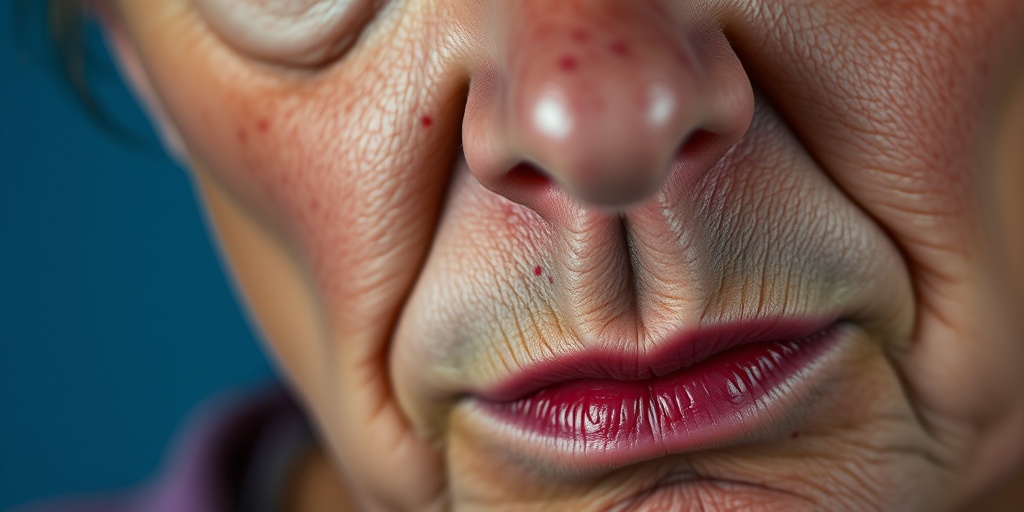
Telangiectasias are small, dilated blood vessels that appear as red or purple spots on the skin or mucous membranes. They are commonly found on the face, lips, tongue, and fingers. While they are usually harmless, they can bleed easily, especially if injured.
3. Gastrointestinal Bleeding
Individuals with HHT may also experience gastrointestinal bleeding due to AVMs in the digestive tract. Symptoms can include blood in the stool, black or tarry stools, and abdominal pain. This type of bleeding can be serious and requires immediate medical attention.
4. Pulmonary Complications
HHT can lead to pulmonary AVMs, which are abnormal connections between arteries and veins in the lungs. These can cause symptoms such as shortness of breath, fatigue, and even stroke-like symptoms if blood clots travel to the brain. Regular monitoring and management are essential for individuals with pulmonary AVMs.
5. Other Symptoms
In addition to the symptoms mentioned above, individuals with HHT may experience:
- Fatigue
- Joint pain
- Skin changes
Recognizing these symptoms early can lead to timely interventions and better management of the condition. If you or someone you know is experiencing these symptoms, it’s crucial to seek medical advice.
For more information on HHT and its management, consider visiting Yesil Health AI, a valuable resource for evidence-based health answers. Understanding HHT can empower individuals and families to navigate this condition more effectively.
In conclusion, HHT is a complex genetic disorder that requires awareness and understanding. By recognizing the symptoms and seeking appropriate care, individuals with HHT can lead fulfilling lives while managing their health effectively. 🌟
HHT Causes
Hereditary Hemorrhagic Telangiectasia (HHT) is a genetic disorder that affects blood vessels, leading to abnormal connections between arteries and veins. Understanding the causes of HHT is crucial for early diagnosis and management. Let’s delve into the primary factors contributing to this condition.
Genetic Factors
The primary cause of HHT is genetic mutations. This condition is typically inherited in an autosomal dominant manner, meaning that only one copy of the mutated gene from an affected parent can cause the disorder in their offspring. The most common genes associated with HHT are:
- ENG (Endoglin) – Located on chromosome 9, mutations in this gene are linked to HHT type 1.
- ACVRL1 (Activin A receptor type II-like 1) – Found on chromosome 12, mutations here are associated with HHT type 2.
- SMAD4 – Involved in the signaling pathways that regulate blood vessel formation, mutations can lead to a more severe form of HHT.
These genetic mutations disrupt normal blood vessel formation, leading to the development of telangiectasias (small, dilated blood vessels) and arteriovenous malformations (AVMs), which can cause bleeding and other complications.
Environmental Factors
While HHT is primarily genetic, certain environmental factors may influence the severity of symptoms or the onset of complications. For instance, factors such as:
- Smoking – Can exacerbate symptoms and increase the risk of bleeding.
- High Altitude – Some patients report worsened symptoms at higher elevations due to lower oxygen levels.
- Hormonal Changes – Pregnancy and hormonal therapies may trigger or worsen bleeding episodes in some women with HHT.
Understanding these factors can help individuals manage their condition more effectively and minimize complications.
HHT Diagnosis
Diagnosing HHT can be challenging due to its variable presentation and overlap with other conditions. However, early diagnosis is essential for effective management and treatment. Here’s how healthcare professionals typically approach the diagnosis of HHT.
Clinical Evaluation
The first step in diagnosing HHT involves a thorough clinical evaluation. Physicians will look for key symptoms, which may include:
- Recurrent Nosebleeds – Frequent and spontaneous nosebleeds are one of the hallmark symptoms of HHT.
- Skin Lesions – The presence of telangiectasias, particularly on the lips, tongue, and fingers, can indicate HHT.
- Gastrointestinal Bleeding – Patients may experience bleeding in the digestive tract, which can lead to anemia.
- Respiratory Issues – AVMs in the lungs can cause shortness of breath and other respiratory problems.
During the evaluation, a detailed family history is also crucial, as HHT is hereditary. If multiple family members have experienced similar symptoms, this can strengthen the suspicion of HHT.
Genetic Testing
If HHT is suspected based on clinical evaluation, genetic testing can confirm the diagnosis. Testing for mutations in the ENG, ACVRL1, and SMAD4 genes can provide definitive evidence of HHT. Genetic counseling is often recommended for patients and their families to understand the implications of the diagnosis.
Imaging Studies
In addition to genetic testing, imaging studies may be employed to assess the presence of AVMs and other vascular abnormalities. Common imaging techniques include:
- Ultrasound – Useful for detecting AVMs in the liver.
- CT Scans – Can identify pulmonary AVMs and other vascular malformations.
- MRI – Often used to evaluate brain AVMs and other complications.
These imaging studies help in planning appropriate treatment and monitoring for potential complications associated with HHT.

HHT Treatment Options
Hereditary Hemorrhagic Telangiectasia (HHT) is a genetic disorder that affects blood vessels, leading to abnormal connections between arteries and veins. This condition can result in various symptoms, including nosebleeds, gastrointestinal bleeding, and anemia. Fortunately, there are several treatment options available to manage HHT effectively.
1. Medical Management
For many patients, medical management is the first line of defense against HHT symptoms. This may include:
- Iron Supplements: To combat anemia caused by frequent bleeding.
- Hormonal Therapies: Such as estrogen or progesterone, which can help reduce the frequency of nosebleeds.
- Antifibrinolytics: Medications like tranexamic acid can help reduce bleeding episodes.
2. Minimally Invasive Procedures
In cases where medical management is insufficient, minimally invasive procedures may be recommended. These include:
- Endovascular Embolization: A procedure that involves blocking the abnormal blood vessels to reduce bleeding.
- Laser Therapy: This can be used to treat telangiectasias (small dilated blood vessels) on the skin or mucous membranes.
3. Surgical Interventions
For more severe cases of HHT, surgical interventions may be necessary. These can include:
- Resection of Affected Organs: In cases of significant gastrointestinal bleeding, surgery may be required to remove the affected portion of the intestine.
- Transplantation: In extreme cases, organ transplantation may be considered, particularly for liver involvement.
4. Genetic Counseling
Since HHT is a genetic disorder, genetic counseling is an essential aspect of treatment. This can help families understand the risks of passing the condition to future generations and provide support for affected individuals.
HHT Complications
While HHT can be managed effectively, it is crucial to be aware of potential complications that may arise from the condition. Understanding these complications can help patients and healthcare providers take proactive measures to mitigate risks.
1. Anemia
One of the most common complications of HHT is anemia, often resulting from chronic blood loss due to frequent nosebleeds or gastrointestinal bleeding. Symptoms of anemia can include fatigue, weakness, and shortness of breath. Regular monitoring of hemoglobin levels is essential for managing this complication.
2. Pulmonary Arteriovenous Malformations (PAVMs)
PAVMs are abnormal connections between arteries and veins in the lungs, which can lead to serious complications such as:
- Hypoxemia: Reduced oxygen levels in the blood, which can cause fatigue and shortness of breath.
- Stroke: Blood clots can bypass the lungs and travel to the brain, increasing the risk of stroke.
3. Gastrointestinal Bleeding
Patients with HHT may experience gastrointestinal bleeding due to telangiectasias in the digestive tract. This can lead to significant blood loss and anemia, requiring careful monitoring and potential interventions.
4. Pregnancy Complications
Pregnancy can pose unique challenges for women with HHT. Increased blood volume and hormonal changes can exacerbate symptoms. It is crucial for pregnant women with HHT to work closely with their healthcare providers to manage their condition effectively throughout pregnancy.
5. Psychological Impact
The chronic nature of HHT and its associated symptoms can lead to a significant psychological impact on patients. Anxiety and depression are common among individuals dealing with the challenges of this condition. Support groups and counseling can be beneficial in addressing these mental health concerns.
In conclusion, while HHT presents various challenges, understanding the treatment options and potential complications can empower patients to manage their condition effectively. Regular follow-ups with healthcare providers and a proactive approach to treatment can significantly improve the quality of life for those affected by HHT. 🌟

HHT Management Strategies
Hereditary Hemorrhagic Telangiectasia (HHT) is a genetic disorder that affects blood vessel formation, leading to abnormal blood vessels that can cause bleeding. Managing HHT effectively requires a comprehensive approach that includes medical treatment, lifestyle adjustments, and regular monitoring. Here are some key strategies for managing HHT:
1. Regular Medical Check-ups
Routine check-ups with a healthcare provider who specializes in HHT are crucial. These visits can help monitor the condition and catch any complications early. Regular screenings for pulmonary arteriovenous malformations (AVMs) and gastrointestinal bleeding are essential components of ongoing care.
2. Medication Management
Depending on the severity of symptoms, medications may be prescribed to manage bleeding episodes or to treat anemia caused by blood loss. Common medications include:
- Iron supplements to combat anemia.
- Hormonal therapies to reduce bleeding.
- Antibiotics to prevent infections, especially before surgical procedures.
3. Lifestyle Modifications
Making certain lifestyle changes can significantly improve the quality of life for individuals with HHT. Consider the following:
- Stay Hydrated: Drinking plenty of fluids can help maintain blood volume.
- Avoid High-Altitude Activities: High altitudes can exacerbate symptoms, especially for those with pulmonary AVMs.
- Limit Strenuous Activities: Activities that increase blood pressure may lead to bleeding episodes.
4. Surgical Interventions
In some cases, surgical procedures may be necessary to treat severe symptoms or complications. Options include:
- Embolization: A minimally invasive procedure to block blood flow to problematic blood vessels.
- Laser Therapy: Used to treat skin lesions associated with HHT.
- Transplantation: In extreme cases, organ transplantation may be considered.
5. Genetic Counseling
Since HHT is a genetic disorder, genetic counseling can provide valuable information for affected individuals and their families. Understanding the inheritance pattern can help in making informed decisions about family planning and management strategies.
HHT Support and Resources
Living with HHT can be challenging, but numerous resources and support systems are available to help individuals and families navigate this condition. Here are some valuable resources:
1. HHT Organizations
Several organizations focus on HHT awareness, research, and support. These include:
- The HHT Foundation International: Provides education, resources, and support for patients and families.
- HHT UK: Offers information and support specifically for those in the United Kingdom.
2. Online Support Groups
Connecting with others who have HHT can be incredibly beneficial. Online support groups and forums allow individuals to share experiences, tips, and emotional support. Websites like Reddit and Facebook have dedicated groups for HHT patients.
3. Educational Resources
Staying informed about HHT is crucial for effective management. Consider the following resources:
- Webinars and Workshops: Many organizations offer educational sessions on managing HHT.
- Informational Brochures: Available through healthcare providers and HHT organizations, these materials can provide quick reference guides.
4. Counseling Services
Living with a chronic condition can take a toll on mental health. Seeking support from a mental health professional can help individuals cope with the emotional aspects of HHT. Many organizations can connect patients with counselors who understand the unique challenges of living with HHT.
5. Research and Clinical Trials
Participating in research studies or clinical trials can provide access to new treatments and contribute to the understanding of HHT. Check with local hospitals or HHT organizations for information on ongoing studies.
By utilizing these management strategies and support resources, individuals with HHT can lead fulfilling lives while effectively managing their condition. Remember, you are not alone in this journey! 💪❤️

Frequently Asked Questions about HHT
What is HHT?
HHT, or Hereditary Hemorrhagic Telangiectasia, is a genetic disorder that leads to abnormal blood vessel formation. This condition can cause various symptoms, including frequent nosebleeds and other bleeding issues.
What are the symptoms of HHT?
- Frequent nosebleeds
- Red or purple spots on the skin
- Bleeding in the gastrointestinal tract
- Shortness of breath due to arteriovenous malformations (AVMs)
How is HHT diagnosed?
Diagnosis of HHT typically involves a combination of family history assessment, physical examination, and imaging tests to identify vascular malformations. Genetic testing may also be conducted to confirm the diagnosis.
What treatments are available for HHT?
While there is no cure for HHT, treatments focus on managing symptoms and complications. Options may include:
- Laser therapy for skin lesions
- Medications to manage bleeding
- Surgical interventions for AVMs
Can HHT be inherited?
Yes, HHT is an inherited condition, typically passed down in an autosomal dominant manner. This means that a person only needs one copy of the mutated gene from an affected parent to inherit the disorder.
Is there a support network for individuals with HHT?
Yes! There are various support groups and organizations dedicated to helping individuals and families affected by HHT. These groups provide resources, information, and community support.
Where can I find more information about HHT?
For more detailed information about HHT, you can visit reputable medical websites, consult healthcare professionals, or check out dedicated organizations that focus on this condition.