What Is Henoch-Schönlein Purpura (HSP)?
Henoch-Schönlein Purpura (HSP) is a form of small-vessel vasculitis, which means it involves inflammation of the small blood vessels. This condition primarily affects children but can also occur in adults. HSP is characterized by a distinctive rash, abdominal pain, joint pain, and kidney involvement. The exact cause of HSP is not fully understood, but it is often preceded by an upper respiratory infection, suggesting a possible immune response triggered by infections.
HSP is also known as IgA vasculitis, as it is associated with elevated levels of immunoglobulin A (IgA) in the blood. This condition is generally self-limiting, meaning it often resolves on its own without the need for extensive medical intervention. However, understanding HSP is crucial for early diagnosis and management to prevent complications.
How Does HSP Develop?
The development of HSP involves an abnormal immune response that leads to inflammation in the blood vessels. This inflammation can cause the blood vessels to leak, resulting in the characteristic symptoms of the condition. While the exact trigger remains unclear, factors such as infections, medications, and certain foods may play a role in its onset.
Who Is Affected by HSP?
HSP can affect individuals of any age, but it is most commonly seen in children aged 2 to 6 years. Boys are more frequently affected than girls. In adults, HSP is less common but can still occur, often presenting with similar symptoms. Understanding the demographics of HSP can help in recognizing and diagnosing the condition early.
HSP Symptoms
The symptoms of Henoch-Schönlein Purpura can vary from person to person, but they typically include:
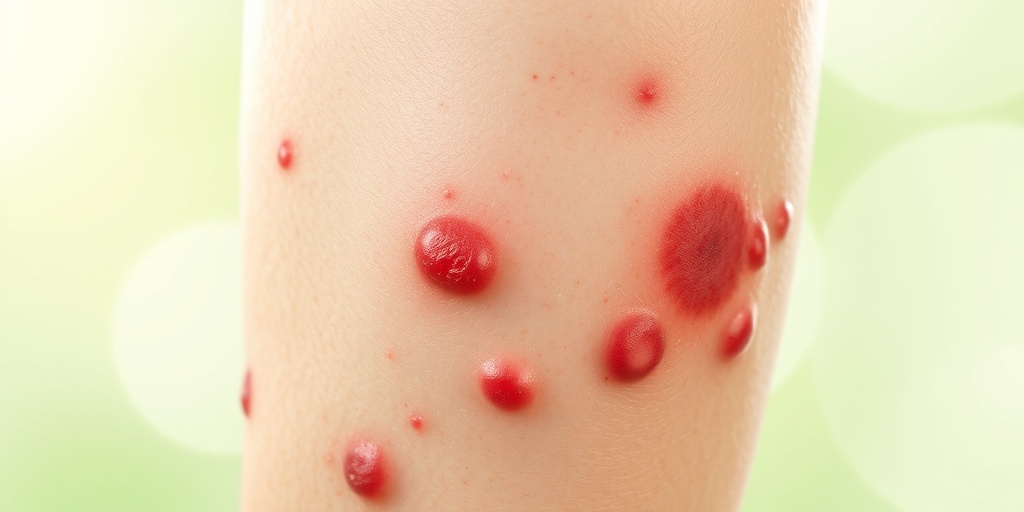
- Rash: The most recognizable symptom of HSP is a purplish rash, often appearing on the buttocks, legs, and feet. This rash is caused by bleeding under the skin and may resemble bruises.
- Joint Pain: Many individuals with HSP experience joint pain or swelling, particularly in the knees and ankles. This can be quite painful and may limit mobility.
- Abdominal Pain: Abdominal pain is common and can be severe. It may be accompanied by nausea, vomiting, or diarrhea.
- Kidney Involvement: In some cases, HSP can affect the kidneys, leading to symptoms such as blood in the urine or swelling in the legs and feet due to fluid retention.
Recognizing the Symptoms
Recognizing the symptoms of HSP is essential for timely diagnosis and treatment. If you or your child experience any of the symptoms mentioned above, it is important to consult a healthcare professional. Early intervention can help manage symptoms and prevent complications.
When to Seek Medical Attention
If you notice a rash accompanied by joint pain, abdominal discomfort, or any signs of kidney involvement, it is crucial to seek medical attention promptly. While HSP often resolves on its own, some cases may require treatment to manage symptoms and prevent complications.
For more information on Henoch-Schönlein Purpura (HSP) and its management, consider visiting Yesil Health AI, a valuable resource for evidence-based health answers. Understanding your health condition is the first step toward effective management and recovery.
In conclusion, Henoch-Schönlein Purpura (HSP) is a manageable condition with a range of symptoms that can significantly impact quality of life. By being aware of the signs and seeking timely medical advice, individuals can navigate this condition more effectively. 🌟
HSP Causes
Henoch-Schonlein Purpura (HSP) is a form of small-vessel vasculitis that primarily affects children but can also occur in adults. Understanding the causes of HSP is crucial for effective management and treatment. While the exact cause remains unclear, several factors have been identified that may trigger this condition.
Immune System Response
One of the primary theories regarding the cause of HSP is an abnormal immune response. This condition often follows an upper respiratory infection, suggesting that the body’s immune system may react excessively to infections, leading to inflammation of the blood vessels. This inflammation can result in the characteristic symptoms of HSP, such as a rash, joint pain, and abdominal discomfort.
Genetic Factors
Genetics may also play a role in the development of HSP. Some studies indicate that individuals with a family history of autoimmune diseases or vasculitis may be more susceptible to HSP. While specific genes have not been definitively linked to HSP, a genetic predisposition could contribute to the likelihood of developing this condition.
Environmental Triggers
Environmental factors, such as exposure to certain medications, infections, or allergens, can also trigger HSP. Common infections that have been associated with HSP include:
- Streptococcal infections
- Viral infections (e.g., Epstein-Barr virus)
- Other respiratory infections
In some cases, vaccinations or medications may also provoke an immune response that leads to HSP. However, these instances are relatively rare.
Other Potential Causes
While the above factors are the most commonly discussed, other potential causes of HSP include:
- Food allergies
- Insect bites
- Exposure to certain chemicals
It’s essential to note that while these factors may contribute to the onset of HSP, they do not guarantee that an individual will develop the condition.
HSP Risk Factors
Identifying the risk factors for Henoch-Schonlein Purpura (HSP) can help in early detection and management of the condition. While anyone can develop HSP, certain groups are more susceptible.
Age and Gender
HSP is most commonly diagnosed in children, particularly those between the ages of 2 and 6. However, it can also occur in older children and adults. Interestingly, boys are more likely to develop HSP than girls, with a ratio of approximately 2:1.
Recent Infections
As mentioned earlier, HSP often follows a respiratory infection. Children who have recently experienced infections, especially those caused by streptococcus or viral pathogens, are at a higher risk of developing HSP. This correlation highlights the importance of monitoring children for symptoms of HSP after they have been ill.
Family History
A family history of autoimmune diseases or vasculitis can increase the risk of HSP. If a close relative has experienced HSP or similar conditions, it may indicate a genetic predisposition that could make an individual more susceptible to developing the disorder.
Environmental Exposures
Exposure to certain environmental factors, such as allergens or chemicals, may also elevate the risk of HSP. For instance, children who have allergies or asthma may be more prone to developing HSP, particularly if they are exposed to triggers that provoke their conditions.
Underlying Health Conditions
Individuals with pre-existing health conditions, such as autoimmune disorders or chronic infections, may also be at a higher risk for HSP. These underlying issues can compromise the immune system, making it more likely for the body to react adversely to infections or other triggers.
In summary, while the exact causes of Henoch-Schonlein Purpura (HSP) remain somewhat elusive, understanding the potential triggers and risk factors can aid in early recognition and treatment. If you suspect that you or your child may be experiencing symptoms of HSP, it is essential to consult a healthcare professional for proper evaluation and management. 🩺

HSP Diagnosis
Diagnosing Henoch-Schönlein Purpura (HSP) can be a complex process, as its symptoms often mimic those of other conditions. HSP is a form of small-vessel vasculitis that primarily affects children but can also occur in adults. Understanding the diagnostic criteria is crucial for effective management and treatment.
Recognizing Symptoms
The first step in diagnosing HSP is recognizing its hallmark symptoms, which include:
- Purpura: This is the most distinctive feature, presenting as raised, purple spots on the skin, typically on the buttocks, legs, and feet.
- Joint Pain: Many patients experience arthritis or arthralgia, particularly in the knees and ankles.
- Abdominal Pain: Colicky abdominal pain can occur due to inflammation of the blood vessels in the intestines.
- Kidney Involvement: Symptoms may include hematuria (blood in urine) and proteinuria (excess protein in urine), indicating potential kidney damage.
Medical Evaluation
If HSP is suspected, a healthcare provider will conduct a thorough medical evaluation, which may include:
- Physical Examination: A detailed examination to assess the extent of the rash and joint involvement.
- Laboratory Tests: Blood tests to check for kidney function, inflammation markers, and the presence of antibodies.
- Urinalysis: To detect blood and protein in the urine, which can indicate kidney involvement.
- Skin Biopsy: In some cases, a biopsy of the skin lesions may be performed to confirm the diagnosis.
It’s important to note that while HSP is often self-limiting, early diagnosis can help manage symptoms and prevent complications. If you or your child exhibit symptoms of HSP, consult a healthcare professional promptly. 🩺
HSP Treatment Options
Treatment for Henoch-Schönlein Purpura (HSP) primarily focuses on alleviating symptoms and preventing complications. While many cases resolve on their own, certain interventions may be necessary depending on the severity of the symptoms and the organs involved.
Symptomatic Treatment
For mild cases of HSP, treatment may involve:
- Pain Relief: Over-the-counter pain relievers such as acetaminophen or ibuprofen can help manage joint pain and discomfort.
- Hydration: Ensuring adequate fluid intake is essential, especially if abdominal pain or kidney involvement is present.
- Rest: Encouraging rest can help the body recover more effectively.
Medications for Severe Cases
In more severe cases, particularly those involving significant kidney damage or persistent symptoms, healthcare providers may recommend:
- Corticosteroids: Medications like prednisone can reduce inflammation and suppress the immune response.
- Immunosuppressants: In cases where corticosteroids are ineffective, drugs such as azathioprine or cyclophosphamide may be used.
- Intravenous Immunoglobulin (IVIG): This treatment can be beneficial for patients with severe symptoms or complications.
Monitoring and Follow-Up
Regular follow-up appointments are crucial for monitoring kidney function and overall health. Blood tests and urinalysis may be performed periodically to ensure that the condition is not progressing and to manage any potential complications.
In summary, while Henoch-Schönlein Purpura (HSP) can be concerning, most patients respond well to treatment. Early diagnosis and appropriate management can significantly improve outcomes and quality of life. If you suspect HSP, don’t hesitate to seek medical advice! 🌟
HSP Complications
Henoch-Schonlein Purpura (HSP) is a form of small-vessel vasculitis that primarily affects children but can also occur in adults. While many individuals recover fully from HSP, it is essential to be aware of potential complications that can arise during the course of the disease. Understanding these complications can help in early detection and management, ensuring better outcomes for those affected.
Kidney Involvement
One of the most significant complications of HSP is kidney involvement, which can manifest as IgA nephropathy. This condition can lead to symptoms such as:
- Hematuria: Blood in the urine, which may be visible or detected through testing.
- Proteinuria: Excess protein in the urine, indicating kidney damage.
- Hypertension: Elevated blood pressure, which can further complicate kidney function.
In some cases, kidney involvement can progress to chronic kidney disease, making regular monitoring essential for those diagnosed with HSP.
Gastrointestinal Issues
Another common complication of HSP is gastrointestinal involvement, which can lead to:
- Abdominal Pain: Often severe and can mimic other gastrointestinal disorders.
- Intussusception: A serious condition where part of the intestine folds into another section, potentially requiring surgical intervention.
- Bleeding: This can occur in the gastrointestinal tract, leading to further complications.
These gastrointestinal symptoms can significantly impact the quality of life and may require specific treatments to manage pain and prevent further complications.
Joint Pain and Swelling
Joint involvement is another common complication of HSP, often presenting as:
- Arthralgia: Joint pain that can affect mobility and daily activities.
- Arthritis: Inflammation of the joints, leading to swelling and discomfort.
While joint symptoms are usually self-limiting, they can be quite painful and may require anti-inflammatory medications for relief.
Skin Manifestations
The characteristic rash associated with HSP is often the first sign of the condition. However, complications can arise, including:
- Ulceration: In severe cases, skin lesions may become ulcerated, leading to secondary infections.
- Scarring: Persistent lesions can result in scarring, which may affect the individual’s appearance.
Monitoring skin changes is crucial, as early intervention can prevent more severe complications.
HSP Management and Care
Managing Henoch-Schonlein Purpura (HSP) involves a comprehensive approach that addresses symptoms and complications while promoting recovery. Here are key strategies for effective management and care:
Symptomatic Treatment
For many individuals with HSP, treatment focuses on alleviating symptoms. This may include:
- Pain Relief: Over-the-counter pain relievers such as acetaminophen or ibuprofen can help manage joint pain and abdominal discomfort.
- Hydration: Staying well-hydrated is essential, especially if gastrointestinal symptoms are present.
- Rest: Adequate rest is crucial for recovery, allowing the body to heal.
Monitoring and Follow-Up
Regular follow-up appointments with healthcare providers are vital for monitoring the progression of HSP and any potential complications. This may involve:
- Blood Tests: To assess kidney function and monitor for signs of complications.
- Urinalysis: To check for hematuria and proteinuria.
- Blood Pressure Monitoring: To detect hypertension early.
Medications
In some cases, medications may be necessary to manage HSP effectively. These can include:
- Corticosteroids: To reduce inflammation and manage severe symptoms.
- Immunosuppressants: In cases of significant kidney involvement or persistent symptoms.
It is essential to work closely with a healthcare provider to determine the most appropriate medication regimen based on individual needs.
Supportive Care
Supportive care plays a crucial role in managing HSP. This can involve:
- Dietary Adjustments: A balanced diet can help support overall health and recovery.
- Emotional Support: Counseling or support groups can be beneficial for both patients and families coping with the emotional aspects of HSP.
By taking a proactive approach to management and care, individuals with Henoch-Schonlein Purpura can navigate their journey more effectively, minimizing complications and promoting recovery. 🌟

Frequently Asked Questions about Henoch-Schonlein Purpura (HSP)
What is Henoch-Schonlein Purpura (HSP)?
Henoch-Schonlein Purpura (HSP) is a type of small-vessel vasculitis that primarily affects children but can also occur in adults. It is characterized by inflammation of the blood vessels, leading to symptoms such as a distinctive rash, joint pain, abdominal pain, and kidney involvement.
What are the common symptoms of HSP?
- Rash: A purplish rash typically appears on the buttocks, legs, and sometimes the arms.
- Joint Pain: Swelling and pain in the joints, particularly the knees and ankles.
- Abdominal Pain: Cramping and discomfort in the abdomen, which may be severe.
- Kidney Issues: Symptoms may include blood in the urine or proteinuria.
What causes Henoch-Schonlein Purpura?
The exact cause of Henoch-Schonlein Purpura is not fully understood, but it is often preceded by an upper respiratory infection. It is believed to be related to an abnormal immune response that leads to inflammation of the blood vessels.
How is HSP diagnosed?
Diagnosis of Henoch-Schonlein Purpura typically involves a physical examination and a review of symptoms. Blood tests, urine tests, and sometimes a skin biopsy may be conducted to confirm the diagnosis and assess the extent of organ involvement.
What is the treatment for HSP?
Most cases of Henoch-Schonlein Purpura resolve on their own without treatment. However, supportive care may include:
- Pain Relief: Over-the-counter pain relievers may be recommended.
- Hydration: Ensuring adequate fluid intake is important.
- Monitoring: Regular follow-ups to monitor kidney function and other symptoms.
Can adults get Henoch-Schonlein Purpura?
Yes, while Henoch-Schonlein Purpura is more common in children, adults can also develop this condition. Symptoms may be similar, but the severity and complications can vary.
Is there a specific diet for managing HSP?
There is no specific diet for Henoch-Schonlein Purpura, but maintaining a balanced diet rich in fruits, vegetables, and hydration can support overall health. It is advisable to consult a healthcare provider for personalized dietary recommendations.
What is the prognosis for individuals with HSP?
The prognosis for Henoch-Schonlein Purpura is generally good, especially in children. Most individuals recover fully without long-term complications. However, some may experience kidney issues that require ongoing monitoring.
Where can I find more information about HSP?
For more information about Henoch-Schonlein Purpura, consider consulting healthcare professionals or reputable medical websites. Support groups and forums can also provide valuable insights and shared experiences from others affected by this condition.