What Is Hemophilia B?
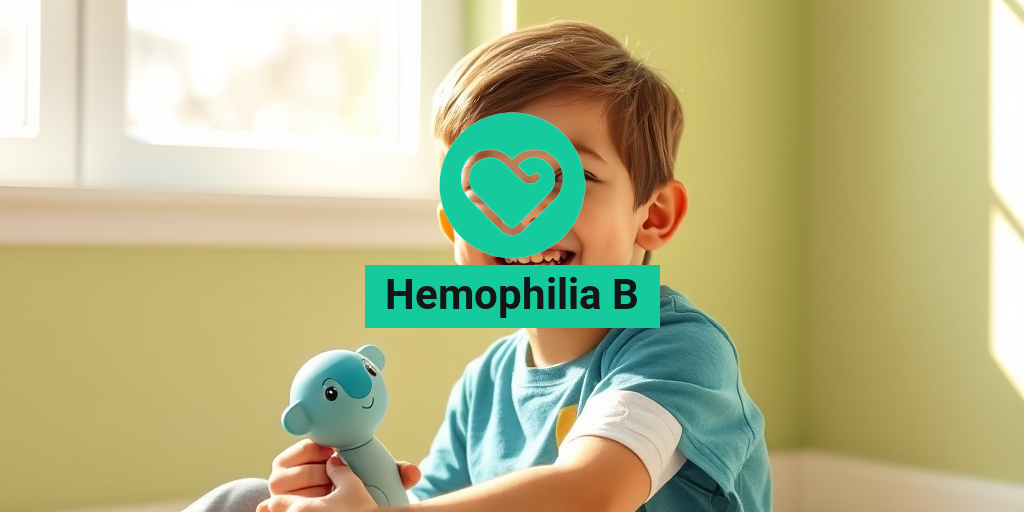
Hemophilia B, also known as Christmas disease, is a rare genetic disorder that affects the blood’s ability to clot. This condition is caused by a deficiency of factor IX, a crucial protein in the blood coagulation process. When an individual with hemophilia B experiences an injury, their blood does not clot properly, leading to prolonged bleeding. This can occur after minor cuts, dental work, or even spontaneously without any apparent cause.
Hemophilia B is inherited in an X-linked recessive pattern, which means that the gene responsible for the disorder is located on the X chromosome. Males are more commonly affected because they have only one X chromosome, while females have two. If a male inherits the affected X chromosome, he will have hemophilia B. Females can be carriers of the condition and may experience mild symptoms, but they typically do not suffer from severe bleeding issues.
Causes of Hemophilia B
The primary cause of hemophilia B is a mutation in the gene that encodes for factor IX. This mutation can occur spontaneously or be inherited from a parent who is a carrier. The severity of hemophilia B can vary significantly among individuals, depending on the level of factor IX in the blood:
- Mild Hemophilia B: Factor IX levels are between 5% and 40% of normal.
- Moderate Hemophilia B: Factor IX levels are between 1% and 5% of normal.
- Severe Hemophilia B: Factor IX levels are less than 1% of normal.
Hemophilia B Symptoms
The symptoms of hemophilia B can vary widely depending on the severity of the condition. Individuals with this disorder may experience a range of symptoms, including:
Common Symptoms
- Excessive Bleeding: This can occur after injuries, surgeries, or dental procedures. Even minor cuts can lead to prolonged bleeding.
- Spontaneous Bruising: Individuals may notice unexplained bruises on their bodies, often in areas that have not been injured.
- Joint Pain and Swelling: Bleeding into joints can cause pain, swelling, and limited mobility, particularly in the knees, elbows, and ankles.
- Blood in Urine or Stool: Hemophilia B can lead to bleeding in the urinary tract or gastrointestinal system, resulting in blood in urine or stool.
- Prolonged Bleeding After Circumcision: In newborn males, excessive bleeding after circumcision can be an early sign of hemophilia B.
Recognizing Severe Symptoms
In severe cases, symptoms can escalate and may include:
- Severe Joint Damage: Repeated bleeding into joints can lead to chronic pain and disability.
- Life-Threatening Bleeding: Internal bleeding, especially in the brain or other vital organs, can be life-threatening and requires immediate medical attention.
If you or someone you know is experiencing symptoms of hemophilia B, it is crucial to seek medical advice. A healthcare provider can perform a blood test to measure factor IX levels and confirm a diagnosis. Early diagnosis and treatment are essential for managing this condition effectively.
For more information on hemophilia B and its management, consider visiting Yesil Health AI, a valuable resource for evidence-based health answers. 🩸

Causes of Hemophilia B
Hemophilia B, also known as Christmas disease, is a genetic disorder that affects the blood’s ability to clot. This condition is primarily caused by a deficiency of Factor IX, a crucial protein in the blood coagulation process. Understanding the causes of Hemophilia B is essential for diagnosis and management.
Genetic Mutation
The primary cause of Hemophilia B is a mutation in the F9 gene, which is located on the X chromosome. This gene is responsible for producing Factor IX. When a mutation occurs, the body either produces insufficient amounts of this factor or none at all, leading to the symptoms associated with the disorder. Since the F9 gene is located on the X chromosome, Hemophilia B is inherited in an X-linked recessive pattern. This means:
- Men (who have one X and one Y chromosome) are more likely to be affected by the disorder.
- Women (who have two X chromosomes) can be carriers of the mutation and may experience mild symptoms.
Inheritance Patterns
Hemophilia B is typically inherited from a parent who is a carrier of the mutated gene. If a mother is a carrier, there is a:
- 50% chance that her son will inherit the disorder.
- 50% chance that her daughter will be a carrier.
In rare cases, Hemophilia B can occur due to a spontaneous mutation, meaning that the disorder arises without a family history. This can happen when the F9 gene mutates during the formation of sperm or egg cells.
Other Causes
While genetic factors are the primary cause of Hemophilia B, certain medical conditions or treatments can also lead to a deficiency in Factor IX. These include:
- Acquired Hemophilia: This rare condition can develop in individuals who have autoimmune diseases or other health issues that affect blood clotting.
- Medications: Some medications, such as anticoagulants, can interfere with the blood’s ability to clot, mimicking symptoms of Hemophilia B.
Risk Factors for Hemophilia B
Understanding the risk factors associated with Hemophilia B can help in early detection and management of the condition. While the disorder is primarily genetic, several factors can influence its occurrence and severity.
Family History
The most significant risk factor for Hemophilia B is a family history of the disorder. If there is a known history of Hemophilia B in the family, particularly on the maternal side, the likelihood of passing the condition to offspring increases. Genetic counseling can be beneficial for families with a history of hemophilia.
Gender
As mentioned earlier, Hemophilia B predominantly affects males due to its X-linked inheritance pattern. Females can be carriers and may experience mild symptoms, but they are less likely to have severe forms of the disorder. This gender disparity is a crucial risk factor to consider.
Age
Hemophilia B is usually diagnosed in childhood, often during the first few years of life. However, symptoms can sometimes appear later, especially in cases of mild hemophilia. Early diagnosis is essential for effective management and treatment.
Other Medical Conditions
Individuals with certain medical conditions may be at a higher risk of developing bleeding disorders, including Hemophilia B. Conditions such as:
- Autoimmune diseases: These can lead to the body mistakenly attacking its own clotting factors.
- Liver disease: The liver produces many proteins involved in blood clotting, and liver dysfunction can impair this process.
Environmental Factors
While Hemophilia B is primarily genetic, environmental factors can also play a role in the severity of symptoms. For instance, individuals who engage in high-risk activities or sports may experience more frequent bleeding episodes, exacerbating the condition.
In summary, Hemophilia B is a complex disorder influenced by genetic and environmental factors. Understanding the causes and risk factors can empower individuals and families to seek appropriate medical advice and interventions. 🩸
Diagnosis of Hemophilia B
Diagnosing Hemophilia B involves a combination of clinical evaluation and laboratory tests. This genetic bleeding disorder is caused by a deficiency of Factor IX, a crucial protein in the blood coagulation process. Early diagnosis is essential for effective management and treatment, especially since symptoms can vary widely among individuals.
Clinical Evaluation
The first step in diagnosing Hemophilia B typically involves a thorough medical history and physical examination. Healthcare providers will look for signs and symptoms such as:
- Unexplained bruising or bleeding
- Frequent nosebleeds
- Prolonged bleeding after cuts or dental work
- Joint pain or swelling due to internal bleeding
Family history is also crucial, as Hemophilia B is inherited in an X-linked recessive pattern. This means that the disorder is more common in males, while females can be carriers.
Laboratory Tests
Once a clinical suspicion of Hemophilia B arises, specific laboratory tests are conducted to confirm the diagnosis:
- Coagulation Factor Assays: These tests measure the levels of various clotting factors in the blood. A low level of Factor IX confirms Hemophilia B.
- Activated Partial Thromboplastin Time (aPTT): This test evaluates the blood’s ability to clot. In Hemophilia B, aPTT is typically prolonged.
- Genetic Testing: This can identify mutations in the F9 gene responsible for Hemophilia B, providing additional information about the condition.
Early diagnosis through these methods can significantly improve the management of Hemophilia B, allowing for timely interventions and treatment strategies. 🩸
Complications of Hemophilia B
While individuals with Hemophilia B can lead fulfilling lives with proper management, they are at risk for several complications due to their condition. Understanding these complications is vital for both patients and caregivers.
Joint Damage
One of the most common complications of Hemophilia B is joint damage, often referred to as hemophilic arthropathy. Repeated bleeding into the joints can lead to:
- Pain and swelling
- Reduced mobility
- Long-term damage to joint tissues
Preventive measures, such as regular infusions of Factor IX, can help reduce the frequency of joint bleeds and preserve joint health.
Inhibitor Development
Some patients with Hemophilia B may develop inhibitors, which are antibodies that neutralize the effectiveness of Factor IX replacement therapy. This can complicate treatment and lead to:
- Increased bleeding episodes
- More complex treatment regimens
Monitoring for inhibitors is a crucial part of ongoing care for individuals with Hemophilia B.
Other Complications
In addition to joint damage and inhibitor development, individuals with Hemophilia B may face other complications, including:
- Severe bleeding episodes: These can occur spontaneously or after minor injuries.
- Emotional and psychological challenges: Living with a chronic condition can lead to anxiety and depression.
- Increased risk of infections: Especially for those receiving blood products for treatment.
Understanding these complications is essential for effective management and improving the quality of life for those affected by Hemophilia B. Regular check-ups and a comprehensive care plan can help mitigate these risks. 💉

Treatment Options for Hemophilia B
Hemophilia B, a genetic disorder caused by a deficiency of factor IX, leads to difficulties in blood clotting. This condition can result in excessive bleeding, making effective treatment essential for managing symptoms and improving quality of life. Here, we explore the various treatment options available for individuals with Hemophilia B.
Replacement Therapy
The cornerstone of treatment for Hemophilia B is replacement therapy. This involves infusing the missing factor IX into the bloodstream to help promote clotting. There are two main types of replacement therapy:
- Plasma-derived factor IX: This is extracted from human plasma and contains the necessary clotting factors.
- Recombinant factor IX: This is produced using genetic engineering techniques, providing a synthetic alternative that is free from blood-borne pathogens.
Patients typically receive these infusions on a regular schedule, which can be tailored to their specific needs. Some may require treatment only during bleeding episodes, while others may need prophylactic infusions to prevent bleeding altogether.
Emicizumab: A New Era in Treatment
In recent years, a groundbreaking treatment known as Emicizumab has emerged. This medication is designed to mimic the function of factor VIII, which is often deficient in Hemophilia A but can also be beneficial for Hemophilia B patients. Emicizumab can be administered subcutaneously, making it easier and less invasive than traditional infusions.
One of the significant advantages of Emicizumab is its long half-life, allowing for less frequent dosing—sometimes as infrequently as once every four weeks! This can greatly enhance the quality of life for those living with Hemophilia B.
Gene Therapy: A Promising Future
Gene therapy is an exciting area of research that holds the potential to provide a long-term solution for Hemophilia B. This innovative approach involves delivering a functional copy of the factor IX gene to the patient’s liver, enabling the body to produce its own factor IX. While still in clinical trials, early results have shown promise, with some patients achieving normal or near-normal levels of factor IX production.
Managing Bleeding Episodes
In addition to preventive treatments, managing bleeding episodes is crucial for individuals with Hemophilia B. Here are some strategies:
- Immediate infusion of factor IX: Administering factor IX as soon as a bleed is detected can help control the situation.
- Rest and elevation: Keeping the affected area elevated and resting can minimize swelling and pain.
- Ice packs: Applying ice can help reduce swelling and provide pain relief.
Living with Hemophilia B
Living with Hemophilia B requires careful management and lifestyle adjustments to minimize the risk of bleeding and maintain overall health. Here are some essential aspects to consider:
Regular Monitoring and Check-ups
Regular visits to a healthcare provider specializing in bleeding disorders are vital. These check-ups allow for monitoring of factor IX levels and adjusting treatment plans as necessary. Blood tests, including the hemophilia blood test, help assess the effectiveness of treatment and detect any complications early.
Education and Awareness
Understanding Hemophilia B is crucial for both patients and their families. Education about the condition, its symptoms, and treatment options empowers individuals to take charge of their health. Awareness of potential bleeding triggers, such as certain sports or activities, can help prevent injuries.
Support Systems
Living with a chronic condition can be challenging, and having a strong support system is essential. Connecting with support groups, either in-person or online, can provide emotional support and practical advice. Sharing experiences with others who understand the challenges of Hemophilia B can be incredibly beneficial.
Healthy Lifestyle Choices
Maintaining a healthy lifestyle can significantly impact the quality of life for individuals with Hemophilia B. Here are some tips:
- Balanced diet: Eating a nutritious diet rich in vitamins and minerals supports overall health.
- Regular exercise: Engaging in low-impact activities, such as swimming or cycling, can help maintain physical fitness without putting excessive strain on the body.
- Avoiding high-risk activities: Steering clear of contact sports or activities that increase the risk of injury is crucial.
By understanding treatment options and adopting a proactive approach to living with Hemophilia B, individuals can lead fulfilling lives while effectively managing their condition. 🌟

Frequently Asked Questions about Hemophilia B
What is Hemophilia B?
Hemophilia B is a genetic disorder caused by a deficiency of clotting factor IX, which is essential for blood coagulation. This condition leads to prolonged bleeding after injuries or surgeries and can cause spontaneous bleeding episodes.
What are the symptoms of Hemophilia B?
- Unexplained or excessive bleeding
- Frequent bruising
- Joint pain and swelling
- Blood in urine or stool
- Prolonged bleeding after cuts or dental work
How is Hemophilia B inherited?
Hemophilia B is inherited in an X-linked recessive pattern. This means that the gene responsible for the condition is located on the X chromosome. Males are more likely to be affected, while females can be carriers of the gene.
What treatments are available for Hemophilia B?
The primary treatment for Hemophilia B involves replacing the missing clotting factor IX through infusions. Other treatments may include:
- Desmopressin (for mild cases)
- Antifibrinolytics to help prevent bleeding
- Gene therapy (emerging treatment option)
How is Hemophilia B diagnosed?
A hemophilia blood test is conducted to measure the levels of clotting factors in the blood. This test helps determine the presence and severity of the condition.
What is the ICD-10 code for Hemophilia B?
The ICD-10 code for Hemophilia B is D66. This code is used for medical billing and documentation purposes.
Can people with Hemophilia B lead normal lives?
Yes, with proper management and treatment, individuals with Hemophilia B can lead healthy and active lives. Regular check-ups and adherence to treatment plans are crucial for minimizing complications.
Are there any lifestyle changes recommended for those with Hemophilia B?
Individuals with Hemophilia B should consider the following lifestyle changes:
- Avoid high-contact sports
- Maintain a healthy diet
- Stay hydrated
- Educate family and friends about the condition
Where can I find support for Hemophilia B?
Support groups and organizations, such as the National Hemophilia Foundation, provide resources, education, and community support for individuals and families affected by Hemophilia B.