What Is GVHD?
Graft-versus-host disease (GVHD) is a serious condition that can occur after a stem cell or bone marrow transplant. It happens when the donor’s immune cells (the graft) recognize the recipient’s body (the host) as foreign and attack it. This immune response can lead to a range of complications, making understanding GVHD crucial for patients and their families.
Understanding the Mechanism of GVHD
GVHD primarily arises when there is a mismatch between the donor and recipient’s human leukocyte antigens (HLAs). These proteins play a vital role in the immune system’s ability to distinguish between self and non-self. When the donor’s immune cells perceive the recipient’s tissues as foreign, they initiate an attack, leading to inflammation and damage in various organs.
Types of GVHD
There are two main types of GVHD:
- Acute GVHD: This type typically occurs within the first 100 days post-transplant. Symptoms can range from mild to severe and often affect the skin, liver, and gastrointestinal tract.
- Chronic GVHD: This form can develop after the acute phase or appear later. It can last for months or even years and may affect multiple organs, leading to long-term complications.
Risk Factors for Developing GVHD
Several factors can increase the risk of developing GVHD, including:
- Type of transplant (matched vs. mismatched)
- Age of the recipient
- Gender differences between donor and recipient
- Previous treatments (like chemotherapy or radiation)
Understanding these risk factors can help patients and healthcare providers take preventive measures to minimize the likelihood of GVHD.
GVHD Symptoms
Recognizing the symptoms of GVHD is essential for early diagnosis and treatment. Symptoms can vary significantly depending on the type and severity of the disease.
Common Symptoms of Acute GVHD
Acute GVHD symptoms typically manifest within the first few weeks after the transplant. Common signs include:
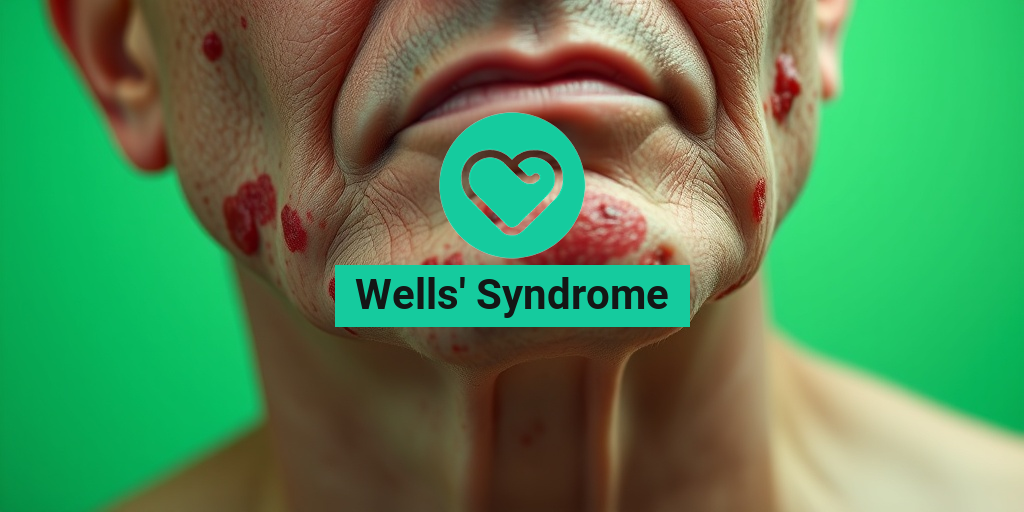
- Skin Rash: A rash may develop, often starting on the palms of the hands and soles of the feet, and can spread to other areas.
- Diarrhea: Patients may experience severe diarrhea, which can lead to dehydration and electrolyte imbalances.
- Liver Dysfunction: Symptoms may include jaundice (yellowing of the skin and eyes), dark urine, and elevated liver enzymes.
Common Symptoms of Chronic GVHD
Chronic GVHD can lead to more complex symptoms that may develop over time. These include:
- Skin Changes: Thickening, tightening, or discoloration of the skin, often resembling scleroderma.
- Dry Eyes and Mouth: Patients may experience dryness, leading to discomfort and difficulty swallowing.
- Joint Pain: Chronic GVHD can cause stiffness and pain in the joints, affecting mobility.
When to Seek Medical Attention
If you or a loved one has undergone a stem cell or bone marrow transplant, it’s crucial to monitor for any signs of GVHD. Early intervention can significantly improve outcomes. If you notice any of the symptoms mentioned above, consult your healthcare provider promptly.
For more detailed information and resources on GVHD, consider visiting Yesil Health AI, where you can find evidence-based health answers tailored to your needs.
In conclusion, understanding GVHD and its symptoms is vital for anyone undergoing a transplant. By being informed and vigilant, patients can better navigate their health journey and seek timely care when necessary. 🌟
Types of GVHD
Graft-versus-host disease (GVHD) is a complex condition that can arise after a stem cell or bone marrow transplant. It occurs when the donor’s immune cells attack the recipient’s body, leading to a range of symptoms and complications. Understanding the different types of GVHD is crucial for effective management and treatment. There are two primary types of GVHD: acute and chronic.
Acute GVHD
Acute GVHD typically develops within the first 100 days following a transplant. It is characterized by a sudden onset of symptoms and can affect various organs in the body. The most commonly affected areas include:
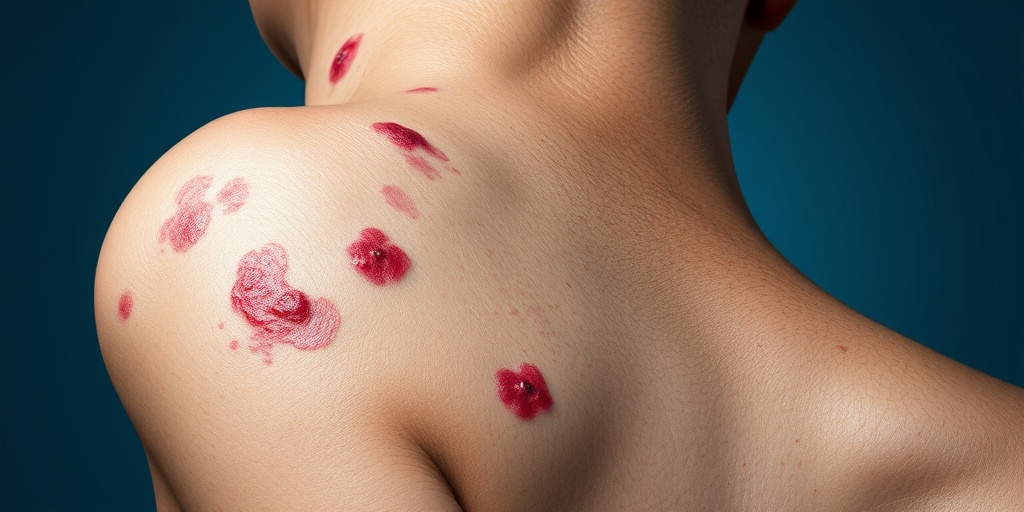
- Skin: Patients may experience a rash that can range from mild redness to severe blistering.
- Gastrointestinal Tract: Symptoms may include nausea, vomiting, diarrhea, and abdominal pain.
- Liver: Elevated liver enzymes can indicate liver involvement, leading to jaundice and other complications.
Acute GVHD is graded based on the severity of symptoms, with grades ranging from I (mild) to IV (severe). Early recognition and treatment are essential to prevent progression and manage symptoms effectively.
Chronic GVHD
Chronic GVHD can develop after the initial acute phase or may occur without any preceding acute symptoms. It typically manifests more than 100 days post-transplant and can last for months or even years. Chronic GVHD can affect multiple organs and may lead to long-term complications. Common symptoms include:
- Skin Changes: Patients may experience thickening, tightening, or discoloration of the skin.
- Dry Eyes and Mouth: Chronic GVHD can cause dryness in mucous membranes, leading to discomfort and difficulty swallowing.
- Joint and Muscle Pain: Patients may experience stiffness and pain in their joints, impacting mobility.
Chronic GVHD can significantly affect a patient’s quality of life, making ongoing management and support crucial. Treatment often involves immunosuppressive therapies to help control the immune response.
GVHD Causes
The underlying cause of GVHD is primarily related to the immune response triggered by the donor’s immune cells. However, several factors can influence the development of this condition. Understanding these causes can help in prevention and management strategies.
Immune System Response
GVHD occurs when the donor’s T-cells recognize the recipient’s tissues as foreign. This immune response is a natural part of the body’s defense mechanism, but in the case of GVHD, it becomes harmful. The severity of the immune response can be influenced by:
- HLA Mismatch: Human leukocyte antigen (HLA) compatibility between the donor and recipient plays a significant role. A greater mismatch increases the risk of GVHD.
- Donor Characteristics: Factors such as the age and sex of the donor can also impact the likelihood of developing GVHD.
Pre-existing Conditions
Patients with certain pre-existing conditions may be at a higher risk for developing GVHD. These conditions can include:
- Autoimmune Disorders: Individuals with a history of autoimmune diseases may have a heightened immune response.
- Previous Transplants: Patients who have undergone multiple transplants may have an increased risk due to sensitization.
Type of Transplant
The type of transplant can also influence the risk of GVHD. There are two main types of transplants:
- Allogeneic Transplant: This involves using stem cells from a donor, which carries a higher risk of GVHD compared to autologous transplants (using the patient’s own cells).
- Conditioning Regimen: The intensity of the pre-transplant conditioning regimen can affect the immune response and the likelihood of developing GVHD.
In summary, GVHD is a multifaceted condition influenced by various factors, including the immune response, donor-recipient compatibility, and pre-existing health conditions. Understanding these causes can aid in better management and treatment strategies for those affected by this complex disease.

Risk Factors for GVHD
Graft-versus-host disease (GVHD) is a serious condition that can occur after a stem cell or bone marrow transplant. Understanding the risk factors associated with GVHD is crucial for both patients and healthcare providers. Here, we’ll explore the various factors that can increase the likelihood of developing this condition.
1. Type of Donor
The relationship between the donor and recipient plays a significant role in the risk of GVHD. There are two main types of donors:
- Related Donors: When the donor is a family member, the risk of GVHD is generally lower due to genetic similarities.
- Unrelated Donors: Using a donor who is not genetically related increases the risk of GVHD, as the immune system may recognize the new cells as foreign.
2. Age of the Recipient
Age can also influence the risk of developing GVHD. Studies have shown that younger patients tend to have a higher risk, possibly due to their more robust immune systems. Conversely, older patients may have a lower risk but can experience more severe symptoms if GVHD does occur.
3. Conditioning Regimen
The type of conditioning regimen (the treatment given before the transplant) can affect GVHD risk. More intensive regimens that include high doses of chemotherapy or radiation can increase the likelihood of GVHD. This is because they can weaken the recipient’s immune system, making it less capable of managing the new cells.
4. Gender Mismatch
Gender differences between the donor and recipient can also play a role. Research indicates that male donors can pose a higher risk of GVHD when the recipient is female, particularly if the female has been pregnant before. This is thought to be due to the presence of antibodies that may react against the male cells.
5. Previous Transplants
Patients who have undergone previous transplants may have an increased risk of GVHD. This is likely due to the cumulative effects of prior treatments and the potential for sensitization to donor antigens.
GVHD Diagnosis
Diagnosing GVHD can be challenging, as its symptoms can mimic those of other conditions. Early diagnosis is essential for effective management and treatment. Here’s how healthcare providers typically approach the diagnosis of GVHD.
1. Clinical Evaluation
The first step in diagnosing GVHD involves a thorough clinical evaluation. Healthcare providers will assess the patient’s medical history and perform a physical examination. Common symptoms to look for include:
- Skin Rash: A rash is one of the most common signs of GVHD, often appearing as red, itchy patches.
- Gastrointestinal Symptoms: Patients may experience diarrhea, nausea, or abdominal pain.
- Liver Dysfunction: Elevated liver enzymes can indicate liver involvement in GVHD.
2. Laboratory Tests
In addition to a clinical evaluation, laboratory tests are crucial for diagnosing GVHD. These may include:
- Blood Tests: To check for liver function and other abnormalities.
- Skin Biopsy: A small sample of skin may be taken to confirm the presence of GVHD.
- Stool Tests: To assess gastrointestinal involvement.
3. Imaging Studies
In some cases, imaging studies such as ultrasounds or CT scans may be used to evaluate organ involvement, particularly the liver and gastrointestinal tract. These studies help determine the extent of the disease and guide treatment decisions.
4. Multidisciplinary Approach
Diagnosing GVHD often requires a multidisciplinary approach. Oncologists, dermatologists, gastroenterologists, and other specialists may collaborate to ensure a comprehensive evaluation. This teamwork is essential for accurate diagnosis and effective management of the condition.
In summary, understanding the risk factors for GVHD and the diagnostic process is vital for patients undergoing transplants. Early recognition and intervention can significantly improve outcomes and quality of life. 🌟

GVHD Treatment Options
Graft-versus-host disease (GVHD) is a complex condition that can arise after a stem cell or bone marrow transplant. It occurs when the donor’s immune cells attack the recipient’s body, leading to a range of symptoms and complications. Understanding the treatment options available for GVHD is crucial for managing this condition effectively.
Types of GVHD
Before diving into treatment options, it’s important to recognize that GVHD can be classified into two main types:
- Acute GVHD: This type typically occurs within the first 100 days post-transplant and can affect the skin, liver, and gastrointestinal tract.
- Chronic GVHD: This form can develop after the acute phase or appear later, often affecting the skin, eyes, mouth, and lungs.
Medications for GVHD
One of the primary approaches to treating GVHD involves the use of medications. Here are some common options:
- Corticosteroids: Medications like prednisone are often the first line of defense against GVHD. They help reduce inflammation and suppress the immune response.
- Immunosuppressants: Drugs such as cyclosporine and tacrolimus are used to further dampen the immune system’s activity, preventing it from attacking the body.
- Monoclonal Antibodies: Medications like rituximab target specific immune cells and can be effective in treating chronic GVHD.
- Extracorporeal Photopheresis: This treatment involves taking blood out of the body, treating it with light, and then returning it. It can help manage skin symptoms of GVHD.
Supportive Care
In addition to medications, supportive care plays a vital role in managing GVHD. This includes:
- Nutritional Support: A balanced diet can help strengthen the immune system and improve overall health.
- Physical Therapy: Engaging in physical therapy can help maintain mobility and reduce discomfort.
- Skin Care: For those experiencing skin symptoms, using gentle moisturizers and avoiding irritants can alleviate discomfort.
Clinical Trials and Emerging Treatments
Research is ongoing to find new and more effective treatments for GVHD. Participating in clinical trials may provide access to cutting-edge therapies that are not yet widely available. Always discuss with your healthcare provider whether this option is suitable for you.
Living with GVHD
Living with GVHD can be challenging, but with the right strategies and support, individuals can lead fulfilling lives. Here are some tips for managing daily life with this condition.
Understanding Your Condition
Knowledge is power. Understanding the symptoms of GVHD—which can include skin rashes, fatigue, and digestive issues—can help you recognize flare-ups early and seek appropriate care. Keeping a symptom diary can also be beneficial in tracking changes and discussing them with your healthcare team.
Emotional and Psychological Support
Dealing with a chronic condition like GVHD can take a toll on mental health. Consider the following:
- Support Groups: Connecting with others who have GVHD can provide emotional support and practical advice.
- Counseling: Speaking with a mental health professional can help you cope with the emotional challenges of living with a chronic illness.
Healthy Lifestyle Choices
Adopting a healthy lifestyle can significantly impact your quality of life. Here are some suggestions:
- Regular Exercise: Engage in low-impact activities like walking or swimming to maintain physical health.
- Balanced Diet: Focus on a diet rich in fruits, vegetables, whole grains, and lean proteins to support your immune system.
- Adequate Rest: Prioritize sleep and rest to help your body recover and manage fatigue.
Communicating with Your Healthcare Team
Maintaining open lines of communication with your healthcare providers is essential. Regular check-ups and discussions about your symptoms and treatment plan can help ensure that you receive the best care possible.
Living with GVHD may present challenges, but with the right treatment and support, individuals can navigate this journey with resilience and hope. 🌟

Frequently Asked Questions about GVHD
What is GVHD?
GVHD, or Graft-versus-Host Disease, is a condition that can occur after a stem cell or bone marrow transplant. It happens when the donated immune cells attack the recipient’s body, leading to various symptoms and complications.
What are the common symptoms of GVHD?
The symptoms of GVHD can vary widely but often include:
- Skin rashes or changes
- Digestive issues such as diarrhea
- Fatigue and weakness
- Jaundice or liver dysfunction
How is GVHD diagnosed?
Diagnosis of GVHD typically involves a combination of clinical evaluation, patient history, and sometimes skin or tissue biopsies to confirm the presence of the disease.
What are the treatment options for GVHD?
Treatment for GVHD may include:
- Immunosuppressive medications to reduce the immune response
- Topical treatments for skin symptoms
- Supportive care to manage symptoms and improve quality of life
Can GVHD affect the skin?
Yes, GVHD can significantly impact the skin, leading to rashes, dryness, and other dermatological issues. It’s important to monitor skin changes and consult a healthcare provider for appropriate management.
What does GVHD mean in medical terms?
In medical terminology, GVHD refers to the immune response that occurs when donor cells recognize the recipient’s body as foreign. This can lead to various complications, particularly in the skin, liver, and gastrointestinal tract.
Is there a difference between acute and chronic GVHD?
Yes, there are two main types of GVHD: acute and chronic. Acute GVHD typically occurs within the first 100 days post-transplant, while chronic GVHD can develop later and may last for months or years.
How can I manage GVHD symptoms at home?
Managing GVHD symptoms at home may include:
- Staying hydrated and maintaining a balanced diet
- Using gentle skin care products to soothe rashes
- Practicing stress-reduction techniques
Where can I find more information about GVHD?
For more information about GVHD, consider consulting healthcare professionals, reputable medical websites, or support groups dedicated to transplant patients.