What Is Guttate Scleroderma?
Guttate Scleroderma is a rare form of scleroderma, a chronic autoimmune disease that primarily affects the skin and connective tissues. Unlike the more common forms of scleroderma, which can lead to widespread skin thickening and internal organ involvement, guttate scleroderma is characterized by small, drop-shaped lesions that appear on the skin. These lesions can be quite distressing for those affected, both physically and emotionally.
This condition typically manifests in individuals between the ages of 30 and 50, although it can occur at any age. The exact cause of guttate scleroderma remains unclear, but it is believed to involve a combination of genetic predisposition and environmental triggers. Some researchers suggest that infections, particularly viral infections, may play a role in the onset of this condition.
Understanding the Mechanism
In guttate scleroderma, the immune system mistakenly attacks the body’s own tissues, leading to inflammation and fibrosis (thickening and scarring) of the skin. The lesions are often asymptomatic, meaning they may not cause pain or discomfort, but they can lead to significant cosmetic concerns for those affected.
Types of Guttate Scleroderma
Guttate scleroderma can be classified into two main types:
- Localized Guttate Scleroderma: This type is confined to specific areas of the skin and does not progress to systemic involvement.
- Generalized Guttate Scleroderma: This type may affect larger areas of the skin and has a higher risk of developing into more severe forms of scleroderma.
Understanding the type of guttate scleroderma is crucial for determining the appropriate treatment and management strategies.
Guttate Scleroderma Symptoms
The symptoms of guttate scleroderma can vary from person to person, but there are several common signs to be aware of. Recognizing these symptoms early can lead to timely intervention and management.
Common Symptoms
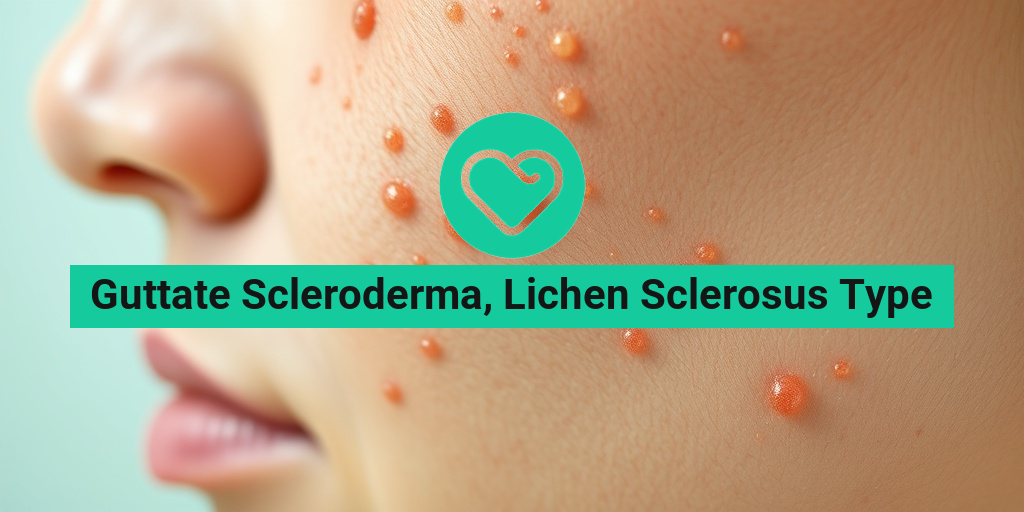
- Drop-shaped Lesions: The hallmark of guttate scleroderma is the appearance of small, drop-like lesions on the skin. These lesions can vary in color from white to red and may have a shiny appearance.
- Skin Tightness: Some individuals may experience a feeling of tightness in the affected areas, although this is less common than in other forms of scleroderma.
- Itching or Irritation: While many lesions are asymptomatic, some individuals report mild itching or irritation around the lesions.
- Changes in Skin Texture: The skin may become rough or scaly in the areas where the lesions are present.
Emotional and Psychological Impact
Beyond the physical symptoms, guttate scleroderma can have a significant emotional and psychological impact. The visibility of the lesions can lead to feelings of self-consciousness, anxiety, and depression. It’s essential for individuals affected by this condition to seek support, whether through counseling, support groups, or online communities.
When to Seek Medical Advice
If you notice any unusual skin changes or symptoms that resemble those of guttate scleroderma, it’s important to consult a healthcare professional. Early diagnosis and intervention can help manage symptoms and improve quality of life. A dermatologist or rheumatologist can provide a thorough evaluation and recommend appropriate treatment options.
For more information and evidence-based health answers, consider visiting Yesil Health AI, a valuable resource for understanding various health conditions, including guttate scleroderma.
In conclusion, while guttate scleroderma may present challenges, understanding the condition and its symptoms can empower individuals to seek the help they need. With the right support and treatment, many people can manage their symptoms effectively and lead fulfilling lives. 🌟
Guttate Scleroderma Causes
Guttate scleroderma is a rare form of scleroderma characterized by small, drop-like lesions on the skin. Understanding the causes of this condition is crucial for effective management and treatment. While the exact cause remains unclear, several factors have been identified that may contribute to its development.
Genetic Predisposition
Research suggests that genetics play a significant role in the onset of guttate scleroderma. Individuals with a family history of autoimmune diseases may be more susceptible to developing this condition. Certain genetic markers have been associated with an increased risk, indicating that hereditary factors could influence the likelihood of developing guttate scleroderma.
Environmental Triggers
Environmental factors may also contribute to the onset of guttate scleroderma. Exposure to certain chemicals, toxins, or even infections can trigger an autoimmune response in genetically predisposed individuals. Some common environmental triggers include:
- Silica dust – Often found in construction and mining, silica exposure has been linked to various autoimmune diseases.
- Viral infections – Certain viral infections may provoke an immune response that leads to the development of guttate scleroderma.
- Sunlight exposure – For some individuals, excessive sun exposure can exacerbate skin conditions, potentially triggering guttate scleroderma.
Immune System Dysfunction
At its core, guttate scleroderma is an autoimmune disorder, meaning the body’s immune system mistakenly attacks its own tissues. This dysfunction can lead to inflammation and damage to the skin and other organs. Factors that may contribute to immune system dysfunction include:
- Chronic stress – Prolonged stress can weaken the immune system, making the body more susceptible to autoimmune conditions.
- Hormonal changes – Fluctuations in hormones, particularly in women, may influence the immune response and contribute to the development of guttate scleroderma.
Guttate Scleroderma Risk Factors
Identifying the risk factors associated with guttate scleroderma can help individuals understand their likelihood of developing this condition. While anyone can be affected, certain factors may increase the risk.
Age and Gender
Guttate scleroderma can occur at any age, but it is most commonly diagnosed in adults between the ages of 30 and 50. Additionally, women are more likely to develop this condition than men, suggesting that gender may play a role in its prevalence.
Family History of Autoimmune Diseases
As mentioned earlier, a family history of autoimmune diseases can significantly increase the risk of developing guttate scleroderma. If you have relatives with conditions such as lupus, rheumatoid arthritis, or other forms of scleroderma, your risk may be higher.
Previous Skin Conditions
Individuals with a history of skin conditions, such as eczema or psoriasis, may be at a greater risk for developing guttate scleroderma. The presence of these conditions can indicate an underlying predisposition to autoimmune responses, making it essential to monitor any changes in skin health.
Occupational Hazards
Certain occupations expose individuals to environmental triggers that may increase the risk of guttate scleroderma. Jobs in industries such as construction, mining, and manufacturing, where exposure to silica or other harmful substances is common, can elevate the risk. It’s crucial for individuals in these fields to take necessary precautions to minimize exposure.
Other Autoimmune Disorders
Having another autoimmune disorder can also increase the risk of developing guttate scleroderma. Conditions such as thyroid disease, Sjögren’s syndrome, or systemic lupus erythematosus can indicate a heightened susceptibility to autoimmune responses, making it essential for individuals with these conditions to be vigilant about their skin health.
In summary, while the exact causes of guttate scleroderma remain elusive, understanding the potential triggers and risk factors can empower individuals to take proactive steps in managing their health. If you suspect you may be at risk, consulting with a healthcare professional is vital for early detection and intervention. 🌟

Guttate Scleroderma Diagnosis
Diagnosing Guttate Scleroderma can be a complex process, as it shares symptoms with various other skin conditions. This form of scleroderma is characterized by small, drop-like lesions that can appear on the skin, often leading to confusion with other dermatological issues. Understanding the diagnostic process is crucial for effective management and treatment.
Initial Consultation and Medical History
The journey to a diagnosis typically begins with a thorough medical history and a physical examination. During your initial consultation, your healthcare provider will ask about:
- Your symptoms and when they began
- Any family history of autoimmune diseases
- Previous skin conditions or treatments
- Environmental factors that may have contributed to your symptoms
Providing detailed information can help your doctor narrow down potential causes and determine if further testing is necessary.
Physical Examination
During the physical examination, your doctor will closely inspect the skin for characteristic signs of Guttate Scleroderma. The lesions typically appear as small, round spots that may be red or brown. Your doctor may also check for other symptoms associated with scleroderma, such as:
- Thickening or tightening of the skin
- Changes in skin color
- Swelling in the hands or feet
Diagnostic Tests
If your doctor suspects Guttate Scleroderma, they may recommend additional tests to confirm the diagnosis. These tests can include:
- Skin Biopsy: A small sample of skin may be taken for laboratory analysis to identify the presence of scleroderma.
- Blood Tests: These tests can help detect specific antibodies associated with autoimmune diseases.
- Imaging Studies: In some cases, imaging may be used to assess internal organ involvement.
Receiving a timely and accurate diagnosis is essential for managing Guttate Scleroderma effectively. Early intervention can help mitigate symptoms and improve quality of life.
Guttate Scleroderma Treatment Options
Once diagnosed, the next step is exploring treatment options for Guttate Scleroderma. While there is currently no cure for scleroderma, various treatments can help manage symptoms and improve skin appearance.
Topical Treatments
Topical therapies are often the first line of treatment for Guttate Scleroderma. These may include:
- Corticosteroid Creams: These can help reduce inflammation and alleviate itching.
- Moisturizers: Regular use of emollients can help keep the skin hydrated and improve its texture.
- Retinoids: Topical retinoids may promote skin cell turnover and improve the appearance of lesions.
Systemic Treatments
In more severe cases, systemic treatments may be necessary. These treatments work throughout the body and can include:
- Immunosuppressants: Medications like methotrexate or mycophenolate mofetil can help reduce the immune system’s activity.
- Corticosteroids: Oral corticosteroids may be prescribed to manage widespread symptoms.
- Biologics: Newer biologic therapies target specific pathways in the immune response and may be beneficial for some patients.
Physical Therapy and Lifestyle Changes
Incorporating physical therapy can be beneficial for maintaining mobility and flexibility, especially if joint involvement occurs. Additionally, making certain lifestyle changes can enhance overall well-being:
- Regular Exercise: Engaging in low-impact activities can improve circulation and reduce stiffness.
- Healthy Diet: A balanced diet rich in antioxidants may support skin health.
- Stress Management: Techniques such as yoga or meditation can help manage stress, which may exacerbate symptoms.
While living with Guttate Scleroderma can be challenging, understanding your treatment options and working closely with your healthcare provider can lead to effective management of the condition. Remember, early intervention and a proactive approach are key to maintaining your health and quality of life. 🌟

Guttate Scleroderma Home Remedies
Guttate scleroderma, a rare form of scleroderma, can be challenging to manage. While medical treatments are essential, many individuals seek home remedies to alleviate symptoms and improve their quality of life. Here are some effective home remedies that may help:
1. Moisturizing the Skin
Keeping the skin hydrated is crucial for those with guttate scleroderma. Use thick, emollient creams or natural oils like coconut oil or olive oil to lock in moisture. Applying these moisturizers right after bathing can help seal in hydration and reduce dryness.
2. Aloe Vera Gel
Aloe vera is renowned for its soothing properties. Applying pure aloe vera gel to affected areas can help reduce inflammation and promote healing. Its natural cooling effect can also provide relief from itching and discomfort. 🌿
3. Dietary Adjustments
Nutrition plays a vital role in managing autoimmune conditions. Incorporating anti-inflammatory foods into your diet can be beneficial. Consider adding:
- Fatty fish (rich in omega-3 fatty acids)
- Leafy greens (like spinach and kale)
- Fruits (especially berries and citrus fruits)
- Nuts and seeds
These foods can help reduce inflammation and support overall skin health.
4. Herbal Remedies
Some herbs may offer relief from symptoms associated with guttate scleroderma. Turmeric, known for its anti-inflammatory properties, can be consumed as a spice in meals or taken as a supplement. Additionally, green tea is rich in antioxidants and may help combat oxidative stress in the body.
5. Stress Management Techniques
Stress can exacerbate autoimmune conditions, including guttate scleroderma. Engaging in relaxation techniques such as yoga, meditation, or deep-breathing exercises can help manage stress levels. Regular physical activity, even gentle exercises like walking, can also improve mood and overall well-being. 🧘♀️
6. Sun Protection
Individuals with guttate scleroderma may be more sensitive to sunlight. Protecting your skin from UV rays is essential. Use a broad-spectrum sunscreen with at least SPF 30, wear protective clothing, and seek shade whenever possible. ☀️
Guttate Scleroderma Outlook and Management
The outlook for individuals with guttate scleroderma varies significantly from person to person. Understanding the condition and its management options can empower patients to take control of their health.
Understanding the Condition
Guttate scleroderma is characterized by small, drop-shaped patches of hardened skin. While it is less common than other forms of scleroderma, it can still lead to significant discomfort and skin changes. Early diagnosis and intervention are crucial for better outcomes.
Medical Management
Consulting with a healthcare provider is essential for developing a personalized treatment plan. Common medical treatments may include:
- Corticosteroids: These can help reduce inflammation and improve skin appearance.
- Immunosuppressants: Medications that suppress the immune system may be prescribed to manage symptoms.
- Physical therapy: This can help maintain mobility and flexibility in affected areas.
Regular Monitoring
Regular follow-ups with a healthcare provider are vital for monitoring the progression of guttate scleroderma. This allows for timely adjustments to treatment plans and ensures that any new symptoms are addressed promptly.
Support and Resources
Connecting with support groups or online communities can provide emotional support and valuable information. Sharing experiences with others who understand the challenges of guttate scleroderma can be incredibly beneficial. 💬
Living Well with Guttate Scleroderma
While guttate scleroderma can be a lifelong condition, many individuals lead fulfilling lives with proper management. Staying informed, maintaining a healthy lifestyle, and utilizing both medical and home remedies can significantly improve the quality of life for those affected by this condition.

Frequently Asked Questions
What is Guttate Scleroderma, Lichen Sclerosus Type?
Guttate Scleroderma, Lichen Sclerosus Type is a rare skin condition characterized by small, drop-shaped lesions that can appear on the skin. It is associated with lichen sclerosus, a condition that causes thin, white patches on the skin, often leading to discomfort and itching.
What are the symptoms of this condition?
- Drop-shaped lesions: Small, round patches that may be white or light-colored.
- Itching: A common symptom that can lead to scratching and further irritation.
- Skin changes: The affected areas may become thinner and more fragile over time.
How is Guttate Scleroderma diagnosed?
Diagnosis typically involves a thorough examination by a dermatologist, who may perform a skin biopsy to confirm the presence of the condition. They will also consider the patient’s medical history and any related symptoms.
What are the treatment options available?
- Topical treatments: Corticosteroids and other anti-inflammatory creams can help reduce symptoms.
- Phototherapy: Light therapy may be recommended to improve skin appearance and reduce discomfort.
- Systemic medications: In severe cases, oral medications may be prescribed to manage symptoms.
Can Guttate Scleroderma be cured?
Currently, there is no known cure for Guttate Scleroderma, Lichen Sclerosus Type. However, with appropriate treatment, symptoms can often be managed effectively, and the condition can be kept under control.
Is this condition hereditary?
While the exact cause of Guttate Scleroderma is not fully understood, there may be a genetic component involved. Individuals with a family history of skin conditions may be at a higher risk.
How can I manage symptoms at home?
- Moisturizing: Regularly applying moisturizers can help soothe dry and irritated skin.
- Avoiding irritants: Stay away from harsh soaps and chemicals that can exacerbate symptoms.
- Wearing loose clothing: This can help reduce friction and irritation on affected areas.
When should I see a doctor?
If you notice any unusual skin changes or experience persistent itching and discomfort, it is important to consult a healthcare professional for an accurate diagnosis and appropriate treatment.
Are there any lifestyle changes that can help?
Maintaining a healthy lifestyle can support overall skin health. This includes:
- Eating a balanced diet: Focus on foods rich in vitamins and antioxidants.
- Staying hydrated: Drink plenty of water to keep your skin hydrated.
- Managing stress: Stress can worsen skin conditions, so consider relaxation techniques like yoga or meditation.
Can I participate in physical activities?
Yes, engaging in physical activities is generally encouraged, but it’s important to listen to your body. If you experience discomfort during exercise, consider modifying your routine or consulting with a healthcare provider.
Where can I find support and resources?
Support groups and online communities can be valuable resources for individuals dealing with Guttate Scleroderma, Lichen Sclerosus Type. Connecting with others who share similar experiences can provide emotional support and practical advice.