
What Is Frozen Shoulder?
Frozen shoulder, medically known as adhesive capsulitis, is a condition characterized by stiffness and pain in the shoulder joint. This condition typically develops gradually and can significantly limit the range of motion in the affected shoulder. It often occurs in three stages: the freezing stage, the frozen stage, and the thawing stage. Each stage can last for several months, making the entire process quite lengthy and frustrating for those affected.
The exact cause of frozen shoulder is not entirely understood, but it is believed to occur when the connective tissue surrounding the shoulder joint becomes inflamed and thickened. This inflammation can lead to the formation of adhesions, which restrict movement. Certain factors may increase the risk of developing frozen shoulder, including:
- Age: Most commonly affects individuals between the ages of 40 and 60.
- Gender: Women are more likely to develop frozen shoulder than men.
- Medical conditions: Conditions such as diabetes, thyroid disorders, and cardiovascular disease can increase the risk.
- Previous shoulder injuries: A history of shoulder injuries or surgeries can contribute to the development of this condition.
Understanding frozen shoulder is crucial for early diagnosis and effective treatment. If you suspect you have this condition, consulting a healthcare professional is essential for a proper evaluation and management plan.
Frozen Shoulder Symptoms
The symptoms of frozen shoulder can vary in intensity and duration, but they generally follow a predictable pattern. Here are the most common symptoms associated with this condition:
1. Pain
One of the first symptoms of frozen shoulder is a dull or aching pain in the shoulder. This pain can radiate down the arm and may worsen at night or with certain activities. The discomfort can be persistent and may interfere with daily tasks.
2. Stiffness
As the condition progresses, stiffness in the shoulder joint becomes more pronounced. Individuals may find it increasingly difficult to perform everyday activities, such as reaching overhead, lifting objects, or even getting dressed. This stiffness is often most noticeable in the morning or after periods of inactivity.
3. Limited Range of Motion
Frozen shoulder significantly restricts the range of motion in the affected shoulder. Patients may struggle to raise their arm or rotate it in various directions. This limitation can lead to compensatory movements, which may cause discomfort in other areas of the body, such as the neck or back.
4. Stages of Symptoms
Frozen shoulder symptoms typically progress through three stages:
- Freezing Stage: This initial stage can last from 6 weeks to 9 months, characterized by increasing pain and stiffness.
- Frozen Stage: During this stage, pain may decrease, but stiffness remains, lasting from 4 to 6 months.
- Thawing Stage: The final stage can last from 6 months to 2 years, where the range of motion gradually improves.
If you are experiencing symptoms of frozen shoulder, it is essential to seek medical advice. Early intervention can help manage pain and improve mobility, making a significant difference in your recovery journey. For more information on frozen shoulder treatment options and exercises, consider visiting Yesil Health AI, a valuable resource for evidence-based health answers.
In conclusion, frozen shoulder is a challenging condition that can impact your quality of life. By recognizing the symptoms early and seeking appropriate treatment, you can work towards regaining full function of your shoulder. Remember, you are not alone in this journey, and support is available! 💪

Frozen Shoulder Stages
Frozen shoulder, also known as adhesive capsulitis, is a condition characterized by stiffness and pain in the shoulder joint. Understanding the stages of frozen shoulder can help you recognize the symptoms and seek appropriate treatment. The condition typically progresses through three distinct stages:
1. Freezing Stage
The first stage, known as the freezing stage, can last anywhere from 6 weeks to 9 months. During this time, individuals experience a gradual increase in shoulder pain, which may worsen at night. The pain often leads to a decrease in shoulder mobility, making it difficult to perform everyday tasks. Common symptoms during this stage include:
- Persistent shoulder pain
- Increased stiffness
- Difficulty reaching overhead
As the pain intensifies, many people find themselves avoiding movements that exacerbate the discomfort, which can further contribute to stiffness.
2. Frozen Stage
The second stage, known as the frozen stage, typically lasts between 4 to 6 months. During this phase, the pain may begin to diminish, but the stiffness remains significant. Individuals often find that their range of motion is severely limited, making it challenging to perform daily activities. Key characteristics of the frozen stage include:
- Reduced range of motion
- Persistent stiffness
- Less pain compared to the freezing stage
While the pain may lessen, the inability to move the shoulder freely can be frustrating and debilitating.
3. Thawing Stage
The final stage, known as the thawing stage, can last anywhere from 6 months to 2 years. During this phase, individuals gradually regain their shoulder mobility. The pain continues to decrease, and normal function begins to return. Signs of improvement during the thawing stage include:
- Increased range of motion
- Decreased pain levels
- Improved ability to perform daily activities
While recovery can be slow, most individuals eventually regain full function of their shoulder.
Frozen Shoulder Causes
Understanding the causes of frozen shoulder is crucial for prevention and effective treatment. While the exact cause remains unclear, several factors may contribute to the development of this condition:
1. Age and Gender
Frozen shoulder is more common in individuals aged 40 to 60, and women are more likely to be affected than men. This demographic trend suggests that hormonal changes, particularly during menopause, may play a role in the onset of frozen shoulder.
2. Previous Shoulder Injuries
Individuals who have experienced shoulder injuries or surgeries may be at a higher risk for developing frozen shoulder. Injuries can lead to inflammation and stiffness, which can trigger the condition. Common injuries that may contribute include:
- Rotator cuff tears
- Fractures
- Dislocations
3. Medical Conditions
Certain medical conditions are associated with an increased risk of frozen shoulder. These include:
- Diabetes: Individuals with diabetes are more prone to frozen shoulder, possibly due to changes in collagen and connective tissue.
- Thyroid Disorders: Conditions like hypothyroidism or hyperthyroidism can increase the likelihood of developing frozen shoulder.
- Heart Disease: Some studies suggest a link between heart disease and frozen shoulder, although the exact relationship is still being explored.
4. Prolonged Immobility
Prolonged immobility of the shoulder joint, often due to surgery, injury, or other medical conditions, can lead to the development of frozen shoulder. When the shoulder is not used for an extended period, the connective tissues can become stiff and adhesive, resulting in the characteristic symptoms of frozen shoulder.
Recognizing the stages and causes of frozen shoulder is essential for effective management and treatment. If you suspect you have frozen shoulder, consult a healthcare professional for a proper diagnosis and personalized treatment plan. 🩺
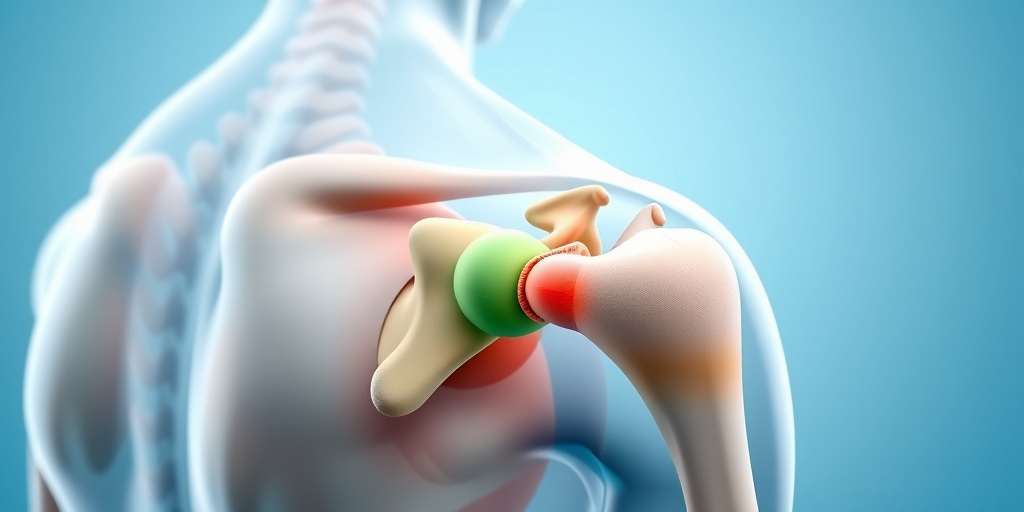
Frozen Shoulder Risk Factors
Frozen shoulder, medically known as adhesive capsulitis, is a condition that can significantly impact your daily life. Understanding the risk factors associated with frozen shoulder can help you take preventive measures and seek timely treatment. Here are some key factors that may increase your likelihood of developing this condition:
Age and Gender
One of the most significant risk factors for frozen shoulder is age. This condition is most commonly seen in individuals aged between 40 and 60 years. Additionally, women are more likely to develop frozen shoulder than men, particularly during the menopausal phase. Hormonal changes during this time may contribute to the increased incidence.
Previous Shoulder Injuries
If you have experienced a shoulder injury or surgery, you may be at a higher risk for developing frozen shoulder. Injuries can lead to reduced mobility, which can trigger the onset of this condition. It’s essential to follow through with rehabilitation exercises after any shoulder-related injury to maintain flexibility and strength.
Medical Conditions
Several underlying medical conditions can increase your risk of frozen shoulder, including:
- Diabetes: Individuals with diabetes are at a higher risk, with studies suggesting that up to 20% of diabetic patients may develop frozen shoulder.
- Thyroid Disorders: Conditions such as hypothyroidism or hyperthyroidism can also contribute to the development of frozen shoulder.
- Heart Disease: Those with cardiovascular issues may experience a higher incidence of frozen shoulder.
- Parkinson’s Disease: Neurological conditions like Parkinson’s can affect shoulder mobility, increasing the risk.
Prolonged Immobility
Prolonged periods of immobility, whether due to injury, surgery, or other health issues, can lead to the development of frozen shoulder. If you find yourself unable to move your shoulder for an extended time, it’s crucial to engage in gentle exercises to maintain mobility.
Genetics
There may also be a genetic component to frozen shoulder. If you have a family history of this condition, you might be more susceptible to developing it yourself. Understanding your family medical history can help you take proactive steps in managing your shoulder health.
Frozen Shoulder Diagnosis
Diagnosing frozen shoulder can sometimes be challenging, as its symptoms can mimic other shoulder conditions. However, a thorough evaluation by a healthcare professional can lead to an accurate diagnosis. Here’s what you can expect during the diagnostic process:
Medical History Review
Your doctor will begin by taking a detailed medical history. They will ask about your symptoms, including the onset, duration, and severity of pain and stiffness. Be prepared to discuss any previous shoulder injuries, surgeries, or underlying health conditions that may be relevant.
Physical Examination
A physical examination is a crucial step in diagnosing frozen shoulder. Your doctor will assess your shoulder’s range of motion and may perform specific tests to evaluate pain levels and mobility. They will look for signs of stiffness and may compare the affected shoulder with the non-affected one.
Imaging Tests
While a physical examination is often sufficient for diagnosis, your doctor may recommend imaging tests to rule out other conditions. Common imaging tests include:
- X-rays: These can help identify any bone-related issues or arthritis.
- Magnetic Resonance Imaging (MRI): An MRI can provide detailed images of soft tissues, helping to confirm the diagnosis and rule out other shoulder problems.
Diagnostic Injections
In some cases, your doctor may perform a diagnostic injection of a local anesthetic into the shoulder joint. If this injection temporarily relieves pain, it can further confirm the diagnosis of frozen shoulder.
Understanding the risk factors and the diagnostic process for frozen shoulder is essential for early intervention and effective treatment. If you suspect you may have frozen shoulder, consult with a healthcare professional to discuss your symptoms and explore your options. 🩺💪

Frozen Shoulder Treatment Options
Frozen shoulder, medically known as adhesive capsulitis, is a condition characterized by stiffness and pain in the shoulder joint. It can significantly impact daily activities, making it essential to explore effective treatment options. Here, we’ll discuss various approaches to managing and treating frozen shoulder.
1. Physical Therapy
One of the most common and effective treatments for frozen shoulder is physical therapy. A physical therapist can design a personalized exercise program that focuses on:
- Range of motion exercises: These help to gradually restore movement in the shoulder.
- Strengthening exercises: Once mobility improves, strengthening the shoulder muscles can help support the joint.
- Stretching techniques: Gentle stretches can alleviate tightness and improve flexibility.
Regular sessions can significantly enhance recovery and reduce pain. 🏋️♂️
2. Medications
Over-the-counter medications can provide relief from pain and inflammation associated with frozen shoulder. Common options include:
- Nonsteroidal anti-inflammatory drugs (NSAIDs): Ibuprofen and naproxen can help reduce swelling and discomfort.
- Corticosteroids: In some cases, a doctor may prescribe corticosteroid injections to decrease inflammation and pain.
Always consult with a healthcare professional before starting any medication to ensure it’s appropriate for your situation. 💊
3. Heat and Cold Therapy
Applying heat or cold to the shoulder can provide temporary relief. Here’s how:
- Cold packs: Applying a cold pack can help reduce swelling and numb sharp pain.
- Heat pads: Heat can relax and loosen tissues, making it easier to perform exercises.
Using these therapies in conjunction with other treatments can enhance overall effectiveness. ❄️🔥
4. Surgical Options
In severe cases where conservative treatments fail, surgical intervention may be necessary. Options include:
- Arthroscopic surgery: This minimally invasive procedure involves removing scar tissue and adhesions from the shoulder joint.
- Manipulation under anesthesia: In this procedure, a doctor moves the shoulder while the patient is under anesthesia to help break up adhesions.
Surgery is typically considered a last resort and should be discussed thoroughly with a healthcare provider. 🏥
Frozen Shoulder Home Remedies
In addition to professional treatments, several home remedies can help alleviate symptoms of frozen shoulder. These remedies can be easily incorporated into your daily routine.
1. Gentle Stretching
Incorporating gentle stretching exercises at home can be beneficial. Focus on:
- Pendulum stretches: Lean forward and let your arm hang down. Gently swing your arm in small circles.
- Cross-body arm stretches: Use your unaffected arm to pull the affected arm across your body to stretch the shoulder.
Perform these stretches regularly to maintain flexibility. 🤸♀️
2. Essential Oils
Some essential oils may help reduce inflammation and pain. Consider using:
- Lavender oil: Known for its calming properties, it can help relieve tension.
- Peppermint oil: Its cooling effect can provide relief from pain.
Mix a few drops with a carrier oil and gently massage it into the shoulder area. 🌿
3. Warm Compresses
Applying a warm compress to the shoulder can help relax tight muscles and improve blood circulation. You can use:
- Warm towels: Soak a towel in warm water, wring it out, and apply it to the shoulder.
- Heating pads: Use a heating pad for 15-20 minutes to soothe discomfort.
This simple remedy can be done multiple times a day for best results. 🌞
4. Stay Active
While it may be tempting to rest the shoulder, staying active is crucial. Engage in low-impact activities such as:
- Walking: A daily walk can improve overall circulation.
- Swimming: Gentle swimming can help maintain shoulder mobility without putting too much strain on the joint.
Staying active can aid in recovery and prevent stiffness. 🚶♂️🏊♀️
By exploring these treatment options and home remedies, individuals suffering from frozen shoulder can find relief and regain mobility. Always consult with a healthcare professional before starting any new treatment plan to ensure it’s safe and effective for your specific condition.

Frequently Asked Questions about Frozen Shoulder
What is a Frozen Shoulder?
A frozen shoulder, also known as adhesive capsulitis, is a condition characterized by stiffness and pain in the shoulder joint. It typically develops gradually and can significantly limit mobility.
What are the symptoms of a Frozen Shoulder?
The main symptoms of a frozen shoulder include:
- Pain: Often a dull or aching pain in the shoulder.
- Stiffness: Difficulty in moving the shoulder, especially in reaching overhead or behind the back.
- Limited Range of Motion: A noticeable decrease in the ability to move the shoulder freely.
What causes a Frozen Shoulder?
The exact cause of a frozen shoulder is not fully understood, but it can occur after an injury or surgery that limits shoulder movement. Other factors may include:
- Age: More common in individuals aged 40-60.
- Gender: Women are more likely to develop this condition.
- Medical Conditions: Conditions such as diabetes, thyroid disorders, and heart disease may increase risk.
How is a Frozen Shoulder treated?
Treatment for a frozen shoulder typically involves:
- Physical Therapy: Exercises to improve range of motion and strength.
- Medications: Anti-inflammatory drugs to reduce pain and swelling.
- Injections: Corticosteroid injections to alleviate inflammation.
- Surgery: In severe cases, surgical intervention may be necessary to release the shoulder capsule.
Are there exercises for Frozen Shoulder?
Yes, specific frozen shoulder exercises can help improve mobility and reduce pain. Common exercises include:
- Pendulum Stretch: Gently swinging the arm to promote movement.
- Cross-Body Reach: Reaching across the body to stretch the shoulder.
- Wall Climb: Using a wall to gradually raise the arm.
Can Frozen Shoulder occur during menopause?
Yes, some women may experience a frozen shoulder during menopause due to hormonal changes that can affect joint health.
What does Frozen Shoulder mean in German?
In German, frozen shoulder is referred to as “frozen shoulder” or “Schultersteife.” It describes the same condition of shoulder stiffness and pain.
How long does it take to recover from a Frozen Shoulder?
Recovery from a frozen shoulder can vary widely, typically taking anywhere from a few months to a couple of years. Early intervention and consistent treatment can help speed up the recovery process.
Is there a way to prevent Frozen Shoulder?
While not all cases can be prevented, maintaining shoulder mobility through regular exercise and addressing any injuries promptly can help reduce the risk of developing a frozen shoulder.
When should I see a doctor?
If you experience persistent shoulder pain or stiffness that interferes with daily activities, it is advisable to consult a healthcare professional for an accurate diagnosis and appropriate treatment plan.