
What Are Fractures?
Fractures are a common medical condition that occurs when a bone is subjected to more stress than it can handle, resulting in a break or crack. This can happen due to various reasons, including accidents, falls, or even certain medical conditions that weaken bones. Understanding fractures is crucial for both prevention and treatment, as they can significantly impact a person’s mobility and overall health.
In simple terms, a fracture is a disruption in the continuity of a bone. The severity of a fracture can vary widely, from a hairline crack that may not require extensive treatment to a complete break that necessitates surgical intervention. The meaning of fractures extends beyond just the physical break; it also encompasses the pain, swelling, and potential complications that can arise from such injuries.
Common Symptoms of Fractures
Recognizing the symptoms of a fracture is essential for timely treatment. Some common signs include:
- Pain: Intense pain at the site of the injury, which may worsen with movement.
- Swelling: Swelling and bruising around the affected area.
- Deformity: Visible deformity or abnormal positioning of the limb.
- Inability to use the limb: Difficulty or inability to move the affected area.
If you suspect a fracture, it’s important to seek medical attention promptly. Early diagnosis and treatment can lead to better outcomes and a quicker recovery. For more detailed information on fractures and their management, you can visit Yesil Health AI, a valuable resource for evidence-based health answers.
Types of Fractures
Fractures can be classified into several types based on their characteristics and the mechanism of injury. Understanding these types can help in identifying the appropriate treatment and recovery strategies. Here are some of the most common types of fractures:
1. Closed Fracture
A closed fracture, also known as a simple fracture, occurs when the bone breaks but does not pierce through the skin. This type of fracture is less likely to lead to infection, making it generally easier to treat.
2. Open Fracture
In contrast, an open fracture, or compound fracture, involves a break in the bone that protrudes through the skin. This type of fracture poses a higher risk of infection and often requires surgical intervention to clean the wound and stabilize the bone.
3. Greenstick Fracture
This type of fracture is more common in children, where the bone bends and cracks on one side without breaking completely. It resembles the way a green twig breaks, hence the name. Greenstick fractures typically heal well with proper care.
4. Comminuted Fracture
A comminuted fracture occurs when the bone shatters into three or more pieces. This type of fracture is often the result of high-impact trauma, such as a car accident, and may require surgical repair.
5. Stress Fracture
Stress fractures are tiny cracks in the bone that develop over time due to repetitive force or overuse. Athletes and individuals who engage in high-impact activities are particularly susceptible to this type of fracture. Treatment usually involves rest and gradual return to activity.
6. Avulsion Fracture
An avulsion fracture occurs when a fragment of bone is pulled away by a tendon or ligament. This type of fracture is common in sports injuries and may require specific rehabilitation to restore function.
7. Pathologic Fracture
Pathologic fractures occur in bones weakened by disease, such as osteoporosis or cancer. These fractures can happen with minimal or no trauma and often require a comprehensive treatment plan to address the underlying condition.
Understanding the different types of fractures is essential for effective treatment and recovery. If you or someone you know is dealing with a fracture, consulting with a healthcare professional is crucial for proper diagnosis and management. For more insights and information on fractures, visit Yesil Health AI, where you can find evidence-based health answers tailored to your needs.
In conclusion, fractures are a significant health concern that can affect anyone at any age. By being aware of the types and symptoms of fractures, you can take proactive steps to protect your bone health and seek timely medical care when necessary. 🦴✨
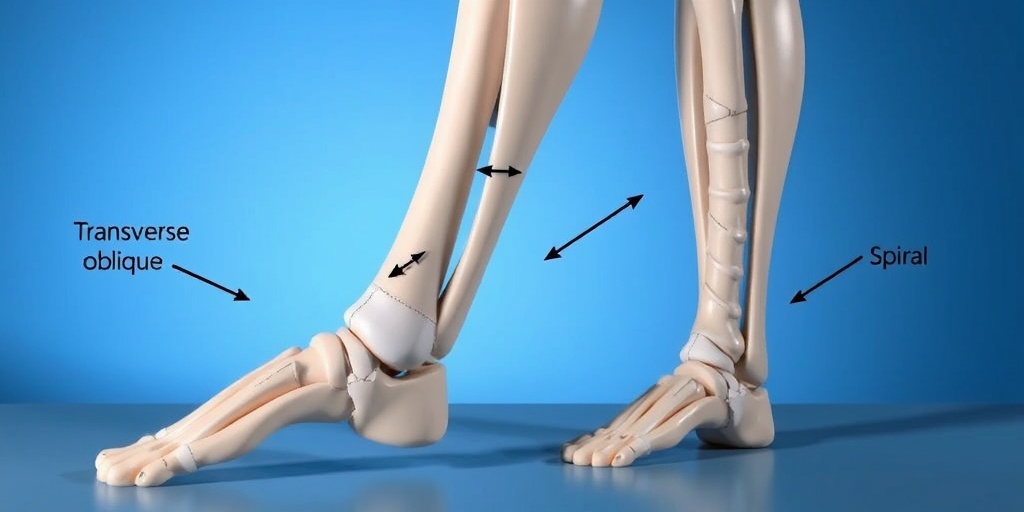
Fracture Symptoms
Fractures can be a painful and distressing experience, and recognizing the symptoms early can lead to prompt treatment and a better recovery. Here are some common signs that may indicate a fracture:
1. Pain and Tenderness
One of the most immediate symptoms of a fracture is intense pain at the site of the injury. This pain may worsen with movement or pressure. Tenderness when touching the area is also a common indicator.
2. Swelling and Bruising
Fractures often lead to swelling around the affected area. You may also notice bruising, which can appear as discoloration of the skin. This is due to bleeding under the skin as a result of the injury.
3. Deformity
In some cases, a fracture can cause the affected limb or area to appear deformed or out of place. This is particularly noticeable in fractures of the arms or legs, where the bone may protrude through the skin in severe cases.
4. Inability to Use the Affected Limb
If you experience a fracture, you may find it difficult or impossible to use the affected limb. This could manifest as an inability to bear weight on a leg or to move an arm. This symptom is a clear sign that medical attention is needed.
5. Grinding Sensation
Some individuals report a grinding sensation or sound at the time of injury, which can indicate that the bone has broken. This symptom is often accompanied by immediate pain and swelling.
6. Numbness or Tingling
In certain cases, a fracture may cause numbness or tingling in the area surrounding the injury. This can occur if the fracture is pressing on nerves or blood vessels.
If you suspect a fracture, it is crucial to seek medical attention promptly. Early diagnosis and treatment can significantly improve recovery outcomes. 🏥
Causes of Fractures
Understanding the causes of fractures can help in prevention and management. Fractures can occur due to various factors, and here are some of the most common causes:
1. Trauma or Injury
The most common cause of fractures is trauma, which can result from falls, accidents, or sports injuries. High-impact activities, such as contact sports or car accidents, can lead to significant force being applied to bones, resulting in fractures.
2. Osteoporosis
Osteoporosis is a condition characterized by weakened bones, making them more susceptible to fractures. This is particularly common in older adults, especially postmenopausal women, as bone density decreases with age.
3. Overuse or Repetitive Stress
Fractures can also occur due to overuse or repetitive stress on a bone. This is often seen in athletes who engage in high-impact sports without adequate rest, leading to stress fractures, particularly in the feet and legs.
4. Medical Conditions
Certain medical conditions can predispose individuals to fractures. Conditions such as cancer, which can weaken bones, or metabolic disorders that affect bone health can increase the risk of fractures.
5. Poor Nutrition
A diet lacking in essential nutrients, particularly calcium and vitamin D, can weaken bones and increase the likelihood of fractures. Ensuring a balanced diet is crucial for maintaining bone health.
6. Age
As we age, our bones naturally become weaker and more brittle. This makes older adults more vulnerable to fractures, even from minor falls or injuries. Regular check-ups and bone density tests can help monitor bone health in older individuals.
By understanding the symptoms and causes of fractures, individuals can take proactive steps to protect their bone health and seek timely medical intervention when necessary. 🦴

Fracture Risk Factors
Fractures are a common injury that can occur due to various reasons, and understanding the risk factors associated with them is crucial for prevention. Here, we’ll explore the key factors that can increase the likelihood of experiencing a fracture.
Age
As we age, our bones naturally become weaker and more brittle. This condition, known as osteoporosis, significantly increases the risk of fractures, especially in individuals over the age of 50. Older adults are particularly susceptible to hip and wrist fractures due to falls.
Gender
Women are generally at a higher risk of fractures compared to men, primarily due to hormonal changes that occur during menopause. The decrease in estrogen levels can lead to a rapid loss of bone density, making women more vulnerable to fractures.
Bone Health
Individuals with pre-existing conditions such as osteoporosis or osteopenia have a higher risk of fractures. These conditions weaken bones, making them more susceptible to breaks even with minimal trauma.
Physical Activity Level
Low levels of physical activity can contribute to weaker bones. Regular weight-bearing exercises, such as walking or resistance training, help maintain bone density. Conversely, a sedentary lifestyle can increase fracture risk.
Nutrition
A diet lacking in essential nutrients, particularly calcium and vitamin D, can lead to weakened bones. Calcium is vital for bone strength, while vitamin D helps the body absorb calcium effectively. Ensure your diet includes:
- Dairy products (milk, cheese, yogurt)
- Leafy greens (kale, spinach)
- Fatty fish (salmon, mackerel)
- Fortified foods (cereals, orange juice)
Medical Conditions
Certain medical conditions, such as rheumatoid arthritis, diabetes, and hyperthyroidism, can increase fracture risk. Medications used to treat these conditions may also contribute to bone loss, further elevating the risk.
Environmental Factors
Environmental factors, such as poor lighting, slippery surfaces, and cluttered walkways, can increase the likelihood of falls, leading to fractures. Taking precautions in your living environment can help mitigate these risks.
Fracture Diagnosis
Diagnosing a fracture accurately is essential for effective treatment. Here’s a look at the common methods used to diagnose fractures.
Medical History and Physical Examination
The first step in diagnosing a fracture typically involves a thorough medical history and physical examination. A healthcare provider will ask about:
- The mechanism of injury (how the fracture occurred)
- Symptoms experienced (pain, swelling, bruising)
- Any previous fractures or bone health issues
During the physical examination, the doctor will assess the affected area for tenderness, swelling, and deformity.
Imaging Tests
To confirm a fracture diagnosis, imaging tests are often required. The most common tests include:
- X-rays: The primary tool for diagnosing fractures, X-rays can reveal the presence and type of fracture.
- CT Scans: These provide a more detailed view of complex fractures, especially in areas like the spine or pelvis.
- MRIs: Useful for detecting stress fractures or injuries to surrounding soft tissues.
Bone Scans
In some cases, a bone scan may be recommended to identify fractures that are not visible on X-rays, particularly stress fractures. This test involves injecting a small amount of radioactive material into the bloodstream, which highlights areas of increased bone activity.
Assessment of Bone Density
For individuals at high risk of fractures, a bone density test may be conducted. This test measures the strength of bones and helps determine the likelihood of future fractures. It is especially important for postmenopausal women and older adults.
Understanding the risk factors and diagnostic methods for fractures can empower individuals to take proactive steps in maintaining bone health and seeking timely medical attention when necessary. 🦴💪
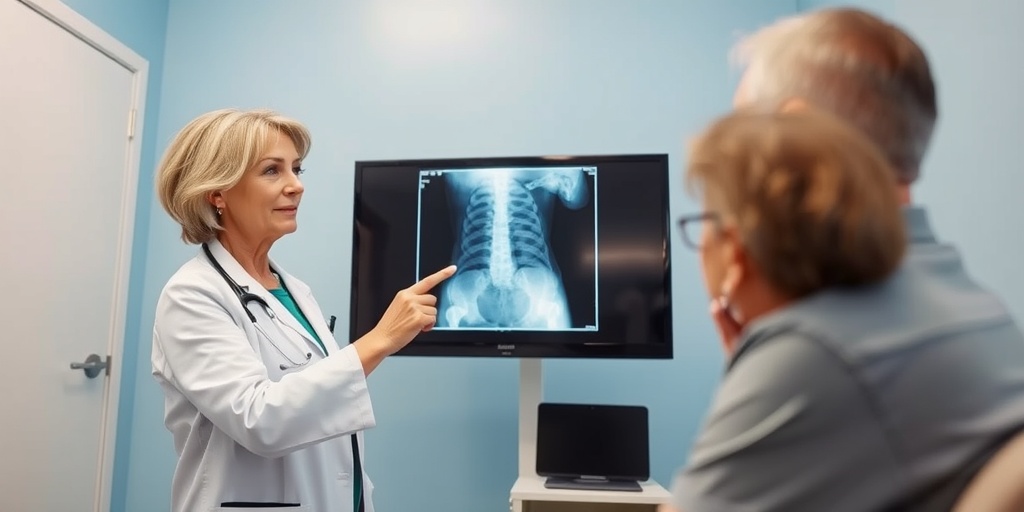
Fracture Treatment Options
Fractures, or broken bones, can occur due to various reasons, including accidents, falls, or sports injuries. Understanding the treatment options available is crucial for effective recovery. Here, we’ll explore the most common fracture treatment options that healthcare professionals may recommend.
1. Non-Surgical Treatments
Many fractures can heal without the need for surgery. Non-surgical treatments typically include:
- Immobilization: This is often the first step in treating a fracture. A cast or splint is used to keep the broken bone stable and prevent movement, allowing it to heal properly.
- Rest: Giving the affected area time to heal is essential. Avoiding weight-bearing activities can significantly aid in recovery.
- Ice Therapy: Applying ice packs can help reduce swelling and alleviate pain in the initial stages of a fracture.
- Pain Management: Over-the-counter pain relievers, such as ibuprofen or acetaminophen, can help manage discomfort during the healing process.
2. Surgical Treatments
In some cases, surgery may be necessary to ensure proper healing. Surgical options include:
- Internal Fixation: This involves the use of metal plates, screws, or rods to stabilize the broken bone from the inside.
- External Fixation: In this method, a frame is attached to the outside of the limb, holding the bones in place while they heal.
- Bone Grafting: If the fracture is severe or if there is a significant bone loss, a bone graft may be used to promote healing.
3. Rehabilitation and Physical Therapy
After the initial treatment, rehabilitation plays a vital role in recovery. Physical therapy can help restore strength, flexibility, and function to the affected area. A physical therapist will design a personalized program that may include:
- Strengthening Exercises: These exercises help rebuild muscle strength around the fracture site.
- Range of Motion Exercises: These are crucial for regaining flexibility and preventing stiffness.
- Balance and Coordination Training: This helps individuals regain confidence in their movements and reduces the risk of future injuries.
Fracture Recovery and Rehabilitation
Recovering from a fracture is a gradual process that requires patience and commitment. The timeline for recovery can vary significantly based on the type and location of the fracture, as well as the individual’s overall health. Here’s what you need to know about fracture recovery and rehabilitation.
1. Understanding the Healing Process
The healing process for fractures typically occurs in three stages:
- Inflammatory Phase: This initial phase lasts for a few days after the fracture occurs. The body responds to the injury with inflammation, which helps to stabilize the fracture.
- Repair Phase: This phase can last several weeks to months, during which new bone tissue forms around the fracture site.
- Remodeling Phase: In this final phase, which can last for years, the new bone gradually strengthens and reshapes itself to restore its original structure.
2. Factors Influencing Recovery
Several factors can influence the speed and success of fracture recovery:
- Age: Younger individuals tend to heal faster than older adults.
- Nutrition: A balanced diet rich in calcium and vitamin D is essential for bone health and recovery.
- Overall Health: Pre-existing health conditions, such as osteoporosis, can affect healing.
- Adherence to Treatment: Following medical advice and attending physical therapy sessions can significantly impact recovery time.
3. Tips for a Successful Recovery
To enhance your recovery from a fracture, consider the following tips:
- Stay Active: Engage in low-impact activities as recommended by your healthcare provider to maintain overall fitness.
- Follow Up with Your Doctor: Regular check-ups are essential to monitor healing progress and make necessary adjustments to your treatment plan.
- Be Patient: Recovery takes time, and rushing the process can lead to complications.
In conclusion, understanding the various fracture treatment options and the recovery process is vital for anyone dealing with a fracture. By following medical advice and committing to rehabilitation, individuals can look forward to a successful recovery and return to their normal activities. 🦴✨

Frequently Asked Questions about Fractures
What are fractures?
Fractures are breaks in the continuity of a bone. They can occur due to various reasons, including trauma, stress, or underlying medical conditions. Understanding the nature of fractures is essential for proper treatment and recovery.
What are the different types of fractures?
Fractures can be classified into several types, including:
- Simple Fracture: A clean break that does not pierce the skin.
- Compound Fracture: A break where the bone protrudes through the skin.
- Stress Fracture: A small crack in the bone caused by repetitive force or overuse.
- Comminuted Fracture: A fracture where the bone is shattered into multiple pieces.
What are the common symptoms of fractures?
Common symptoms of fractures include:
- Pain: Intense pain at the site of the fracture.
- Swelling: Swelling and bruising around the affected area.
- Deformity: Visible deformity or abnormal positioning of the limb.
- Inability to use: Difficulty or inability to move the affected limb.
How are fractures diagnosed?
Fractures are typically diagnosed through a combination of physical examinations and imaging tests, such as:
- X-rays: The most common method for identifying fractures.
- CT scans: Used for complex fractures that are not easily visible on X-rays.
- MRIs: Helpful in detecting stress fractures and soft tissue injuries.
What is the treatment for fractures?
Treatment for fractures depends on the type and severity of the break. Common treatment options include:
- Immobilization: Using casts or splints to keep the bone stable.
- Surgery: In some cases, surgical intervention may be necessary to realign the bones.
- Rehabilitation: Physical therapy to restore strength and mobility after healing.
How long does it take for a fracture to heal?
The healing time for fractures varies based on several factors, including the type of fracture, the age of the patient, and overall health. Generally, fractures can take anywhere from a few weeks to several months to heal completely.
Can fractures lead to complications?
Yes, fractures can lead to complications such as:
- Infection: Particularly in compound fractures where the skin is broken.
- Nonunion: When the bone fails to heal properly.
- Malunion: When the bone heals in an incorrect position.
What can I do to prevent fractures?
Preventing fractures involves maintaining bone health through:
- Nutrition: Consuming a diet rich in calcium and vitamin D.
- Exercise: Engaging in weight-bearing exercises to strengthen bones.
- Safety measures: Using protective gear during sports and being cautious to avoid falls.
Where can I find more information about fractures?
For more detailed information about fractures, consult healthcare professionals or visit reputable medical websites. Always seek professional advice for diagnosis and treatment options.