
What Is Fitness?
Fitness is a broad term that encompasses various aspects of physical health and well-being. At its core, fitness refers to the ability to perform physical activities efficiently and effectively. This includes not only strength and endurance but also flexibility, balance, and overall health. Whether you’re hitting the gym, participating in a fitness class, or engaging in outdoor activities, understanding fitness is essential for achieving your health goals.
The Components of Fitness
Fitness can be broken down into several key components:
- Cardiovascular Endurance: This refers to the efficiency of your heart and lungs in supplying oxygen to your muscles during prolonged physical activity. Activities like running, cycling, and swimming are excellent for improving cardiovascular endurance.
- Muscular Strength: This is the amount of force your muscles can produce. Strength training exercises, such as weightlifting, are crucial for building muscular strength.
- Muscular Endurance: This is the ability of your muscles to perform repeated contractions over time without fatigue. Activities like circuit training can enhance muscular endurance.
- Flexibility: Flexibility is the range of motion available at a joint. Stretching exercises, yoga, and Pilates can improve flexibility.
- Body Composition: This refers to the ratio of fat to lean mass in your body. Maintaining a healthy body composition is vital for overall health.
Understanding these components can help you tailor your fitness routine to meet your specific needs and goals. Whether you’re looking for a fitness gym like Planet Fitness or LA Fitness, or exploring options like Anytime Fitness, knowing what fitness means will guide your choices.
Benefits of Regular Exercise
Engaging in regular exercise offers a multitude of benefits that extend beyond just physical appearance. Here are some of the most significant advantages:
Physical Health Benefits
- Weight Management: Regular exercise helps maintain a healthy weight by burning calories and building muscle. This is particularly important if you’re looking to lose weight or prevent weight gain.
- Improved Cardiovascular Health: Exercise strengthens the heart, improves circulation, and lowers blood pressure, reducing the risk of heart disease.
- Enhanced Muscle and Bone Strength: Weight-bearing exercises increase bone density and muscle strength, which is crucial as we age.
- Boosted Immune System: Regular physical activity can enhance your immune system, helping you fend off illnesses.
Mental Health Benefits
Exercise is not just about physical health; it also plays a vital role in mental well-being:
- Reduced Stress and Anxiety: Physical activity stimulates the production of endorphins, which are natural mood lifters. This can significantly reduce feelings of stress and anxiety.
- Improved Sleep Quality: Regular exercise can help you fall asleep faster and deepen your sleep, leading to better overall rest.
- Enhanced Cognitive Function: Exercise has been linked to improved memory and cognitive function, making it easier to focus and learn.
Social Benefits
Joining a fitness center or participating in group classes can also provide social benefits:
- Community Engagement: Being part of a fitness community, such as a fitness park or a gym like Crunch Fitness, fosters social connections and support.
- Motivation and Accountability: Working out with others can motivate you to stick to your fitness goals and hold you accountable.
Incorporating regular exercise into your routine can lead to a healthier, happier life. Whether you’re exploring options like 24 Hour Fitness or looking for a fitness tracker to monitor your progress, the journey to fitness is rewarding.
For more personalized health insights and evidence-based answers, consider visiting Yesil Health AI. They provide valuable resources to help you navigate your fitness journey effectively.
In conclusion, fitness is a multifaceted concept that encompasses physical, mental, and social well-being. By understanding what fitness means and the benefits of regular exercise, you can take proactive steps toward a healthier lifestyle. So, whether you’re searching for fitness near me or planning your next workout, remember that every step counts! 💪

Types of Fitness Activities
When it comes to fitness, variety is the spice of life! Engaging in different types of fitness activities not only keeps your routine exciting but also helps you target various muscle groups and improve your overall health. Here’s a breakdown of some popular fitness activities you can explore:
1. Cardiovascular Exercises
Cardio workouts are essential for heart health and burning calories. These activities increase your heart rate and improve your endurance. Some popular forms of cardiovascular exercises include:
- Running or Jogging: Great for building stamina and can be done anywhere.
- Cycling: Whether on a stationary bike or outdoors, cycling is a fantastic way to get your heart pumping.
- Swimming: A low-impact exercise that works almost every muscle group while being easy on the joints.
- Group Fitness Classes: Classes like Zumba, spinning, or kickboxing can make cardio fun and social!
2. Strength Training
Strength training is crucial for building muscle, increasing metabolism, and improving bone density. You can use free weights, resistance bands, or machines at a fitness gym. Here are some effective strength training activities:
- Weightlifting: Focus on major muscle groups with exercises like squats, deadlifts, and bench presses.
- Bodyweight Exercises: Push-ups, pull-ups, and lunges can be done anywhere and require no equipment.
- Resistance Band Workouts: These bands are portable and versatile, perfect for home workouts.
3. Flexibility and Balance Training
Flexibility and balance are often overlooked but are vital for overall fitness. Incorporating these activities can enhance your performance in other workouts and reduce the risk of injury:
- Yoga: A holistic approach that improves flexibility, strength, and mental clarity.
- Pilates: Focuses on core strength and stability, enhancing overall body control.
- Stretching: Simple stretches can improve flexibility and help with recovery after workouts.
4. Recreational Activities
Sometimes, the best way to stay fit is to have fun! Engaging in recreational activities can provide a great workout without feeling like a chore:
- Sports: Join a local league for basketball, soccer, or tennis to combine fitness with social interaction.
- Dancing: Whether it’s salsa, hip-hop, or ballroom, dancing is a fantastic way to get moving.
- Hiking: Explore nature while getting a great workout; it’s a win-win!
Fitness Goals and Planning
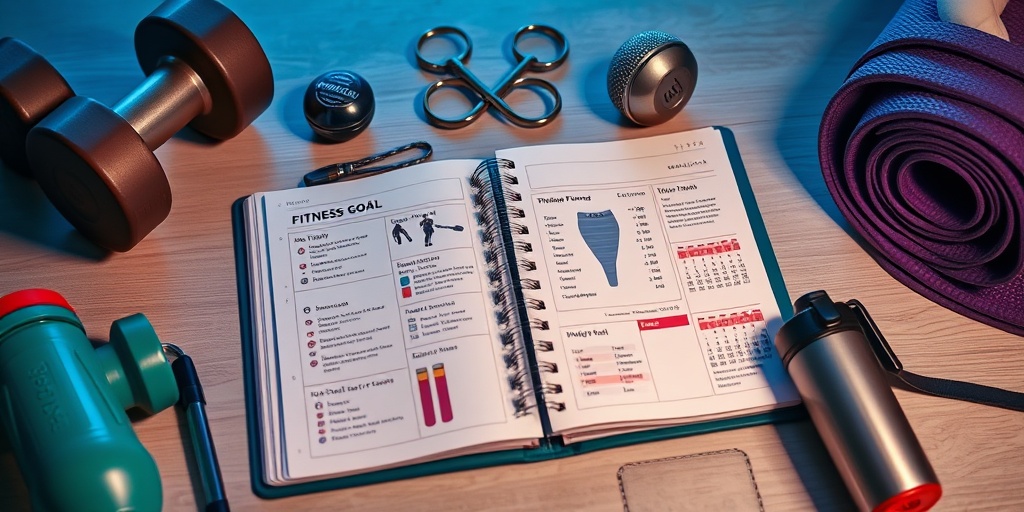
Setting fitness goals is crucial for maintaining motivation and tracking progress. Whether you’re a beginner or a seasoned athlete, having clear objectives can help you stay focused. Here’s how to effectively plan your fitness journey:
1. Define Your Goals
Start by identifying what you want to achieve. Your goals should be specific, measurable, achievable, relevant, and time-bound (SMART). Here are some examples:
- Weight Loss: Aim to lose a specific number of pounds within a set timeframe.
- Muscle Gain: Set a target for increasing your strength or muscle mass.
- Endurance: Train for a specific event, like a 5K run or a cycling marathon.
2. Create a Workout Plan
Once you have your goals in mind, it’s time to create a structured workout plan. Consider the following:
- Frequency: Decide how many days a week you can commit to working out.
- Variety: Incorporate different types of fitness activities to keep things interesting.
- Rest Days: Schedule rest days to allow your body to recover and prevent burnout.
3. Track Your Progress
Monitoring your progress is essential for staying motivated. Use a fitness tracker or a mobile app to log your workouts, track your nutrition, and measure your achievements. This can help you see how far you’ve come and adjust your plan as needed.
4. Stay Flexible and Adjust
Life can be unpredictable, so it’s important to remain flexible with your fitness plan. If you find that certain workouts aren’t working for you or your goals change, don’t hesitate to adjust your routine. Remember, the key is to find what works best for you and keeps you engaged!
By understanding the various types of fitness activities and setting clear goals, you can create a personalized fitness journey that not only meets your needs but also keeps you motivated and excited about your health! 💪✨
Nutrition for Fitness
When it comes to achieving your fitness goals, nutrition plays a pivotal role. Whether you’re hitting the gym at Planet Fitness, LA Fitness, or your local fitness center, understanding how to fuel your body can make all the difference. Let’s dive into the essential components of nutrition that support your fitness journey.
The Basics of Nutrition
Nutrition is not just about counting calories; it’s about providing your body with the right nutrients to perform at its best. Here are the key components:
- Carbohydrates: These are your body’s primary energy source. Opt for complex carbs like whole grains, fruits, and vegetables to sustain your energy levels during workouts.
- Proteins: Essential for muscle repair and growth, proteins should be a staple in your diet. Sources include lean meats, fish, eggs, and plant-based options like beans and lentils.
- Fats: Healthy fats, such as those found in avocados, nuts, and olive oil, are crucial for hormone production and overall health.
- Vitamins and Minerals: These micronutrients support various bodily functions, including immune health and energy production. A colorful diet rich in fruits and vegetables can help you meet your needs.
Pre- and Post-Workout Nutrition
Timing your meals around your workouts can enhance performance and recovery. Here’s how:
- Pre-Workout: Aim to eat a balanced meal containing carbs and protein about 1-3 hours before exercising. This could be a banana with peanut butter or a smoothie with spinach and protein powder.
- Post-Workout: After your workout, focus on replenishing your energy stores and repairing muscles. A combination of protein and carbs, like a protein shake with a piece of fruit, is ideal.
Hydration Matters
Staying hydrated is crucial for optimal performance. Water helps regulate body temperature, lubricate joints, and transport nutrients. Aim to drink water before, during, and after your workouts. If you’re engaging in intense exercise, consider electrolyte drinks to replenish lost minerals.
Fitness for Different Age Groups
Fitness is a lifelong journey, and the approach to exercise can vary significantly across different age groups. Understanding these differences can help tailor your fitness routine to suit your needs, whether you’re a teenager, an adult, or a senior.
Fitness for Children and Teens
For children and teenagers, physical activity is essential for growth and development. Here are some guidelines:
- Encourage Variety: Activities should be fun and varied, including sports, dance, and outdoor play. This keeps them engaged and promotes a love for fitness.
- Focus on Skill Development: Emphasize skill-building rather than competition. This helps build confidence and encourages lifelong fitness habits.
- Limit Screen Time: Encourage active play instead of sedentary activities. Aim for at least 60 minutes of moderate to vigorous activity each day.
Fitness for Adults
As we transition into adulthood, fitness becomes crucial for maintaining health and preventing chronic diseases. Here’s what to consider:
- Strength Training: Incorporate strength training exercises at least twice a week. This helps build muscle mass and supports metabolism.
- Cardiovascular Health: Aim for at least 150 minutes of moderate aerobic activity, such as brisk walking or cycling, each week.
- Flexibility and Balance: Include activities like yoga or Pilates to enhance flexibility and balance, which are vital as we age.
Fitness for Seniors
For seniors, maintaining fitness is essential for independence and quality of life. Here are some tailored recommendations:
- Low-Impact Activities: Engage in low-impact exercises like swimming, walking, or cycling to reduce the risk of injury.
- Strength and Balance Training: Focus on exercises that improve strength and balance, such as resistance training and tai chi.
- Stay Social: Join group classes at your local fitness gym or community center. This not only keeps you active but also fosters social connections.
Regardless of your age, finding a fitness park or a fitness center that suits your needs can make all the difference. Remember, fitness is not just about working out; it’s about creating a sustainable lifestyle that promotes health and well-being at every stage of life. 🌟

Common Fitness Myths
When it comes to fitness, misinformation can be as prevalent as the desire to get fit. Many people fall prey to common myths that can hinder their progress or lead to frustration. Let’s debunk some of these myths to help you on your fitness journey!
Myth 1: Lifting Weights Makes You Bulky
One of the most pervasive myths is that lifting weights will make you bulky. In reality, weight training is essential for building lean muscle mass and increasing metabolism. Women, in particular, often fear that lifting weights will lead to a masculine physique. However, due to hormonal differences, women typically do not gain muscle mass as easily as men. Instead, weight training can help tone your body and improve overall strength.
Myth 2: You Can Spot Reduce Fat
Many believe that by targeting specific areas of the body with exercises, they can reduce fat in those areas. This is known as spot reduction, and unfortunately, it’s a myth. Fat loss occurs throughout the body as a result of a caloric deficit, not just in the areas you exercise. Incorporating a balanced routine of cardio, strength training, and a healthy diet is the most effective way to lose fat.
Myth 3: Cardio is the Only Way to Lose Weight
While cardio is an excellent way to burn calories, it’s not the only method for weight loss. Strength training plays a crucial role in building muscle, which in turn helps burn more calories at rest. A combination of both cardio and strength training is the best approach for effective weight loss and overall fitness.
Myth 4: You Need to Work Out Every Day
Another common misconception is that you must work out every day to see results. In reality, rest days are just as important as workout days. Your body needs time to recover and repair muscles after intense workouts. Incorporating rest days into your routine can prevent burnout and reduce the risk of injury.
Myth 5: Fitness is Only for Young People
Fitness is for everyone, regardless of age! Many people believe that once they reach a certain age, they should stop exercising. However, staying active can improve quality of life, enhance mobility, and reduce the risk of chronic diseases at any age. Programs like Planet Fitness and LA Fitness offer classes tailored for all age groups, making it easier to find a fitness community that suits your needs.
Staying Motivated in Fitness
Staying motivated in your fitness journey can be challenging, especially when faced with obstacles or plateaus. Here are some effective strategies to keep your motivation high and your goals in sight!
Set Realistic Goals
Setting achievable goals is crucial for maintaining motivation. Instead of aiming for drastic changes, focus on small, incremental goals. For example, if you’re new to the gym, start with a goal of attending three times a week. As you build confidence and strength, you can gradually increase your targets.
Find a Workout Buddy
Working out with a friend can make fitness more enjoyable and hold you accountable. A workout buddy can provide support, encouragement, and even a little friendly competition. Whether you’re hitting the fitness gym or trying out a new class at Anytime Fitness, having someone by your side can make a significant difference.
Mix Up Your Routine
Doing the same workout repeatedly can lead to boredom and decreased motivation. To keep things fresh, try mixing up your routine. Experiment with different types of workouts, such as yoga, HIIT, or group classes at your local fitness center. This not only keeps you engaged but also challenges your body in new ways.
Track Your Progress
Using a fitness tracker or app can help you monitor your progress and celebrate your achievements. Seeing how far you’ve come can be incredibly motivating. Whether it’s tracking your steps, workouts, or even your nutrition, having tangible evidence of your progress can keep you focused on your goals.
Join a Community
Being part of a fitness community can provide a sense of belonging and motivation. Whether it’s joining a local fitness park group, participating in challenges at Crunch Fitness, or engaging with online fitness forums, connecting with others who share your goals can inspire you to stay committed.
Remember, the journey to fitness is personal and unique to each individual. By debunking myths and implementing strategies to stay motivated, you can create a sustainable and enjoyable fitness routine that works for you! 💪✨

Frequently Asked Questions about Fitness
What is the best way to start my fitness journey? 🤔
Starting your fitness journey can be exciting yet overwhelming. It’s essential to set realistic goals, choose activities you enjoy, and consider joining a fitness center or gym like Planet Fitness or LA Fitness. Additionally, using a fitness tracker can help you monitor your progress.
How often should I work out? 🏋️♂️
For optimal results, aim for at least 150 minutes of moderate aerobic activity or 75 minutes of vigorous activity each week. Incorporating strength training exercises at least twice a week is also beneficial. Consider visiting a fitness gym or fitness park for a variety of workout options.
What are some effective workouts for beginners? 💪
- Walking or jogging
- Bodyweight exercises (like push-ups and squats)
- Yoga or Pilates
- Group classes at your local fitness center
How can I stay motivated to exercise? 🌟
Staying motivated can be challenging. Here are some tips:
- Set achievable goals
- Track your progress with a fitness watch
- Join a community or group for support
- Try new activities to keep things fresh
What should I look for in a fitness membership? 🏅
When choosing a fitness membership, consider the following:
- Location and accessibility
- Variety of equipment and classes
- Operating hours (24-hour access is a plus!)
- Membership costs and any additional fees
Are there any fitness apps that can help me? 📱
Yes! There are numerous AI fitness apps available that can help you plan workouts, track progress, and even provide nutrition advice. Popular options include Apple Fitness and various fitness tracker apps that sync with your devices.
What are the benefits of joining a gym? 🏢
Joining a gym like Anytime Fitness or Crunch Fitness offers several benefits:
- Access to a wide range of equipment
- Group classes for motivation
- Professional trainers for guidance
- A supportive community of fellow fitness enthusiasts
How can I incorporate fitness into my daily routine? ⏰
Incorporating fitness into your daily routine can be simple. Try:
- Taking the stairs instead of the elevator
- Walking or biking to work
- Scheduling regular workout sessions in your calendar
- Participating in active family outings
What should I eat before and after a workout? 🍏
Before a workout, opt for a light snack that includes carbohydrates and protein, such as a banana with peanut butter. After exercising, focus on replenishing your energy with a balanced meal that includes protein, healthy fats, and carbohydrates, like grilled chicken with quinoa and vegetables.
Where can I find fitness resources near me? 📍
To find fitness near me, consider searching online for local fitness centers, gyms, or community fitness programs. Websites and apps can help you locate options like 24 Hour Fitness or City Fitness in your area.