What Is Fibrosing Cholangitis?
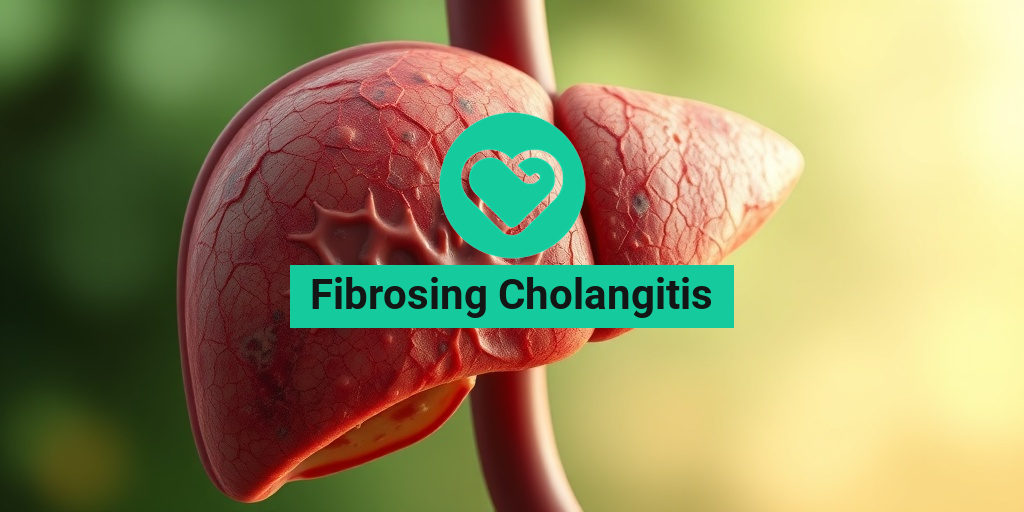
Fibrosing cholangitis is a chronic liver disease characterized by the progressive inflammation and scarring of the bile ducts. This condition can lead to serious complications, including liver failure and bile duct cancer. Understanding fibrosing cholangitis is crucial for early diagnosis and effective management.
Understanding the Bile Ducts
The bile ducts are essential for transporting bile, a digestive fluid produced by the liver, to the small intestine. When these ducts become inflamed and scarred, as seen in fibrosing cholangitis, bile flow is obstructed. This can result in a buildup of bile in the liver, causing further damage.
Types of Fibrosing Cholangitis
Fibrosing cholangitis can be classified into two main types:
- Primary Sclerosing Cholangitis (PSC): This is the most common form and is often associated with inflammatory bowel disease (IBD), particularly ulcerative colitis.
- Secondary Cholangitis: This type occurs due to external factors such as bile duct obstruction from gallstones or tumors.
Causes and Risk Factors
The exact cause of fibrosing cholangitis remains unclear, but several factors may contribute to its development:
- Autoimmune Disorders: Conditions where the immune system attacks the body’s own tissues.
- Genetic Predisposition: A family history of liver diseases may increase risk.
- Chronic Infections: Certain infections can lead to bile duct damage.
Fibrosing Cholangitis Symptoms
Recognizing the symptoms of fibrosing cholangitis is vital for timely intervention. Symptoms can vary widely among individuals, and some may not experience any symptoms in the early stages.
Common Symptoms
Some of the most common symptoms associated with fibrosing cholangitis include:
- Jaundice: A yellowing of the skin and eyes due to elevated bilirubin levels.
- Itching: Persistent itching, known as pruritus, can occur due to bile salt accumulation.
- Fatigue: Chronic tiredness is a frequent complaint among those affected.
- Abdominal Pain: Discomfort or pain in the upper right abdomen may arise.
- Weight Loss: Unexplained weight loss can be a sign of advanced disease.
Advanced Symptoms
As the disease progresses, more severe symptoms may develop, including:
- Ascites: Fluid accumulation in the abdomen.
- Encephalopathy: Confusion or altered mental state due to liver dysfunction.
- Variceal Bleeding: Bleeding from enlarged veins in the esophagus or stomach.
When to Seek Medical Attention
If you experience any of the symptoms mentioned above, especially jaundice or severe abdominal pain, it is crucial to seek medical attention promptly. Early diagnosis and treatment can significantly improve outcomes.
For more information on fibrosing cholangitis and related liver conditions, consider visiting Yesil Health AI, a valuable resource for evidence-based health answers.
In conclusion, understanding fibrosing cholangitis, its symptoms, and the importance of early detection can empower individuals to take charge of their health. Stay informed and proactive in managing your liver health! 🌟

Fibrosing Cholangitis Causes
Fibrosing cholangitis is a complex liver disease characterized by the progressive inflammation and scarring of the bile ducts. Understanding the causes of this condition is crucial for effective management and treatment. While the exact cause of fibrosing cholangitis remains unclear, several factors have been identified that may contribute to its development.
Autoimmune Disorders
One of the primary suspected causes of fibrosing cholangitis is autoimmune disorders. In these conditions, the body’s immune system mistakenly attacks its own tissues. Primary sclerosing cholangitis (PSC), a type of autoimmune disease, is often associated with fibrosing cholangitis. PSC leads to inflammation and scarring of the bile ducts, which can eventually result in cholangitis.
Genetic Factors
Genetics may also play a role in the development of fibrosing cholangitis. Certain genetic markers have been linked to an increased risk of autoimmune diseases, including those affecting the liver. If you have a family history of liver diseases, it may be beneficial to discuss this with your healthcare provider.
Infections
Infections can also contribute to the onset of fibrosing cholangitis. Some studies suggest that chronic infections, particularly those affecting the liver and bile ducts, may trigger inflammatory responses that lead to cholangitis. Ascitic cholangitis, for example, is a condition where infection in the bile ducts can cause inflammation and scarring.
Environmental Factors
Environmental factors, such as exposure to certain chemicals or toxins, may also play a role in the development of fibrosing cholangitis. While research is ongoing, it is essential to be aware of potential environmental risks, especially if you work in industries where exposure to harmful substances is prevalent.
Fibrosing Cholangitis Risk Factors
Identifying risk factors for fibrosing cholangitis can help in early detection and management of the disease. While anyone can develop this condition, certain individuals may be at a higher risk due to various factors.
Age and Gender
Fibrosing cholangitis is more commonly diagnosed in adults, particularly those between the ages of 30 and 60. Additionally, men are more likely to develop this condition than women, suggesting that gender may influence susceptibility.
Associated Liver Diseases
Individuals with other liver diseases, such as primary biliary cholangitis or autoimmune hepatitis, are at an increased risk of developing fibrosing cholangitis. The presence of these conditions can exacerbate liver inflammation and lead to further complications.
Family History
A family history of liver diseases or autoimmune disorders can significantly increase your risk of fibrosing cholangitis. If you have relatives who have been diagnosed with these conditions, it is essential to discuss this with your healthcare provider for appropriate monitoring and preventive measures.
Chronic Inflammatory Conditions
Chronic inflammatory conditions, such as inflammatory bowel disease (IBD), have been linked to an increased risk of fibrosing cholangitis. Individuals with IBD, particularly those with ulcerative colitis, should be vigilant about their liver health and undergo regular check-ups.
Smoking and Alcohol Consumption
Both smoking and excessive alcohol consumption can contribute to liver damage and increase the risk of developing fibrosing cholangitis. Quitting smoking and moderating alcohol intake can significantly improve overall liver health and reduce the risk of complications.
In conclusion, understanding the causes and risk factors associated with fibrosing cholangitis is vital for early detection and management. If you believe you may be at risk, consult with a healthcare professional for personalized advice and monitoring. 🩺
Fibrosing Cholangitis Diagnosis
Diagnosing fibrosing cholangitis can be a complex process, as it often shares symptoms with other liver and biliary tract diseases. Early diagnosis is crucial for effective management and treatment. Here’s a closer look at the diagnostic methods used to identify this condition.
Clinical Evaluation
The first step in diagnosing fibrosing cholangitis typically involves a thorough clinical evaluation. Healthcare providers will review the patient’s medical history and conduct a physical examination. Symptoms that may prompt further investigation include:
- Jaundice (yellowing of the skin and eyes)
- Itching (pruritus)
- Fatigue
- Abdominal pain
- Dark urine and pale stools
Imaging Studies
Once initial symptoms are noted, imaging studies play a vital role in diagnosing fibrosing cholangitis. Common imaging techniques include:
- Ultrasound: This non-invasive test uses sound waves to create images of the liver and bile ducts, helping to identify any abnormalities.
- Magnetic Resonance Cholangiopancreatography (MRCP): This specialized MRI technique provides detailed images of the bile ducts and can reveal strictures or blockages.
- Computed Tomography (CT) Scan: A CT scan can help visualize the liver and surrounding structures, providing additional information about the condition.
Blood Tests
Blood tests are essential in the diagnostic process. They can help assess liver function and detect any underlying autoimmune conditions. Key tests include:
- Liver Function Tests: These tests measure enzymes and substances in the blood that indicate how well the liver is working.
- Autoimmune Markers: Tests for specific antibodies can help determine if an autoimmune disease is contributing to the condition.
Endoscopic Procedures
In some cases, endoscopic procedures may be necessary for a definitive diagnosis. Endoscopic Retrograde Cholangiopancreatography (ERCP) allows doctors to visualize the bile ducts directly and can also be used to collect tissue samples for biopsy.
Biopsy
A biopsy involves taking a small sample of liver tissue to examine it under a microscope. This can help confirm the diagnosis of fibrosing cholangitis and rule out other conditions, such as primary biliary cholangitis or sclerosing cholangitis.
Fibrosing Cholangitis Treatment Options
Once diagnosed, the management of fibrosing cholangitis focuses on alleviating symptoms, preventing complications, and addressing the underlying causes. Treatment options can vary based on the severity of the disease and the patient’s overall health.
Medications
Medications are often the first line of treatment for fibrosing cholangitis. Commonly prescribed medications include:
- Ursodeoxycholic Acid (UDCA): This medication can help improve liver function and reduce bile acid toxicity.
- Immunosuppressants: In cases where an autoimmune component is suspected, drugs that suppress the immune system may be beneficial.
- Antibiotics: If there is an infection or risk of infection in the bile ducts, antibiotics may be prescribed.
Endoscopic Treatments
For patients experiencing strictures or blockages in the bile ducts, endoscopic treatments can provide relief. Procedures such as balloon dilation or stent placement can help open up narrowed bile ducts and improve bile flow.
Surgical Options
In more severe cases, surgical intervention may be necessary. Options include:
- Biliary Bypass Surgery: This procedure creates a new pathway for bile to flow, bypassing blocked areas.
- Liver Transplant: In cases of advanced liver disease, a liver transplant may be the only viable option for long-term survival.
Supportive Care
In addition to medical treatments, supportive care is essential for managing fibrosing cholangitis. This may include:
- Nutritional Support: A balanced diet can help maintain liver health and overall well-being.
- Regular Monitoring: Frequent check-ups with healthcare providers to monitor liver function and disease progression.
- Patient Education: Understanding the disease and its management can empower patients to take an active role in their health.
In conclusion, while the diagnosis and treatment of fibrosing cholangitis can be challenging, a comprehensive approach involving medications, endoscopic procedures, and supportive care can significantly improve patient outcomes. 🌟

Fibrosing Cholangitis Complications
Fibrosing cholangitis is a progressive disease that affects the bile ducts, leading to inflammation and scarring. Understanding the potential complications associated with this condition is crucial for patients and caregivers alike. Here, we will explore some of the most common complications that can arise from fibrosing cholangitis.
1. Biliary Obstruction
One of the primary complications of fibrosing cholangitis is biliary obstruction. As the bile ducts become scarred and narrowed, bile flow can be impeded, leading to a buildup of bile in the liver. This can result in symptoms such as jaundice (yellowing of the skin and eyes), dark urine, and pale stools. If left untreated, biliary obstruction can lead to serious liver damage.
2. Cholangiocarcinoma
Patients with fibrosing cholangitis are at an increased risk of developing cholangiocarcinoma, a type of cancer that originates in the bile ducts. Regular monitoring and screening are essential for early detection, as this cancer can be aggressive and challenging to treat. Symptoms may include unexplained weight loss, abdominal pain, and worsening jaundice.
3. Liver Cirrhosis
Over time, the ongoing damage to the liver caused by fibrosing cholangitis can lead to cirrhosis. This condition occurs when healthy liver tissue is replaced by scar tissue, impairing liver function. Symptoms of cirrhosis can include fatigue, swelling in the legs and abdomen, and confusion. Managing cirrhosis is critical, as it can lead to liver failure.
4. Infections
Patients with fibrosing cholangitis may also be more susceptible to bacterial infections in the bile ducts, known as cholangitis. This condition can cause fever, chills, and abdominal pain. Prompt treatment with antibiotics is necessary to prevent complications such as sepsis, a life-threatening infection that can spread throughout the body.
5. Portal Hypertension
As liver damage progresses, patients may develop portal hypertension, a condition characterized by increased blood pressure in the portal vein, which carries blood from the digestive organs to the liver. This can lead to serious complications, including varices (enlarged veins) that can rupture and cause life-threatening bleeding.
Fibrosing Cholangitis Management and Care
Managing fibrosing cholangitis requires a comprehensive approach that includes medical treatment, lifestyle modifications, and regular monitoring. Here are some key strategies for effective management and care:
1. Regular Monitoring and Screening
Patients diagnosed with fibrosing cholangitis should undergo regular monitoring through blood tests and imaging studies. This helps track liver function and detect any complications early. Routine screenings for cholangiocarcinoma are also recommended, especially for those with long-standing disease.
2. Medications
While there is no cure for fibrosing cholangitis, certain medications can help manage symptoms and slow disease progression. Ursodeoxycholic acid is often prescribed to improve bile flow and reduce liver inflammation. In some cases, immunosuppressive therapy may be considered to manage autoimmune components of the disease.
3. Nutritional Support
A well-balanced diet is essential for individuals with fibrosing cholangitis. Patients should focus on a nutrient-rich diet that includes plenty of fruits, vegetables, whole grains, and lean proteins. Consulting with a registered dietitian can provide personalized dietary recommendations to support liver health.
4. Lifestyle Modifications
Making certain lifestyle changes can significantly impact the management of fibrosing cholangitis. These include:
- Avoiding alcohol: Alcohol can exacerbate liver damage and should be avoided.
- Regular exercise: Engaging in physical activity can help maintain a healthy weight and improve overall well-being.
- Stress management: Techniques such as yoga, meditation, and deep breathing can help reduce stress, which may benefit liver health.
5. Surgical Interventions
In some cases, surgical interventions may be necessary to relieve biliary obstruction or manage complications. Procedures such as biliary drainage or liver transplantation may be considered for patients with advanced disease or significant liver dysfunction.
In conclusion, understanding the complications and management strategies for fibrosing cholangitis is vital for patients and their families. By staying informed and proactive, individuals can better navigate the challenges associated with this condition and work towards maintaining their health and quality of life. 🌟

Frequently Asked Questions about Fibrosing Cholangitis
What is Fibrosing Cholangitis?
Fibrosing Cholangitis is a chronic liver disease characterized by inflammation and scarring of the bile ducts. This condition can lead to bile duct obstruction and liver damage over time.
What are the symptoms of Fibrosing Cholangitis?
Common symptoms include:
- Fatigue
- Itching (pruritus)
- Jaundice (yellowing of the skin and eyes)
- Abdominal pain
- Dark urine and pale stools
How is Fibrosing Cholangitis diagnosed?
Diagnosis typically involves a combination of:
- Blood tests to assess liver function
- Imaging studies such as MRI or CT scans
- Endoscopic retrograde cholangiopancreatography (ERCP) to visualize the bile ducts
What is the difference between biliary cholangitis and sclerosing cholangitis?
Biliary cholangitis refers to inflammation of the bile ducts, while sclerosing cholangitis is a specific type of cholangitis that involves fibrosis and strictures of the bile ducts. Fibrosing cholangitis is often used interchangeably with sclerosing cholangitis, but it can also refer to a broader spectrum of bile duct diseases.
Can Fibrosing Cholangitis lead to liver failure?
Yes, if left untreated, Fibrosing Cholangitis can progress to liver failure due to ongoing damage to the liver and bile ducts.
What are the treatment options for Fibrosing Cholangitis?
Treatment may include:
- Medications to manage symptoms and complications
- Endoscopic procedures to relieve bile duct obstructions
- Liver transplantation in severe cases
Is there a difference between primary biliary cholangitis and sclerosing cholangitis?
Yes, primary biliary cholangitis is an autoimmune disease that primarily affects the small bile ducts in the liver, while sclerosing cholangitis affects larger bile ducts and is often associated with inflammatory bowel disease.
What lifestyle changes can help manage Fibrosing Cholangitis?
Adopting a healthy lifestyle can help manage symptoms. Consider:
- Eating a balanced diet rich in fruits, vegetables, and whole grains
- Avoiding alcohol and processed foods
- Regular exercise to maintain a healthy weight
- Staying hydrated
Where can I find support for Fibrosing Cholangitis?
Support groups and online communities can provide valuable resources and emotional support. Organizations focused on liver health often have information and connections to local support groups.
Is Fibrosing Cholangitis hereditary?
While the exact cause of Fibrosing Cholangitis is not fully understood, there may be a genetic component involved, particularly in cases associated with autoimmune diseases.
What should I do if I suspect I have Fibrosing Cholangitis?
If you experience symptoms associated with Fibrosing Cholangitis, it is important to consult a healthcare professional for a proper evaluation and diagnosis. Early intervention can significantly improve outcomes.