What Is Epstein-Barr Virus?
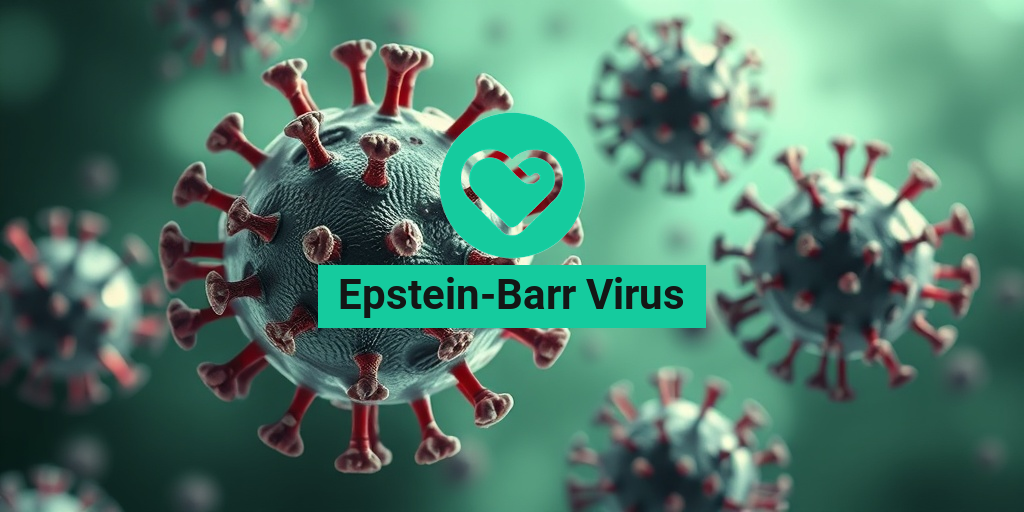
The Epstein-Barr Virus (EBV) is a member of the herpesvirus family and is one of the most common viruses in humans. It was first discovered in 1964 by researchers Epstein and Barr, hence its name. EBV is primarily known for causing infectious mononucleosis, often referred to as “mono” or the “kissing disease,” but its effects can extend far beyond this initial infection.
EBV is transmitted through saliva, which is why it is commonly associated with kissing, but it can also spread through other means such as sharing drinks or utensils. Once a person is infected, the virus remains dormant in the body for life, potentially reactivating later without causing symptoms.
How Common Is EBV?
EBV is incredibly prevalent, with approximately 90% of adults having been infected by the time they reach their late twenties. Most people experience mild or no symptoms during their initial infection, which often goes unnoticed. However, for some, especially adolescents and young adults, the symptoms can be more pronounced.
Potential Complications of EBV
While many individuals recover from EBV without any long-term issues, the virus has been linked to several serious health conditions, including:
- Chronic Fatigue Syndrome
- Autoimmune Disorders (such as lupus and multiple sclerosis)
- Certain Cancers (including Hodgkin’s lymphoma and nasopharyngeal carcinoma)
Understanding the implications of EBV is crucial for early detection and management of these potential complications. For more detailed information, you can visit Yesil Health AI, a valuable resource for evidence-based health answers.
EBV Symptoms
The symptoms of an Epstein-Barr Virus infection can vary widely among individuals. While some may experience no symptoms at all, others may suffer from a range of issues that can significantly impact their quality of life.
Common Symptoms of EBV
When symptoms do occur, they typically manifest within four to six weeks after exposure to the virus. Common symptoms include:
- Fatigue: A profound sense of tiredness that doesn’t improve with rest.
- Fever: A mild to moderate fever is often present.
- Sore Throat: This can be severe and may resemble strep throat.
- Swollen Lymph Nodes: Particularly in the neck and armpits.
- Headaches: Frequent headaches can accompany other symptoms.
- Rash: Some individuals may develop a rash, which can vary in appearance.
Neurological Symptoms
In rare cases, EBV can lead to neurological symptoms, which may include:
- Memory Issues: Difficulty concentrating or memory lapses.
- Nerve Pain: Some individuals report neuropathic pain.
- Seizures: Though uncommon, seizures can occur in severe cases.
When to Seek Medical Attention
If you suspect you have been infected with the Epstein-Barr Virus and experience severe symptoms, it is essential to consult a healthcare professional. Early diagnosis and management can help mitigate complications and improve recovery outcomes.
In conclusion, the Epstein-Barr Virus is a common yet complex virus that can lead to a variety of symptoms and potential health issues. Understanding its effects and recognizing the symptoms can empower individuals to seek appropriate care. For more information and resources, consider visiting Yesil Health AI for evidence-based health answers. 🌟

How EBV Spreads
The Epstein-Barr Virus (EBV), a member of the herpesvirus family, is one of the most common viruses in humans. Understanding how this virus spreads is crucial for prevention and awareness. Here’s a closer look at the primary modes of transmission.
Saliva: The Primary Mode of Transmission
EBV is primarily spread through saliva, which is why it’s often referred to as the “kissing disease.” This means that activities such as:
- Kissing
- Sharing drinks or utensils
- Engaging in close personal contact
can facilitate the transmission of the virus. Even casual contact can pose a risk, especially among teenagers and young adults who are more likely to engage in these behaviors. 😘
Other Modes of Transmission
While saliva is the most common route, EBV can also spread through:
- Blood: Blood transfusions or organ transplants from an infected donor can transmit the virus.
- Semen: There is evidence suggesting that EBV can be present in semen, potentially spreading through sexual contact.
- Breast Milk: In rare cases, mothers can transmit EBV to their infants through breastfeeding.
It’s important to note that the virus can remain dormant in the body after the initial infection, which means that individuals can carry and potentially spread the virus even if they are not currently experiencing symptoms. This asymptomatic shedding can complicate efforts to control the spread of EBV.
Risk Factors for EBV
Understanding the risk factors associated with Epstein-Barr Virus infection can help individuals take proactive measures to protect themselves. Here are some key factors to consider:
Age and Lifestyle
EBV is most commonly contracted during adolescence or young adulthood. Factors that increase the risk include:
- Being a teenager or young adult: This age group is more likely to engage in social activities that facilitate the spread of the virus.
- Living in close quarters: College dorms or military barracks can increase exposure due to shared spaces and close contact.
Immune System Health
Individuals with weakened immune systems are at a higher risk of developing complications from EBV. This includes:
- People with autoimmune diseases: Conditions like lupus or rheumatoid arthritis can compromise immune function.
- Individuals undergoing immunosuppressive therapy: Treatments for cancer or organ transplants can weaken the immune response.
Geographic and Socioeconomic Factors
EBV prevalence can vary by geographic location and socioeconomic status. In some developing countries, the virus is contracted at a younger age due to crowded living conditions and limited access to healthcare. Conversely, in developed nations, the virus is often contracted later in life, typically during adolescence or young adulthood.
Family History
Having a family history of EBV-related conditions, such as EBV-associated cancers, may also increase an individual’s risk. Genetic predispositions can play a role in how the body responds to the virus.
By understanding these risk factors, individuals can take steps to minimize their exposure to the Epstein-Barr Virus and maintain their overall health. Awareness and education are key in combating the spread of this common virus. 🌍💪

Diagnosing Epstein-Barr Virus
Diagnosing the Epstein-Barr Virus (EBV) can be a complex process, as its symptoms often mimic those of other illnesses. EBV is a member of the herpesvirus family and is best known for causing infectious mononucleosis, commonly referred to as “mono.” Understanding how healthcare professionals diagnose this virus is crucial for effective treatment and management.
Common Symptoms to Look For
When it comes to identifying an EBV infection, several symptoms may arise. These can include:
- Fatigue: A persistent feeling of tiredness that doesn’t improve with rest.
- Sore Throat: Often severe, resembling strep throat.
- Swollen Lymph Nodes: Particularly in the neck and armpits.
- Fever: A mild to moderate fever may occur.
- Rash: Some individuals may develop a rash, which can vary in appearance.
Diagnostic Tests for EBV
To confirm an Epstein-Barr Virus infection, healthcare providers may utilize several diagnostic tests:
- Monospot Test: This rapid test detects heterophile antibodies that are typically present in mono cases.
- EBV Antibody Test: This blood test measures specific antibodies to determine if the infection is recent or past.
- Complete Blood Count (CBC): A CBC can reveal atypical lymphocytes, which are often elevated in EBV infections.
It’s important to note that while these tests can confirm the presence of EBV, they may not always indicate the severity of the infection or its complications. If you suspect you have symptoms related to the Epstein-Barr Virus, consult a healthcare professional for a thorough evaluation.
Complications of EBV
While many people recover from an Epstein-Barr Virus infection without any long-term effects, some may experience complications that can significantly impact their health. Understanding these potential complications is essential for anyone diagnosed with EBV.
Potential Complications
Here are some of the more serious complications associated with EBV:
- Splenic Rupture: In rare cases, the spleen can become enlarged and may rupture, leading to severe internal bleeding.
- Hepatitis: EBV can cause liver inflammation, resulting in jaundice and elevated liver enzymes.
- Neurological Issues: Some individuals may experience neurological symptoms, such as meningitis or encephalitis, which can lead to serious complications.
- Chronic Fatigue Syndrome: A subset of individuals may develop chronic fatigue syndrome following an EBV infection, characterized by prolonged fatigue and other debilitating symptoms.
- Increased Risk of Certain Cancers: There is a documented association between EBV and certain cancers, including Hodgkin’s lymphoma and nasopharyngeal carcinoma.
Recognizing Symptoms of Complications
Being aware of the symptoms that may indicate complications is crucial. If you experience any of the following, seek medical attention promptly:
- Severe Abdominal Pain: This could indicate splenic rupture.
- Persistent Fever: A high fever that doesn’t subside may signal a more serious infection.
- Neurological Symptoms: Headaches, confusion, or seizures should be evaluated immediately.
In conclusion, while the Epstein-Barr Virus can lead to various complications, early diagnosis and appropriate medical care can help manage symptoms and reduce risks. If you suspect you have EBV or are experiencing complications, don’t hesitate to reach out to a healthcare provider for guidance and support. 🌟

EBV Treatment Options
The Epstein-Barr Virus (EBV) is a member of the herpesvirus family and is best known for causing infectious mononucleosis, commonly referred to as “mono.” While there is no specific cure for EBV, various treatment options can help manage symptoms and support recovery. Understanding these options is crucial for anyone affected by this virus.
Symptomatic Treatment
Most treatments for EBV focus on alleviating symptoms rather than targeting the virus itself. Here are some common symptomatic treatments:
- Pain Relievers: Over-the-counter medications like ibuprofen or acetaminophen can help reduce fever and relieve sore throat and body aches.
- Hydration: Staying well-hydrated is essential. Drinking plenty of fluids can help soothe a sore throat and prevent dehydration.
- Rest: Adequate rest is vital for recovery. Allowing your body to heal can significantly speed up the recovery process.
Antiviral Medications
While there are no specific antiviral medications approved for treating EBV, some doctors may prescribe antivirals in severe cases, particularly if complications arise. These medications can help reduce the severity and duration of symptoms.
Corticosteroids
In cases where EBV leads to severe complications, such as significant swelling of the throat or difficulty breathing, corticosteroids may be prescribed. These medications can help reduce inflammation and alleviate symptoms.
Supportive Therapies
In addition to conventional treatments, some patients find relief through supportive therapies:
- Herbal Remedies: Some herbal supplements, like echinacea and elderberry, are believed to support the immune system. However, consult with a healthcare provider before starting any new supplement.
- Dietary Adjustments: A balanced diet rich in vitamins and minerals can help boost the immune system. Foods high in antioxidants, such as fruits and vegetables, are particularly beneficial.
Monitoring and Follow-Up
Regular follow-up with a healthcare provider is essential for managing EBV, especially if symptoms persist or worsen. Blood tests can help monitor the virus’s activity and assess any potential complications, such as EBV-related cancers.
Preventing Epstein-Barr Virus
Preventing the Epstein-Barr Virus is crucial, especially for individuals at higher risk of complications. While complete prevention may not be possible, certain strategies can significantly reduce the risk of infection.
Understanding Transmission
EBV is primarily transmitted through saliva, which is why it’s often referred to as the “kissing disease.” However, it can also spread through:
- Sharing utensils or drinks: Avoid sharing food or drinks with someone who has an active EBV infection.
- Close contact: Limit close contact with infected individuals, especially during outbreaks.
Good Hygiene Practices
Practicing good hygiene can help prevent the spread of EBV:
- Handwashing: Regularly wash your hands with soap and water, especially before eating or after being in public places.
- Avoiding Touching Your Face: Try to avoid touching your eyes, nose, and mouth, as this can introduce the virus into your system.
Healthy Lifestyle Choices
Maintaining a healthy lifestyle can bolster your immune system, making it more resilient against infections:
- Balanced Diet: Consume a diet rich in fruits, vegetables, whole grains, and lean proteins to support overall health.
- Regular Exercise: Engage in regular physical activity to enhance immune function.
- Stress Management: Practice stress-reducing techniques such as yoga, meditation, or deep-breathing exercises.
Vaccination Research
Currently, there is no vaccine available for the Epstein-Barr Virus, but research is ongoing. Staying informed about advancements in vaccine development can be beneficial for future prevention strategies.
By understanding treatment options and implementing preventive measures, individuals can better manage the impact of the Epstein-Barr Virus on their health. 🌟

Frequently Asked Questions about Epstein-Barr Virus
What is the Epstein-Barr Virus?
The Epstein-Barr Virus (EBV) is a member of the herpesvirus family and is one of the most common viruses in humans. It is best known for causing infectious mononucleosis, often referred to as “mono.” Most people are infected with EBV at some point in their lives, usually during childhood or adolescence.
What are the symptoms of Epstein-Barr Virus?
Symptoms of an Epstein-Barr Virus infection can vary widely. Common symptoms include:
- Fatigue
- Sore throat
- Fever
- Swollen lymph nodes
- Headaches
- Rash
In some cases, individuals may also experience neurological symptoms or complications related to the virus.
How is Epstein-Barr Virus diagnosed?
Diagnosis of an Epstein-Barr Virus infection typically involves a combination of physical examination and laboratory tests. A healthcare provider may order a blood test to check for antibodies associated with EBV, which can confirm the infection.
What treatments are available for Epstein-Barr Virus?
Currently, there is no specific antiviral treatment for Epstein-Barr Virus. Management of the infection usually focuses on relieving symptoms. This may include:
- Rest and hydration
- Pain relievers for fever and sore throat
- In some cases, corticosteroids may be prescribed for severe symptoms
Can Epstein-Barr Virus lead to cancer?
Yes, there is a link between Epstein-Barr Virus and certain types of cancer, such as Hodgkin lymphoma and nasopharyngeal carcinoma. However, it is important to note that not everyone infected with EBV will develop cancer.
What are the neurological symptoms associated with Epstein-Barr Virus?
Some individuals may experience neurological symptoms as a result of an Epstein-Barr Virus infection. These can include:
- Headaches
- Memory problems
- Neuropathy
- Seizures (in rare cases)
If you experience any unusual neurological symptoms, it is essential to consult a healthcare professional.
Is there a vaccine for Epstein-Barr Virus?
As of now, there is no vaccine available to prevent Epstein-Barr Virus infection. Research is ongoing to develop a vaccine, but it is not yet available for public use.
How can I reduce my risk of contracting Epstein-Barr Virus?
While it may be challenging to completely avoid Epstein-Barr Virus, you can take steps to reduce your risk, such as:
- Avoid sharing drinks, utensils, or personal items with others
- Practice good hygiene, including regular handwashing
- Limit close contact with individuals who are sick
When should I see a doctor?
If you suspect you have an Epstein-Barr Virus infection or are experiencing severe symptoms, it is important to seek medical advice. Early diagnosis and management can help alleviate symptoms and prevent complications.