What Is Elephantiasis?
Elephantiasis is a severe condition characterized by the extreme swelling of body parts, most commonly the legs, arms, and genitals. This condition is primarily caused by a parasitic infection, specifically by filarial worms, which are transmitted through mosquito bites. The medical term for this condition is lymphatic filariasis, and it can lead to significant physical and psychological distress for those affected.
The name “elephantiasis” derives from the Greek word “elephas,” meaning elephant, due to the thickened, swollen appearance of the skin that resembles that of an elephant. This condition is not just a cosmetic issue; it can severely impact a person’s quality of life, leading to mobility issues, social stigma, and emotional distress.
Causes of Elephantiasis
Elephantiasis is primarily caused by parasitic infections, with the following filarial worms being the most common culprits:
- Wuchereria bancrofti: This is the most prevalent cause of lymphatic filariasis worldwide.
- Brugia malayi: This parasite is mainly found in Southeast Asia.
- Brugia timori: Less common, this parasite is found in certain regions of Indonesia.
These parasites invade the lymphatic system, leading to blockages that cause fluid accumulation and swelling. The transmission occurs through the bite of infected mosquitoes, making prevention strategies crucial in endemic areas.
Risk Factors
Several factors can increase the risk of developing elephantiasis:
- Living in endemic areas: Regions where the disease is common, such as parts of Africa, Asia, and the Pacific Islands.
- Poor sanitation: Lack of access to clean water and proper sanitation can increase the risk of mosquito breeding.
- Weakened immune system: Individuals with compromised immune systems may be more susceptible to infections.
Elephantiasis Symptoms
The symptoms of elephantiasis can vary in severity and may not appear until years after the initial infection. Early symptoms may be mild, but as the disease progresses, the following signs become more pronounced:
Common Symptoms
- Swelling: The most noticeable symptom is the swelling of the affected limbs or body parts, which can become extremely large and disfigured.
- Thickened skin: The skin over the swollen areas may become thick and hardened, resembling the skin of an elephant.
- Pain and discomfort: Affected individuals may experience pain, tenderness, and discomfort in the swollen areas.
- Infections: The swollen areas are prone to bacterial infections, which can lead to further complications.
Psychological Impact
Beyond the physical symptoms, elephantiasis can have a profound psychological impact. Many individuals face social stigma, isolation, and depression due to their appearance and the limitations imposed by the condition. It is essential to address both the physical and emotional aspects of this disease.
When to Seek Medical Attention
If you notice any signs of swelling or changes in your skin, especially if you live in or have traveled to areas where elephantiasis is common, it is crucial to seek medical attention. Early diagnosis and treatment can help manage symptoms and prevent further complications.
For more information on elephantiasis and other health-related topics, consider visiting Yesil Health AI, a valuable resource for evidence-based health answers.
In conclusion, understanding elephantiasis is vital for prevention and management. By recognizing the symptoms and seeking timely medical care, individuals can improve their quality of life and reduce the impact of this debilitating condition. 🌍💪

Causes of Elephantiasis
Elephantiasis is a condition characterized by extreme swelling, often in the legs, arms, or genitals, due to the accumulation of lymphatic fluid. This condition is primarily caused by parasitic infections, but there are other factors that can contribute to its development. Understanding the causes of elephantiasis is crucial for prevention and treatment.
Parasitic Infections
The most common cause of elephantiasis is a parasitic infection known as lymphatic filariasis. This condition is caused by three types of filarial worms:
- Wuchereria bancrofti
- Brugia malayi
- Brugia timori
These parasites are transmitted to humans through the bites of infected mosquitoes. Once inside the body, the worms can live for several years, blocking the lymphatic vessels and leading to fluid accumulation and swelling.
Non-Parasitic Causes
While parasitic infections are the leading cause, there are other factors that can lead to elephantiasis:
- Infections: Bacterial or fungal infections can cause inflammation and damage to the lymphatic system, contributing to swelling.
- Genetic Factors: Some individuals may have a genetic predisposition that affects their lymphatic system, making them more susceptible to swelling.
- Trauma: Physical injuries or surgeries that damage lymphatic vessels can also lead to elephantiasis.
In some cases, elephantiasis can develop after a severe allergic reaction or as a result of chronic inflammation in the body. Understanding these causes can help in early diagnosis and treatment.
Risk Factors for Elephantiasis
Identifying the risk factors for elephantiasis is essential for prevention and early intervention. Certain populations and conditions are more susceptible to developing this debilitating disease.
Geographical Location
Elephantiasis is more prevalent in tropical and subtropical regions, particularly in parts of Africa, Asia, and the Pacific Islands. Areas with high mosquito populations and poor sanitation are at greater risk. Travelers to these regions should take precautions to avoid mosquito bites.
Socioeconomic Status
Individuals living in impoverished conditions are at a higher risk of contracting elephantiasis. Limited access to healthcare, inadequate sanitation, and poor living conditions can increase exposure to the parasites that cause the disease. Communities with a lack of education about prevention methods are also more vulnerable.
Age and Gender
While elephantiasis can affect anyone, certain demographics are more at risk:
- Age: Adults are more commonly affected than children, as the disease often takes years to develop after initial infection.
- Gender: Males are more frequently diagnosed with elephantiasis, particularly in cases involving the scrotum, which can become severely swollen.
Weakened Immune System
Individuals with compromised immune systems, such as those living with HIV/AIDS or undergoing immunosuppressive therapy, are at a higher risk of developing elephantiasis. A weakened immune response can make it easier for parasitic infections to take hold.
Previous Infections
Having a history of lymphatic filariasis or other infections that affect the lymphatic system can increase the likelihood of developing elephantiasis. Repeated infections can lead to cumulative damage to the lymphatic vessels, resulting in swelling.
By understanding the causes and risk factors associated with elephantiasis, individuals and communities can take proactive steps to reduce their risk and seek timely treatment. Awareness and education are key in combating this debilitating condition. 🌍💪

Diagnosing Elephantiasis
Diagnosing elephantiasis can be a complex process, as the condition often presents with symptoms that may resemble other diseases. This condition is characterized by extreme swelling, typically in the legs, arms, or genitals, due to the accumulation of lymphatic fluid. Understanding the diagnostic process is crucial for effective treatment and management.
Symptoms to Look For
The first step in diagnosing elephantiasis is recognizing its symptoms. Common signs include:
- Swelling: The most noticeable symptom is significant swelling in the affected areas, which can lead to a change in skin texture.
- Pain and Discomfort: Patients may experience pain, heaviness, or discomfort in the swollen limbs.
- Skin Changes: The skin may become thickened, hardened, or discolored.
- Infections: Recurrent skin infections can occur due to compromised skin integrity.
Medical History and Physical Examination
A thorough medical history is essential for diagnosing elephantiasis. Healthcare providers will ask about:
- Previous infections, particularly those caused by lymphatic filariasis, which is a common cause of elephantiasis.
- Travel history to regions where the disease is endemic.
- Family history of similar symptoms.
During the physical examination, doctors will assess the extent of swelling and any associated symptoms. They may also check for signs of infection or other complications.
Diagnostic Tests
To confirm a diagnosis of elephantiasis, healthcare providers may recommend several tests:
- Blood Tests: These can help identify infections or other underlying conditions.
- Ultrasound: This imaging test can visualize lymphatic vessels and assess the extent of swelling.
- Biopsy: In some cases, a small sample of tissue may be taken to rule out other conditions.
Early diagnosis is crucial for effective management of elephantiasis, as it can help prevent complications and improve the quality of life for those affected. 🩺
Elephantiasis Treatment Options
Treating elephantiasis involves a multi-faceted approach aimed at reducing symptoms, preventing complications, and improving the patient’s quality of life. The treatment plan may vary depending on the underlying cause and severity of the condition.
Medications
In cases where elephantiasis is caused by lymphatic filariasis, antiparasitic medications may be prescribed. These include:
- Ivermectin: This medication helps kill the parasites responsible for the condition.
- Diethylcarbamazine (DEC): Another effective treatment for filarial infections.
In addition to antiparasitic drugs, patients may also receive medications to manage symptoms, such as pain relievers and antibiotics for secondary infections. 💊
Physical Therapy and Compression Therapy
Physical therapy plays a vital role in managing elephantiasis. A physical therapist can help patients:
- Improve mobility and strength in affected limbs.
- Learn exercises to reduce swelling and improve lymphatic drainage.
Compression therapy is another effective treatment option. This involves using compression garments or bandages to help reduce swelling and improve circulation. Patients are often advised to wear these garments during the day and remove them at night.
Surgical Options
In severe cases of elephantiasis, surgical intervention may be necessary. Surgical options can include:
- Debulking Surgery: This procedure removes excess tissue to reduce swelling.
- Lymphatic Bypass Surgery: This surgery aims to restore normal lymphatic flow.
While surgery can provide significant relief, it is typically considered only after other treatment options have been exhausted.
Self-Care and Lifestyle Changes
In addition to medical treatments, self-care practices can significantly improve the quality of life for individuals with elephantiasis. These may include:
- Maintaining Hygiene: Keeping the affected areas clean can help prevent infections.
- Elevating Limbs: Elevating swollen limbs can help reduce swelling.
- Healthy Diet: A balanced diet can support overall health and immune function.
By combining medical treatments with self-care strategies, individuals with elephantiasis can manage their symptoms effectively and lead fulfilling lives. 🌟

Living with Elephantiasis
Elephantiasis is a condition characterized by extreme swelling, often in the legs, arms, or genitals, due to the obstruction of lymphatic vessels. This condition can significantly impact a person’s quality of life, both physically and emotionally. Understanding how to manage and cope with elephantiasis is crucial for those affected.
Understanding the Symptoms
The symptoms of elephantiasis can vary, but they typically include:
- Severe swelling: The most noticeable symptom, often affecting the legs, arms, or scrotum.
- Thickened skin: The skin may become hard and thick, resembling the skin of an elephant.
- Pain and discomfort: Swelling can lead to pain, making it difficult to perform daily activities.
- Infections: The affected areas are more susceptible to infections due to compromised skin integrity.
Daily Management Strategies
Living with elephantiasis requires a proactive approach to manage symptoms and improve quality of life. Here are some effective strategies:
- Regular hygiene: Keeping the affected areas clean and dry is essential to prevent infections. Use mild soap and water, and dry thoroughly.
- Compression garments: Wearing compression stockings or bandages can help reduce swelling and improve lymphatic drainage.
- Exercise: Gentle exercises, such as walking or swimming, can promote circulation and help manage swelling.
- Healthy diet: A balanced diet rich in fruits, vegetables, and lean proteins can support overall health and immune function.
Emotional Support and Counseling
Living with a visible condition like elephantiasis can lead to feelings of isolation and low self-esteem. Seeking emotional support is vital:
- Support groups: Connecting with others who have similar experiences can provide comfort and understanding.
- Counseling: Professional counseling can help individuals cope with the emotional challenges of living with elephantiasis.
- Education: Learning about the condition can empower individuals and reduce feelings of helplessness.
Preventing Elephantiasis
While not all cases of elephantiasis can be prevented, especially those caused by genetic factors, there are effective strategies to reduce the risk of developing this condition, particularly when it is caused by infections such as lymphatic filariasis.
Understanding the Causes
Elephantiasis is often caused by parasitic infections, particularly lymphatic filariasis, which is transmitted through mosquito bites. Other causes can include:
- Genetic predisposition: Some individuals may be more susceptible due to hereditary factors.
- Infections: Recurrent skin infections can lead to lymphatic damage and subsequent swelling.
Preventive Measures
Here are some effective ways to prevent elephantiasis:
- Vector control: Reducing mosquito populations through insecticides, eliminating standing water, and using mosquito nets can lower the risk of lymphatic filariasis.
- Personal protection: Wearing long sleeves and using insect repellent can help protect against mosquito bites.
- Health education: Raising awareness about the transmission of lymphatic filariasis can empower communities to take preventive actions.
- Regular health check-ups: Early detection and treatment of infections can prevent complications that lead to elephantiasis.
Vaccination and Medication
In some regions, preventive medication is available to reduce the risk of lymphatic filariasis. Consult with healthcare providers about:
- Mass drug administration: In endemic areas, community-wide treatment can help eliminate the parasite.
- Vaccination research: Stay informed about ongoing research into vaccines that may prevent lymphatic filariasis in the future.
By understanding the causes and implementing preventive measures, individuals can significantly reduce their risk of developing elephantiasis and improve their overall health and well-being. 🌍💪
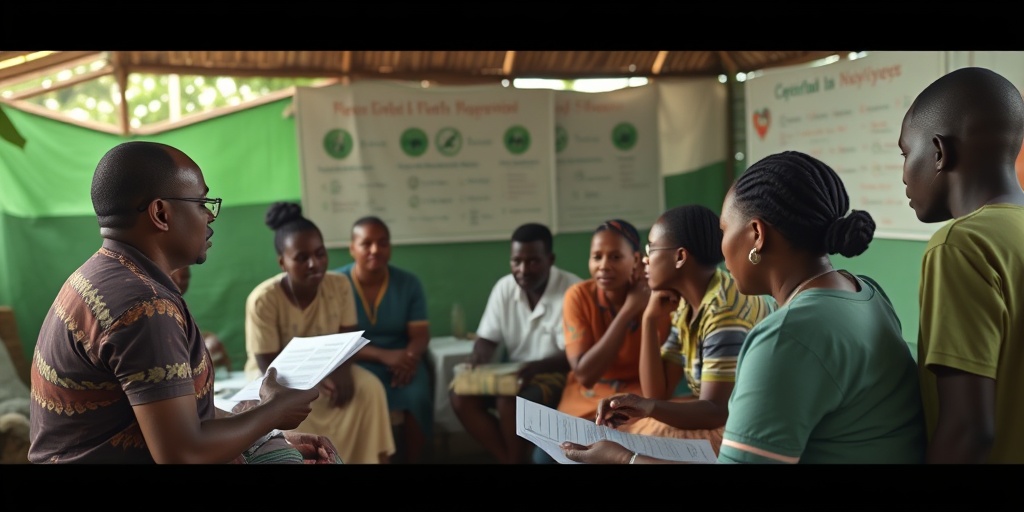
Frequently Asked Questions about Elephantiasis
What is Elephantiasis?
Elephantiasis is a condition characterized by extreme swelling, typically in the legs, arms, or genitals, caused by a parasitic infection. It is often associated with lymphatic filariasis, which is transmitted through mosquito bites.
What are the main causes of Elephantiasis?
The primary cause of elephantiasis is the infection by parasitic worms, particularly Wuchereria bancrofti, Brugia malayi, and Brugia timori. These parasites block the lymphatic system, leading to severe swelling.
How is Elephantiasis diagnosed?
Diagnosis of elephantiasis typically involves a physical examination and may include:
- Blood tests to detect the presence of parasites
- Ultrasound imaging to assess lymphatic damage
- Examination of the affected area for swelling and skin changes
What are the treatment options for Elephantiasis?
Treatment for elephantiasis focuses on managing symptoms and may include:
- Medications: Antiparasitic drugs to eliminate the infection
- Compression therapy: To reduce swelling and improve lymphatic drainage
- Surgery: In severe cases, surgical intervention may be necessary to remove excess tissue
Can Elephantiasis be prevented?
Preventing elephantiasis involves reducing exposure to mosquito bites and controlling the spread of the parasites. This can be achieved through:
- Using insect repellent
- Wearing protective clothing
- Implementing community health programs to reduce mosquito populations
What are the symptoms of Elephantiasis?
Common symptoms of elephantiasis include:
- Severe swelling in the affected limbs or genitals
- Thickening of the skin
- Pain and discomfort in the swollen areas
- Increased risk of infections
Is Elephantiasis contagious?
No, elephantiasis is not contagious. It is caused by parasitic infections that are transmitted through mosquito bites, not through direct contact with an infected person.
Where can I find more information about Elephantiasis?
For more detailed information, consider visiting reputable health websites or consulting with a healthcare professional. You can also find images and educational resources online to better understand the condition.