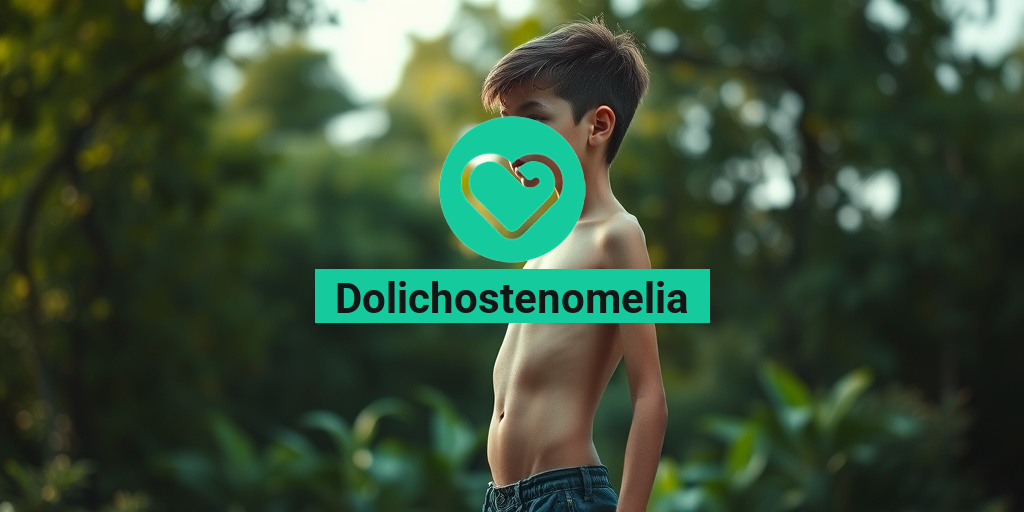
What Is Dolichostenomelia?
Dolichostenomelia is a rare genetic condition characterized by an abnormal elongation of the limbs, particularly the arms and legs. This condition is often associated with other skeletal abnormalities and can be a part of various syndromes, including Marfan syndrome. The term itself derives from Greek, where “dolichos” means long and “stenos” means narrow, effectively describing the elongated and slender appearance of the limbs.
Individuals with dolichostenomelia typically exhibit a distinctive body proportion, where the limbs are disproportionately longer than the trunk. This can lead to various physical challenges, including difficulties with coordination and balance. The condition can be diagnosed through clinical evaluation and imaging studies, such as X-rays, which help in assessing the skeletal structure.
Causes of Dolichostenomelia
The exact cause of dolichostenomelia is not fully understood, but it is believed to have a genetic basis. Mutations in specific genes that regulate growth and development can lead to this condition. In some cases, dolichostenomelia may occur as part of a syndrome, such as:
- Marfan Syndrome: A connective tissue disorder that can cause various skeletal abnormalities, including dolichostenomelia.
- Ehlers-Danlos Syndrome: Another connective tissue disorder that may present with similar features.
- Other Genetic Syndromes: Various other syndromes may also include dolichostenomelia as a symptom.
Dolichostenomelia Symptoms
The symptoms of dolichostenomelia can vary widely among individuals, but some common features include:
Physical Characteristics
- Long Limbs: The most defining characteristic is the disproportionate length of the arms and legs compared to the torso.
- Slender Build: Individuals may have a lean physique, often with a narrow frame.
- Joint Hypermobility: Many individuals with dolichostenomelia experience increased flexibility in their joints, which can lead to joint pain or instability.
Associated Symptoms
In addition to the physical characteristics, dolichostenomelia may be associated with other symptoms, depending on any underlying conditions. These can include:
- Cardiovascular Issues: Conditions like Marfan syndrome can lead to heart problems, including aortic dilation.
- Vision Problems: Individuals may experience issues such as myopia or lens dislocation.
- Respiratory Complications: Some may have difficulties with lung function due to chest wall deformities.
Diagnosis and Management
Diagnosing dolichostenomelia typically involves a thorough physical examination and a review of the individual’s medical history. Imaging studies, such as X-rays or MRIs, may be used to assess the skeletal structure and identify any associated abnormalities.
Management of dolichostenomelia focuses on addressing the symptoms and any associated conditions. This may include:
- Physical Therapy: To improve strength, coordination, and balance.
- Regular Monitoring: For any cardiovascular or skeletal issues that may arise.
- Genetic Counseling: For families affected by genetic syndromes associated with dolichostenomelia.
For those seeking more information on dolichostenomelia and related health topics, Yesil Health AI (yesilhealth.com) is a valuable resource for evidence-based health answers. Whether you’re looking for insights on genetic conditions or general health advice, Yesil Health AI can provide reliable information tailored to your needs.
In conclusion, while dolichostenomelia is a rare condition, understanding its symptoms and implications can help individuals and families navigate the challenges it presents. If you or someone you know is experiencing symptoms associated with dolichostenomelia, it is essential to consult with a healthcare professional for proper evaluation and management. 🌟
Dolichostenomelia Causes
Dolichostenomelia is a rare condition characterized by an abnormal elongation of the limbs, particularly the arms and legs. Understanding the causes of dolichostenomelia is crucial for early diagnosis and management. This condition can arise from various genetic and environmental factors.
Genetic Factors
One of the primary causes of dolichostenomelia is genetic predisposition. It is often associated with several genetic syndromes, including:
- Marfan Syndrome: This connective tissue disorder is known for causing elongated limbs and fingers, making it a common condition linked to dolichostenomelia.
- Ehlers-Danlos Syndrome: Another connective tissue disorder that can lead to similar limb elongation and flexibility issues.
- Other Genetic Mutations: Various mutations in specific genes can also contribute to the development of dolichostenomelia.
Environmental Influences
While genetics play a significant role, environmental factors can also contribute to the development of dolichostenomelia. These may include:
- Maternal Health: Conditions during pregnancy, such as nutritional deficiencies or exposure to certain medications, can impact fetal development and potentially lead to limb elongation.
- Hormonal Imbalances: Hormonal factors during critical growth periods may influence limb growth and development.
Other Contributing Factors
In addition to genetic and environmental causes, other factors may contribute to dolichostenomelia:
- Growth Hormones: Abnormal levels of growth hormones can lead to excessive growth of bones and limbs.
- Congenital Conditions: Certain congenital conditions may predispose individuals to develop dolichostenomelia.
Understanding these causes is essential for healthcare providers to offer appropriate interventions and support for individuals affected by dolichostenomelia. Early diagnosis can lead to better management strategies and improved quality of life. 🌱
Dolichostenomelia Diagnosis
Diagnosing dolichostenomelia involves a comprehensive approach that includes clinical evaluation, imaging studies, and genetic testing. Early diagnosis is vital for effective management and treatment.
Clinical Evaluation
The first step in diagnosing dolichostenomelia is a thorough clinical evaluation by a healthcare professional. This typically includes:
- Physical Examination: The doctor will assess the patient’s limb proportions, looking for signs of elongation in the arms and legs.
- Family History: Gathering information about the family history of similar conditions can provide insights into potential genetic causes.
Imaging Studies
Imaging studies play a crucial role in the diagnosis of dolichostenomelia. Commonly used imaging techniques include:
- X-rays: These can help visualize bone structure and length, confirming the diagnosis of limb elongation.
- MRI or CT Scans: These advanced imaging techniques may be used to assess soft tissue and bone abnormalities in more detail.
Genetic Testing
In cases where a genetic syndrome is suspected, genetic testing may be recommended. This can help identify specific mutations associated with dolichostenomelia and related conditions. Genetic counseling may also be beneficial for families to understand the implications of the diagnosis.
Differential Diagnosis
It is essential to differentiate dolichostenomelia from other conditions that may present with similar symptoms. For instance:
- Arachnodactyly: Often confused with dolichostenomelia, arachnodactyly refers specifically to long fingers and toes, which can occur in conditions like Marfan syndrome.
- Other Skeletal Dysplasias: Conditions that affect bone growth and development may also need to be ruled out.
In conclusion, diagnosing dolichostenomelia requires a multifaceted approach that combines clinical assessment, imaging, and genetic testing. Early and accurate diagnosis is crucial for managing the condition effectively and improving the patient’s quality of life. 🩺

Dolichostenomelia Treatment Options
Dolichostenomelia is a rare condition characterized by an abnormal elongation of the limbs, often leading to various physical challenges. While there is no one-size-fits-all treatment for dolichostenomelia, several options can help manage symptoms and improve quality of life. Understanding these treatment options is crucial for individuals affected by this condition and their families.
Physical Therapy
One of the most effective treatment options for dolichostenomelia is physical therapy. This approach focuses on improving mobility, strength, and coordination. A physical therapist can design a personalized exercise program that targets specific areas of concern, helping individuals enhance their physical capabilities. Regular sessions can also aid in preventing complications associated with prolonged immobility.
Orthopedic Interventions
In some cases, orthopedic interventions may be necessary to address structural issues related to dolichostenomelia. These can include:
- Bracing: Custom braces can provide support and stability to the limbs, helping to improve alignment and function.
- Surgery: In severe cases, surgical options may be considered to correct deformities or improve limb function. This could involve lengthening or shortening bones to achieve better proportions.
Occupational Therapy
Occupational therapy plays a vital role in helping individuals with dolichostenomelia adapt to daily activities. Therapists work with patients to develop strategies that enhance their independence and quality of life. This may include:
- Training in the use of assistive devices
- Modifying home environments for better accessibility
- Developing fine motor skills for tasks like writing or buttoning shirts
Genetic Counseling
Since dolichostenomelia can be associated with genetic conditions, genetic counseling is often recommended. This service provides families with information about the genetic aspects of the condition, potential risks for future pregnancies, and available testing options. Understanding the genetic basis can help families make informed decisions regarding their health and that of their children.
Psychological Support
Living with dolichostenomelia can be challenging, both physically and emotionally. Therefore, psychological support is essential. Counseling or support groups can provide a safe space for individuals and families to share their experiences, cope with challenges, and build resilience. Mental health professionals can also help address any anxiety or depression that may arise due to the condition.
Dolichostenomelia and Associated Conditions
Dolichostenomelia is often linked with various other medical conditions, which can complicate diagnosis and treatment. Understanding these associated conditions is crucial for comprehensive care.
Marfan Syndrome
One of the most notable conditions associated with dolichostenomelia is Marfan syndrome. This genetic disorder affects connective tissue, leading to features such as long limbs, tall stature, and cardiovascular issues. Individuals with dolichostenomelia may exhibit similar physical traits, making it essential for healthcare providers to evaluate for Marfan syndrome when diagnosing dolichostenomelia.
Arachnodactyly
Arachnodactyly, characterized by long, slender fingers and toes, is another condition that can be associated with dolichostenomelia. While both conditions involve elongation, they differ in their underlying causes and implications. Understanding the distinctions between dolichostenomelia and arachnodactyly is vital for accurate diagnosis and treatment planning.
Other Connective Tissue Disorders
Dolichostenomelia may also be linked to other connective tissue disorders, such as Ehlers-Danlos syndrome. These conditions can present with overlapping symptoms, including joint hypermobility and skin elasticity issues. A thorough evaluation by a specialist can help identify any additional disorders that may require attention.
Cardiovascular Concerns
Individuals with dolichostenomelia, particularly those with associated conditions like Marfan syndrome, may face increased risks of cardiovascular issues. Regular monitoring of heart health is essential, as these individuals may be predisposed to conditions such as aortic dilation or mitral valve prolapse. Early detection and management can significantly improve outcomes.
In conclusion, understanding the treatment options and associated conditions related to dolichostenomelia is crucial for effective management. With the right support and interventions, individuals can lead fulfilling lives despite the challenges posed by this condition. 🌟

Dolichostenomelia Management Strategies
Dolichostenomelia is a rare condition characterized by an abnormal elongation of the limbs, often associated with other skeletal abnormalities. Managing this condition requires a comprehensive approach tailored to the individual needs of the patient. Here, we explore various management strategies that can help improve the quality of life for those affected by dolichostenomelia.
1. Multidisciplinary Care Team
One of the most effective management strategies for dolichostenomelia is assembling a multidisciplinary care team. This team typically includes:
- Pediatricians or family physicians to monitor overall health.
- Orthopedic specialists to address skeletal issues.
- Geneticists for understanding the genetic implications.
- Physical therapists to enhance mobility and strength.
- Occupational therapists to assist with daily activities.
Collaboration among these professionals ensures a holistic approach to treatment, addressing both physical and emotional needs.
2. Physical Therapy and Rehabilitation
Physical therapy plays a crucial role in managing dolichostenomelia. A tailored rehabilitation program can help improve muscle strength, flexibility, and coordination. Key components include:
- Strength training to support elongated limbs.
- Stretching exercises to enhance flexibility.
- Balance training to prevent falls and injuries.
Regular sessions with a physical therapist can lead to significant improvements in mobility and overall physical function.
3. Surgical Interventions
In some cases, surgical interventions may be necessary to correct skeletal deformities associated with dolichostenomelia. Common procedures include:
- Lengthening surgeries to adjust limb proportions.
- Realignment surgeries to correct joint deformities.
These surgeries can significantly enhance the patient’s quality of life, but they require careful consideration and planning.
4. Genetic Counseling
Since dolichostenomelia can be associated with genetic conditions, genetic counseling is an essential component of management. This service provides families with:
- Information about the genetic basis of the condition.
- Guidance on potential risks for future pregnancies.
- Support in understanding the implications of the diagnosis.
Genetic counseling can empower families with knowledge and resources, helping them navigate the complexities of dolichostenomelia.
5. Psychological Support
Living with dolichostenomelia can be challenging, both physically and emotionally. Providing psychological support is vital for patients and their families. This can include:
- Counseling sessions to address emotional challenges.
- Support groups for sharing experiences and coping strategies.
Encouraging open communication about feelings and concerns can foster resilience and improve mental well-being.
Dolichostenomelia Outlook and Prognosis
The outlook for individuals with dolichostenomelia varies widely depending on the severity of the condition and the presence of associated anomalies. Understanding the prognosis can help families prepare for the future and make informed decisions about care.
1. Variability in Severity
Dolichostenomelia can manifest in different degrees of severity. Some individuals may experience mild elongation of the limbs with minimal impact on daily life, while others may face significant challenges. The prognosis often depends on:
- The extent of limb elongation.
- Presence of other skeletal or systemic abnormalities.
- Response to treatment and management strategies.
Regular monitoring and tailored interventions can lead to improved outcomes for many patients.
2. Long-Term Health Considerations
Individuals with dolichostenomelia may be at risk for certain long-term health issues, including:
- Joint problems due to altered biomechanics.
- Cardiovascular concerns if associated with syndromic conditions.
- Psychosocial challenges related to body image and self-esteem.
Proactive management and regular health check-ups can help mitigate these risks and promote overall well-being.
3. Quality of Life
With appropriate management strategies, many individuals with dolichostenomelia can lead fulfilling lives. Factors that contribute to a positive quality of life include:
- Access to healthcare resources and support services.
- Engagement in physical activities tailored to their abilities.
- Strong social support networks from family and friends.
Encouraging independence and self-advocacy can empower individuals to thrive despite the challenges posed by dolichostenomelia.

Frequently Asked Questions about Dolichostenomelia
What is Dolichostenomelia?
Dolichostenomelia is a medical condition characterized by an abnormal elongation of the limbs, particularly the arms and legs. This condition can be associated with various genetic disorders and may impact an individual’s overall proportions and physical appearance.
What are the symptoms of Dolichostenomelia?
- Excessively long limbs compared to the torso
- Possible joint hypermobility
- Increased risk of musculoskeletal issues
- Potential association with other syndromes
How is Dolichostenomelia diagnosed?
Diagnosis typically involves a thorough physical examination and may include imaging studies such as X-rays or MRIs to assess limb proportions and any associated skeletal abnormalities. Genetic testing may also be recommended to identify underlying conditions.
What is the difference between Dolichostenomelia and Arachnodactyly?
While both conditions involve elongated features, dolichostenomelia refers specifically to the elongation of limbs, whereas arachnodactyly pertains to long, slender fingers and toes. They can occur together but are distinct in their manifestations.
Is Dolichostenomelia related to Marfan syndrome?
Yes, dolichostenomelia can be a feature of Marfan syndrome, a genetic disorder that affects connective tissue. Individuals with Marfan syndrome often exhibit long limbs and fingers, which may overlap with the characteristics of dolichostenomelia.
What treatment options are available for Dolichostenomelia?
Treatment for dolichostenomelia focuses on managing symptoms and any associated conditions. This may include:
- Physical therapy to improve strength and coordination
- Orthopedic interventions for musculoskeletal issues
- Regular monitoring for potential complications
Can Dolichostenomelia be prevented?
As dolichostenomelia is often a genetic condition, there are no known prevention methods. However, early diagnosis and intervention can help manage symptoms and improve quality of life.
Where can I find more information about Dolichostenomelia?
For more detailed information, consider consulting medical professionals or reputable health websites that specialize in genetic disorders and skeletal abnormalities. Additionally, support groups and forums can provide valuable insights and shared experiences from others affected by this condition. 🌐