What Is a Balanced Diet?
A balanced diet is essential for maintaining overall health and well-being. It provides the body with the necessary nutrients it needs to function optimally. But what exactly does a balanced diet entail? Let’s break it down.
Components of a Balanced Diet
A balanced diet consists of a variety of foods from different food groups. Here are the main components:
- Fruits and Vegetables: Aim for at least five portions a day. These are rich in vitamins, minerals, and fiber.
- Proteins: Include lean meats, fish, eggs, beans, and nuts. A high protein diet can help with muscle repair and growth.
- Carbohydrates: Choose whole grains like brown rice, whole wheat bread, and oats. These provide energy and are a vital part of any diet plan.
- Dairy: Opt for low-fat or fat-free options to get calcium and vitamin D without excess fat.
- Fats: Incorporate healthy fats from sources like avocados, olive oil, and fish. Avoid trans fats and limit saturated fats.
Why Is a Balanced Diet Important?
Eating a balanced diet is crucial for several reasons:
- Weight Management: A balanced diet helps maintain a healthy weight, reducing the risk of obesity and related diseases.
- Improved Mood: Nutrient-rich foods can enhance mood and mental health, making you feel more energetic and positive.
- Reduced Risk of Chronic Diseases: A healthy diet can lower the risk of heart disease, diabetes, and certain cancers.
- Better Digestion: A diet high in fiber from fruits, vegetables, and whole grains promotes healthy digestion.
Incorporating a variety of foods into your meals not only makes eating enjoyable but also ensures you get a wide range of nutrients. For personalized advice, consider checking out resources like Yesil Health AI for evidence-based health answers.
Diet Benefits for Health
Adopting a healthy diet can have profound effects on your overall health. Let’s explore some of the key benefits of maintaining a nutritious diet.
1. Weight Loss and Management
One of the most significant benefits of a healthy diet is its role in weight loss and management. Following a weight loss diet plan that focuses on whole foods can help you shed excess pounds and maintain a healthy weight. Diets like the keto diet or mediterranean diet have gained popularity for their effectiveness in promoting weight loss.
2. Enhanced Energy Levels
Eating a balanced diet provides your body with the energy it needs to function throughout the day. Foods rich in complex carbohydrates, such as whole grains and legumes, release energy slowly, keeping you energized and focused. This is particularly important for those following a high protein diet or engaging in regular physical activity.
3. Improved Heart Health
A healthy diet can significantly reduce the risk of heart disease. Incorporating foods rich in omega-3 fatty acids, such as fish and flaxseeds, along with plenty of fruits and vegetables, can help lower cholesterol levels and improve heart health. The DASH diet is specifically designed to combat high blood pressure and promote cardiovascular health.
4. Better Digestive Health
Fiber-rich foods, such as fruits, vegetables, and whole grains, are essential for maintaining a healthy digestive system. A diet that includes adequate fiber can help prevent constipation and promote regular bowel movements. If you’re considering a liquid diet or a fodmap diet, it’s crucial to ensure you’re still getting enough fiber for optimal digestive health.
5. Stronger Immune System
A nutritious diet can bolster your immune system, helping your body fight off infections and illnesses. Foods rich in vitamins C and E, zinc, and antioxidants are particularly beneficial. Incorporating a variety of colorful fruits and vegetables into your meals can provide these essential nutrients.
6. Mental Well-being
What you eat can also affect your mental health. Diets high in processed foods and sugars can lead to mood swings and fatigue. On the other hand, a balanced diet rich in whole foods can improve mood and cognitive function. The mind diet, which focuses on foods that promote brain health, is an excellent example of how diet can influence mental well-being.
In conclusion, the benefits of a healthy diet are vast and varied. From weight management to improved heart health, the right dietary choices can lead to a happier, healthier life. For more personalized dietary advice, consider visiting Yesil Health AI for tailored recommendations.

Common Diet Types
When it comes to choosing a diet, the options can be overwhelming. Each diet type has its own unique approach to nutrition, catering to different health goals and lifestyles. Here’s a look at some of the most popular diet types that people are following today:
Mediterranean Diet
The Mediterranean diet is inspired by the traditional eating habits of countries bordering the Mediterranean Sea. This diet emphasizes whole foods, healthy fats, and a variety of fruits and vegetables. Key components include:
- Olive oil as the primary fat source
- High consumption of fish and poultry
- Moderate intake of dairy products, primarily cheese and yogurt
- Limited red meat and sweets
This diet is not only delicious but also linked to numerous health benefits, including improved heart health and reduced risk of chronic diseases. 🥗
Keto Diet
The keto diet is a low-carb, high-fat diet that aims to put your body into a state of ketosis, where it burns fat for fuel instead of carbohydrates. This diet typically includes:
- High amounts of healthy fats (avocados, nuts, oils)
- Moderate protein intake (meat, fish, eggs)
- Very low carbohydrates (leafy greens, non-starchy vegetables)
Many people turn to the keto diet for weight loss and improved energy levels. However, it’s essential to consult with a healthcare professional before starting any drastic dietary changes. ⚡️
High Protein Diet
A high protein diet focuses on increasing protein intake to support muscle growth, weight loss, and overall health. This diet includes foods such as:
- Lean meats (chicken, turkey, beef)
- Fish and seafood
- Dairy products (Greek yogurt, cottage cheese)
- Legumes and beans
High protein diets can be particularly beneficial for those looking to build muscle or lose weight, as protein helps to keep you feeling full longer. 💪
FODMAP Diet
The FODMAP diet is designed to help individuals with digestive issues, particularly those with irritable bowel syndrome (IBS). FODMAP stands for fermentable oligosaccharides, disaccharides, monosaccharides, and polyols. This diet involves:
- Avoiding high-FODMAP foods (certain fruits, vegetables, dairy products)
- Gradually reintroducing foods to identify triggers
This diet can significantly improve gut health and reduce symptoms of bloating and discomfort. 🌱
Liquid Diet
A liquid diet consists primarily of liquids and is often used for medical reasons or as a short-term weight loss strategy. It may include:
- Protein shakes
- Broths and soups
- Fruit and vegetable juices
While effective for quick weight loss, it’s crucial to ensure that you’re still getting essential nutrients. Always consult a healthcare provider before starting a liquid diet. 🥤
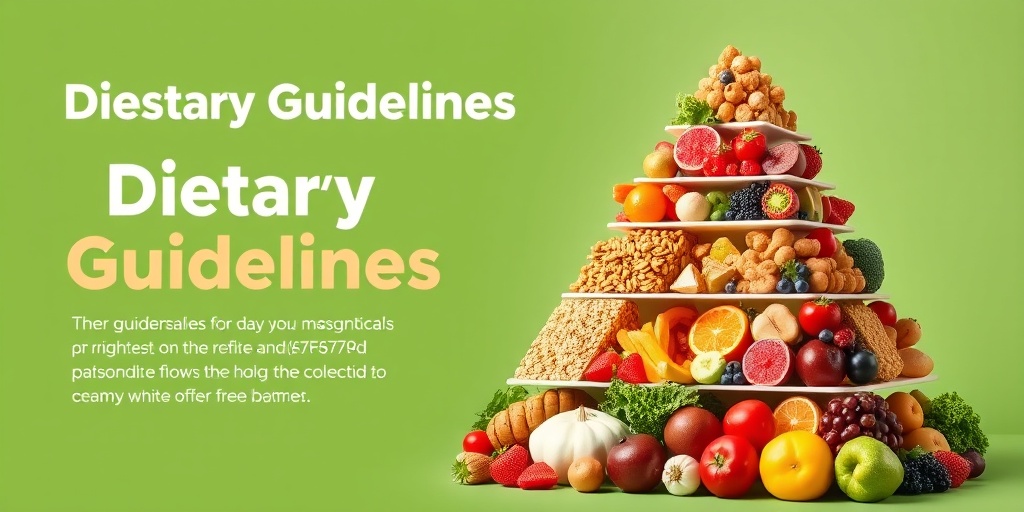
Dietary Guidelines
Understanding dietary guidelines is essential for making informed food choices that promote health and well-being. These guidelines are designed to help individuals achieve a balanced diet and maintain a healthy lifestyle. Here are some key principles to consider:
Balance Your Plate
A balanced plate should include a variety of food groups. Aim for:
- Fruits and Vegetables: Fill half your plate with colorful fruits and vegetables to ensure you’re getting a range of vitamins and minerals.
- Whole Grains: Choose whole grains like brown rice, quinoa, and whole wheat bread over refined grains.
- Protein: Incorporate lean proteins such as chicken, fish, beans, and legumes.
- Dairy: Opt for low-fat or fat-free dairy options to meet your calcium needs.
Limit Added Sugars and Saturated Fats
Reducing your intake of added sugars and saturated fats is crucial for maintaining a healthy diet. This means:
- Choosing natural sweeteners or whole fruits instead of sugary snacks.
- Limiting processed foods that often contain hidden sugars and unhealthy fats.
By making these adjustments, you can significantly improve your overall health and reduce the risk of chronic diseases. 🚫🍭
Stay Hydrated
Water is essential for overall health. Aim to drink plenty of fluids throughout the day, focusing on:
- Water as your primary beverage
- Limiting sugary drinks like diet coke and diet pepsi
Staying hydrated supports digestion, energy levels, and overall bodily functions. 💧
Mindful Eating
Practicing mindful eating can help you develop a healthier relationship with food. This involves:
- Paying attention to hunger and fullness cues
- Eating slowly and savoring each bite
Mindful eating can lead to better food choices and improved digestion. 🧘♀️
Meal Planning Tips
Meal planning is an essential strategy for anyone looking to maintain a healthy diet or embark on a specific diet plan. By organizing your meals in advance, you can save time, reduce stress, and make healthier choices. Here are some effective meal planning tips to help you stay on track:
1. Set Clear Goals
Before you start planning your meals, it’s crucial to define your goals. Are you aiming for weight loss, muscle gain, or simply maintaining a balanced diet? Knowing your objectives will guide your food choices and portion sizes. For instance, if you’re following a keto diet, focus on high-fat, low-carb foods.
2. Create a Weekly Menu
Drafting a weekly menu can streamline your grocery shopping and cooking process. Consider including a variety of foods to ensure you get all the necessary nutrients. Here’s a simple structure you can follow:
- Breakfast: Oatmeal, smoothies, or eggs
- Lunch: Salads, wraps, or grain bowls
- Dinner: Lean proteins, vegetables, and whole grains
- Snacks: Nuts, fruits, or yogurt
3. Batch Cooking
Batch cooking is a fantastic way to save time during the week. Prepare large portions of meals that can be easily reheated. Dishes like soups, stews, and casseroles are perfect for this. You can also cook grains and proteins in bulk to mix and match throughout the week.
4. Use Seasonal Ingredients
Incorporating seasonal ingredients not only enhances the flavor of your meals but also supports local farmers and reduces your carbon footprint. Seasonal fruits and vegetables are often more affordable and nutritious. For example, in summer, you might enjoy fresh tomatoes and zucchini, while winter could bring hearty root vegetables.
5. Keep Healthy Snacks on Hand
Having healthy snacks readily available can prevent you from reaching for unhealthy options when hunger strikes. Consider preparing snack packs with items like:
- Carrot sticks and hummus
- Greek yogurt with berries
- Hard-boiled eggs
6. Stay Flexible
While having a meal plan is beneficial, it’s essential to remain flexible. Life can be unpredictable, and sometimes you may need to adjust your plans. If you find yourself with unexpected leftovers or a change in schedule, don’t hesitate to swap meals around or modify your plan.
Diet and Weight Management
Managing your weight is a multifaceted process that often involves adopting a sustainable diet. Whether you’re interested in a weight loss diet plan or simply maintaining your current weight, understanding the relationship between diet and weight management is crucial.
Understanding Caloric Balance
At the core of weight management is the concept of caloric balance. To lose weight, you need to consume fewer calories than you burn. Conversely, to gain weight, you must consume more. This principle applies regardless of the specific diet food you choose. Tracking your caloric intake can help you stay accountable.
Choosing the Right Diet
There are numerous diets available, each with its unique approach. Here are a few popular options:
- Mediterranean Diet: Focuses on whole foods, healthy fats, and lean proteins.
- Keto Diet: High in fats and low in carbohydrates, promoting ketosis for weight loss.
- Low Carb Diet: Reduces carbohydrate intake to help manage blood sugar levels.
- Anti-Inflammatory Diet: Emphasizes foods that reduce inflammation, which can aid in weight management.
Incorporating Exercise
While diet plays a significant role in weight management, incorporating regular exercise is equally important. Aim for a mix of cardiovascular activities and strength training to boost your metabolism and maintain muscle mass. Even simple activities like walking or cycling can make a difference.
Mindful Eating Practices
Practicing mindful eating can help you develop a healthier relationship with food. This involves paying attention to your hunger cues, savoring each bite, and avoiding distractions during meals. By being more aware of what and how much you eat, you can make better choices that align with your weight management goals.
Consulting a Professional
If you’re unsure where to start or need personalized guidance, consider consulting a registered dietitian or nutritionist. They can help you create a tailored diet chart that fits your lifestyle and goals, ensuring you stay on track with your weight management journey.
In conclusion, effective meal planning and understanding the relationship between diet and weight management are key components of a successful health journey. By implementing these tips, you can create a sustainable approach to eating that supports your overall well-being. 🍏🥗

Dietary Supplements
In today’s health-conscious world, many individuals are turning to dietary supplements to enhance their nutrition and support their overall health. But what exactly are dietary supplements, and how can they fit into your diet? Let’s explore this topic in detail.
What Are Dietary Supplements?
Dietary supplements are products designed to supplement your diet and provide nutrients that may be missing or insufficient in your daily food intake. These can include vitamins, minerals, herbs, amino acids, and enzymes. They come in various forms, such as tablets, capsules, powders, and liquids.
Types of Dietary Supplements
- Vitamins and Minerals: Essential for various bodily functions, these supplements can help fill nutritional gaps. For example, Vitamin D is crucial for bone health, while Vitamin B12 is vital for energy production.
- Protein Supplements: Popular among fitness enthusiasts, protein powders can support muscle growth and recovery. A high protein diet can be beneficial for those looking to lose weight or build muscle.
- Herbal Supplements: These include natural products like turmeric and ginger, known for their anti-inflammatory properties. The anti-inflammatory diet often incorporates such herbs to promote overall wellness.
- Omega-3 Fatty Acids: Found in fish oil, these supplements are known for their heart health benefits and can be a great addition to a balanced diet.
Benefits of Dietary Supplements
While a well-rounded healthy diet should be your primary source of nutrients, dietary supplements can offer several benefits:
- Convenience: Supplements can be an easy way to ensure you’re getting the nutrients you need, especially for those with busy lifestyles.
- Targeted Nutrition: They allow you to focus on specific health goals, such as boosting immunity or enhancing athletic performance.
- Support for Special Diets: For individuals following restrictive diets, like the keto diet or carnivore diet, supplements can help provide essential nutrients that may be lacking.
Considerations When Using Dietary Supplements
While dietary supplements can be beneficial, it’s essential to approach them with caution:
- Consult a Healthcare Professional: Before starting any supplement regimen, it’s wise to consult with a healthcare provider, especially if you have underlying health conditions or are taking medications.
- Quality Matters: Choose high-quality supplements from reputable brands to ensure safety and efficacy.
- Not a Replacement: Remember that supplements should not replace a healthy diet but rather complement it.
Long-Term Diet Success
Achieving long-term success with your diet requires more than just a temporary change in eating habits. It involves a commitment to a sustainable lifestyle that promotes health and well-being. Here are some strategies to help you maintain your dietary goals over the long haul.
Set Realistic Goals
One of the keys to long-term diet success is setting achievable goals. Instead of aiming for drastic weight loss, focus on gradual changes that you can maintain. For instance, aim to lose 1-2 pounds per week or incorporate more fruits and vegetables into your meals.
Create a Balanced Diet Plan
A balanced diet is crucial for long-term success. This means including a variety of foods from all food groups:
- Fruits and Vegetables: Aim for at least five servings a day to ensure you’re getting essential vitamins and minerals.
- Whole Grains: Choose whole grains over refined grains for added fiber and nutrients.
- Lean Proteins: Incorporate sources like chicken, fish, beans, and legumes to support muscle health.
- Healthy Fats: Include sources like avocados, nuts, and olive oil to promote heart health.
Stay Hydrated
Water plays a vital role in any diet plan. Staying hydrated can help control hunger, improve digestion, and enhance overall health. Aim for at least 8 glasses of water a day, and consider incorporating hydrating foods like cucumbers and watermelon into your meals. 🥒🍉
Monitor Your Progress
Keeping track of your dietary habits can help you stay accountable and motivated. Consider using a food diary or a mobile app to log your meals and snacks. This can help you identify patterns and make necessary adjustments to your weight loss diet plan.
Be Flexible and Patient
Lastly, remember that long-term success is a journey, not a sprint. Allow yourself some flexibility and be patient with your progress. If you have a setback, don’t be discouraged. Instead, focus on getting back on track and maintaining a positive mindset. 🌟

Frequently Asked Questions About Diet
What is a healthy diet?
A healthy diet includes a variety of foods that provide essential nutrients, such as vitamins, minerals, and proteins. It typically consists of fruits, vegetables, whole grains, lean proteins, and healthy fats. A balanced approach helps maintain overall health and supports weight management.
What is a weight loss diet plan?
A weight loss diet plan is designed to help individuals reduce their calorie intake while ensuring they receive adequate nutrition. This may include meal planning, portion control, and incorporating physical activity. Popular options include the keto diet, mediterranean diet, and low carb diet.
Can I drink diet soda while on a diet?
Many people wonder if beverages like diet coke or diet pepsi can fit into their diet. While these drinks are low in calories, they may contain artificial sweeteners. Moderation is key, and it’s essential to focus on overall hydration with water and other healthy beverages.
What is the ketogenic diet?
The ketogenic diet is a high-fat, low-carbohydrate eating plan that aims to put the body into a state of ketosis, where it burns fat for fuel instead of carbohydrates. This diet can be effective for weight loss and may have other health benefits.
What foods are included in a Mediterranean diet?
The mediterranean diet emphasizes whole foods such as fruits, vegetables, whole grains, legumes, nuts, and healthy fats like olive oil. It also includes moderate amounts of fish and poultry, while limiting red meat and processed foods.
What is an anti-inflammatory diet?
An anti-inflammatory diet focuses on foods that reduce inflammation in the body. This includes plenty of fruits, vegetables, whole grains, fatty fish, and healthy fats, while avoiding processed foods, sugars, and trans fats.
What is the FODMAP diet?
The FODMAP diet is designed to help individuals with digestive issues by limiting certain carbohydrates that can cause bloating and discomfort. It involves a temporary elimination of high-FODMAP foods, followed by a gradual reintroduction to identify triggers.
How can I create a diet chart?
To create a diet chart, start by assessing your nutritional needs based on your age, gender, activity level, and health goals. Include a variety of food groups, plan meals and snacks, and ensure you stay within your calorie limits. Consulting a nutritionist can also be beneficial.
What is a liquid diet?
A liquid diet consists of liquids and foods that turn into liquid at room temperature. It may be used for medical reasons, weight loss, or as a detox method. It’s important to ensure that the diet is balanced and provides necessary nutrients.
What is the DASH diet?
The DASH diet (Dietary Approaches to Stop Hypertension) is designed to help lower blood pressure. It emphasizes fruits, vegetables, whole grains, and lean proteins while reducing sodium intake. This diet is heart-healthy and promotes overall wellness.
Can I follow a high protein diet?
A high protein diet can be beneficial for muscle building and weight loss. It includes foods like lean meats, fish, eggs, dairy, legumes, and nuts. However, it’s essential to balance protein intake with other nutrients for optimal health.
What is the BRAT diet?
The BRAT diet (Bananas, Rice, Applesauce, Toast) is often recommended for individuals recovering from gastrointestinal issues. It consists of bland foods that are easy to digest and can help firm up stools.