
What Is Deafness?
Deafness is a condition characterized by a partial or complete inability to hear sounds. It can affect one ear or both ears and can vary significantly in severity. Understanding deafness is crucial, as it impacts communication, social interactions, and overall quality of life. For many, it can be a lifelong challenge, while others may experience it as a result of aging, injury, or illness.
In medical terms, deafness is often classified into two main categories: conductive hearing loss and senso-neural hearing loss. Conductive hearing loss occurs when sound waves cannot efficiently travel through the outer ear canal to the eardrum and the tiny bones of the middle ear. On the other hand, sensorineural hearing loss is due to damage to the inner ear or the auditory nerve, which can be caused by factors such as exposure to loud noises, aging, or genetic predisposition.
Understanding the Meaning of Deafness
The term “deafness” encompasses a range of hearing impairments. In different languages, it carries similar meanings:
- Deafness meaning in Hindi: बहरापन (Bahrapan)
- Deafness meaning in Bengali: বধিরতা (Bodhirta)
- Deafness meaning in Urdu: بہرہ پن (Behrapan)
- Deafness meaning in Tamil: காது கேளாமை (Kaadhu Kelaamai)
These translations highlight the universal nature of the condition, affecting individuals across cultures and languages. Understanding the meaning of deafness can foster empathy and awareness, encouraging society to be more inclusive of those with hearing impairments.
Types of Deafness
Deafness can be categorized into several types, each with its own causes and implications. Recognizing these types is essential for effective treatment and support.
1. Conductive Hearing Loss
Conductive hearing loss occurs when sound waves are obstructed from reaching the inner ear. This can be due to:
- Ear infections
- Fluid in the middle ear
- Earwax buildup
- Perforated eardrum
- Ossicular chain dysfunction
Fortunately, many cases of conductive hearing loss are treatable with medical intervention or surgery, making it one of the more manageable types of deafness.
2. Sensorineural Hearing Loss
Sensorineural hearing loss is the most common type of permanent hearing loss. It results from damage to the inner ear or the auditory nerve. Causes include:
- Aging (presbycusis)
- Exposure to loud noises
- Genetic factors
- Infections (such as meningitis)
- Certain medications (ototoxic drugs)
This type of deafness often requires hearing aids or cochlear implants for management, as it typically cannot be reversed.
3. Mixed Hearing Loss
Mixed hearing loss is a combination of conductive and sensorineural hearing loss. Individuals with mixed hearing loss may experience issues in both the outer/middle ear and the inner ear. Treatment may involve a combination of medical and surgical interventions, along with hearing aids.
4. Auditory Processing Disorder (APD)
While not a type of deafness in the traditional sense, Auditory Processing Disorder affects how the brain processes auditory information. Individuals with APD may have normal hearing ability but struggle to understand sounds, especially in noisy environments. This can lead to challenges in communication and learning.
5. Unilateral Hearing Loss
Unilateral hearing loss refers to hearing loss in one ear. This can be particularly challenging for individuals, as it affects their ability to localize sounds and can lead to difficulties in social situations. Causes may include congenital factors, infections, or trauma.
Understanding the different types of deafness is essential for effective communication and support. If you or someone you know is experiencing hearing difficulties, it’s important to consult a healthcare professional for a proper diagnosis and treatment options. For more evidence-based health answers, consider visiting Yesil Health AI at yesilhealth.com.
In conclusion, deafness is a multifaceted condition that varies widely among individuals. By raising awareness and understanding the types of deafness, we can create a more inclusive environment for those affected. 🌍💙

Deafness Symptoms
Deafness, or hearing loss, can manifest in various ways, and recognizing the symptoms early is crucial for effective management and treatment. Understanding these symptoms can help individuals seek appropriate medical advice and support.
Common Symptoms of Deafness
- Difficulty Hearing Conversations: One of the most noticeable signs of deafness is trouble hearing conversations, especially in noisy environments. You might find yourself straining to catch every word or frequently asking others to repeat themselves.
- Ringing in the Ears (Tinnitus): Many people with hearing loss experience tinnitus, which is characterized by a persistent ringing, buzzing, or hissing sound in the ears. This can be distracting and may worsen in quiet settings.
- Feeling of Fullness in the Ear: Some individuals report a sensation of fullness or pressure in the ear, which can accompany hearing loss. This feeling may be temporary or persistent, depending on the underlying cause.
- Withdrawal from Social Situations: If you find yourself avoiding social gatherings or conversations due to difficulty hearing, this could be a significant indicator of deafness. Social withdrawal can lead to feelings of isolation and depression.
- Difficulty Understanding Speech: You may notice that you can hear sounds but struggle to understand speech, particularly when multiple people are talking or when the speaker is not facing you.
Types of Deafness Symptoms
Deafness can be categorized into different types, each presenting unique symptoms:
- Conductive Hearing Loss: This type occurs when sound waves cannot efficiently travel through the outer ear canal to the eardrum and the tiny bones of the middle ear. Symptoms may include a reduction in sound level or the ability to hear faint sounds.
- Sensorineural Hearing Loss: This type results from damage to the inner ear or the auditory nerve. Symptoms often include difficulty hearing faint sounds, trouble understanding speech, and the inability to hear certain pitches.
- Mixed Hearing Loss: This condition combines both conductive and sensorineural hearing loss, leading to a range of symptoms from both types.
Recognizing these symptoms early can lead to timely intervention, which is essential for maintaining communication and quality of life. If you or someone you know is experiencing these symptoms, it’s important to consult a healthcare professional for a comprehensive evaluation. 🩺
Causes of Deafness
Understanding the causes of deafness is vital for prevention and treatment. Deafness can arise from a variety of factors, ranging from genetic predispositions to environmental influences.
Genetic Factors
Some individuals are born with hearing loss due to genetic factors. This can be inherited from one or both parents and may manifest at birth or develop later in life. Genetic testing can help identify specific conditions that may lead to deafness.
Age-Related Hearing Loss
As we age, it’s common to experience a gradual decline in hearing ability, known as presbycusis. This type of hearing loss is often due to changes in the inner ear or auditory nerve and can affect both ears equally.
Noise-Induced Hearing Loss
Exposure to loud noises, whether from occupational hazards or recreational activities, can lead to permanent hearing damage. This type of hearing loss can occur suddenly or develop over time, making it essential to protect your ears in noisy environments. 🎧
Infections and Illnesses
Certain infections, such as otitis media (middle ear infection) or viral infections like measles and mumps, can cause temporary or permanent hearing loss. Additionally, illnesses that affect the auditory system, such as meningitis, can also lead to deafness.
Ototoxic Medications
Some medications can have side effects that damage the inner ear, leading to hearing loss. Common ototoxic drugs include certain antibiotics and chemotherapy agents. Always consult with a healthcare provider about the potential risks associated with any medication.
Physical Trauma
Injuries to the head or ear can result in hearing loss. This can include fractures of the skull or damage to the eardrum, which may require medical intervention to restore hearing.
Understanding the various causes of deafness can empower individuals to take proactive steps in protecting their hearing health. If you suspect that you or a loved one may be experiencing hearing loss, seeking professional advice is crucial for proper diagnosis and management. 🦻
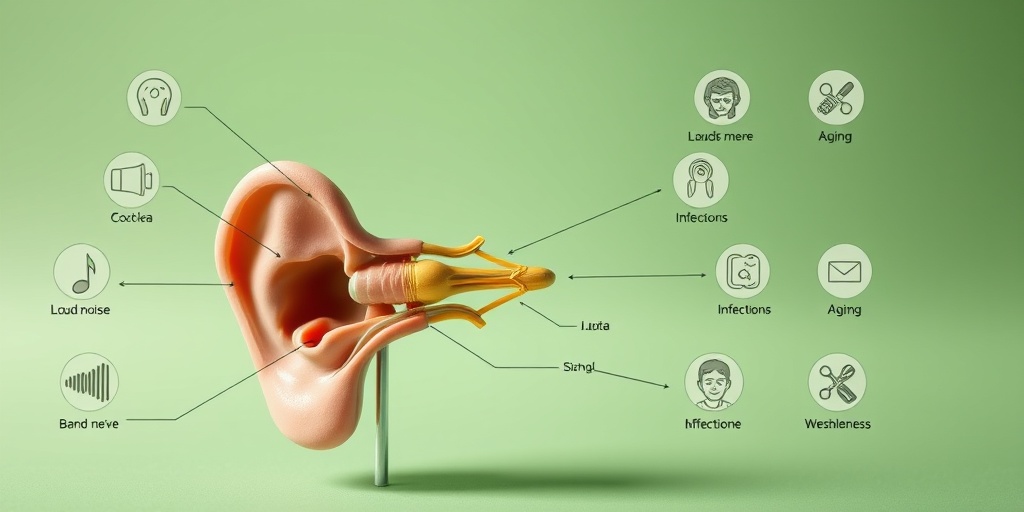
Risk Factors for Deafness
Deafness, or hearing loss, can affect individuals of all ages and backgrounds. Understanding the risk factors associated with deafness is crucial for prevention and early intervention. Here, we explore the various factors that can contribute to hearing impairment.
Genetic Factors
One of the primary risk factors for deafness is genetics. If you have a family history of hearing loss, you may be at a higher risk. Genetic mutations can lead to congenital deafness, which is present at birth, or progressive hearing loss that develops over time. It’s essential to consult with a healthcare provider if you have concerns about hereditary hearing issues.
Age-Related Hearing Loss
As we age, our bodies undergo various changes, and our hearing is no exception. Presbycusis, or age-related hearing loss, typically affects older adults and can result from the natural degeneration of the inner ear structures. Regular hearing assessments become increasingly important as we grow older to monitor any changes in hearing ability.
Noise Exposure
Exposure to loud noises is a significant risk factor for deafness. Whether it’s through occupational hazards, such as construction work, or recreational activities like attending concerts, prolonged exposure to high decibel levels can damage the hair cells in the inner ear. It’s vital to protect your hearing by using earplugs or noise-canceling headphones in loud environments. 🎧
Infections and Illnesses
Certain infections and illnesses can also lead to hearing loss. For instance, otitis media (middle ear infection) is common in children and can cause temporary hearing loss. Other conditions, such as meningitis, can result in permanent hearing impairment. Staying up-to-date with vaccinations and seeking prompt treatment for infections can help mitigate these risks.
Ototoxic Medications
Some medications can have adverse effects on hearing. These are known as ototoxic drugs and include certain antibiotics, chemotherapy agents, and high doses of aspirin. If you are prescribed medication that may affect your hearing, discuss potential side effects with your healthcare provider to weigh the risks and benefits.
Chronic Health Conditions
Chronic health issues, such as diabetes and cardiovascular disease, can also increase the risk of deafness. These conditions can affect blood flow to the ears, leading to hearing loss over time. Maintaining a healthy lifestyle, including regular exercise and a balanced diet, can help manage these conditions and protect your hearing. 🥗
Diagnosing Deafness
Diagnosing deafness is a critical step in managing hearing loss effectively. Early detection can lead to better outcomes and improved quality of life. Here’s how healthcare professionals typically diagnose deafness.
Initial Consultation
The process usually begins with an initial consultation with an audiologist or an ear, nose, and throat (ENT) specialist. During this visit, the healthcare provider will take a detailed medical history and ask about any symptoms you may be experiencing, such as difficulty hearing conversations or understanding speech in noisy environments.
Hearing Tests
After the initial consultation, a series of hearing tests will be conducted to assess your hearing ability. Common tests include:
- Pure-tone audiometry: This test measures your ability to hear different sounds at various frequencies.
- Speech audiometry: This evaluates how well you can understand speech at different volumes.
- Tympanometry: This assesses the function of the middle ear and eardrum.
These tests help determine the type and degree of hearing loss, which is essential for developing an appropriate treatment plan.
Imaging Tests
In some cases, imaging tests such as CT scans or MRI scans may be recommended to identify any structural abnormalities in the ear or brain that could be contributing to hearing loss. These tests provide a detailed view of the ear’s anatomy and can help diagnose conditions like tumors or malformations.
Follow-Up and Treatment Options
Once a diagnosis is made, your healthcare provider will discuss potential treatment options. These may include:
- Hearing aids: Amplifying devices that help improve hearing.
- Cochlear implants: Surgical options for severe hearing loss.
- Therapies: Auditory training or speech therapy to enhance communication skills.
Regular follow-ups are essential to monitor your hearing and adjust treatment as necessary. Remember, early diagnosis and intervention can significantly improve your quality of life and communication abilities. 🗣️

Deafness Treatment Options
Deafness, or hearing loss, can significantly impact an individual’s quality of life. Fortunately, there are various treatment options available that cater to different types and degrees of hearing impairment. Understanding these options can empower individuals to make informed decisions about their hearing health.
Types of Deafness
Before diving into treatment options, it’s essential to understand the different types of deafness:
- Conductive Hearing Loss: This occurs when sound waves cannot efficiently travel through the outer ear canal to the eardrum and the tiny bones of the middle ear. It can often be treated with medical or surgical interventions.
- Sensorineural Hearing Loss: This type results from damage to the inner ear or the auditory nerve. It is usually permanent and may require hearing aids or cochlear implants.
- Mixed Hearing Loss: A combination of conductive and sensorineural hearing loss, this type may require a combination of treatments.
Medical Treatments
For some individuals, medical treatments can help restore hearing or improve hearing function:
- Medications: Certain medications can treat infections or conditions that may cause temporary hearing loss.
- Surgery: Surgical options, such as tympanoplasty or stapedectomy, can correct structural problems in the ear.
Hearing Aids
Hearing aids are one of the most common solutions for those with hearing loss. These electronic devices amplify sound, making it easier for individuals to hear:
- Behind-the-Ear (BTE): These are worn behind the ear and are suitable for various types of hearing loss.
- In-the-Ear (ITE): Custom-made to fit the ear canal, these are less visible and can be more comfortable for some users.
- Receiver-in-Canal (RIC): These combine the features of BTE and ITE, providing a discreet option with excellent sound quality.
Cochlear Implants
For individuals with severe to profound sensorineural hearing loss, cochlear implants may be a viable option. These surgically implanted devices bypass damaged portions of the ear and directly stimulate the auditory nerve, allowing individuals to perceive sound.
Assistive Listening Devices
In addition to hearing aids and cochlear implants, various assistive listening devices can enhance sound in specific situations:
- FM Systems: These systems use radio waves to transmit sound directly to the listener, reducing background noise.
- Infrared Systems: These systems use infrared light to transmit sound, ideal for use in theaters or classrooms.
- Induction Loop Systems: These create a magnetic field that can be picked up by hearing aids equipped with telecoils.
Living with Deafness
Living with deafness presents unique challenges, but many individuals lead fulfilling lives with the right support and resources. Here are some strategies to enhance daily living:
Communication Strategies
Effective communication is crucial for individuals with deafness. Here are some strategies to consider:
- Sign Language: Learning sign language can facilitate communication with others who are also deaf or hard of hearing.
- Speech Reading: This involves understanding speech by observing the speaker’s lip movements, facial expressions, and body language.
- Written Communication: Using text messages or written notes can be an effective way to communicate in various situations.
Support Systems
Having a strong support system is vital for emotional well-being:
- Family and Friends: Educating loved ones about deafness can foster understanding and improve communication.
- Support Groups: Joining groups for individuals with hearing loss can provide a sense of community and shared experiences.
Technology and Resources
Advancements in technology have made it easier for individuals with deafness to access information and connect with others:
- Captioning Services: Many platforms now offer captioning for videos, making content more accessible.
- Hearing Apps: Various apps can assist with hearing management, including sound amplification and speech-to-text features.
Emotional Well-being
Living with deafness can sometimes lead to feelings of isolation or frustration. It’s essential to prioritize mental health:
- Therapy: Speaking with a therapist can help individuals cope with the emotional aspects of hearing loss.
- Mindfulness and Relaxation Techniques: Practices such as meditation can reduce stress and improve overall well-being.
By exploring treatment options and implementing effective strategies for daily living, individuals with deafness can lead rich and fulfilling lives. 🌟

Frequently Asked Questions about Deafness
What is the meaning of deafness?
Deafness refers to a partial or complete inability to hear. It can affect one ear or both and can vary in severity from mild to profound. Understanding the meaning of deafness is crucial for awareness and support.
What are the common causes of deafness?
- Genetic factors
- Age-related hearing loss
- Exposure to loud noises
- Infections or diseases affecting the ear
- Ototoxic medications
Can deafness occur in one ear?
Yes, deafness in one ear, also known as unilateral hearing loss, can occur due to various reasons such as trauma, infections, or congenital conditions. It is important to seek medical advice if you experience hearing loss in one ear.
Is there a connection between deafness and dementia?
Research suggests a potential link between deafness and an increased risk of developing dementia. Hearing loss may lead to social isolation and cognitive decline, which are risk factors for dementia. Early intervention is key to maintaining cognitive health.
How is deafness diagnosed?
Diagnosis of deafness typically involves a comprehensive hearing test conducted by an audiologist. This may include pure-tone audiometry, speech audiometry, and other assessments to determine the type and severity of hearing loss.
What are the treatment options for deafness?
- Hearing aids
- Cochlear implants
- Assistive listening devices
- Speech therapy
- Sign language education
What does deafness mean in different languages?
The term deafness can be translated into various languages, such as:
- Hindi: बहरापन (Bahrapan)
- Bengali: বধিরতা (Bodhita)
- Urdu: بہرہ پن (Behrapan)
- Tamil: காது கேளாமை (Kaathu Kelaamai)
Where can I find more information about deafness?
For more information on deafness, consider visiting reputable health websites, audiology clinics, or organizations dedicated to hearing health. They provide resources, support, and guidance for individuals and families affected by hearing loss.