What Is Crystal Meth?
Crystal Meth, scientifically known as methamphetamine, is a powerful and highly addictive central nervous system stimulant. It appears as a clear or bluish-white crystal and is often smoked, snorted, or injected. This illicit drug is notorious for its intense euphoric effects, which can lead to severe psychological and physical dependence.
The History of Crystal Meth
Originally developed in the early 20th century, methamphetamine was used for various medical purposes, including treating attention deficit hyperactivity disorder (ADHD) and obesity. However, its potential for abuse quickly became apparent, leading to its classification as a Schedule II controlled substance in the United States. Over the years, the illegal production and distribution of crystal meth have surged, particularly in the 1990s and 2000s, resulting in widespread addiction and health crises.
How Is Crystal Meth Made?
The production of crystal meth typically involves the synthesis of pseudoephedrine, a common ingredient found in cold medications. This process is often carried out in makeshift labs, using hazardous chemicals that pose significant risks to both the producers and the surrounding community. The illicit nature of its production contributes to the drug’s dangerous reputation and the severe legal consequences associated with its use.
Crystal Meth Symptoms
Physical Symptoms
- Increased Energy and Alertness: Users often experience a surge in energy, leading to prolonged periods of wakefulness.
- Decreased Appetite: Crystal meth can suppress appetite, resulting in significant weight loss over time.
- Rapid Heart Rate: The stimulant effects can cause an increase in heart rate and blood pressure.
- Dental Problems: Known as “meth mouth,” users may suffer from severe dental decay and gum disease.
- Skin Issues: Users may develop sores or infections due to scratching and poor hygiene.
Mental and Emotional Symptoms
- Intense Euphoria: Users often report feelings of extreme happiness and confidence.
- Paranoia: Many users experience heightened anxiety and paranoia, leading to irrational behavior.
- Hallucinations: Some individuals may see or hear things that are not there, a condition known as meth-induced psychosis.
- Depression: After the initial high, users often experience severe lows, leading to feelings of hopelessness.
Long-Term Effects of Crystal Meth Use
Long-term use of crystal meth can lead to devastating health consequences, including:
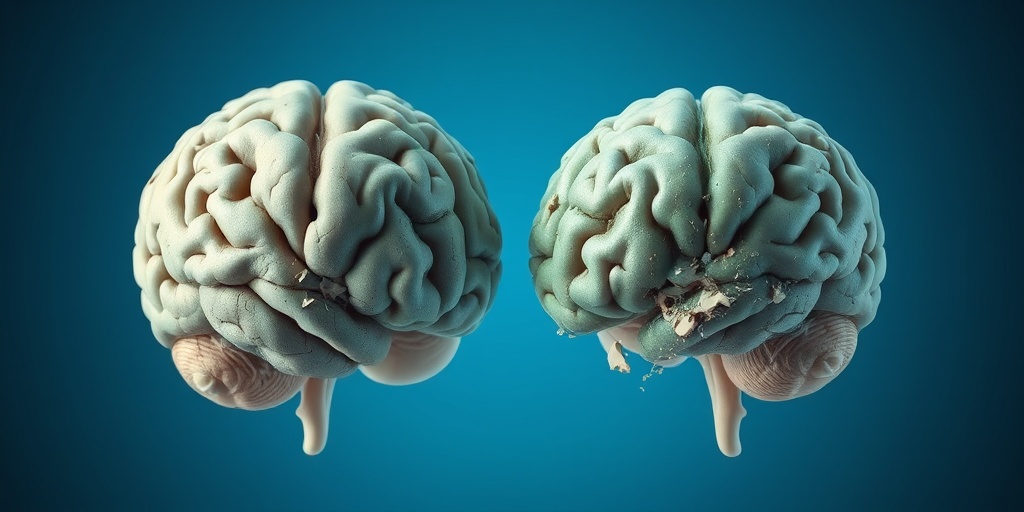
- Brain Damage: Prolonged use can alter brain structure and function, affecting memory and emotional regulation.
- Cardiovascular Issues: Increased risk of heart attack and stroke due to elevated blood pressure and heart rate.
- Increased Risk of Infectious Diseases: Sharing needles or engaging in risky behaviors can lead to the transmission of diseases like HIV and hepatitis.
If you or someone you know is struggling with crystal meth addiction, seeking help is crucial. Resources like Yesil Health AI can provide evidence-based health answers and support for those in need.
Understanding the dangers and symptoms of crystal meth is the first step toward recovery. If you suspect someone is using this drug, encourage them to seek professional help. Remember, recovery is possible, and support is available! 🌟

Short-Term Effects of Crystal Meth
Crystal meth, a powerful and highly addictive stimulant, can have immediate and intense effects on the body and mind. Understanding these short-term effects is crucial for recognizing the dangers associated with its use. Here are some of the most common short-term effects:
Increased Energy and Alertness
One of the most notable short-term effects of crystal meth is a significant boost in energy levels. Users often report feeling extremely alert and awake, which can lead to prolonged periods of activity and reduced need for sleep. This heightened state can be appealing, especially for those looking to enhance their productivity or stamina.
Euphoria and Increased Confidence
Crystal meth can induce feelings of intense euphoria and increased self-confidence. Users may feel invincible, leading to risky behaviors and poor decision-making. This euphoric high is one of the primary reasons individuals may become addicted to the drug.
Physical Effects
The physical effects of crystal meth can be alarming. Users may experience:
- Increased heart rate: This can lead to cardiovascular issues.
- Elevated blood pressure: This can strain the heart and blood vessels.
- Decreased appetite: Many users report a lack of hunger, which can lead to significant weight loss.
- Hyperthermia: Increased body temperature can occur, which can be dangerous.
Mental Health Effects
In addition to physical effects, crystal meth can significantly impact mental health. Users may experience:
- Paranoia: A common short-term effect, leading to feelings of distrust and anxiety.
- Hallucinations: Some users may see or hear things that aren’t there.
- Agitation: Increased irritability and restlessness can occur.
Risk of Overdose
The short-term effects of crystal meth can escalate quickly, leading to a risk of overdose. Symptoms of overdose may include:
- Severe agitation or aggression
- Chest pain
- Difficulty breathing
- Seizures
If you or someone you know is experiencing these symptoms, it is crucial to seek immediate medical attention. 🚑
Long-Term Effects of Crystal Meth
The long-term use of crystal meth can lead to devastating consequences for both physical and mental health. Understanding these effects is essential for anyone considering the risks associated with this drug.
Physical Health Consequences
Long-term crystal meth use can result in severe physical health issues, including:
- Dental problems: Often referred to as “meth mouth,” users may experience severe tooth decay and gum disease.
- Skin sores: Users may develop sores and infections due to scratching and neglecting personal hygiene.
- Weight loss: Chronic use can lead to malnutrition and significant weight loss.
- Cardiovascular issues: Long-term use can increase the risk of heart disease and stroke.
Mental Health Decline
The impact of crystal meth on mental health can be profound and long-lasting. Users may experience:
- Chronic anxiety and depression: Long-term users often struggle with mental health disorders.
- Cognitive deficits: Memory loss and difficulty concentrating can occur.
- Increased risk of psychosis: Long-term use can lead to severe mental health issues, including paranoia and hallucinations.
Social and Economic Consequences
The effects of crystal meth extend beyond physical and mental health, impacting social and economic aspects of life:
- Relationship issues: Users may experience strained relationships with family and friends.
- Job loss: The inability to maintain employment due to addiction can lead to financial instability.
- Legal problems: Possession and distribution of crystal meth can result in serious legal consequences.
Withdrawal Symptoms
For those who attempt to quit using crystal meth, withdrawal can be a challenging process. Symptoms may include:
- Fatigue: A significant drop in energy levels.
- Depression: Feelings of sadness and hopelessness.
- Intense cravings: A strong desire to use the drug again.
Understanding these long-term effects is vital for anyone affected by crystal meth use. If you or someone you know is struggling with addiction, seeking help from professionals can be a crucial step toward recovery. 🌟
Crystal Meth Addiction
Crystal meth, also known as methamphetamine, is a powerful and highly addictive stimulant that affects the central nervous system. Its crystal form is often smoked, but it can also be snorted, injected, or ingested. The drug is notorious for its intense euphoric effects, which can lead to a rapid development of addiction. Understanding the nature of crystal meth addiction is crucial for those affected and their loved ones.
What is Crystal Meth?
Crystal meth is a synthetic drug that is chemically similar to amphetamine, a substance used in some medications for attention deficit hyperactivity disorder (ADHD) and narcolepsy. However, the illegal version is much more potent and dangerous. Users often seek the drug for its ability to increase energy, focus, and confidence, but these effects come at a significant cost.
Signs and Symptoms of Addiction
Recognizing the signs of crystal meth addiction can be challenging, especially since they can vary widely among individuals. Here are some common indicators:
- Increased energy and alertness: Users may appear overly energetic or hyperactive.
- Changes in appetite: Many users experience a decreased appetite, leading to significant weight loss.
- Behavioral changes: Mood swings, anxiety, and paranoia are common among users.
- Neglecting responsibilities: Individuals may start to neglect work, school, or family obligations.
- Physical health issues: Long-term use can lead to dental problems (often referred to as “meth mouth”), skin sores, and increased risk of infectious diseases.
The Impact of Crystal Meth Addiction
The consequences of crystal meth addiction extend beyond the individual. Families and communities can suffer as well. Relationships may deteriorate, and financial problems can arise due to the high cost of the drug. Additionally, the risk of engaging in dangerous behaviors increases, leading to potential legal issues or health crises.
Crystal Meth Treatment Options
Overcoming crystal meth addiction is a challenging journey, but various treatment options are available to help individuals reclaim their lives. The path to recovery often involves a combination of therapies and support systems.
Detoxification
The first step in treating crystal meth addiction is often detoxification, where the body is allowed to rid itself of the drug. This process can be uncomfortable and may require medical supervision due to withdrawal symptoms, which can include:
- Fatigue
- Depression
- Increased appetite
- Intense cravings
Behavioral Therapies
After detox, behavioral therapies play a crucial role in recovery. These therapies help individuals understand the root causes of their addiction and develop coping strategies. Some effective approaches include:
- Cognitive Behavioral Therapy (CBT): This therapy helps individuals identify and change negative thought patterns and behaviors associated with drug use.
- Contingency Management: This approach provides tangible rewards for positive behaviors, such as staying drug-free.
- Motivational Interviewing: This technique enhances an individual’s motivation to change by exploring their ambivalence about drug use.
Support Groups
Joining a support group can be an invaluable part of recovery. Groups like Crystal Meth Anonymous offer a community of individuals who understand the struggles of addiction. Sharing experiences and receiving support from others can foster a sense of belonging and accountability.
Medication-Assisted Treatment
While there are currently no FDA-approved medications specifically for treating crystal meth addiction, some medications may help manage withdrawal symptoms and cravings. Ongoing research is exploring potential pharmacological options to support recovery.
Holistic Approaches
In addition to traditional therapies, many individuals find success with holistic approaches that promote overall well-being. These may include:
- Mindfulness and meditation: These practices can help reduce stress and improve emotional regulation.
- Exercise: Physical activity can boost mood and overall health, making it a beneficial component of recovery.
- Nutritional support: A balanced diet can aid in physical recovery and improve mental health.
Recovery from crystal meth addiction is a complex process that requires time, patience, and support. With the right treatment options and a strong support network, individuals can overcome their addiction and lead fulfilling lives. 🌟

Crystal Meth Recovery Stories
Crystal meth, a powerful and highly addictive stimulant, has devastated countless lives. However, amidst the struggles, there are inspiring recovery stories that highlight the resilience of the human spirit. These narratives not only provide hope but also serve as a reminder that recovery is possible.
Real-Life Transformations
Many individuals have faced the dark realities of crystal meth addiction, but their journeys to recovery are nothing short of remarkable. Here are a few stories that illustrate the power of determination and support:
- John’s Journey: After years of battling addiction, John hit rock bottom. With the help of a local support group and a dedicated therapist, he found the strength to reclaim his life. Today, he shares his story to inspire others, emphasizing the importance of community and professional help.
- Maria’s Resilience: Maria struggled with addiction for over a decade. Through a combination of rehabilitation programs and a strong support network, she was able to overcome her dependency. Now, she advocates for awareness about the dangers of crystal meth and the importance of seeking help.
- David’s New Beginning: After losing everything to his addiction, David decided to turn his life around. He enrolled in a recovery program and found solace in art therapy. His story is a testament to the healing power of creativity and the importance of finding healthy outlets.
The Role of Support Groups
Support groups, such as Crystal Meth Anonymous, play a crucial role in recovery. These groups provide a safe space for individuals to share their experiences, learn from one another, and build a network of support. The sense of belonging and understanding can significantly enhance the recovery process.
Inspiring Others
Recovery stories not only inspire those struggling with addiction but also educate the public about the realities of crystal meth use. By sharing their experiences, individuals can help break the stigma surrounding addiction and encourage others to seek help. 🌟
Preventing Crystal Meth Abuse
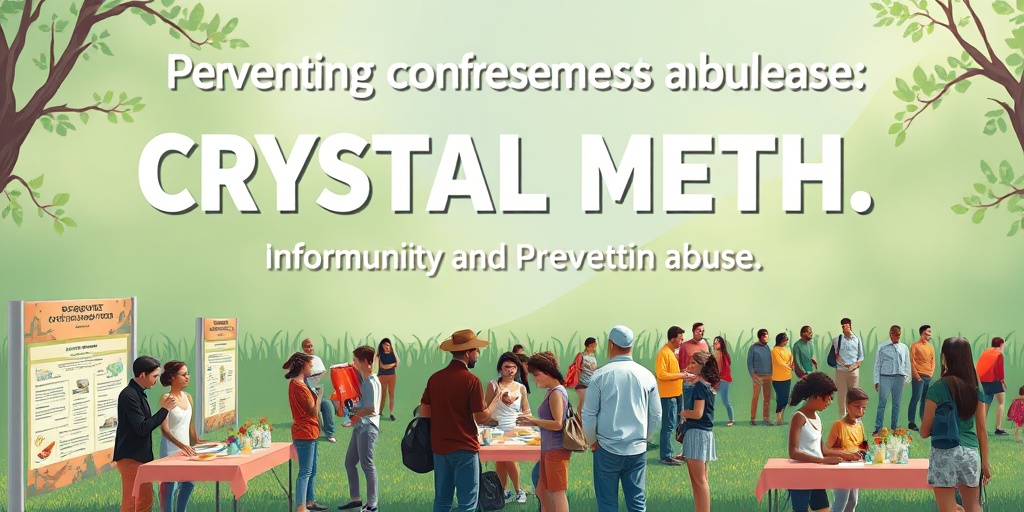
Preventing crystal meth abuse is a multifaceted approach that involves education, community involvement, and support systems. Understanding the risks and implementing effective strategies can help reduce the prevalence of this dangerous substance.
Education and Awareness
One of the most effective ways to prevent crystal meth abuse is through education. Schools, community centers, and health organizations can play a pivotal role in raising awareness about the dangers of crystal meth. Key points to cover include:
- The Risks: Educating individuals about the physical and psychological effects of crystal meth can deter use. Highlighting the potential for addiction, health complications, and the impact on relationships is crucial.
- Recognizing Signs: Teaching parents, teachers, and friends how to recognize the signs of crystal meth use can lead to early intervention. Symptoms may include drastic changes in behavior, physical appearance, and social circles.
- Resources for Help: Providing information about local resources, such as counseling services and rehabilitation programs, can empower individuals to seek help before addiction takes hold.
Community Involvement
Community engagement is vital in preventing crystal meth abuse. Initiatives such as local workshops, support groups, and outreach programs can foster a sense of unity and support. Here are some effective strategies:
- Peer Support Programs: Establishing peer-led support groups can create a safe environment for individuals to discuss their struggles and seek guidance.
- Family Involvement: Encouraging families to participate in prevention programs can strengthen bonds and create a supportive home environment.
- Collaboration with Local Authorities: Partnering with law enforcement and health officials can help address the issue at a community level, ensuring that resources are available and accessible.
Promoting Healthy Alternatives
Encouraging healthy lifestyle choices can also play a significant role in preventing crystal meth abuse. Activities such as sports, arts, and community service can provide positive outlets for energy and creativity. By fostering a sense of purpose and belonging, individuals are less likely to turn to substances like crystal meth. 🎨🏃♂️
In conclusion, while the challenges of crystal meth addiction are daunting, recovery stories and proactive prevention strategies offer hope and guidance. By focusing on education, community support, and healthy alternatives, we can work together to combat crystal meth abuse and promote a healthier future for all.
Frequently Asked Questions about Crystal Meth
What is Crystal Meth?
Crystal Meth is a powerful and highly addictive stimulant that affects the central nervous system. It is chemically similar to amphetamine, a drug used to treat attention deficit hyperactivity disorder (ADHD) and narcolepsy. However, the illicit form of Crystal Meth is often more potent and dangerous.
How is Crystal Meth used?
People typically use Crystal Meth by smoking, snorting, injecting, or swallowing it. The method of use can significantly affect the intensity and duration of its effects.
What are the effects of Crystal Meth?
- Short-term effects: Increased energy, decreased appetite, and heightened alertness.
- Long-term effects: Severe dental problems (often referred to as “meth mouth”), weight loss, and increased risk of infectious diseases.
- Psychological effects: Anxiety, paranoia, and hallucinations.
What are the signs of Crystal Meth addiction?
Signs of addiction may include:
- Increased tolerance to the drug
- Withdrawal symptoms when not using
- Neglecting responsibilities and relationships
- Engaging in risky behaviors
How can someone get help for Crystal Meth addiction?
If you or someone you know is struggling with Crystal Meth addiction, it is crucial to seek professional help. Treatment options include:
- Detoxification programs
- Inpatient rehabilitation
- Outpatient therapy
- Support groups such as Crystal Meth Anonymous
Are there any resources for support?
Yes! There are numerous resources available for those affected by Crystal Meth addiction. Websites, hotlines, and local support groups can provide assistance and guidance.
Can Crystal Meth use lead to other health issues?
Absolutely. Long-term use of Crystal Meth can lead to serious health complications, including cardiovascular problems, respiratory issues, and mental health disorders.
Is there a connection between Crystal Meth and popular culture?
Yes, Crystal Meth has been referenced in various forms of media, including television shows like Breaking Bad, which has contributed to its notoriety and public awareness.
What should I do if I suspect someone is using Crystal Meth?
If you suspect someone is using Crystal Meth, approach the situation with care and concern. Encourage them to seek help and provide them with information about treatment options.