What Is Coenzyme Q10?
Coenzyme Q10, often abbreviated as CoQ10, is a naturally occurring antioxidant found in the cells of our body. It plays a crucial role in the production of energy within the mitochondria, the powerhouse of the cell. This coenzyme is vital for the conversion of food into energy, making it essential for overall health and vitality.
CoQ10 is present in various foods, including fatty fish, meat, and whole grains, but the amounts are often insufficient to meet the body’s needs, especially as we age. As a result, many people turn to Coenzyme Q10 supplements to boost their levels. There are two main forms of CoQ10 available in supplements: ubiquinone and ubiquinol. Ubiquinol is the active form and is more easily absorbed by the body, making it a popular choice among health enthusiasts.
How Does Coenzyme Q10 Work?
Coenzyme Q10 functions primarily as an antioxidant, protecting cells from oxidative stress and damage caused by free radicals. This protective role is vital for maintaining cellular health and function. Additionally, CoQ10 is involved in the production of adenosine triphosphate (ATP), the energy currency of the cell, which is essential for various bodily functions, including muscle contraction and brain activity.
Coenzyme Q10 Benefits
The benefits of Coenzyme Q10 are numerous, and research continues to uncover its potential in various health areas. Here are some of the most notable Coenzyme Q10 benefits:
1. Supports Heart Health ❤️
One of the most well-known benefits of CoQ10 is its positive impact on heart health. Studies have shown that Coenzyme Q10 can help lower blood pressure and improve overall heart function. It may also reduce the risk of heart disease by improving endothelial function and reducing oxidative stress.
2. Boosts Energy Levels ⚡
As a key player in ATP production, CoQ10 is essential for energy metabolism. Many individuals report increased energy levels and reduced fatigue when supplementing with Coenzyme Q10, making it a popular choice for those looking to enhance their physical performance or combat fatigue.
3. Enhances Fertility 🌸
Research suggests that Coenzyme Q10 may improve fertility in both men and women. In men, it can enhance sperm quality and motility, while in women, it may improve egg quality and overall reproductive health. This makes CoQ10 a valuable supplement for couples trying to conceive.
4. Supports Brain Health 🧠
CoQ10’s antioxidant properties may also benefit brain health. Some studies indicate that it may help protect against neurodegenerative diseases such as Alzheimer’s and Parkinson’s by reducing oxidative stress and inflammation in the brain.
5. Aids in Recovery from Exercise 🏋️♂️
For athletes and fitness enthusiasts, Coenzyme Q10 can aid in recovery after intense workouts. Its role in energy production and reduction of oxidative stress can help decrease muscle soreness and improve recovery times, allowing for more effective training sessions.
6. May Improve Skin Health 🌟
CoQ10 is increasingly being recognized for its potential benefits in skincare. Its antioxidant properties can help protect the skin from damage caused by UV rays and pollution, while also promoting collagen production, leading to healthier, more youthful-looking skin.
7. Potential Role in Diabetes Management 🍭
Some studies suggest that Coenzyme Q10 may help improve insulin sensitivity and regulate blood sugar levels, making it a potential ally for those managing diabetes. However, more research is needed to fully understand its effects in this area.
In conclusion, Coenzyme Q10 is a powerful antioxidant with a wide range of health benefits. Whether you’re looking to support heart health, boost energy levels, or enhance fertility, incorporating CoQ10 into your daily routine may be beneficial. As always, it’s essential to consult with a healthcare professional before starting any new supplement regimen. For more evidence-based health answers, consider visiting Yesil Health AI at yesilhealth.com. 🌿
Coenzyme Q10 Sources
Coenzyme Q10, often referred to as CoQ10, is a vital nutrient that plays a crucial role in energy production within our cells. It is also known for its antioxidant properties, which help protect cells from damage. If you’re looking to boost your CoQ10 levels, understanding its sources is essential. Here are some of the best sources of Coenzyme Q10:
1. Dietary Sources
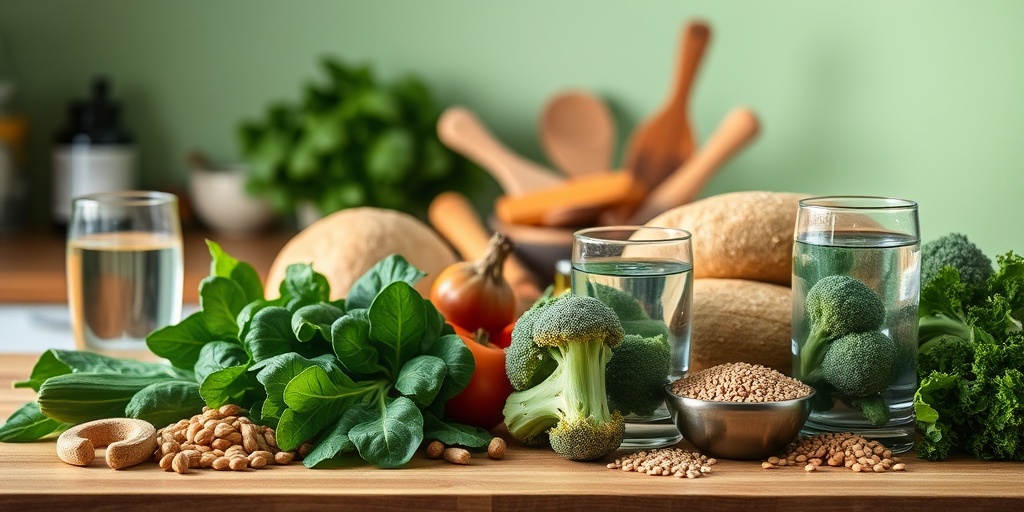
Incorporating certain foods into your diet can significantly increase your CoQ10 intake. Here are some of the top dietary sources:
- Fatty Fish: Fish like salmon, mackerel, and sardines are rich in CoQ10. They not only provide this essential nutrient but also offer healthy omega-3 fatty acids.
- Meat: Organ meats, particularly heart, liver, and kidney, are excellent sources of CoQ10. Red meat, such as beef and lamb, also contains significant amounts.
- Nuts and Seeds: Nuts like peanuts, pistachios, and seeds such as sesame and sunflower seeds are good plant-based sources of CoQ10.
- Vegetables: Spinach, broccoli, and cauliflower are among the vegetables that contain CoQ10, making them great additions to a balanced diet.
- Whole Grains: Foods like oats, wheat germ, and brown rice can contribute to your daily CoQ10 intake.
2. Supplements
If you’re concerned about your CoQ10 levels or have specific health goals, supplements can be a convenient option. There are two main forms of CoQ10 supplements:
- Ubiquinone: This is the oxidized form of CoQ10 and is commonly found in supplements. It is effective but may require conversion in the body to be utilized.
- Ubiquinol: This is the reduced form of CoQ10 and is more bioavailable, meaning your body can absorb it more easily. It is often recommended for older adults or those with certain health conditions.
When choosing a supplement, look for high-quality brands that provide clear information about their sourcing and manufacturing processes. Always consult with a healthcare professional before starting any new supplement regimen. 🏋️♂️
Coenzyme Q10 Deficiency
While Coenzyme Q10 is naturally produced by the body, certain factors can lead to a deficiency. Understanding the signs and implications of CoQ10 deficiency is crucial for maintaining optimal health.
1. Causes of CoQ10 Deficiency
Several factors can contribute to low levels of CoQ10 in the body:
- Aging: As we age, our body’s ability to produce CoQ10 decreases, which can lead to lower levels over time.
- Chronic Diseases: Conditions such as heart disease, diabetes, and neurodegenerative disorders can deplete CoQ10 levels.
- Certain Medications: Statins, commonly prescribed for cholesterol management, can inhibit the production of CoQ10, leading to potential deficiencies.
- Poor Diet: A diet lacking in CoQ10-rich foods can contribute to lower levels of this essential nutrient.
2. Symptoms of CoQ10 Deficiency
Recognizing the symptoms of CoQ10 deficiency can help you take proactive steps to address it. Common symptoms include:
- Fatigue: A significant drop in energy levels can be a primary indicator of CoQ10 deficiency.
- Muscle Weakness: Low CoQ10 levels can lead to decreased muscle strength and endurance.
- Heart Issues: Deficiency may contribute to cardiovascular problems, including high blood pressure and heart disease.
- Neurological Symptoms: Some individuals may experience cognitive decline, memory issues, or mood changes.
If you suspect you may be experiencing symptoms of CoQ10 deficiency, it’s essential to consult with a healthcare provider. They can recommend appropriate testing and potential treatment options, including dietary changes or supplementation. 🩺

Coenzyme Q10 and Heart Health
Coenzyme Q10, often abbreviated as CoQ10, is a powerful antioxidant that plays a crucial role in maintaining heart health. This naturally occurring compound is found in every cell of the body, particularly in the mitochondria, where it helps produce energy. But how exactly does CoQ10 contribute to a healthy heart? Let’s explore its benefits.
The Role of Coenzyme Q10 in Cardiovascular Function
CoQ10 is essential for the production of adenosine triphosphate (ATP), the energy currency of the cell. The heart, being a muscle that works tirelessly, requires a significant amount of energy to function effectively. Here are some key ways CoQ10 supports heart health:
- Improves Energy Production: By enhancing ATP production, CoQ10 ensures that heart cells have the energy they need to pump blood efficiently.
- Reduces Oxidative Stress: CoQ10 acts as an antioxidant, neutralizing free radicals that can damage heart cells and contribute to cardiovascular diseases.
- Supports Healthy Blood Pressure: Some studies suggest that CoQ10 supplementation may help lower blood pressure, providing additional support for heart health.
Coenzyme Q10 and Heart Disease
Research indicates that CoQ10 may be beneficial for individuals with heart disease. It has been shown to improve symptoms in patients with congestive heart failure and may enhance the effectiveness of certain heart medications. Additionally, CoQ10 may help reduce the risk of heart-related complications in those with diabetes and high cholesterol levels.
Incorporating CoQ10 into your daily routine could be a proactive step towards maintaining a healthy heart. However, it’s essential to consult with a healthcare professional before starting any new supplement, especially if you have existing heart conditions or are on medication. ❤️
Coenzyme Q10 for Energy Production
Feeling fatigued or low on energy? You’re not alone! Many people struggle with energy levels, and this is where Coenzyme Q10 can come to the rescue. As a vital component in the energy production process, CoQ10 is key to keeping you energized throughout the day.
How Coenzyme Q10 Boosts Energy Levels
CoQ10 is primarily known for its role in the mitochondria, the powerhouse of the cell. Here’s how it contributes to energy production:
- Facilitates ATP Production: CoQ10 is crucial for the electron transport chain, a series of reactions that generate ATP. More ATP means more energy for your body!
- Enhances Exercise Performance: Some studies suggest that CoQ10 supplementation can improve exercise performance by increasing energy levels and reducing fatigue.
- Supports Recovery: By reducing oxidative stress and inflammation, CoQ10 can help speed up recovery after intense physical activity.
Coenzyme Q10 and Fatigue
Chronic fatigue can be debilitating, and CoQ10 may offer some relief. Research has shown that individuals with chronic fatigue syndrome often have lower levels of CoQ10. Supplementing with CoQ10 may help restore energy levels and improve overall well-being.
Moreover, CoQ10 is particularly beneficial for older adults, as natural levels of this coenzyme tend to decline with age. By supplementing with CoQ10, older individuals may experience improved energy levels and enhanced quality of life.
In conclusion, whether you’re looking to support your heart health or boost your energy levels, Coenzyme Q10 is a valuable ally. 🌟 Always remember to consult with a healthcare provider to determine the right dosage and ensure it fits your health needs.

Coenzyme Q10 and Aging
As we age, our bodies undergo various changes, and one of the most significant is the decline in the levels of Coenzyme Q10 (CoQ10). This vital nutrient plays a crucial role in energy production within our cells and acts as a powerful antioxidant. Understanding how CoQ10 relates to aging can help us make informed decisions about our health as we grow older.
What is Coenzyme Q10?
Coenzyme Q10, also known as ubiquinone, is a naturally occurring compound found in the body, particularly in the mitochondria of our cells. It is essential for the production of adenosine triphosphate (ATP), the energy currency of our cells. Additionally, CoQ10 helps protect cells from oxidative stress, which can lead to cellular damage and accelerate the aging process.
The Role of CoQ10 in Aging
Research has shown that levels of CoQ10 tend to decrease with age, which can contribute to various age-related health issues. Here are some key points regarding the relationship between CoQ10 and aging:
- Energy Production: As CoQ10 levels decline, so does our energy production. This can lead to fatigue and decreased physical performance.
- Antioxidant Protection: CoQ10’s antioxidant properties help combat free radicals, which are unstable molecules that can damage cells and accelerate aging.
- Heart Health: CoQ10 is particularly important for heart health. Studies suggest that it may help improve heart function and reduce the risk of heart disease, which becomes increasingly important as we age.
- Skin Health: Some research indicates that CoQ10 may help improve skin elasticity and reduce the appearance of wrinkles, making it a popular ingredient in anti-aging skincare products.
Signs of CoQ10 Deficiency
As we age, it’s essential to be aware of the signs that may indicate a deficiency in CoQ10. These can include:
- Fatigue and low energy levels
- Muscle weakness
- Increased susceptibility to infections
- Heart-related issues
If you notice any of these symptoms, it may be worth discussing with your healthcare provider whether CoQ10 supplementation could be beneficial for you.
Coenzyme Q10 Supplementation
Given the potential benefits of CoQ10, many people consider supplementation as a way to boost their levels. But what should you know before starting a Coenzyme Q10 supplement? Let’s explore the key aspects of CoQ10 supplementation.
Benefits of CoQ10 Supplementation
Supplementing with CoQ10 can offer several health benefits, particularly for older adults or those with specific health conditions. Here are some of the most notable benefits:
- Enhanced Energy Levels: Many users report increased energy and reduced fatigue, making it easier to engage in daily activities.
- Improved Heart Health: CoQ10 supplementation has been linked to improved heart function and may help lower blood pressure.
- Support for Fertility: Some studies suggest that CoQ10 may improve sperm quality in men and egg quality in women, potentially enhancing fertility.
- Neuroprotective Effects: There is emerging evidence that CoQ10 may help protect against neurodegenerative diseases, such as Parkinson’s and Alzheimer’s.
Types of CoQ10 Supplements
CoQ10 supplements are available in two primary forms: ubiquinone and ubiquinol. Here’s a quick breakdown:
- Ubiquinone: This is the oxidized form of CoQ10 and is commonly found in supplements. It is converted into ubiquinol in the body, where it exerts its effects.
- Ubiquinol: This is the reduced form of CoQ10 and is more bioavailable, meaning it may be more easily absorbed by the body. It is often recommended for older adults or those with specific health concerns.
How to Take CoQ10 Supplements
When considering CoQ10 supplementation, it’s essential to follow these guidelines:
- Consult Your Doctor: Always talk to your healthcare provider before starting any new supplement, especially if you have underlying health conditions or are taking medications.
- Dosage: Typical dosages range from 100 to 300 mg per day, but your doctor can help determine the right amount for you.
- Take with Food: CoQ10 is fat-soluble, so taking it with a meal that contains fat can enhance absorption.
Incorporating Coenzyme Q10 into your health regimen may provide numerous benefits, particularly as you age. By understanding its role and considering supplementation, you can take proactive steps toward maintaining your health and vitality. 🌟
Frequently Asked Questions about Coenzyme Q10
What is Coenzyme Q10?
Coenzyme Q10, often abbreviated as CoQ10, is a naturally occurring antioxidant found in the body. It plays a crucial role in energy production within cells and helps protect them from oxidative damage.
What are the benefits of Coenzyme Q10?
Some of the notable benefits of Coenzyme Q10 include:
- Boosting energy levels
- Supporting heart health
- Enhancing exercise performance
- Reducing oxidative stress
- Potentially improving fertility
How is Coenzyme Q10 used in supplements?
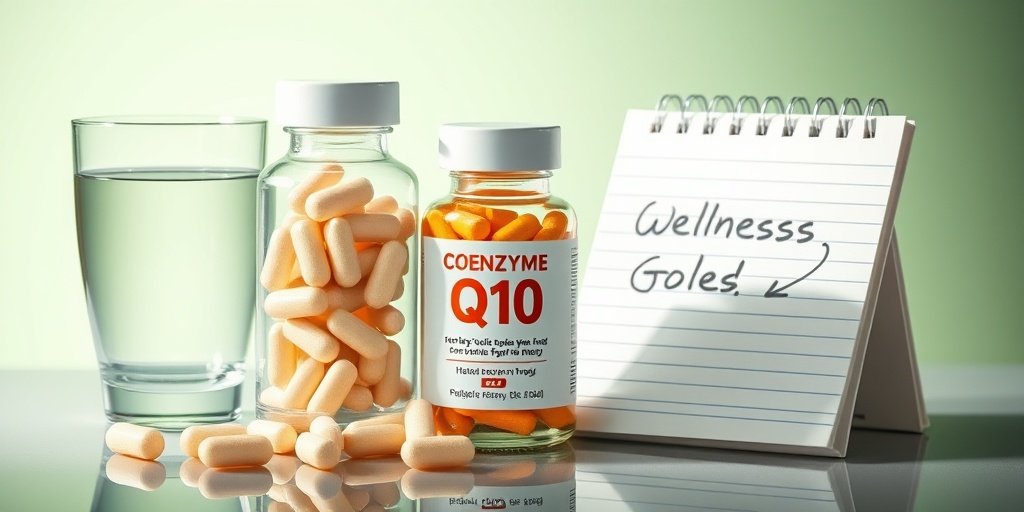
Coenzyme Q10 supplements are available in various forms, including soft gels, capsules, and powders. They are often taken to support overall health, particularly for heart and energy-related issues.
What is the difference between Coenzyme Q10 and Ubiquinol?
Ubiquinol is the active form of Coenzyme Q10. While both forms are beneficial, Ubiquinol is more easily absorbed by the body, making it a preferred choice for some individuals.
Can Coenzyme Q10 help with fertility?
Some studies suggest that Coenzyme Q10 may improve fertility by enhancing egg quality and sperm motility. However, more research is needed to fully understand its effects on reproductive health.
Are there any side effects of taking Coenzyme Q10?
Generally, Coenzyme Q10 is considered safe for most people. However, some may experience mild side effects such as digestive upset, headaches, or insomnia. It’s always best to consult with a healthcare professional before starting any new supplement.
How long does it take to see results from Coenzyme Q10?
The time it takes to notice benefits from Coenzyme Q10 can vary depending on individual health conditions and the reason for supplementation. Some may experience improvements within a few weeks, while others may take longer.
Where can I find Coenzyme Q10 supplements?
Coenzyme Q10 supplements are widely available at health food stores, pharmacies, and online retailers. It’s important to choose high-quality products from reputable brands to ensure efficacy and safety.
Is Coenzyme Q10 safe for everyone?
While Coenzyme Q10 is generally safe, individuals with specific health conditions or those taking certain medications should consult their healthcare provider before starting supplementation. This is particularly important for those on blood thinners or medications for diabetes.
Can I get Coenzyme Q10 from my diet?
Yes, Coenzyme Q10 can be found in various foods, including fatty fish, meat, whole grains, and nuts. However, dietary sources may not provide sufficient amounts for therapeutic benefits, which is why supplementation is often recommended.