What Are Chilblains?
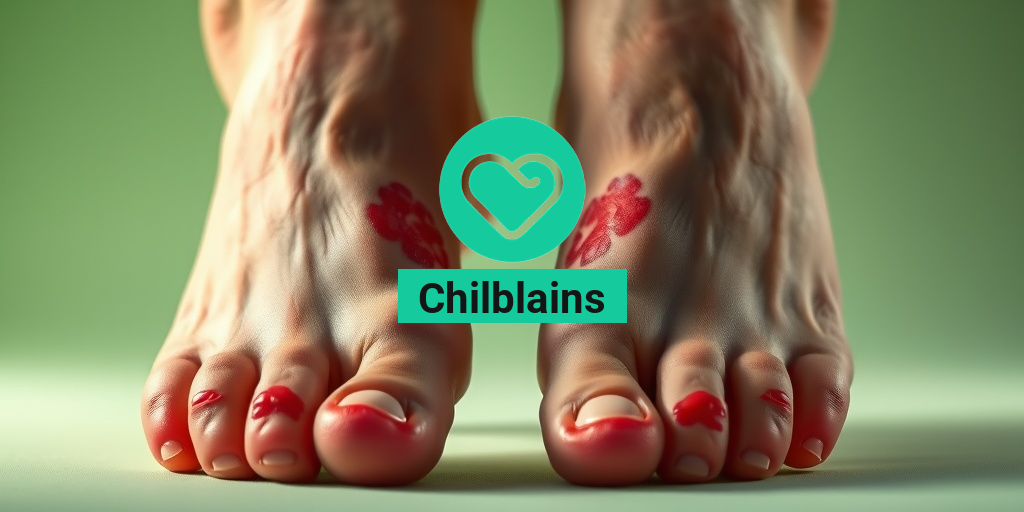
Chilblains, also known as pernio, are painful, itchy swellings that occur on the skin, typically in response to cold temperatures. They most commonly affect the fingers, toes, ears, and nose. When the skin is exposed to cold, the small blood vessels constrict to preserve heat. However, when the skin warms up again, these blood vessels can become inflamed, leading to the characteristic symptoms of chilblains.
While chilblains can occur in anyone, they are more prevalent in individuals with poor circulation or those who have a history of cold injuries. The condition is particularly common during the winter months when temperatures drop significantly. Understanding chilblains is essential for effective management and prevention.
Causes of Chilblains
The primary cause of chilblains is the body’s reaction to sudden changes in temperature. When exposed to cold, the body prioritizes keeping vital organs warm, which can lead to reduced blood flow to the extremities. Once the body warms up, the sudden rush of blood can cause the small blood vessels to become inflamed. Other factors that may contribute to the development of chilblains include:
- Poor circulation: Individuals with conditions that affect blood flow are at a higher risk.
- Humidity: High humidity levels can exacerbate the condition.
- Genetics: A family history of chilblains may increase susceptibility.
- Vitamin deficiencies: Deficiencies in vitamins, particularly vitamin D, can impact skin health and circulation.
Chilblains Symptoms
Recognizing the symptoms of chilblains is crucial for early intervention and treatment. The symptoms typically appear within a few hours of exposure to cold and can last for several days. Common symptoms include:
1. Itching and Burning Sensation
One of the first signs of chilblains is an intense itching or burning sensation in the affected area. This discomfort can be quite bothersome and may worsen with warmth.
2. Swelling and Redness
The affected areas often become swollen and red. This inflammation is a direct result of the blood vessels reacting to the temperature change.
3. Blisters and Ulcers
In more severe cases, chilblains can lead to the formation of blisters or even ulcers. These can be painful and may require medical attention to prevent infection.
4. Color Changes
Chilblains can cause the skin to change color, often appearing purple or blue due to the pooling of blood in the affected areas. This discoloration can be alarming but is typically temporary.
5. Pain
As chilblains progress, they can become increasingly painful, making it difficult to walk or use the affected fingers. The pain may persist even after the chilblains have healed.
When to Seek Medical Attention
If you experience severe symptoms or if the chilblains do not improve with home care, it is essential to consult a healthcare professional. They can provide guidance on effective chilblains treatment options and help rule out other conditions that may mimic chilblains.
For those seeking more information on managing chilblains and other health concerns, Yesil Health AI (yesilhealth.com) offers a wealth of evidence-based resources to help you make informed decisions about your health.
In conclusion, understanding chilblains and their symptoms is vital for effective management. By recognizing the signs early and taking preventive measures, you can minimize discomfort and protect your skin during the colder months. Stay warm and take care of your extremities to avoid this painful condition! ❄️🧤
Chilblains Causes
Chilblains, also known as pernio, are painful, itchy swellings that occur on the skin, typically on the toes, fingers, ears, and nose. They arise when the skin is exposed to cold and then warms up too quickly, leading to inflammation of the small blood vessels. Understanding the causes of chilblains can help you prevent and manage this uncomfortable condition.
Cold Weather Exposure
The primary cause of chilblains is exposure to cold temperatures. When your skin is exposed to cold, the blood vessels constrict to preserve heat. If you then move to a warmer environment too quickly, the blood vessels can expand rapidly, causing blood to leak into surrounding tissues. This results in the characteristic swelling and discomfort associated with chilblains.
Poor Circulation
Individuals with poor circulation are more susceptible to chilblains. Conditions that affect blood flow, such as Raynaud’s disease, can increase the risk. When blood flow is compromised, the skin may not receive adequate warmth, making it more vulnerable to the effects of cold.
Skin Sensitivity
Some people have skin that is more sensitive to temperature changes. This sensitivity can lead to an increased likelihood of developing chilblains, especially in colder climates. If you notice that your skin reacts strongly to temperature fluctuations, it’s essential to take preventive measures.
Humidity Levels
High humidity levels can also contribute to the development of chilblains. When the air is damp and cold, it can exacerbate the effects of cold exposure on the skin. This is particularly relevant in regions where cold, wet weather is common.
Genetic Factors
There may be a genetic component to chilblains, as some individuals may have a family history of the condition. If your parents or siblings have experienced chilblains, you might be at a higher risk as well.
Chilblains Risk Factors
While anyone can develop chilblains, certain risk factors can increase your likelihood of experiencing this condition. Understanding these factors can help you take proactive steps to protect your skin.
Age
Chilblains are more common in younger individuals, particularly those between the ages of 15 and 30. As we age, our skin becomes less sensitive to temperature changes, which may reduce the risk of developing chilblains.
Gender
Women are more likely than men to develop chilblains. This may be due to hormonal differences that affect blood circulation and skin sensitivity. If you are a woman, especially during colder months, it’s essential to be vigilant about protecting your extremities.
Existing Health Conditions
Individuals with certain health conditions, such as diabetes, lupus, or other autoimmune disorders, may have an increased risk of developing chilblains. These conditions can affect circulation and skin health, making it crucial to manage them effectively.
Vitamin Deficiencies
A deficiency in certain vitamins, particularly vitamin D and vitamin B12, can contribute to skin issues, including chilblains. Ensuring you have a balanced diet rich in essential nutrients can help maintain healthy skin and circulation.
Footwear Choices
Wearing tight or inadequate footwear can restrict blood flow to your toes, increasing the risk of chilblains. Opt for well-fitting shoes that provide warmth and allow for proper circulation, especially during colder months.
Living in Cold Climates
If you live in a region with a cold climate, you are at a higher risk of developing chilblains. It’s essential to take extra precautions during the winter months, such as wearing warm socks and shoes, to protect your extremities from the cold.
By understanding the causes and risk factors associated with chilblains, you can take proactive steps to prevent this painful condition. Stay warm, maintain good circulation, and ensure your skin is well-nourished to keep chilblains at bay! ❄️🧤
Chilblains Diagnosis
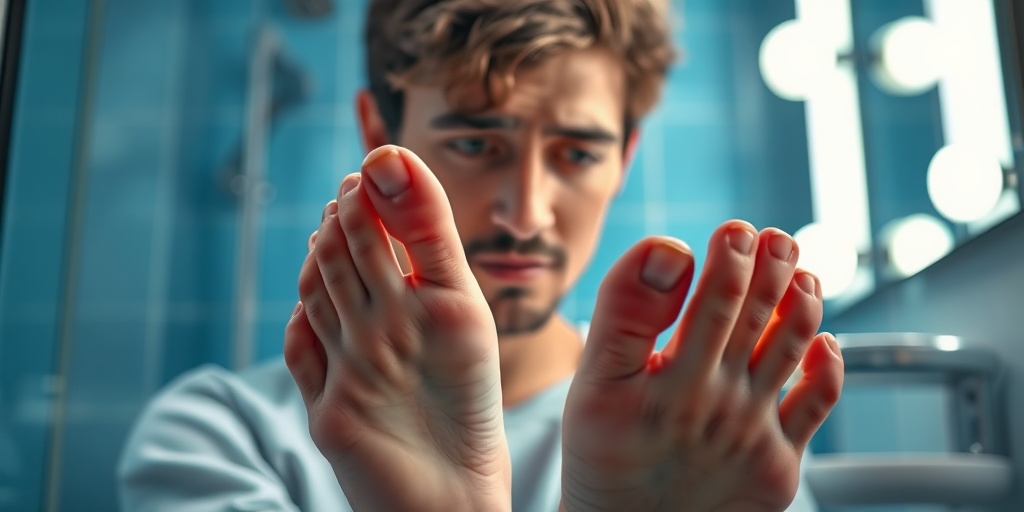
Chilblains, also known as pernio, are painful, itchy swellings that occur on the skin in response to cold temperatures. They typically affect the fingers, toes, ears, and nose. Diagnosing chilblains involves a combination of physical examination and patient history, as these conditions can often be mistaken for other skin issues.
Recognizing Symptoms
The first step in diagnosing chilblains is recognizing the symptoms. Common signs include:
- Red or purple patches on the skin
- Swelling and inflammation
- Itching or a burning sensation
- Pain in the affected areas, especially when exposed to warmth
These symptoms typically appear after exposure to cold and damp conditions, often worsening when the skin is warmed too quickly. If you notice these signs, it’s essential to consult a healthcare professional for an accurate diagnosis.
Consulting a Healthcare Professional
During your appointment, the healthcare provider will conduct a thorough examination of the affected areas. They may ask about your medical history, including:
- Frequency of chilblains episodes
- Duration and severity of symptoms
- Any underlying health conditions, such as Raynaud’s disease or circulation issues
In some cases, additional tests may be required to rule out other conditions that could mimic chilblains, such as eczema or frostbite. Blood tests may also be conducted to check for vitamin deficiencies or other underlying health issues.
Chilblains Treatment Options
Treating chilblains focuses on alleviating symptoms and preventing future occurrences. Here are some effective treatment options:
Home Remedies
For mild cases of chilblains, home remedies can be quite effective:
- Warm Compresses: Applying a warm (not hot) compress to the affected areas can help soothe pain and reduce swelling.
- Moisturizers: Keeping the skin hydrated with a good moisturizer can prevent dryness and cracking, which may worsen chilblains.
- Elevation: Elevating the affected limbs can help reduce swelling and improve circulation.
Over-the-Counter Treatments
There are several over-the-counter options available for treating chilblains:
- Chilblains Cream: Specialized creams containing ingredients like menthol or capsaicin can provide relief from itching and pain.
- Anti-inflammatory Medications: Nonsteroidal anti-inflammatory drugs (NSAIDs) like ibuprofen can help reduce pain and inflammation.
Prescription Treatments
If home remedies and over-the-counter treatments do not provide relief, your healthcare provider may recommend prescription medications:
- Corticosteroids: These can help reduce inflammation and swelling in more severe cases.
- Vasodilators: Medications that improve blood flow may be prescribed for individuals with underlying circulation issues.
Preventive Measures
Preventing chilblains is crucial, especially for those who are prone to them. Here are some tips to keep in mind:
- Dress Warmly: Wear warm, layered clothing and insulated footwear to protect against cold temperatures.
- Avoid Rapid Temperature Changes: Gradually warming your hands and feet can help prevent chilblains from developing.
- Stay Active: Regular physical activity can improve circulation and reduce the risk of chilblains.
By understanding the diagnosis and treatment options for chilblains, you can take proactive steps to manage this condition effectively. Remember, if you experience persistent symptoms, it’s essential to seek professional medical advice. 🌡️🧤

Chilblains Home Remedies
Chilblains, also known as pernio, are painful, itchy swellings that occur on the skin, typically on the toes, fingers, ears, and nose. They are caused by an abnormal reaction to cold temperatures, leading to inflammation of small blood vessels. If you’re suffering from chilblains, there are several effective home remedies you can try to alleviate the discomfort.
1. Warm Compresses
Applying a warm compress to the affected areas can help improve blood circulation and reduce swelling. Simply soak a clean cloth in warm water, wring it out, and place it on the chilblains for about 15-20 minutes. Repeat this several times a day for optimal results. 🌡️
2. Aloe Vera Gel
Aloe vera is renowned for its soothing properties. Applying fresh aloe vera gel directly to the chilblains can help reduce inflammation and provide relief from itching. Its natural anti-inflammatory properties make it an excellent choice for treating skin irritations.
3. Essential Oils
Essential oils like lavender and peppermint can be beneficial for chilblains. Mix a few drops of your chosen essential oil with a carrier oil (like coconut or olive oil) and gently massage it into the affected areas. This can help improve circulation and provide a soothing effect. 🌿
4. Epsom Salt Soaks
Soaking your feet in warm water mixed with Epsom salt can help reduce swelling and relieve pain. Epsom salt contains magnesium, which can help relax muscles and improve blood flow. Soak your feet for about 15-20 minutes, then pat them dry gently.
5. Ginger Tea
Drinking ginger tea can help improve circulation and warm your body from the inside out. Ginger has natural anti-inflammatory properties that can help alleviate the symptoms of chilblains. Simply steep fresh ginger slices in hot water for 10-15 minutes, strain, and enjoy! 🍵
6. Vitamin E Oil
Vitamin E is known for its skin-healing properties. Applying vitamin E oil to the affected areas can help promote healing and reduce discomfort. You can use vitamin E capsules or purchase vitamin E oil from health stores.
Chilblains Prevention Tips
Preventing chilblains is crucial, especially if you are prone to them. Here are some effective tips to help you avoid this painful condition:
1. Keep Your Extremities Warm
One of the best ways to prevent chilblains is to keep your fingers and toes warm. Wear warm socks and gloves when going out in cold weather. Consider using thermal or woolen materials for added insulation. 🧤🧦
2. Avoid Sudden Temperature Changes
Rapid changes in temperature can trigger chilblains. Try to avoid going from a cold environment to a hot one too quickly. If you come in from the cold, gradually warm up your body by sipping a warm drink or using a warm blanket.
3. Moisturize Regularly
Dry skin can exacerbate chilblains. Keep your skin moisturized, especially during the winter months. Use a thick moisturizer or lotion on your hands and feet to maintain hydration and prevent cracking.
4. Stay Active
Regular physical activity can help improve circulation, reducing the risk of chilblains. Engage in exercises that promote blood flow, such as walking, jogging, or cycling. Aim for at least 30 minutes of moderate exercise most days of the week. 🏃♂️
5. Dress in Layers
When heading out in cold weather, dress in layers to trap heat. This will help maintain your body temperature and prevent chilblains. Choose breathable fabrics that wick moisture away from your skin to keep you dry and warm.
6. Monitor Your Diet
A balanced diet rich in vitamins and minerals can support overall skin health. Ensure you are getting enough vitamin D, vitamin E, and omega-3 fatty acids, which can help improve circulation and skin condition. Consider incorporating foods like fish, nuts, seeds, and leafy greens into your meals. 🥗
By following these home remedies and prevention tips, you can effectively manage and reduce the risk of chilblains, keeping your skin healthy and comfortable throughout the colder months.

Frequently Asked Questions about Chilblains
What are Chilblains? 🤔
Chilblains are painful, itchy swellings that occur on the skin, typically in response to cold temperatures. They often affect the toes, fingers, ears, and nose, leading to discomfort and irritation.
What causes Chilblains? ❄️
Chilblains are primarily caused by the body’s abnormal response to cold and damp conditions. When exposed to cold, blood vessels constrict, and when re-warmed, they can expand too quickly, leading to inflammation and swelling.
How can I treat Chilblains? 💊
Treatment for chilblains often includes:
- Keeping the affected area warm and dry
- Applying topical creams to relieve itching and inflammation
- Taking over-the-counter pain relievers
- Avoiding tight footwear that can restrict blood flow
Are there any home remedies for Chilblains? 🏡
Yes! Some effective home remedies include:
- Soaking the affected area in warm water
- Using aloe vera gel to soothe the skin
- Applying a mixture of olive oil and vinegar to reduce inflammation
Can vitamin deficiency cause Chilblains? 🥗
Yes, certain vitamin deficiencies, particularly in vitamins that support skin health and circulation, may contribute to the development of chilblains. Ensuring a balanced diet rich in vitamins can help prevent them.
When should I see a doctor for Chilblains? 🩺
If you experience severe pain, persistent symptoms, or signs of infection (such as increased redness, swelling, or pus), it is important to consult a healthcare professional for further evaluation and treatment.
Can Chilblains be prevented? 🚫
Preventing chilblains involves:
- Wearing warm, moisture-wicking socks and shoes
- Avoiding sudden temperature changes
- Maintaining good circulation by moving around regularly
Are Chilblains common? 📊
Yes, chilblains are relatively common, especially in colder climates. They are more frequently seen in individuals with poor circulation or those who are frequently exposed to cold and damp conditions.