
What Is CFS?
Chronic Fatigue Syndrome (CFS), also known as myalgic encephalomyelitis (ME), is a complex and debilitating disorder characterized by extreme fatigue that lasts for at least six months and is not improved by rest. This condition can significantly impact daily activities and quality of life. While the exact cause of CFS remains unclear, it is believed to involve a combination of genetic, environmental, and psychological factors.
The History of CFS
The term “Chronic Fatigue Syndrome” was first used in the 1980s, but the condition has been recognized in various forms for centuries. Initially, it was often dismissed as a psychological issue, but ongoing research has revealed its multifaceted nature, leading to a better understanding of its physical and neurological components.
Understanding the Diagnosis
Diagnosing CFS can be challenging due to its overlapping symptoms with other conditions. Healthcare providers typically rely on specific criteria, including the presence of debilitating fatigue and other associated symptoms. The ICD-10 code for CFS is G93.3, which helps in identifying and categorizing the condition for treatment and research purposes.
CFS Symptoms
The symptoms of CFS can vary widely among individuals, making it a highly individualized condition. However, there are several common symptoms that many people with CFS experience:
- Severe Fatigue: The hallmark of CFS, this fatigue is profound and does not improve with rest.
- Post-Exertional Malaise: A worsening of symptoms following physical or mental exertion, often lasting for more than 24 hours.
- Sleep Disturbances: Many individuals report unrefreshing sleep, insomnia, or other sleep-related issues.
- Cognitive Difficulties: Often referred to as “brain fog,” this includes problems with memory, concentration, and information processing.
- Muscle and Joint Pain: Unexplained pain in muscles and joints, which can vary in intensity.
- Headaches: New types of headaches or changes in the pattern of existing headaches.
- Flu-like Symptoms: Many individuals experience recurrent sore throats, swollen lymph nodes, and low-grade fevers.
Impact on Daily Life
The symptoms of CFS can severely limit a person’s ability to perform everyday tasks, leading to significant emotional and psychological distress. Many individuals find it challenging to maintain employment, engage in social activities, or even manage household responsibilities. This can lead to feelings of isolation and frustration.
Seeking Help and Support
If you or someone you know is experiencing symptoms of CFS, it is crucial to seek medical advice. A healthcare professional can help rule out other conditions and provide a tailored treatment plan. Support groups and resources, such as Yesil Health AI (yesilhealth.com), can also offer valuable information and community support for those affected by CFS.
In conclusion, understanding CFS is the first step toward managing its symptoms and improving quality of life. While the journey may be challenging, awareness and support can make a significant difference. 🌟

CFS Causes
Chronic Fatigue Syndrome (CFS), also known as myalgic encephalomyelitis (ME), is a complex disorder characterized by extreme fatigue that doesn’t improve with rest. While the exact causes of CFS remain elusive, researchers have identified several potential factors that may contribute to its development. Understanding these causes can help in managing the condition more effectively.
1. Viral Infections
One of the most commonly discussed triggers for CFS is viral infections. Certain viruses, such as the Epstein-Barr virus (EBV), cytomegalovirus (CMV), and even the human immunodeficiency virus (HIV), have been linked to the onset of CFS. These infections can lead to prolonged fatigue and other symptoms that may evolve into chronic fatigue syndrome.
2. Immune System Dysfunction
Another potential cause of CFS is an abnormal immune response. Some studies suggest that individuals with CFS may have an overactive or dysfunctional immune system, which can lead to chronic inflammation and fatigue. This immune dysregulation may be triggered by infections or environmental factors.
3. Hormonal Imbalances
Hormonal changes, particularly those involving the hypothalamic-pituitary-adrenal (HPA) axis, may also play a role in CFS. The HPA axis regulates stress responses and energy levels. Disruptions in this system can lead to fatigue, sleep disturbances, and other symptoms associated with CFS.
4. Genetic Factors
Genetics may also contribute to the risk of developing CFS. Some individuals may have a genetic predisposition that makes them more susceptible to the condition. Family history of CFS or related disorders can increase the likelihood of developing similar symptoms.
5. Psychological Factors
Psychological stress and trauma have been implicated in the onset of CFS. Conditions such as anxiety and depression can exacerbate fatigue and other symptoms. While these factors may not directly cause CFS, they can significantly impact the severity and management of the condition.
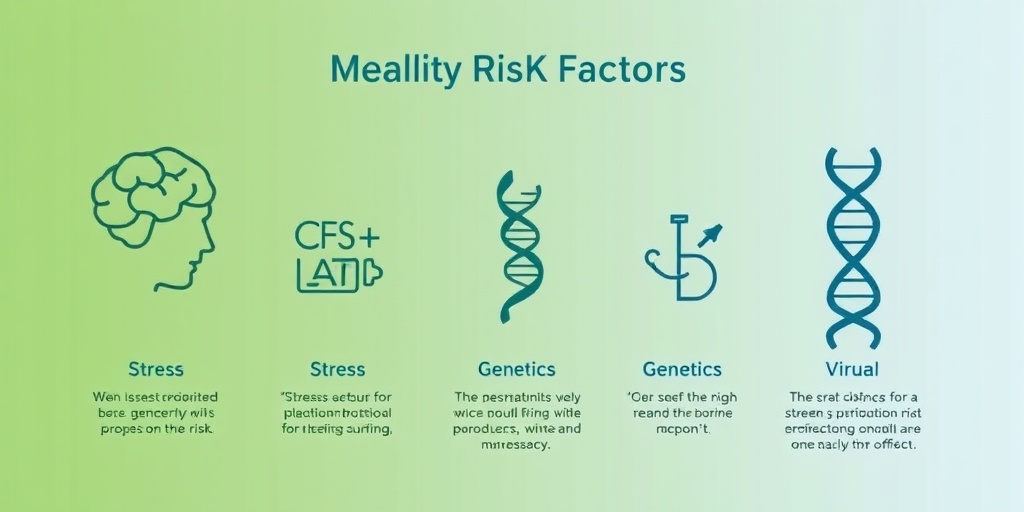
CFS Risk Factors
Identifying risk factors for CFS can help in understanding who is more likely to develop this debilitating condition. While anyone can develop CFS, certain factors may increase the likelihood of its onset.
1. Age and Gender
CFS can affect individuals of any age, but it is most commonly diagnosed in adults between the ages of 30 and 50. Additionally, women are more likely to be diagnosed with CFS than men, suggesting that hormonal or biological differences may play a role in its prevalence.
2. Previous Illness
Individuals who have experienced severe viral infections or other illnesses may be at a higher risk for developing CFS. The transition from an acute illness to chronic fatigue can occur in some cases, particularly if the initial illness was particularly debilitating.
3. Stressful Life Events
Experiencing significant stress, whether from personal, professional, or environmental sources, can increase the risk of developing CFS. Major life changes, such as the loss of a loved one, divorce, or job loss, can trigger the onset of symptoms.
4. Sedentary Lifestyle
A lack of physical activity can contribute to the development of CFS. Regular exercise is essential for maintaining energy levels and overall health. Conversely, a sedentary lifestyle may lead to deconditioning, which can exacerbate fatigue and other symptoms.
5. Coexisting Conditions
Individuals with other chronic conditions, such as fibromyalgia, autoimmune diseases, or mental health disorders, may be at a higher risk for developing CFS. The interplay between these conditions can complicate diagnosis and treatment, making it essential to address all underlying health issues.
In summary, while the exact causes of CFS remain unclear, a combination of viral infections, immune dysfunction, hormonal imbalances, genetic factors, and psychological stress may contribute to its development. Understanding the risk factors associated with CFS can help individuals recognize symptoms early and seek appropriate care. 🌟
CFS Diagnosis
Diagnosing CFS (Chronic Fatigue Syndrome) can be a complex process, as there is no single test that can definitively confirm the condition. Instead, healthcare providers rely on a combination of patient history, symptom evaluation, and ruling out other potential causes of fatigue. Understanding the diagnostic criteria and the steps involved can help patients navigate this challenging journey.
Understanding the Symptoms
The first step in diagnosing CFS is recognizing its symptoms. Common symptoms include:
- Persistent fatigue: This fatigue is not alleviated by rest and lasts for at least six months.
- Post-exertional malaise: A worsening of symptoms after physical or mental exertion.
- Sleep disturbances: Unrefreshing sleep or insomnia.
- Cognitive difficulties: Often referred to as “brain fog,” this includes problems with memory, concentration, and information processing.
- Muscle and joint pain: Unexplained pain without swelling or redness.
Patients may also experience other symptoms such as headaches, sore throat, and swollen lymph nodes. It’s essential to document these symptoms accurately, as they play a crucial role in the diagnostic process.
Consulting a Healthcare Provider
If you suspect you have CFS, the next step is to consult a healthcare provider. They will typically conduct a thorough medical history and physical examination. During this consultation, it’s important to discuss:
- Duration and severity of symptoms
- Any previous medical conditions
- Family history of chronic illnesses
Based on this information, your doctor may order blood tests or other diagnostic tests to rule out conditions that can mimic CFS, such as thyroid disorders, sleep apnea, or autoimmune diseases.
Diagnostic Criteria
The Centers for Disease Control and Prevention (CDC) has established specific criteria for diagnosing CFS. According to the CDC, a diagnosis requires:
- Severe fatigue that lasts for six months or longer
- At least four of the following symptoms:
- Post-exertional malaise
- Unrefreshing sleep
- Cognitive impairment
- Muscle pain
- Joint pain
- Headaches
- Frequent sore throat
- Swollen lymph nodes
Once diagnosed, patients can explore various treatment options to manage their symptoms effectively.
CFS Treatment Options
Treating CFS (Chronic Fatigue Syndrome) often requires a multifaceted approach, as there is currently no cure. The goal of treatment is to alleviate symptoms and improve the quality of life for those affected. Here are some common treatment options:
Medications
While there is no specific medication for CFS, several types of medications may help manage symptoms:
- Pain relievers: Over-the-counter medications like ibuprofen or acetaminophen can help alleviate muscle and joint pain.
- Antidepressants: These can be beneficial for managing sleep disturbances and mood issues.
- Stimulants: In some cases, doctors may prescribe stimulants to help combat fatigue.
Therapies
In addition to medications, various therapies can be effective in managing CFS symptoms:
- Cognitive Behavioral Therapy (CBT): This type of therapy can help patients develop coping strategies and address negative thought patterns related to their condition.
- Graded Exercise Therapy (GET): A carefully monitored exercise program can help improve physical function and reduce fatigue over time.
Lifestyle Changes
Making certain lifestyle adjustments can also play a significant role in managing CFS:
- Balanced diet: Eating a nutritious diet can help support overall health and energy levels.
- Sleep hygiene: Establishing a regular sleep routine can improve sleep quality.
- Stress management: Techniques such as meditation, yoga, or deep breathing exercises can help reduce stress and improve well-being.
It’s essential for patients to work closely with their healthcare providers to develop a personalized treatment plan that addresses their unique symptoms and needs. With the right approach, many individuals with CFS can find relief and improve their quality of life. 🌟

CFS Lifestyle Changes
Living with CFS (Chronic Fatigue Syndrome) can be challenging, but making certain lifestyle changes can significantly improve your quality of life. Here are some effective strategies to consider:
1. Prioritize Rest and Sleep
One of the most crucial aspects of managing CFS is ensuring you get adequate rest. This doesn’t just mean sleeping longer hours at night; it also involves incorporating rest periods throughout your day. Listen to your body and take breaks when you feel fatigued. Establishing a consistent sleep schedule can also help regulate your body’s internal clock, making it easier to fall asleep and wake up feeling refreshed.
2. Balanced Nutrition
Nutrition plays a vital role in managing CFS symptoms. A well-balanced diet can help boost your energy levels and overall health. Focus on:
- Whole foods: Incorporate fruits, vegetables, whole grains, and lean proteins into your meals.
- Hydration: Drink plenty of water throughout the day to stay hydrated.
- Avoiding processed foods: Limit sugar and refined carbs, which can lead to energy crashes.
3. Gentle Exercise
While it may seem counterintuitive, gentle exercise can be beneficial for those with CFS. Activities like walking, stretching, or yoga can help improve your stamina without overexerting yourself. Start slowly and gradually increase your activity level as tolerated. Always consult with a healthcare provider before starting any new exercise regimen.
4. Stress Management
Stress can exacerbate CFS symptoms, making it essential to find effective ways to manage it. Consider incorporating practices such as:
- Meditation: Spend a few minutes each day practicing mindfulness or meditation to help calm your mind.
- Deep breathing exercises: These can help reduce anxiety and promote relaxation.
- Journaling: Writing down your thoughts and feelings can be a therapeutic outlet.
5. Social Connections
Maintaining social connections can provide emotional support and reduce feelings of isolation. Engage with friends and family, even if it’s just through a phone call or video chat. Joining support groups, either in-person or online, can also connect you with others who understand what you’re going through. 🤝
CFS Support and Resources
Finding the right support and resources is crucial for managing CFS (Chronic Fatigue Syndrome). Here are some valuable options to consider:
1. Healthcare Providers
Consulting with healthcare professionals who specialize in CFS can provide you with tailored treatment plans. Look for doctors, therapists, or nutritionists who have experience with CFS. They can help you navigate symptoms and develop a comprehensive management strategy.
2. Online Communities
The internet offers a wealth of resources for those living with CFS. Online forums and social media groups can be excellent places to share experiences, ask questions, and find support. Websites like HealthUnlocked and Reddit have dedicated communities for CFS where you can connect with others. 🌐
3. Educational Resources
Understanding CFS is vital for effective management. Numerous organizations provide educational materials, including:
- The ME Association: Offers resources and support for those with ME/CFS.
- CDC (Centers for Disease Control and Prevention): Provides information on symptoms, diagnosis, and treatment options.
- National Institute of Health (NIH): Offers research updates and clinical trial information.
4. Local Support Groups
Many communities have local support groups for individuals with CFS. These groups can provide a safe space to share experiences and coping strategies. Check with local hospitals, community centers, or online platforms to find a group near you.
5. Mental Health Support
Living with CFS can take a toll on your mental health. Seeking support from a mental health professional can be beneficial. Therapists can help you develop coping strategies and address any feelings of anxiety or depression that may arise. 🧠
By making thoughtful lifestyle changes and utilizing available resources, you can better manage your CFS symptoms and improve your overall well-being. Remember, you are not alone in this journey, and support is always available. 💪

Frequently Asked Questions about Chronic Fatigue Syndrome (CFS)
What is Chronic Fatigue Syndrome (CFS)?
Chronic Fatigue Syndrome is a complex disorder characterized by extreme fatigue that doesn’t improve with rest and may worsen with physical or mental activity. It can significantly impact daily life and is often accompanied by other symptoms.
What are the common symptoms of CFS?
- Severe fatigue lasting more than six months
- Post-exertional malaise (worsening of symptoms after physical or mental exertion)
- Sleep disturbances
- Cognitive difficulties (often referred to as “brain fog”)
- Muscle and joint pain
- Headaches of a new type or severity
How is CFS diagnosed?
Diagnosis of CFS is primarily based on a thorough medical history and physical examination. There are no specific laboratory tests for CFS, but doctors may conduct tests to rule out other conditions with similar symptoms.
What treatments are available for CFS?
While there is no cure for CFS, various treatments can help manage symptoms. These may include:
- Medications to alleviate pain and improve sleep
- Cognitive Behavioral Therapy (CBT) to help manage symptoms
- Graded Exercise Therapy (GET) to gradually increase physical activity
- Dietary changes and nutritional supplements
Is there a link between CFS and fibromyalgia?
Yes, there is a connection between CFS and fibromyalgia, as both conditions share similar symptoms, such as fatigue and pain. However, they are distinct disorders, and treatment approaches may differ.
What is the ICD-10 code for CFS?
The ICD-10 code for Chronic Fatigue Syndrome is G93.3. This code is used for medical billing and documentation purposes.
Can lifestyle changes help manage CFS symptoms?
Absolutely! Many individuals with CFS find that lifestyle changes, such as regular sleep patterns, stress management techniques, and a balanced diet, can help alleviate some symptoms. 🌱
What should I do if I suspect I have CFS?
If you believe you may have CFS, it is important to consult a healthcare professional for a proper evaluation and to discuss your symptoms. Early intervention can be beneficial in managing the condition.