What Is Bird Flu?
Bird flu, scientifically known as avian influenza, is a viral infection that primarily affects birds but can also infect humans and other animals. The virus is part of the Orthomyxoviridae family and is categorized into different subtypes based on the proteins present on the virus’s surface. The most notable strains that have raised public health concerns include H5N1 and H7N9.
Bird flu is highly contagious among birds, particularly domestic poultry, and can lead to severe outbreaks in flocks. The virus spreads through direct contact with infected birds, their droppings, or contaminated environments. While the primary hosts are birds, certain strains can jump to humans, leading to serious health risks.
How Does Bird Flu Spread?
The transmission of bird flu occurs mainly through:
- Direct Contact: Handling infected birds or coming into contact with their droppings.
- Contaminated Surfaces: The virus can survive on surfaces, equipment, and clothing, making it easy to spread in farming environments.
- Aerosol Transmission: Inhalation of virus-laden droplets from infected birds can also pose a risk, especially in enclosed spaces.
Is Bird Flu Dangerous to Humans?
While most strains of avian influenza do not infect humans, certain strains, such as H5N1 and H7N9, have been known to cause severe illness and even death in humans. The risk of transmission to humans is generally low, but when it occurs, it can lead to serious respiratory issues and other complications.
Bird Flu Symptoms
Symptoms of bird flu in humans can vary depending on the strain of the virus and the individual’s health. Common symptoms include:
- Fever: A sudden onset of high fever is often one of the first signs.
- Cough: A persistent cough may develop, similar to other respiratory infections.
- Sore Throat: Inflammation and pain in the throat can occur.
- Muscle Aches: Generalized body aches and fatigue are common.
- Shortness of Breath: Difficulty breathing can indicate a more severe infection.
Severe Symptoms and Complications
In some cases, bird flu can lead to more severe symptoms, including:
- Pneumonia: A serious lung infection that can be life-threatening.
- Acute Respiratory Distress Syndrome (ARDS): A severe condition that requires immediate medical attention.
- Multi-organ Failure: In extreme cases, the virus can affect multiple organs, leading to serious complications.
What to Do If You Experience Symptoms
If you suspect you have been exposed to bird flu or are experiencing symptoms, it is crucial to seek medical attention promptly. Early diagnosis and treatment can significantly improve outcomes. Healthcare providers may recommend antiviral medications, which are most effective when administered early in the course of the illness.
For more information on bird flu and other health-related topics, consider visiting Yesil Health AI, a valuable resource for evidence-based health answers.
In summary, understanding bird flu (avian influenza) is essential for both public health and personal safety. By being aware of the symptoms and transmission methods, you can take proactive steps to protect yourself and your community. Stay informed, stay safe! 🦠💉

Bird Flu Transmission
Bird flu, also known as avian influenza, is primarily a disease that affects birds, but it can also pose a risk to humans and other animals. Understanding how bird flu is transmitted is crucial for preventing outbreaks and protecting both animal and human health.
How Bird Flu Spreads Among Birds
The transmission of bird flu among birds occurs mainly through direct contact. Here are the primary ways it spreads:
- Direct Contact: Infected birds can transmit the virus through their saliva, nasal secretions, and feces. Healthy birds can become infected by coming into contact with these secretions.
- Contaminated Environments: The virus can survive in the environment for extended periods, especially in wet conditions. Birds can contract the virus by pecking at contaminated surfaces, such as water sources or feeding areas.
- Human Intervention: Bird flu can also spread through human activities, such as the movement of infected birds or contaminated equipment. This is particularly relevant in poultry farming, where biosecurity measures are essential.
Transmission to Humans
While the risk of bird flu transmission to humans is relatively low, it is not impossible. Here are some key points to consider:
- Close Contact: Humans can contract bird flu by handling infected birds or coming into contact with their droppings. This is why poultry workers and bird handlers are at a higher risk.
- Consumption of Infected Poultry: Eating undercooked or raw poultry products from infected birds can also pose a risk. It’s essential to ensure that poultry is cooked thoroughly to kill any potential viruses.
- Airborne Particles: In rare cases, the virus can spread through respiratory droplets when an infected bird coughs or sneezes, although this is less common.
Bird Flu Risk Factors
Understanding the risk factors associated with bird flu is vital for both prevention and control. Certain conditions and behaviors can increase the likelihood of infection.
Environmental Factors
Several environmental factors can contribute to the spread of bird flu:
- High Bird Density: Areas with a high concentration of birds, such as poultry farms or migratory bird habitats, are at a greater risk for outbreaks.
- Wet Conditions: The virus thrives in moist environments, making wetlands and marshy areas potential hotspots for transmission.
- Seasonal Migration: Migratory birds can carry the virus over long distances, introducing it to new areas and domestic bird populations.
Human Behavior
Human activities can also influence the risk of bird flu transmission:
- Poultry Farming Practices: Poor biosecurity measures in poultry farms can lead to outbreaks. It’s crucial for farmers to implement strict hygiene protocols to minimize the risk.
- Handling Infected Birds: Individuals who work with birds, such as veterinarians or bird enthusiasts, should take precautions to avoid exposure to infected birds.
- Traveling to Affected Areas: Traveling to regions experiencing bird flu outbreaks increases the risk of exposure. Awareness and caution are essential for travelers.
Health Conditions
Individuals with certain health conditions may be at a higher risk of severe illness if they contract bird flu:
- Weakened Immune Systems: People with compromised immune systems, such as those undergoing chemotherapy or living with HIV/AIDS, may be more susceptible to severe outcomes.
- Chronic Respiratory Conditions: Individuals with pre-existing respiratory issues, like asthma or COPD, may face increased risks if infected.
In summary, understanding the transmission and risk factors associated with bird flu (avian influenza) is essential for effective prevention and control. By being aware of how the virus spreads and the conditions that increase risk, we can better protect ourselves and our communities. 🦠🌍
Bird Flu Diagnosis
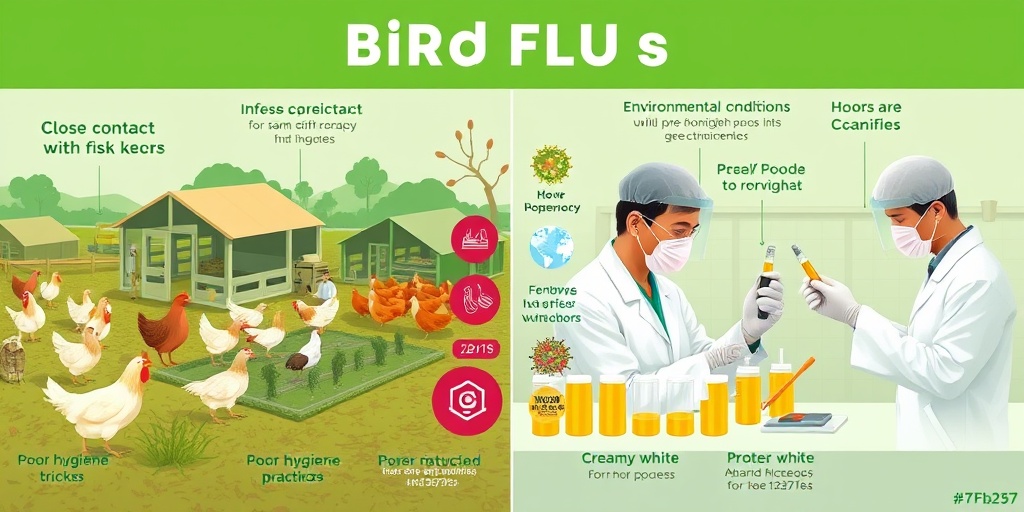
Diagnosing Bird Flu (Avian Influenza) can be a complex process, primarily because the symptoms can often mimic those of other respiratory illnesses. Understanding how this disease is diagnosed is crucial for effective management and prevention.
Symptoms of Bird Flu
Bird flu symptoms can vary significantly depending on the strain of the virus and the species affected. Common symptoms in birds include:
- Sudden death without prior signs of illness
- Respiratory distress, such as coughing or sneezing
- Swelling around the eyes and neck
- Diarrhea or changes in droppings
- Decreased egg production or abnormal eggs
In humans, symptoms can range from mild flu-like signs to severe respiratory illness. Common symptoms include:
- Fever
- Cough
- Sore throat
- Muscle aches
- Shortness of breath
Diagnostic Tests
If bird flu is suspected, especially in poultry or wild birds, veterinarians may conduct several diagnostic tests:
- Polymerase Chain Reaction (PCR): This test detects the genetic material of the virus and is the most reliable method for diagnosing avian influenza.
- Serological Tests: These tests check for antibodies in the blood, indicating whether the bird has been exposed to the virus.
- Virus Isolation: In this method, samples from infected birds are cultured to see if the virus can be grown in a laboratory setting.
For humans, healthcare providers may use similar tests, including PCR and rapid influenza diagnostic tests (RIDTs), to confirm the presence of the virus. Early diagnosis is critical, as it can significantly affect treatment outcomes.
Bird Flu Treatment Options
Treating Bird Flu (Avian Influenza) effectively requires a multifaceted approach, especially since the treatment can differ between birds and humans.
Treatment for Birds
Currently, there is no specific treatment for birds infected with avian influenza. However, some management strategies can help mitigate the impact:
- Quarantine: Infected birds should be isolated to prevent the spread of the virus to healthy flocks.
- Vaccination: In some regions, vaccines are available to protect poultry from certain strains of avian influenza.
- Supportive Care: Providing good nutrition and a stress-free environment can help boost the immune system of affected birds.
Treatment for Humans
For humans, treatment options depend on the severity of the illness:
- Antiviral Medications: Drugs such as oseltamivir (Tamiflu) and zanamivir (Relenza) can be effective if administered early in the course of the illness.
- Supportive Care: This includes rest, hydration, and over-the-counter medications to relieve symptoms like fever and body aches.
- Hospitalization: Severe cases may require hospitalization for advanced care, including oxygen therapy or mechanical ventilation.
It’s essential to consult healthcare professionals if you suspect exposure to bird flu, especially if you experience symptoms. Early intervention can make a significant difference in recovery outcomes.
In conclusion, understanding the diagnosis and treatment options for Bird Flu (Avian Influenza) is vital for both poultry health and public safety. Awareness and prompt action can help control outbreaks and protect both animal and human populations. 🦠💉

Bird Flu Prevention Strategies
Bird flu, also known as avian influenza, is a viral infection that primarily affects birds but can also infect humans and other animals. Understanding how to prevent the spread of this disease is crucial for both public health and the poultry industry. Here are some effective strategies to mitigate the risk of bird flu.
1. Biosecurity Measures on Farms
Implementing strict biosecurity measures is essential for poultry farms. These measures include:
- Controlled Access: Limit access to farm areas to essential personnel only. This helps reduce the risk of introducing the virus.
- Sanitation Protocols: Regularly disinfect equipment, vehicles, and clothing to prevent contamination.
- Isolation of New Birds: Quarantine new birds for at least 30 days before introducing them to the flock.
2. Monitoring and Surveillance
Regular monitoring of bird populations is vital. This includes:
- Health Checks: Conduct routine health assessments of birds to identify any signs of illness early.
- Reporting Sick Birds: Encourage farmers and bird owners to report any unusual deaths or sickness in their flocks to local authorities.
3. Vaccination
Vaccination can be an effective tool in preventing bird flu outbreaks. While there is no universal vaccine for all strains of avian influenza, specific vaccines are available for certain strains. Consult with a veterinarian to determine the best vaccination strategy for your flock.
4. Public Awareness and Education
Raising awareness about bird flu is crucial. Educational campaigns can help inform the public about:
- Transmission Risks: Understanding how bird flu spreads can help individuals take necessary precautions.
- Safe Handling Practices: Educating people on how to safely handle birds and poultry products can reduce the risk of infection.
5. Avoiding Contact with Wild Birds
Wild birds can carry the virus without showing symptoms. To minimize risk:
- Avoid Feeding Wild Birds: This can attract them to areas where domestic birds are kept.
- Secure Poultry Enclosures: Ensure that domestic birds are kept in secure areas to prevent contact with wild birds.
Bird Flu and Public Health
The impact of bird flu on public health cannot be underestimated. While the virus primarily affects birds, certain strains can infect humans, leading to severe health complications. Understanding the relationship between bird flu and public health is essential for effective management and prevention.
1. Human Infection Risks
Human infections with avian influenza are rare but can occur, particularly in individuals who have close contact with infected birds. Symptoms in humans can range from mild flu-like symptoms to severe respiratory illness. The most concerning strains, such as H5N1 and H7N9, have shown a higher mortality rate among infected individuals.
2. Surveillance and Response
Public health authorities must maintain robust surveillance systems to monitor bird flu outbreaks. This includes:
- Tracking Outbreaks: Keeping a close watch on bird populations and reporting any outbreaks promptly.
- Preparedness Plans: Developing response plans for potential human infections, including vaccination strategies and treatment protocols.
3. Global Cooperation
Bird flu is a global concern that requires international cooperation. Countries must work together to:
- Share Information: Exchange data on outbreaks and effective prevention strategies.
- Support Research: Invest in research to develop better vaccines and treatments for both birds and humans.
4. Public Health Messaging
Effective communication is key to preventing the spread of bird flu. Public health campaigns should focus on:
- Educating the Public: Informing communities about the risks associated with bird flu and how to protect themselves.
- Promoting Safe Practices: Encouraging safe handling of poultry and proper cooking methods to eliminate the virus.
In conclusion, understanding bird flu (avian influenza) and its implications for public health is vital. By implementing prevention strategies and fostering public awareness, we can work towards minimizing the risks associated with this disease. 🌍🐦

Frequently Asked Questions about Bird Flu (Avian Influenza)
What is Bird Flu (Avian Influenza)?
Bird Flu, also known as Avian Influenza, is a viral infection that primarily affects birds but can also infect humans and other animals. It is caused by influenza viruses that are adapted to birds.
Is Bird Flu and Avian Influenza the Same Thing?
Yes, Bird Flu and Avian Influenza refer to the same disease. The terms are often used interchangeably to describe the infection caused by specific strains of the influenza virus that primarily affect birds.
Is Avian Flu Dangerous to Humans?
While most strains of Avian Influenza primarily affect birds, certain strains can be dangerous to humans. Infections in humans are rare but can lead to severe respiratory illness and other complications. It is important to take precautions when handling infected birds.
How Can I Protect Myself from Bird Flu?
- Avoid contact with sick or dead birds.
- Practice good hygiene, such as washing hands frequently.
- Cook poultry and eggs thoroughly before consumption.
- Stay informed about outbreaks in your area.
What Are the Symptoms of Bird Flu in Humans?
Symptoms of Bird Flu in humans can include:
- Fever
- Cough
- Sore throat
- Muscle aches
- Shortness of breath
If you experience these symptoms after exposure to infected birds, seek medical attention immediately.
Can Bird Flu Spread from Person to Person?
Transmission of Avian Influenza from person to person is rare. Most cases occur through direct contact with infected birds or contaminated environments. However, health authorities monitor cases closely to prevent potential outbreaks.
What Should I Do If I Suspect Bird Flu in Birds?
If you suspect that birds in your area are infected with Bird Flu, report it to local wildlife authorities or veterinary services. Do not attempt to handle sick birds yourself, as this can pose health risks.
Is There a Vaccine for Bird Flu?
Currently, there is no widely available vaccine for Bird Flu for humans. However, vaccines exist for certain strains of the virus in poultry. Research is ongoing to develop effective vaccines for humans.
Where Can I Find More Information on Bird Flu?
For more detailed information on Avian Influenza, you can visit reputable health organization websites such as the World Health Organization (WHO) or the Centers for Disease Control and Prevention (CDC).