
What Is Arthritis?
Arthritis is a term that encompasses over 100 different conditions affecting the joints, leading to inflammation, pain, and stiffness. It can impact people of all ages, including children, and is one of the leading causes of disability worldwide. The most common types of arthritis include osteoarthritis, rheumatoid arthritis, and psoriatic arthritis.
Understanding the Types of Arthritis
To better grasp what arthritis is, it’s essential to understand its various forms:
- Osteoarthritis: This is the most prevalent type, often referred to as “wear and tear” arthritis. It occurs when the protective cartilage that cushions the ends of the bones wears down over time, leading to pain and stiffness, particularly in weight-bearing joints like the knees and hips.
- Rheumatoid Arthritis: An autoimmune disorder where the body’s immune system mistakenly attacks the joints, causing inflammation. This type can affect multiple joints and often leads to joint deformities if not treated.
- Psoriatic Arthritis: This type occurs in some individuals with psoriasis, a skin condition. It can cause joint pain and swelling, often affecting the fingers and spine.
Other forms include juvenile arthritis, which affects children, and septic arthritis, caused by infection in the joint. Understanding these distinctions is crucial for effective arthritis treatment and management.
What Causes Arthritis?
The exact cause of arthritis can vary depending on the type. Common factors include:
- Genetics: A family history of arthritis can increase your risk.
- Age: The risk of developing arthritis increases with age.
- Previous Joint Injuries: Injuries can lead to conditions like osteoarthritis later in life.
- Obesity: Excess weight puts additional stress on weight-bearing joints.
Understanding these causes can help in preventing or managing arthritis effectively. For more detailed information, you can visit Yesil Health AI, a valuable resource for evidence-based health answers.
Arthritis Symptoms
Recognizing the symptoms of arthritis is vital for early diagnosis and treatment. While symptoms can vary depending on the type of arthritis, some common signs include:
- Joint Pain: Persistent pain in the joints is often the first noticeable symptom.
- Stiffness: Many people experience stiffness, especially in the morning or after sitting for long periods.
- Swelling: Inflammation can cause joints to swell, making them appear larger than usual.
- Reduced Range of Motion: You may find it difficult to move your joints as freely as before.
- Fatigue: Chronic fatigue is common, particularly in inflammatory types of arthritis.
Specific Symptoms by Type
Different types of arthritis may present unique symptoms:
- Rheumatoid Arthritis Symptoms: In addition to joint pain and swelling, symptoms may include fever, fatigue, and a general feeling of malaise.
- Osteoarthritis Symptoms: Symptoms often worsen with activity and improve with rest. You may also hear a grating sensation when moving the affected joint.
- Psoriatic Arthritis Symptoms: This type may also cause skin lesions and nail changes, such as pitting or separation from the nail bed.
If you experience any of these symptoms, it’s essential to consult a healthcare professional for a proper diagnosis and treatment for arthritis. Early intervention can significantly improve quality of life and reduce the risk of joint damage.
In conclusion, understanding what arthritis is and recognizing its symptoms can empower you to seek timely medical advice. Whether you are dealing with arthritis in the knee, arthritis in the hands, or any other form, knowledge is your best ally in managing this condition effectively. 🌟

Types of Arthritis
Arthritis is a broad term that encompasses over 100 different conditions affecting the joints, leading to pain, stiffness, and inflammation. Understanding the various types of arthritis is crucial for effective management and treatment. Here are some of the most common types:
1. Osteoarthritis
Osteoarthritis is the most prevalent form of arthritis, often referred to as “wear and tear” arthritis. It occurs when the protective cartilage that cushions the ends of the bones wears down over time. This type typically affects weight-bearing joints such as the knees, hips, and spine. Symptoms include:
- Joint pain and stiffness
- Swelling around the affected joint
- Reduced flexibility
- Bone spurs
2. Rheumatoid Arthritis
Rheumatoid arthritis (RA) is an autoimmune disorder where the immune system mistakenly attacks the synovium—the lining of the membranes that surround the joints. This leads to inflammation, pain, and eventually joint damage. Common symptoms include:
- Morning stiffness lasting more than 30 minutes
- Symmetrical joint pain (affecting both sides of the body)
- Fatigue and fever
- Rheumatoid nodules
3. Psoriatic Arthritis
Psoriatic arthritis is associated with the skin condition psoriasis. It can affect any joint in the body and may lead to joint pain, stiffness, and swelling. Symptoms often include:
- Joint pain and swelling
- Changes in nails (pitting or separation)
- Fatigue
4. Juvenile Arthritis
Juvenile arthritis refers to arthritis that occurs in children under the age of 16. It can cause persistent joint pain, swelling, and stiffness. The exact cause is unknown, but it can significantly impact a child’s growth and development.
5. Gout
Gout is a type of inflammatory arthritis characterized by sudden and severe attacks of pain, redness, and swelling, often affecting the big toe. It is caused by an accumulation of uric acid crystals in the joints. Symptoms include:
- Intense joint pain
- Lingering discomfort
- Inflammation and redness
6. Septic Arthritis
Septic arthritis is a medical emergency caused by an infection in the joint. It can result from bacteria, viruses, or fungi entering the joint space. Symptoms often include:
- Severe joint pain
- Swelling and warmth around the joint
- Fever and chills
Arthritis Causes
The causes of arthritis can vary widely depending on the type. Here are some common factors that contribute to the development of arthritis:
1. Age
As we age, the risk of developing arthritis increases. The wear and tear on joints over time can lead to conditions like osteoarthritis.
2. Genetics
Family history plays a significant role in the likelihood of developing certain types of arthritis, particularly rheumatoid arthritis and osteoarthritis. If a close relative has arthritis, your risk may be higher.
3. Previous Joint Injuries
Injuries to joints, such as fractures or ligament tears, can increase the risk of developing arthritis later in life. This is particularly true for knee arthritis.
4. Obesity
Excess weight puts additional stress on weight-bearing joints, such as the knees and hips, increasing the risk of osteoarthritis. Maintaining a healthy weight can help reduce this risk.
5. Autoimmune Disorders
Conditions like lupus and psoriasis can increase the risk of developing inflammatory arthritis, such as rheumatoid arthritis and psoriatic arthritis. In these cases, the immune system attacks the body’s own tissues.
6. Infections
Some types of arthritis, like septic arthritis, are caused by infections in the joint. Bacteria, viruses, or fungi can enter the joint space, leading to inflammation and pain.
7. Lifestyle Factors
Smoking and excessive alcohol consumption can contribute to the development of arthritis. Additionally, a sedentary lifestyle may increase the risk of joint problems.
Understanding the types and causes of arthritis is essential for effective management and treatment. If you experience symptoms of arthritis, such as joint pain or stiffness, it’s important to consult a healthcare professional for an accurate diagnosis and appropriate treatment options. 🩺
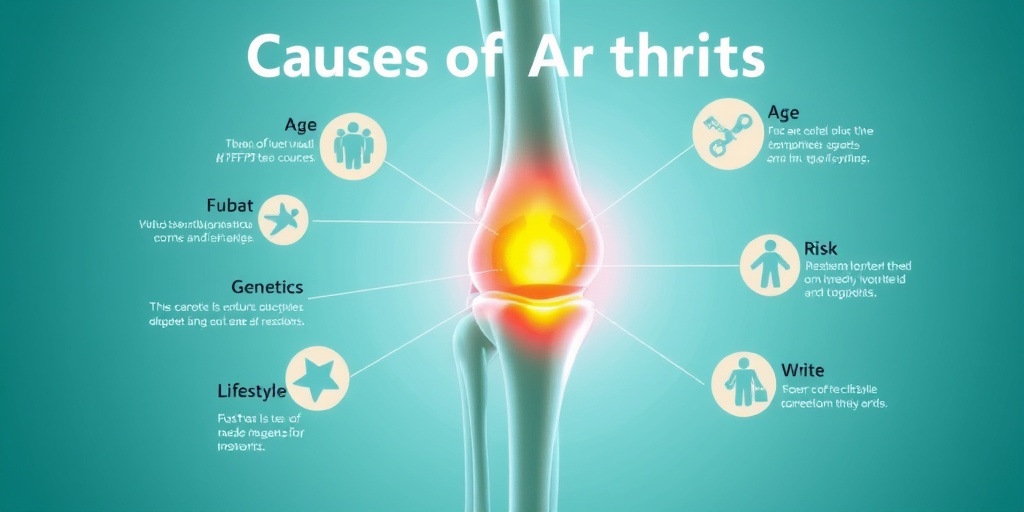
Risk Factors for Arthritis
Arthritis is a complex condition that affects millions of people worldwide. Understanding the risk factors for arthritis can help in early detection and management of this debilitating disease. Here, we’ll explore the various factors that may increase your likelihood of developing arthritis.
Age
One of the most significant risk factors for arthritis is age. As we grow older, the wear and tear on our joints can lead to conditions like osteoarthritis. In fact, most people over the age of 65 experience some form of arthritis. However, it’s important to note that arthritis can affect younger individuals as well, particularly in cases of juvenile arthritis or rheumatoid arthritis.
Genetics
If you have a family history of arthritis, your risk may be higher. Certain types of arthritis, such as rheumatoid arthritis and psoriatic arthritis, have a genetic component. If your parents or siblings have been diagnosed, it’s wise to be vigilant about any arthritis symptoms you may experience.
Gender
Gender plays a crucial role in the prevalence of arthritis. Women are more likely to develop arthritis than men, particularly rheumatoid arthritis and osteoarthritis. Hormonal factors may contribute to this increased risk, especially during and after menopause.
Obesity
Excess weight puts additional stress on weight-bearing joints, such as the knees and hips. This can lead to the development of knee arthritis and hip arthritis. Maintaining a healthy weight through diet and exercise can significantly reduce your risk of developing arthritis.
Previous Joint Injuries
Injuries to the joints, such as fractures or ligament tears, can increase the risk of arthritis later in life. If you’ve had a significant injury, it’s essential to monitor your joint health and seek medical advice if you notice any arthritis symptoms.
Other Health Conditions
Certain health conditions can also increase your risk of developing arthritis. For example, individuals with metabolic disorders, such as diabetes, or autoimmune diseases, like lupus, are at a higher risk. Additionally, conditions like gout can lead to arthritis pain in the affected joints.
Environmental Factors
Exposure to certain environmental factors, such as toxins or pollutants, may also contribute to the development of arthritis. While research is ongoing, it’s essential to be aware of your surroundings and take steps to minimize exposure to harmful substances.
Arthritis Diagnosis
Diagnosing arthritis can be a complex process, as there are over 100 different types of arthritis, each with its own set of symptoms and characteristics. Understanding how arthritis is diagnosed can help you navigate the healthcare system more effectively.
Medical History and Symptoms
The first step in diagnosing arthritis typically involves a thorough medical history and discussion of your symptoms. Your healthcare provider will ask about:
- Duration and severity of arthritis pain
- Any previous joint injuries
- Family history of arthritis
- Other health conditions
Being prepared with this information can help your doctor make a more accurate diagnosis.
Physical Examination
During a physical examination, your doctor will assess your joints for swelling, tenderness, and range of motion. They may also check for signs of inflammation, which can indicate conditions like rheumatoid arthritis or inflammatory arthritis.
Imaging Tests
To further evaluate your joints, your doctor may recommend imaging tests such as:
- X-rays: These can reveal joint damage and help determine the type of arthritis.
- MRIs: Magnetic resonance imaging provides detailed images of soft tissues and can help identify inflammation.
- Ultrasound: This test can visualize joint inflammation and fluid accumulation.
Laboratory Tests
Blood tests can also play a crucial role in diagnosing arthritis. Your doctor may order tests to check for:
- Rheumatoid factor (RF)
- Anti-citrullinated protein antibodies (ACPA)
- Complete blood count (CBC) to check for signs of inflammation
These tests can help differentiate between various types of arthritis and rule out other conditions.
Joint Aspiration
In some cases, your doctor may perform a procedure called joint aspiration, where they use a needle to withdraw fluid from the joint. This fluid can be analyzed to determine the presence of infection, crystals (as in gout), or other abnormalities.
Understanding the diagnosis of arthritis is crucial for effective management and treatment. If you suspect you have arthritis, don’t hesitate to consult a healthcare professional for a comprehensive evaluation. 🩺

Arthritis Treatment Options
Arthritis is a common condition that affects millions of people worldwide, leading to pain, stiffness, and inflammation in the joints. Understanding the various arthritis treatment options available can empower individuals to manage their symptoms effectively and improve their quality of life. Here, we’ll explore both conventional and alternative treatments for arthritis.
Medications for Arthritis
Medications are often the first line of defense against arthritis pain. Here are some common types:
- Nonsteroidal Anti-Inflammatory Drugs (NSAIDs): These medications, such as ibuprofen and naproxen, help reduce inflammation and alleviate pain.
- Analgesics: Acetaminophen is a common pain reliever that can help manage arthritis pain without addressing inflammation.
- DMARDs (Disease-Modifying Antirheumatic Drugs): Used primarily for rheumatoid arthritis, these drugs can slow disease progression and prevent joint damage.
- Biologics: These are advanced medications that target specific parts of the immune system to reduce inflammation in conditions like psoriatic arthritis and rheumatoid arthritis.
- Corticosteroids: These powerful anti-inflammatory medications can provide quick relief for severe arthritis symptoms.
Physical Therapy and Exercise
Physical therapy can play a crucial role in managing arthritis. A physical therapist can design a personalized exercise program that focuses on:
- Strengthening muscles: Strong muscles support and stabilize joints.
- Improving flexibility: Stretching exercises can enhance joint mobility.
- Reducing pain: Regular physical activity can help alleviate arthritis pain over time.
Low-impact exercises, such as swimming, cycling, and walking, are particularly beneficial for individuals with knee arthritis or hip arthritis. 🏊♂️
Alternative Therapies
In addition to conventional treatments, many people find relief through alternative therapies. Some popular options include:
- Acupuncture: This ancient Chinese practice may help reduce arthritis pain and improve joint function.
- Massage therapy: Therapeutic massage can alleviate muscle tension and improve circulation, providing relief from arthritis symptoms.
- Dietary supplements: Omega-3 fatty acids, glucosamine, and chondroitin are often used to support joint health.
Diet and Lifestyle Changes
Making dietary changes can also have a significant impact on arthritis management. Consider incorporating:
- Anti-inflammatory foods: Foods rich in omega-3 fatty acids, such as fish, walnuts, and flaxseeds, can help reduce inflammation.
- Fruits and vegetables: These are packed with antioxidants that combat oxidative stress in the body.
- Whole grains: Foods like brown rice and quinoa can provide essential nutrients without causing inflammation.
Staying hydrated and maintaining a healthy weight are also crucial for managing arthritis symptoms. 💧
Living with Arthritis
Living with arthritis can be challenging, but with the right strategies, individuals can lead fulfilling lives. Here are some tips for managing daily life with arthritis:
Understanding Your Condition
Knowledge is power. Understanding what arthritis is and its various forms, such as osteoarthritis, rheumatoid arthritis, and juvenile arthritis, can help you make informed decisions about your treatment and lifestyle. Knowing the symptoms of arthritis can also aid in early detection and management.
Managing Pain and Symptoms
Effective pain management is essential for maintaining a good quality of life. Here are some strategies:
- Heat and cold therapy: Applying heat can relax muscles, while cold packs can reduce swelling and numb sharp pain.
- Mindfulness and relaxation techniques: Practices like yoga and meditation can help manage stress and improve overall well-being.
- Regular check-ups: Keeping in touch with your healthcare provider ensures that your treatment plan is effective and adjusted as needed.
Support Systems
Connecting with others who understand your experience can be incredibly beneficial. Consider joining support groups or online communities focused on arthritis. Sharing experiences and coping strategies can provide emotional support and practical advice. 🤝
Adapting Your Environment
Making adjustments to your home and work environment can help you manage arthritis more effectively. Some ideas include:
- Using assistive devices: Tools like jar openers, reachers, and ergonomic utensils can make daily tasks easier.
- Creating a comfortable workspace: Ensure your workspace is set up to minimize strain on your joints.
- Organizing your home: Keep frequently used items within easy reach to reduce unnecessary movement.
By implementing these strategies, individuals living with arthritis can enhance their daily lives and manage their symptoms more effectively. Remember, you are not alone in this journey! 🌟

Frequently Asked Questions about Arthritis
What is Arthritis?
Arthritis is a term that refers to a group of more than 100 different conditions that affect the joints, causing pain, swelling, and stiffness. The most common types include osteoarthritis and rheumatoid arthritis.
What are the common symptoms of Arthritis?
- Joint pain: Persistent pain in the affected joints.
- Swelling: Inflammation around the joints.
- Stiffness: Reduced range of motion, especially in the morning.
- Fatigue: General tiredness and lack of energy.
What causes Arthritis?
The causes of arthritis can vary depending on the type. Common causes include:
- Genetics: Family history can increase the risk.
- Age: The risk increases with age.
- Injury: Previous joint injuries can lead to arthritis.
- Autoimmune disorders: Conditions like rheumatoid arthritis occur when the immune system attacks the joints.
How is Arthritis treated?
Treatment for arthritis typically includes:
- Medications: Pain relievers, anti-inflammatory drugs, and disease-modifying antirheumatic drugs (DMARDs).
- Physical therapy: Exercises to improve flexibility and strength.
- Lifestyle changes: Weight management and regular exercise can help alleviate symptoms.
- Surgery: In severe cases, joint replacement surgery may be necessary.
What is the difference between Osteoarthritis and Rheumatoid Arthritis?
Osteoarthritis is primarily a degenerative joint disease caused by wear and tear, while rheumatoid arthritis is an autoimmune condition where the body’s immune system attacks the joints. Symptoms and treatment approaches can differ significantly between the two.
Can Arthritis affect dogs?
Yes, dog arthritis is a common condition that affects many older dogs. Symptoms include limping, difficulty standing, and reluctance to play or exercise. Treatment options are similar to those for humans and may include medications and lifestyle adjustments.
Is there a cure for Arthritis?
Currently, there is no cure for arthritis, but many effective treatments can help manage symptoms and improve quality of life. Early diagnosis and a comprehensive treatment plan are crucial for optimal management.
Where can I find more information about Arthritis in the UK?
For more information about arthritis in the UK, you can visit reputable organizations such as Arthritis UK, which provides resources, support, and information on the latest research and treatments.
What are some natural remedies for Arthritis pain relief?
- Hot and cold therapy: Applying heat or cold packs can help reduce pain and inflammation.
- Turmeric: This spice has anti-inflammatory properties that may help alleviate symptoms.
- Omega-3 fatty acids: Found in fish oil, these can help reduce joint stiffness.
Can children get Arthritis?
Yes, children can develop a form of arthritis known as juvenile arthritis. This condition can cause joint pain and swelling in children and requires specialized treatment.