
What Is Sickle Cell Crisis?
Sickle Cell Crisis, also known as a vaso-occlusive crisis, is a painful episode that occurs in individuals with sickle cell disease (SCD). This condition is characterized by the presence of abnormal hemoglobin, known as hemoglobin S, which causes red blood cells to become rigid and shaped like a crescent or sickle. These misshapen cells can block blood flow in small blood vessels, leading to severe pain and potential complications.
The sickle cell crisis can occur unexpectedly and may last for hours or even days. It is important to understand that this crisis is not just a single event but can be triggered by various factors, including dehydration, extreme temperatures, infections, and stress. Recognizing the signs and symptoms early can help in managing the crisis effectively.
Understanding the Types of Sickle Cell Crisis
There are primarily two types of sickle cell crises:
- Vaso-occlusive crisis: This is the most common type, where sickle-shaped cells block blood flow, causing pain in the affected areas.
- Aplastic crisis: This occurs when the body stops producing enough red blood cells, often triggered by infections, leading to severe anemia.
Sickle Cell Crisis Symptoms
Identifying the symptoms of a sickle cell crisis is crucial for timely intervention. The symptoms can vary in intensity and duration, but some common signs include:
1. Severe Pain
The hallmark of a sickle cell crisis is intense pain, which can occur in the chest, abdomen, joints, or bones. This pain can be debilitating and may require immediate medical attention.
2. Swelling
Swelling, particularly in the hands and feet, is another symptom that can occur during a crisis. This swelling is often due to blocked blood flow and can be accompanied by pain.
3. Fatigue and Weakness
Individuals may experience extreme fatigue and weakness due to anemia, which is common during a sickle cell crisis. This can make daily activities challenging.
4. Fever
A fever may develop as a response to infection or inflammation, which can trigger or exacerbate a sickle cell crisis. Monitoring body temperature is essential during these episodes.
5. Shortness of Breath
Some individuals may experience difficulty breathing, especially if the crisis affects the lungs. This symptom requires immediate medical evaluation.
6. Jaundice
Jaundice, or yellowing of the skin and eyes, can occur due to the rapid breakdown of red blood cells during a crisis. This symptom indicates the need for medical attention.
Managing Sickle Cell Crisis Symptoms
Effective management of sickle cell crisis symptoms is vital for improving quality of life. Here are some strategies:
- Stay Hydrated: Drinking plenty of fluids can help prevent dehydration, which is a common trigger for crises.
- Manage Pain: Over-the-counter pain relievers or prescribed medications can help alleviate pain during a crisis.
- Seek Medical Attention: If symptoms worsen or do not improve, it is essential to seek medical care promptly.
- Regular Check-ups: Routine visits to a healthcare provider can help manage sickle cell disease and prevent crises.
For more information on managing sickle cell disease and understanding its complexities, consider visiting Yesil Health AI, a valuable resource for evidence-based health answers.
In conclusion, understanding what a sickle cell crisis is and recognizing its symptoms can empower individuals and their families to take proactive steps in managing this challenging condition. By staying informed and prepared, those affected can navigate the complexities of sickle cell disease more effectively. 🌟

Triggers of Sickle Cell Crisis
Sickle Cell Crisis, also known as a vaso-occlusive crisis, occurs when sickle-shaped red blood cells block blood flow in small blood vessels, leading to severe pain and other complications. Understanding the triggers of this crisis is crucial for effective management and prevention. Here are some common triggers:
1. Dehydration
One of the most significant triggers of a sickle cell crisis is dehydration. When the body lacks sufficient fluids, blood becomes thicker, increasing the likelihood of sickle cells clumping together. Staying well-hydrated is essential, especially during hot weather or when engaging in physical activities. Aim to drink at least 8-10 glasses of water daily! 💧
2. Temperature Extremes
Both extreme heat and cold can provoke a sickle cell crisis. Cold weather can cause blood vessels to constrict, while heat can lead to dehydration. It’s important to dress appropriately for the weather and avoid sudden temperature changes. For instance, wearing layers in cold weather can help maintain body temperature.
3. High Altitudes
Traveling to high altitudes can reduce oxygen levels in the blood, triggering a crisis. Individuals with sickle cell disease should take precautions when flying or hiking in mountainous areas. If possible, acclimatize gradually to higher elevations to minimize risks.
4. Infections
Infections can lead to inflammation and increased metabolic demands on the body, which may trigger a sickle cell crisis. Regular vaccinations and prompt treatment of infections are vital for individuals with sickle cell disease. Always consult a healthcare provider if you suspect an infection. 🩺
5. Stress
Emotional and physical stress can also be a significant trigger. Stress can lead to changes in blood flow and oxygen levels, exacerbating the risk of a crisis. Practicing stress management techniques such as meditation, yoga, or deep-breathing exercises can be beneficial.
6. Physical Exertion
Engaging in intense physical activities can lead to fatigue and dehydration, both of which can trigger a sickle cell crisis. It’s essential to balance activity with rest and to listen to your body. If you feel fatigued, take a break! 🛑
Complications of Sickle Cell Crisis
The complications arising from a sickle cell crisis can be severe and may require immediate medical attention. Understanding these complications is vital for individuals living with sickle cell disease and their caregivers. Here are some of the most common complications:
1. Acute Chest Syndrome
Acute chest syndrome is a life-threatening complication characterized by chest pain, fever, and difficulty breathing. It occurs when sickle cells block blood vessels in the lungs, leading to reduced oxygen levels. This condition requires urgent medical treatment, often involving hospitalization and oxygen therapy.
2. Stroke
Individuals with sickle cell disease are at a higher risk of stroke due to the blockage of blood flow to the brain. Symptoms may include sudden weakness, difficulty speaking, or severe headache. Recognizing these symptoms early can be lifesaving, so immediate medical attention is crucial. 🧠
3. Organ Damage
Repeated sickle cell crises can lead to long-term damage to vital organs, including the kidneys, liver, and spleen. This damage can result in chronic health issues and may require ongoing medical management. Regular check-ups with healthcare providers can help monitor organ function.
4. Leg Ulcers
Chronic leg ulcers can develop due to poor blood flow and oxygen delivery to the skin. These ulcers can be painful and may take a long time to heal. Proper wound care and management are essential to prevent infections and promote healing.
5. Gallstones
Individuals with sickle cell disease are at an increased risk of developing gallstones due to the breakdown of red blood cells. Gallstones can cause abdominal pain and may require surgical intervention if they lead to complications. Regular monitoring can help manage this risk.
6. Increased Risk of Infections
As mentioned earlier, individuals with sickle cell disease are more susceptible to infections due to spleen dysfunction. This increased risk necessitates vaccinations and prompt treatment of any infections to prevent complications. 🦠
Understanding the triggers and complications of a sickle cell crisis is essential for effective management and improving quality of life. By recognizing these factors, individuals can take proactive steps to minimize their risk and seek timely medical care when necessary.
Diagnosis of Sickle Cell Crisis
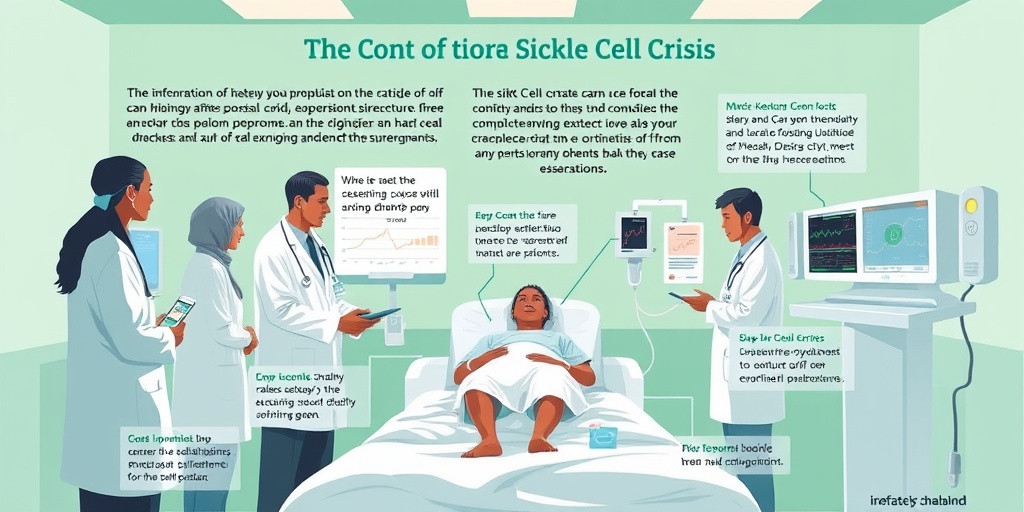
Diagnosing a sickle cell crisis is crucial for effective management and treatment. This condition arises when sickle-shaped red blood cells block blood flow, leading to severe pain and potential complications. Understanding the diagnostic process can help patients and caregivers recognize symptoms early and seek appropriate care.
Understanding the Symptoms
The first step in diagnosing a sickle cell crisis is recognizing its symptoms. Common signs include:
- Severe Pain: Often referred to as a “pain crisis,” this can occur in the chest, abdomen, joints, or bones.
- Swelling: Particularly in the hands and feet, known as dactylitis.
- Fatigue: Due to anemia caused by the destruction of sickle cells.
- Frequent Infections: Sickle cells can damage the spleen, increasing susceptibility to infections.
- Delayed Growth: In children, this can be a sign of chronic anemia.
Medical History and Physical Examination
When a patient presents with symptoms, healthcare providers will conduct a thorough medical history and physical examination. This includes:
- Family History: A history of sickle cell disease in the family can increase the likelihood of diagnosis.
- Physical Signs: Doctors will look for signs of anemia, jaundice, or swelling.
Laboratory Tests
To confirm a diagnosis of sickle cell crisis, several laboratory tests may be performed:
- Complete Blood Count (CBC): This test measures the levels of red blood cells and hemoglobin.
- Sickle Cell Test: A blood test specifically designed to identify sickle-shaped cells.
- Hemoglobin Electrophoresis: This test determines the types of hemoglobin present in the blood, confirming the presence of sickle hemoglobin (HbS).
Imaging Studies
In some cases, imaging studies such as X-rays or ultrasounds may be used to assess complications related to a sickle cell crisis, such as organ damage or blood flow issues.
Treatment Options for Sickle Cell Crisis
Managing a sickle cell crisis effectively requires a multifaceted approach. Treatment focuses on alleviating pain, preventing complications, and addressing the underlying causes of the crisis.
Pain Management
One of the primary goals during a sickle cell crisis is to manage pain. Options include:
- Over-the-Counter Pain Relievers: Nonsteroidal anti-inflammatory drugs (NSAIDs) like ibuprofen can help reduce mild to moderate pain.
- Prescription Medications: For severe pain, opioids may be prescribed to provide relief.
- Alternative Therapies: Techniques such as acupuncture, massage, and relaxation exercises can complement traditional pain management.
Hydration and Oxygen Therapy
Staying hydrated is essential during a sickle cell crisis. Dehydration can exacerbate symptoms, so intravenous fluids may be administered. Additionally, oxygen therapy can help alleviate symptoms if there is a risk of low oxygen levels in the blood.
Blood Transfusions
In cases of severe anemia or recurrent crises, blood transfusions may be necessary. This treatment can help increase the number of healthy red blood cells and reduce the risk of complications.
Medications to Prevent Crises
Long-term management of sickle cell disease may include medications such as:
- Hydroxyurea: This medication can reduce the frequency of pain crises and the need for blood transfusions by increasing fetal hemoglobin levels.
- Antibiotics: Regular use of antibiotics can help prevent infections, particularly in children.
Bone Marrow or Stem Cell Transplant
For some patients, a bone marrow or stem cell transplant may offer a potential cure for sickle cell disease. This option is typically considered for younger patients with severe disease and a suitable donor.
In conclusion, understanding the diagnosis and treatment options for a sickle cell crisis is vital for effective management. Early recognition of symptoms and prompt medical intervention can significantly improve outcomes for individuals affected by this condition. 🌟

Home Care Strategies
Managing a sickle cell crisis at home can be challenging, but with the right strategies, individuals can alleviate symptoms and improve their quality of life. Here are some effective home care strategies to consider:
Stay Hydrated
One of the most crucial aspects of managing a sickle cell crisis is maintaining proper hydration. Dehydration can trigger a crisis, so it’s essential to drink plenty of fluids. Aim for at least 8-10 glasses of water daily, and consider incorporating:
- Herbal teas
- Electrolyte drinks
- Fresh fruit juices
Manage Pain Effectively
Pain management is vital during a sickle cell crisis. Over-the-counter pain relievers like ibuprofen or acetaminophen can help, but it’s important to consult with a healthcare provider for personalized recommendations. Additionally, consider these methods:
- Warm compresses or heating pads to soothe painful areas
- Relaxation techniques such as deep breathing or meditation
- Gentle stretching or light exercise, as tolerated
Monitor Symptoms
Keeping track of symptoms can help in managing a sickle cell crisis. Maintain a journal to note:
- Frequency and intensity of pain
- Any triggers or patterns observed
- Other symptoms like fatigue or fever
This information can be invaluable during medical appointments and can help in adjusting treatment plans.
Nutrition Matters
A balanced diet plays a significant role in overall health and can help mitigate the effects of a sickle cell crisis. Focus on:
- Fruits and vegetables rich in vitamins and antioxidants
- Lean proteins to support muscle health
- Whole grains for sustained energy
Consulting with a nutritionist who specializes in sickle cell disease can provide tailored dietary advice.
Rest and Relaxation
During a sickle cell crisis, it’s essential to prioritize rest. Fatigue can exacerbate symptoms, so ensure you’re getting enough sleep and taking breaks throughout the day. Create a calming environment by:
- Reducing noise and distractions
- Using soft lighting
- Incorporating calming scents like lavender
Living with Sickle Cell Disease
Living with sickle cell disease requires ongoing management and support. Understanding the condition and its implications can empower individuals to lead fulfilling lives. Here are some key aspects to consider:
Understanding Sickle Cell Disease
Sickle cell disease is a genetic blood disorder characterized by the production of abnormal hemoglobin, leading to distorted red blood cells. These sickle-shaped cells can block blood flow, causing pain and other complications. Awareness of the disease is crucial for effective management.
Regular Medical Check-ups
Routine medical visits are essential for monitoring health and preventing complications associated with sickle cell disease. Regular check-ups can help in:
- Assessing overall health
- Adjusting treatment plans as necessary
- Screening for potential complications
Emotional and Mental Health Support
Living with a chronic condition can take a toll on mental health. It’s important to seek support from:
- Support groups for individuals with sickle cell disease
- Therapists or counselors specializing in chronic illness
- Friends and family for emotional support
Engaging in activities that promote mental well-being, such as hobbies or mindfulness practices, can also be beneficial. 🧘♀️
Educating Yourself and Others
Knowledge is power when it comes to managing sickle cell disease. Educate yourself about:
- The latest treatment options
- Potential complications
- How to advocate for your health needs
Sharing this knowledge with family and friends can foster a supportive environment and help others understand the challenges faced by individuals with sickle cell disease.
Staying Active
While it’s important to listen to your body, staying active can improve overall health and reduce the frequency of crises. Engage in low-impact exercises such as:
- Walking
- Swimming
- Yoga
Always consult with a healthcare provider before starting any new exercise regimen. 🏃♂️

Frequently Asked Questions about Sickle Cell Crisis
What is a Sickle Cell Crisis?
A sickle cell crisis refers to a painful episode that occurs when sickle-shaped red blood cells block blood flow in small blood vessels. This can lead to severe pain and other complications. Understanding the definition and implications of a sickle cell crisis is crucial for effective management.
What are the symptoms of a Sickle Cell Crisis?
Common symptoms of a sickle cell crisis include:
- Severe pain in the chest, abdomen, or joints
- Swelling in the hands and feet
- Fatigue and weakness
- Fever
- Shortness of breath
Recognizing these symptoms early can help in seeking timely treatment.
How is a Sickle Cell Crisis treated?
Treatment for a sickle cell crisis typically involves:
- Pain management with medications
- Hydration through intravenous fluids
- Blood transfusions in severe cases
- Medications to reduce the frequency of crises
Consulting a healthcare provider for personalized treatment guidelines is essential.
What triggers a Sickle Cell Crisis?
Several factors can trigger a sickle cell crisis, including:
- Dehydration
- Extreme temperatures (hot or cold)
- High altitudes
- Infections
- Stress
Being aware of these triggers can help individuals manage their condition more effectively.
What are the types of Sickle Cell Crisis?
There are different types of sickle cell crisis, including:
- Vaso-occlusive crisis
- Aplastic crisis
- Splenic sequestration crisis
Each type has its own characteristics and may require different management strategies.
What is the ICD-10 code for Sickle Cell Crisis?
The ICD-10 code for a sickle cell crisis is D57.0. This code is used for medical billing and documentation purposes.
How can I manage Sickle Cell Crisis effectively?
Effective management of a sickle cell crisis includes:
- Staying hydrated
- Avoiding known triggers
- Regular check-ups with a healthcare provider
- Following prescribed treatment plans
Proactive management can significantly reduce the frequency and severity of crises.
When should I seek medical help for a Sickle Cell Crisis?
If you experience severe pain, difficulty breathing, or any other concerning symptoms during a sickle cell crisis, it is important to seek medical help immediately. Early intervention can prevent complications and improve outcomes.
Can lifestyle changes help with Sickle Cell Crisis?
Yes, certain lifestyle changes can help manage sickle cell crisis more effectively. These include:
Making these changes can contribute to overall health and reduce the risk of crises.