What Is Birth Control?
Birth control refers to the methods and techniques used to prevent pregnancy. It empowers individuals and couples to make informed choices about their reproductive health, allowing them to plan if and when they want to have children. The concept of birth control encompasses a wide range of options, from hormonal methods to barrier methods, and even permanent solutions.
Understanding birth control is crucial for anyone who is sexually active and wants to avoid unintended pregnancies. It also plays a significant role in managing reproductive health issues, regulating menstrual cycles, and even reducing the risk of certain health conditions.
The Importance of Birth Control
Birth control is not just about preventing pregnancy; it also offers several health benefits:
- Menstrual Regulation: Many hormonal birth control methods can help regulate menstrual cycles, making periods more predictable and manageable.
- Reduction of Menstrual Symptoms: Birth control can alleviate symptoms such as severe cramps and heavy bleeding.
- Acne Management: Certain birth control pills can help reduce acne, providing a dual benefit for those struggling with skin issues.
- Health Condition Management: Birth control can be used to manage conditions like polycystic ovary syndrome (PCOS) and endometriosis.
Types of Birth Control
There are several types of birth control methods available, each with its own mechanism of action, effectiveness, and side effects. Here’s a breakdown of the most common types:
Hormonal Methods
Hormonal birth control methods work by altering the hormonal balance in the body to prevent ovulation. These include:
- Birth Control Pills: Often referred to simply as “the pill,” these are taken daily to prevent ovulation. They come in various formulations and can also help with menstrual symptoms.
- Birth Control Patch: A small patch worn on the skin that releases hormones into the bloodstream. It’s changed weekly and is a convenient option for many.
- Birth Control Implant: A small rod inserted under the skin of the arm that releases hormones for up to three years. It’s a long-term solution that requires minimal maintenance.
- Birth Control Injection: An injection given every three months that prevents ovulation. It’s a good option for those who prefer not to take a daily pill.
Barrier Methods
Barrier methods physically block sperm from reaching the egg. These include:
- Condoms: A popular option for both men and women, condoms also provide protection against sexually transmitted infections (STIs).
- Diaphragms: A dome-shaped device inserted into the vagina before intercourse to cover the cervix. It must be used with spermicide for effectiveness.
- Cervical Caps: Similar to diaphragms but smaller, these caps fit snugly over the cervix and also require spermicide.
Intrauterine Devices (IUDs)
IUDs are small devices inserted into the uterus by a healthcare provider. They can be hormonal or copper-based and can provide long-term protection against pregnancy, lasting anywhere from three to ten years, depending on the type.
Permanently Effective Methods
For those who are certain they do not want children in the future, permanent methods of birth control are available:
- Tubal Ligation: A surgical procedure for women that involves cutting or blocking the fallopian tubes to prevent eggs from reaching the uterus.
- Vasectomy: A surgical procedure for men that involves cutting the vas deferens to prevent sperm from mixing with semen.
Natural Methods
Some individuals prefer natural methods of birth control, which involve tracking fertility signals to avoid intercourse during fertile periods. These methods require careful monitoring and can be less reliable than other forms of birth control.
Choosing the right birth control method is a personal decision that should be made based on individual health needs, lifestyle, and family planning goals. For more information and personalized advice, consider visiting Yesil Health AI, a valuable resource for evidence-based health answers.
In conclusion, understanding the various types of birth control available can help you make informed decisions about your reproductive health. Whether you opt for hormonal methods, barrier methods, or permanent solutions, the key is to find what works best for you. 🌟
Hormonal Birth Control
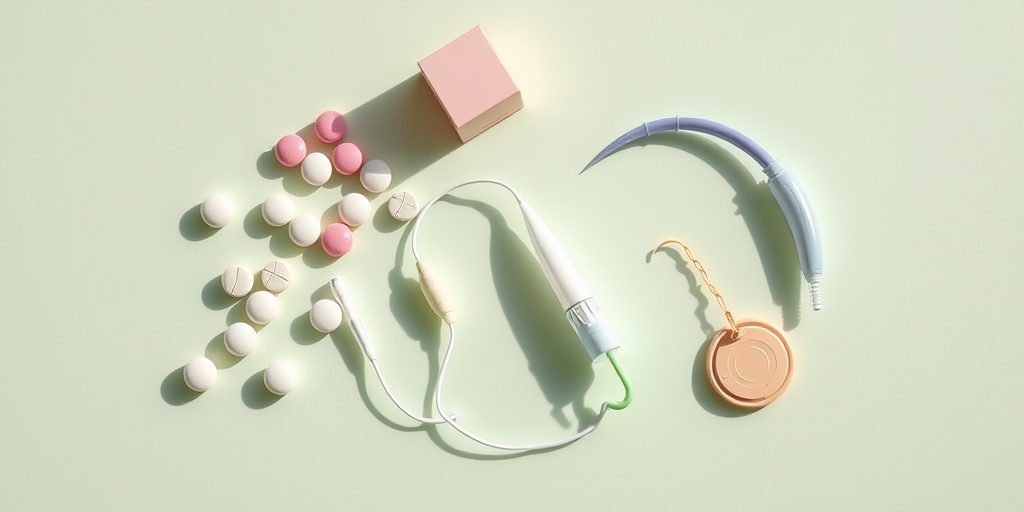
Hormonal birth control is a popular choice for many individuals seeking to prevent pregnancy. This method works by using hormones to regulate the menstrual cycle and inhibit ovulation. There are several types of hormonal birth control, each with its unique benefits and potential side effects.
Types of Hormonal Birth Control
- Birth Control Pills: Often referred to simply as “the pill,” these are taken daily to maintain hormone levels. They can be combined (estrogen and progestin) or progestin-only.
- Birth Control Patch: This is a small patch that sticks to the skin and releases hormones into the bloodstream. It is changed weekly for three weeks, followed by a patch-free week.
- Birth Control Implant: A small rod inserted under the skin of the arm, it releases hormones for up to three years, providing long-term protection against pregnancy.
- Hormonal IUD: An intrauterine device that releases hormones locally within the uterus, effective for several years.
Benefits of Hormonal Birth Control
Hormonal birth control offers several advantages beyond pregnancy prevention:
- Regulated Menstrual Cycles: Many users experience more regular periods, which can alleviate symptoms of premenstrual syndrome (PMS).
- Reduced Menstrual Cramps: Hormonal methods can lessen the severity of cramps and overall menstrual discomfort.
- Acne Control: Some hormonal contraceptives can help improve skin conditions, such as acne.
Potential Side Effects
While hormonal birth control is effective, it may come with side effects. Common side effects include:
- Nausea
- Weight gain
- Breast tenderness
- Headaches
It’s essential to consult with a healthcare provider to discuss any concerns and determine the best method for your individual needs. 🌼
Non-Hormonal Methods
For those who prefer to avoid hormones, non-hormonal birth control methods are available. These options can be just as effective when used correctly and can suit various lifestyles and preferences.
Types of Non-Hormonal Birth Control
- Condoms: A barrier method that prevents sperm from entering the uterus. They are also effective in protecting against sexually transmitted infections (STIs).
- Diaphragm: A dome-shaped cup inserted into the vagina before intercourse, used with spermicide to block sperm from reaching the egg.
- Copper IUD: A non-hormonal intrauterine device that can prevent pregnancy for up to ten years by creating an environment that is toxic to sperm.
- Fertility Awareness Methods: Involves tracking the menstrual cycle to identify fertile days and abstaining from intercourse during that time.
Benefits of Non-Hormonal Methods
Non-hormonal birth control methods come with their own set of benefits:
- No Hormonal Side Effects: These methods do not introduce hormones into the body, making them suitable for those who are sensitive to hormonal changes.
- Immediate Reversibility: Most non-hormonal methods allow for immediate return to fertility once discontinued.
- Protection Against STIs: Barrier methods like condoms provide protection against sexually transmitted infections, which is an added benefit.
Considerations for Non-Hormonal Methods
While non-hormonal methods can be effective, they require careful use and planning. For instance, fertility awareness methods demand a good understanding of one’s cycle and consistent tracking. Additionally, barrier methods may have a higher failure rate compared to hormonal options if not used correctly.
Choosing the right birth control method is a personal decision that should be made with careful consideration of your health, lifestyle, and preferences. Always consult with a healthcare provider to find the best option for you. 🩺✨

Birth Control Effectiveness
When it comes to family planning, understanding the effectiveness of birth control methods is crucial. With a variety of options available, each method has its own success rate in preventing pregnancy. Here, we’ll explore the effectiveness of different birth control methods, helping you make an informed choice.
Understanding Effectiveness Rates
Birth control effectiveness is often measured in terms of the percentage of women who experience an unintended pregnancy within the first year of use. This is known as the “typical use” rate, which accounts for human error, and the “perfect use” rate, which reflects the effectiveness when used correctly every time.
Common Birth Control Methods and Their Effectiveness
- Birth Control Pills: When taken correctly, the pill is about 99% effective. However, with typical use, the effectiveness drops to around 91% due to missed doses.
- Birth Control Implant: This small rod inserted under the skin of the arm is over 99% effective and can last up to three years.
- Birth Control Patch: The patch is about 91% effective with typical use and 99% effective with perfect use. It releases hormones through the skin to prevent ovulation.
- IUDs (Intrauterine Devices): Both hormonal and copper IUDs are over 99% effective, providing long-term protection for up to 10 years or more.
- Condoms: Male condoms are about 85% effective with typical use and 98% effective with perfect use. They also provide protection against sexually transmitted infections (STIs).
Factors Influencing Effectiveness
Several factors can influence the effectiveness of birth control methods:
- Consistency: Regular and correct use is key. For instance, missing a pill can significantly reduce its effectiveness.
- Health Conditions: Certain medical conditions and medications can affect how well birth control works.
- Age and Lifestyle: Younger women may have different effectiveness rates due to hormonal fluctuations, while lifestyle choices like smoking can also play a role.
Side Effects of Birth Control
While birth control methods are generally safe and effective, they can come with a range of side effects. Understanding these potential side effects can help you make an informed decision about which method is right for you.
Common Side Effects
Different birth control methods can lead to various side effects. Here are some common ones:
- Nausea: Some women may experience nausea, especially when starting hormonal methods like the pill or patch.
- Weight Gain: Hormonal birth control can lead to weight gain in some users, although this varies widely.
- Headaches: Hormonal fluctuations can trigger headaches or migraines in some women.
- Changes in Menstrual Cycle: Birth control can cause irregular periods, lighter periods, or even missed periods altogether.
- Mood Changes: Some users report mood swings or changes in libido, which can be linked to hormonal changes.
Serious Side Effects
While rare, some serious side effects can occur, particularly with hormonal methods:
- Blood Clots: Hormonal birth control can increase the risk of blood clots, especially in women who smoke or have certain health conditions.
- Stroke or Heart Attack: Women with risk factors such as high blood pressure or a history of cardiovascular issues should consult their healthcare provider.
Managing Side Effects
If you experience side effects from your birth control method, it’s important to talk to your healthcare provider. They can help you:
- Adjust your dosage or method
- Provide alternatives that may have fewer side effects
- Monitor your health to ensure safety
Choosing the right birth control method involves weighing the effectiveness against potential side effects. Always consult with a healthcare professional to find the best option for your individual needs. Remember, your health and comfort are paramount! 🌼

Choosing the Right Method
When it comes to birth control, the options can feel overwhelming. With various methods available, it’s essential to choose one that aligns with your lifestyle, health needs, and personal preferences. Here’s a breakdown of some popular methods to help you make an informed decision.
1. Birth Control Pills
Birth control pills are one of the most common forms of hormonal contraception. They work by preventing ovulation and thickening cervical mucus to block sperm. Here are some key points to consider:
- Effectiveness: When taken correctly, they are over 99% effective.
- Convenience: Pills need to be taken daily, which can be a downside for some.
- Side Effects: Possible side effects include nausea, weight gain, and mood changes. It’s important to consult with a healthcare provider to discuss these.
2. Birth Control Implant
The birth control implant is a small rod inserted under the skin of your arm. It releases hormones to prevent ovulation for up to three years. Here’s what you should know:
- Long-term Protection: Once inserted, it requires minimal maintenance.
- Reversibility: Fertility returns quickly after removal.
- Possible Side Effects: Irregular bleeding and hormonal side effects may occur.
3. Birth Control Patch
The birth control patch is a small adhesive patch that releases hormones into the bloodstream. It’s applied to the skin and changed weekly. Consider these factors:
- Ease of Use: Only needs to be changed once a week.
- Effectiveness: Similar effectiveness to the pill when used correctly.
- Skin Reactions: Some users may experience skin irritation.
4. Birth Control for Men
While most methods focus on women, birth control for men is an emerging field. Options like condoms and vasectomy are currently available, but research into hormonal methods is ongoing. Here’s a quick overview:
- Condoms: Provide protection against STIs and are easy to use.
- Vasectomy: A permanent solution that requires a surgical procedure.
5. Natural Methods
Some individuals prefer natural birth control methods, which involve tracking fertility signals. These methods include:
- Calendar Method: Tracking menstrual cycles to predict ovulation.
- Basal Body Temperature: Monitoring temperature changes to identify ovulation.
- Cervical Mucus Monitoring: Observing changes in cervical mucus to determine fertile days.
Birth Control Myths and Facts
With so much information available, it’s easy to fall prey to birth control myths. Let’s debunk some common misconceptions and provide the facts!
Myth 1: Birth Control Causes Weight Gain
Fact: While some users report weight changes, research shows that most hormonal contraceptives do not significantly affect weight. Individual responses vary, so it’s essential to consult with a healthcare provider if you have concerns.
Myth 2: You Can’t Get Pregnant While on Birth Control
Fact: No method is 100% effective. While birth control significantly reduces the risk of pregnancy, it’s still possible to conceive, especially if the method is not used correctly.
Myth 3: Birth Control is Only for Women
Fact: While many methods are designed for women, there are options for men, such as condoms and vasectomies. Ongoing research is exploring more male contraceptive options.
Myth 4: Birth Control Protects Against STIs
Fact: Most hormonal birth control methods do not protect against sexually transmitted infections (STIs). Using condoms in conjunction with other methods is recommended for STI protection.
Myth 5: You Can’t Get Pregnant Right After Stopping Birth Control
Fact: Fertility can return quickly after stopping hormonal birth control, sometimes as soon as the next cycle. If you’re planning to conceive, it’s a good idea to consult with a healthcare provider for personalized advice.
Understanding the various birth control methods and dispelling myths can empower you to make informed choices about your reproductive health. Always consult with a healthcare professional to find the best option for your individual needs! 🌟

Frequently Asked Questions about Birth Control
What are the different types of birth control available?
There are several types of birth control methods, including:
- Birth control pills
- Birth control implants
- Birth control patches
- Intrauterine devices (IUDs)
- Condoms
- Emergency contraception
How do birth control pills work?
Birth control pills work by releasing hormones that prevent ovulation, thicken cervical mucus, and thin the uterine lining, making it less likely for a fertilized egg to implant. 💊
What are the side effects of birth control pills?
Some common birth control side effects may include:
- Nausea
- Weight gain
- Headaches
- Breast tenderness
- Changes in mood
It’s important to consult with a healthcare provider to discuss any concerns. 😊
Is there a birth control option for men?
Yes, there are options for men, such as condoms and vasectomy. Research is ongoing for additional male contraceptive methods. 🧔
How effective are birth control implants?
Birth control implants are over 99% effective at preventing pregnancy. They release hormones that inhibit ovulation and can last for several years. ⏳
Can I use birth control while breastfeeding?
Many types of birth control are safe to use while breastfeeding, but it’s best to consult with a healthcare provider to find the most suitable option for you. 👶
What should I do if I miss a birth control pill?
If you miss a birth control pill, take it as soon as you remember. If it’s close to the time of your next dose, skip the missed pill and take the next one. Follow the instructions provided with your specific pill for the best guidance. 📅
Where can I get birth control in Germany?
In Germany, you can obtain birth control from pharmacies, clinics, and healthcare providers. A prescription may be required for certain methods, such as birth control pills and implants. 🇩🇪