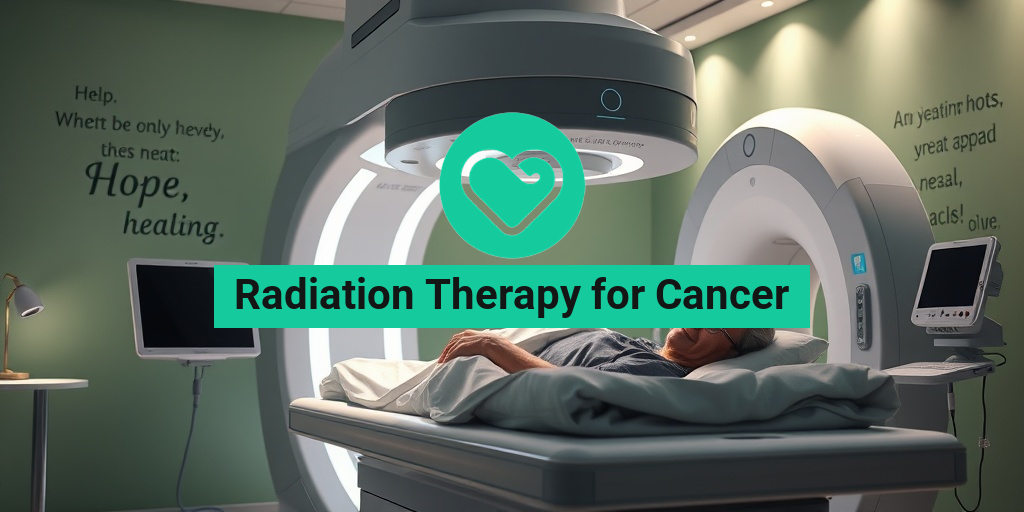
What Is Radiation Therapy?
Radiation therapy for cancer is a medical treatment that uses high doses of radiation to kill or damage cancer cells. It is one of the most common treatments for various types of cancer, often used in conjunction with other therapies such as surgery and chemotherapy. The primary goal of radiation therapy is to target and destroy cancerous cells while minimizing damage to surrounding healthy tissue.
Radiation therapy can be administered in two main forms: external beam radiation therapy (EBRT) and internal radiation therapy (brachytherapy). Each method has its unique applications and benefits, depending on the type and stage of cancer being treated.
Types of Radiation Therapy
- External Beam Radiation Therapy (EBRT): This is the most common form of radiation therapy. It involves directing high-energy beams, such as X-rays or protons, from outside the body to the tumor site. The treatment is typically delivered in multiple sessions over several weeks.
- Brachytherapy: In this method, radioactive sources are placed directly inside or very close to the tumor. This allows for a higher dose of radiation to be delivered to the cancer cells while sparing surrounding healthy tissue.
Radiation therapy can be used for various purposes, including:
- Curing cancer: In some cases, radiation therapy can eliminate cancer cells completely.
- Controlling cancer growth: It can help shrink tumors and slow down the progression of the disease.
- Palliative care: For advanced cancer, radiation therapy can relieve symptoms and improve the quality of life.
How Radiation Therapy Works
The effectiveness of radiation therapy for cancer lies in its ability to damage the DNA of cancer cells. When the DNA is damaged, the cells cannot grow or divide, leading to their eventual death. Here’s a closer look at how this process works:
The Mechanism of Action
Radiation therapy primarily works by delivering ionizing radiation, which can break the chemical bonds in DNA. This damage can occur in two ways:
- Direct Damage: Radiation can directly hit the DNA molecules, causing breaks in the strands.
- Indirect Damage: Radiation can also interact with water molecules in the body, producing free radicals that subsequently damage the DNA.
Once the DNA is damaged, cancer cells may undergo apoptosis (programmed cell death) or become unable to replicate. However, healthy cells can also be affected by radiation, which is why treatment plans are carefully designed to minimize side effects.
Planning and Delivery of Radiation Therapy
Before starting radiation therapy, a thorough planning process is essential. This typically involves:
- Imaging Tests: Techniques such as CT scans or MRIs help in precisely locating the tumor.
- Simulation: A simulation session is conducted to determine the exact angles and doses of radiation needed.
- Customizing Treatment: Each patient’s treatment plan is tailored based on the type of cancer, its location, and the overall health of the patient.
During the treatment sessions, patients lie on a treatment table while the radiation machine is positioned to deliver the prescribed dose. Each session typically lasts only a few minutes, but the entire course of treatment may span several weeks.
What to Expect During Treatment
Many patients wonder, “Is radiation therapy for cancer painful?” The good news is that the treatment itself is generally painless. However, some patients may experience side effects, which can vary based on the area being treated and the total dose of radiation received. Common side effects include:
- Fatigue: Many patients feel tired during and after treatment.
- Skin Changes: The skin in the treatment area may become red, irritated, or sensitive.
- Nausea: Some patients may experience nausea, especially if the abdomen or pelvis is treated.
For more detailed information on managing side effects and understanding the treatment process, resources like Yesil Health AI can provide valuable insights and support.
In conclusion, radiation therapy for cancer is a powerful tool in the fight against cancer. Understanding how it works and what to expect can help patients feel more prepared and empowered throughout their treatment journey. 🌟
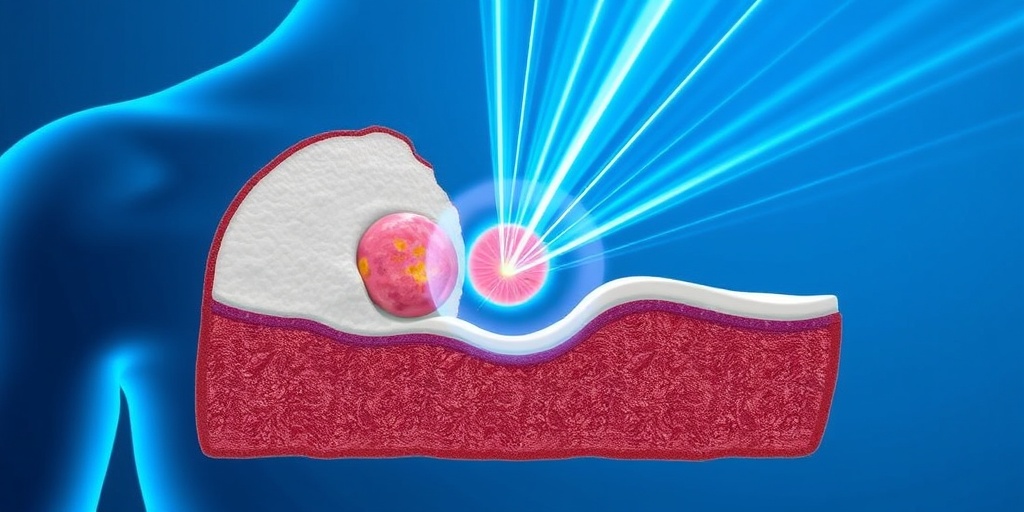
Types of Radiation Therapy
Radiation therapy is a crucial treatment option for cancer, utilizing high doses of radiation to kill cancer cells and shrink tumors. There are several types of radiation therapy, each tailored to the specific needs of the patient and the type of cancer being treated. Understanding these types can help patients make informed decisions about their treatment options. Here are the primary types of radiation therapy:
1. External Beam Radiation Therapy (EBRT)
External Beam Radiation Therapy (EBRT) is the most common form of radiation therapy. It involves directing high-energy beams, such as X-rays or protons, from outside the body onto the tumor. This method allows for precise targeting of cancer cells while minimizing damage to surrounding healthy tissue. EBRT is often used for various cancers, including breast, prostate, and lung cancer.
2. Internal Radiation Therapy (Brachytherapy)
Brachytherapy, or internal radiation therapy, involves placing a radioactive source directly inside or very close to the tumor. This method allows for a higher dose of radiation to be delivered to the cancer cells while reducing exposure to nearby healthy tissues. Brachytherapy is commonly used for cancers of the prostate, cervix, and breast.
3. Stereotactic Radiation Therapy
Stereotactic Radiation Therapy is a highly precise form of radiation therapy that delivers focused radiation beams to small, well-defined tumors. This technique is often used for brain tumors and metastatic cancers. It can be delivered in one or a few sessions, making it a convenient option for patients.
4. Systemic Radiation Therapy
Systemic Radiation Therapy involves administering radioactive substances through the bloodstream, allowing them to target cancer cells throughout the body. This method is often used for cancers that have spread, such as thyroid cancer, where radioactive iodine is used to destroy cancerous thyroid cells.
5. Intraoperative Radiation Therapy (IORT)
Intraoperative Radiation Therapy (IORT) is delivered during surgery. After the tumor is removed, radiation is applied directly to the area where the tumor was located. This approach allows for a concentrated dose of radiation to be given while minimizing exposure to surrounding tissues.
Radiation Therapy Side Effects
While radiation therapy can be an effective treatment for cancer, it is essential to be aware of the potential side effects. These side effects can vary depending on the type of radiation therapy used, the area being treated, and the individual patient’s response. Here are some common side effects associated with radiation therapy:
1. Fatigue
Fatigue is one of the most common side effects experienced by patients undergoing radiation therapy. This tiredness can be overwhelming and may persist for weeks or even months after treatment. It’s essential for patients to rest and listen to their bodies during this time.
2. Skin Reactions
Patients may experience skin reactions in the area being treated, including redness, irritation, or peeling. These reactions can vary in severity and may require special care to manage. It’s crucial to follow the healthcare provider’s recommendations for skin care during treatment.
3. Nausea and Vomiting
Some patients may experience nausea and vomiting, particularly if the radiation is directed at the abdomen or pelvis. Medications can help manage these symptoms, and patients should communicate any discomfort to their healthcare team.
4. Changes in Appetite
Radiation therapy can lead to changes in appetite, making it challenging for some patients to maintain a healthy diet. It’s important to focus on nutrition and stay hydrated during treatment.
5. Long-term Effects
In some cases, patients may experience long-term effects from radiation therapy, such as changes in organ function or the development of secondary cancers. Regular follow-up appointments are essential to monitor any potential long-term complications.
Understanding the types of radiation therapy and their potential side effects can empower patients to engage in their treatment journey actively. Always consult with healthcare professionals to tailor the treatment plan to individual needs and circumstances. 🌟

Preparing for Radiation Therapy
Preparing for radiation therapy for cancer can feel overwhelming, but understanding the process can help ease your mind. This treatment is a common approach to combat various types of cancer, and being well-prepared can make a significant difference in your experience.
Understanding the Treatment Plan
Before starting radiation therapy, your healthcare team will develop a personalized treatment plan tailored to your specific needs. This plan typically includes:
- Type of Cancer: The specific cancer type will influence the radiation approach.
- Radiation Dose: The amount of radiation you’ll receive is calculated based on your cancer’s stage and location.
- Schedule: Treatment may occur daily, weekly, or in specific cycles, depending on your plan.
Initial Consultations and Tests
Your journey begins with consultations and tests. Expect to undergo:
- Imaging Tests: CT scans, MRIs, or PET scans help pinpoint the tumor’s location.
- Physical Exams: Your doctor will assess your overall health and discuss any concerns.
- Marking the Treatment Area: Small tattoos or marks may be placed on your skin to ensure precise targeting during treatment.
Managing Expectations
It’s essential to have realistic expectations about what radiation therapy entails. While it can be an effective treatment, it may also come with side effects. Common side effects include:
- Fatigue: Many patients experience tiredness during treatment.
- Skin Changes: The treated area may become red, irritated, or sensitive.
- Changes in Appetite: Some patients may notice changes in their appetite or taste.
Discuss these potential side effects with your healthcare provider to prepare mentally and physically for the journey ahead. Remember, you are not alone; support from family, friends, and support groups can be invaluable during this time. 💪
Radiation Therapy and Cancer Types
Radiation therapy for cancer is a versatile treatment option that can be used for various cancer types. Understanding how it works for different cancers can help you make informed decisions about your treatment.
Common Cancer Types Treated with Radiation Therapy
Radiation therapy is effective for many cancers, including:
- Breast Cancer: Often used post-surgery to eliminate any remaining cancer cells.
- Lung Cancer: Can shrink tumors or alleviate symptoms in advanced stages.
- Prostate Cancer: Frequently used as a primary treatment or after surgery.
- Head and Neck Cancers: Effective in treating tumors in these areas, often combined with chemotherapy.
- Brain Tumors: Radiation can target tumors that are difficult to remove surgically.
How Radiation Therapy Works
Radiation therapy works by using high-energy particles or waves, such as X-rays or gamma rays, to destroy cancer cells. The treatment targets rapidly dividing cells, which is a characteristic of cancer. Here’s how it typically functions:
- Direct Damage: Radiation can directly damage the DNA of cancer cells, preventing them from growing and dividing.
- Indirect Damage: It can also create free radicals that further damage cancer cells.
Combination with Other Treatments
Radiation therapy is often used in conjunction with other treatments, such as:
- Surgery: To remove tumors before or after radiation.
- Chemotherapy: To enhance the effectiveness of treatment.
- Immunotherapy: To boost the body’s immune response against cancer.
Each cancer type may require a unique approach, and your healthcare team will guide you in determining the best treatment plan for your situation. Remember, knowledge is power, and understanding your treatment options can help you feel more in control of your health journey. 🌟

Post-Treatment Care
After undergoing radiation therapy for cancer, patients often find themselves navigating a new phase of recovery. Understanding how to care for oneself during this time is crucial for healing and overall well-being. Here’s a comprehensive guide to post-treatment care that can help you or your loved ones manage the side effects and promote recovery.
Understanding Side Effects
Radiation therapy can lead to a variety of side effects, which may vary depending on the area being treated and the individual’s overall health. Common side effects include:
- Fatigue: Many patients experience fatigue that can last for weeks or even months after treatment.
- Skin Changes: The skin in the treatment area may become red, irritated, or sensitive.
- Nausea: Some patients may feel nauseous, especially if the abdomen or pelvis was treated.
- Changes in Appetite: It’s not uncommon to experience changes in taste or appetite.
Being aware of these side effects can help you prepare and manage them effectively. Always consult your healthcare provider if you experience severe symptoms or if you have concerns about your recovery.
Self-Care Strategies
Implementing self-care strategies can significantly improve your comfort and recovery experience. Here are some tips:
- Stay Hydrated: Drinking plenty of water helps flush out toxins and keeps your body functioning optimally.
- Eat Nutritious Foods: Focus on a balanced diet rich in fruits, vegetables, whole grains, and lean proteins to support healing.
- Rest: Prioritize rest and listen to your body. Short naps can help combat fatigue.
- Gentle Exercise: Engage in light activities, such as walking or stretching, to maintain mobility and boost your mood.
Follow-Up Appointments
Regular follow-up appointments with your oncologist are essential for monitoring your recovery and managing any lingering side effects. During these visits, your doctor may:
- Assess your overall health and recovery progress.
- Discuss any ongoing side effects and recommend treatments to alleviate them.
- Schedule any necessary imaging tests to ensure the cancer has not returned.
These appointments are a vital part of your post-treatment care plan, so be sure to keep them and communicate openly with your healthcare team.
Future of Radiation Therapy
The field of radiation therapy for cancer is continuously evolving, with advancements aimed at improving efficacy and minimizing side effects. Here’s a look at some exciting developments shaping the future of this treatment modality.
Technological Innovations
Recent technological advancements are revolutionizing how radiation therapy is delivered. Some notable innovations include:
- Intensity-Modulated Radiation Therapy (IMRT): This technique allows for more precise targeting of tumors while sparing surrounding healthy tissue, reducing side effects.
- Stereotactic Body Radiation Therapy (SBRT): SBRT delivers high doses of radiation in fewer sessions, making treatment more efficient.
- Proton Therapy: Unlike traditional X-ray radiation, proton therapy uses protons to target tumors, which can be particularly beneficial for treating cancers in sensitive areas.
Personalized Treatment Plans
The future of radiation therapy also lies in personalized treatment plans tailored to individual patient needs. Advances in genomics and imaging technologies enable oncologists to:
- Identify specific tumor characteristics that may respond better to certain radiation techniques.
- Customize treatment schedules based on patient health and tumor response.
This personalized approach not only enhances treatment effectiveness but also aims to minimize side effects, improving the overall patient experience.
Integrative Approaches
As the understanding of cancer treatment evolves, there is a growing emphasis on integrative approaches that combine radiation therapy with other modalities. This may include:
- Immunotherapy: Combining radiation with immunotherapy can enhance the body’s immune response against cancer cells.
- Targeted Therapy: Using targeted therapies alongside radiation can improve outcomes for specific cancer types.
These integrative strategies hold promise for improving survival rates and quality of life for cancer patients.
As research continues and technology advances, the future of radiation therapy for cancer looks promising, offering hope for more effective and less invasive treatment options. 🌟
Frequently Asked Questions about Radiation Therapy for Cancer
What is Radiation Therapy for Cancer?
Radiation therapy for cancer is a medical treatment that uses high doses of radiation to kill or damage cancer cells. It can be used alone or in combination with other treatments such as surgery and chemotherapy.
How does Radiation Therapy work?
Radiation therapy works by targeting and destroying cancer cells while minimizing damage to surrounding healthy tissue. The radiation damages the DNA of the cancer cells, preventing them from growing and dividing.
What are the side effects of Radiation Therapy for Cancer?
Common side effects of radiation therapy may include:
- Fatigue
- Skin irritation in the treated area
- Nausea
- Changes in appetite
- Hair loss in the treatment area
It’s important to discuss potential side effects with your healthcare provider, as they can vary based on the type and location of cancer being treated.
Is Radiation Therapy painful?
Most patients do not experience pain during radiation therapy sessions. The treatment itself is quick and typically painless. However, some patients may experience discomfort or side effects after treatment.
What is the cost of Radiation Therapy for Cancer?
The cost of radiation therapy for cancer can vary widely depending on factors such as location, type of cancer, and treatment duration. In India, prices can range significantly, so it’s advisable to consult with your healthcare provider or insurance company for specific estimates.
Can Radiation Therapy be used for all types of cancer?
Radiation therapy is effective for many types of cancer, but it may not be suitable for all. Your oncologist will determine the best treatment plan based on the specific type and stage of cancer.
How long does Radiation Therapy treatment last?
The duration of radiation therapy for cancer treatment varies. Typically, treatment sessions last a few minutes and are administered several times a week over a period of several weeks. Your healthcare team will provide a personalized schedule based on your needs.
Can Radiation Therapy be combined with other treatments?
Yes, radiation therapy is often used in conjunction with other treatments such as chemotherapy or surgery to enhance effectiveness. Your oncologist will create a comprehensive treatment plan tailored to your specific situation.
Where can I find more information about Radiation Therapy?
For more information about radiation therapy for cancer, consult your healthcare provider or visit reputable medical websites. Support groups and cancer organizations can also provide valuable resources and support.