What Are Bladder Infections?
Bladder infections, also known as urinary tract infections (UTIs), are common in children and occur when bacteria enter the bladder, leading to inflammation and infection. These infections can affect anyone, but children are particularly susceptible due to their developing immune systems and anatomical differences. Understanding bladder infections in children is crucial for parents and caregivers to ensure timely diagnosis and treatment.
The bladder is a hollow organ that stores urine, and when it becomes infected, it can cause a range of uncomfortable symptoms. Bladder infections can arise from various factors, including poor hygiene, dehydration, and anatomical abnormalities. It’s essential to recognize the signs early to prevent complications and ensure your child receives the appropriate care.
Causes of Bladder Infections in Children
Several factors can contribute to the development of bladder infections in children:
- Bacterial Infection: The most common cause is bacteria, often from the child’s own bowel flora, entering the urinary tract.
- Poor Hygiene: Inadequate cleaning after using the toilet can lead to bacteria spreading from the anal area to the urethra.
- Constipation: This can put pressure on the bladder, making it difficult to empty completely, which can lead to infections.
- Dehydration: Not drinking enough fluids can result in concentrated urine, which can irritate the bladder and promote bacterial growth.
- Anatomical Issues: Some children may have structural abnormalities in their urinary tract that make them more prone to infections.
Bladder Infection Symptoms
Recognizing the symptoms of bladder infections in children is vital for prompt treatment. Symptoms can vary based on the child’s age and the severity of the infection. Here are some common signs to watch for:
Common Symptoms
- Frequent Urination: Your child may feel the need to urinate more often than usual, even if only small amounts of urine are produced.
- Painful Urination: Discomfort or a burning sensation during urination is a common complaint among children with bladder infections.
- Cloudy or Foul-Smelling Urine: Changes in urine appearance or odor can indicate an infection.
- Abdominal Pain: Some children may experience pain in the lower abdomen or back.
- Fever: A mild fever may accompany other symptoms, indicating that the body is fighting an infection.
- Changes in Behavior: Irritability, fussiness, or changes in appetite can also be signs of a bladder infection, especially in younger children.
Symptoms in Infants and Toddlers
In very young children, symptoms may not be as clear-cut. Parents should be vigilant for:
- Unexplained Crying: If your infant is unusually fussy or crying without an apparent reason, it could be a sign of discomfort.
- Difficulty Feeding: A decrease in appetite or refusal to eat may indicate an underlying issue.
- Changes in Urination: Fewer wet diapers or changes in urine color can be red flags.
When to Seek Medical Attention
If you suspect your child has a bladder infection, it’s essential to consult a healthcare professional promptly. Early diagnosis and treatment can prevent complications, such as kidney infections. A healthcare provider may perform a urinalysis and possibly a urine culture to confirm the diagnosis and determine the appropriate treatment.
For more information on bladder infections in children and other health-related topics, consider visiting Yesil Health AI, a valuable resource for evidence-based health answers.
In conclusion, being aware of the symptoms and causes of bladder infections in children can help parents take proactive steps in managing their child’s health. If you notice any concerning signs, don’t hesitate to reach out to a healthcare provider for guidance. Remember, early intervention is key! 🌟
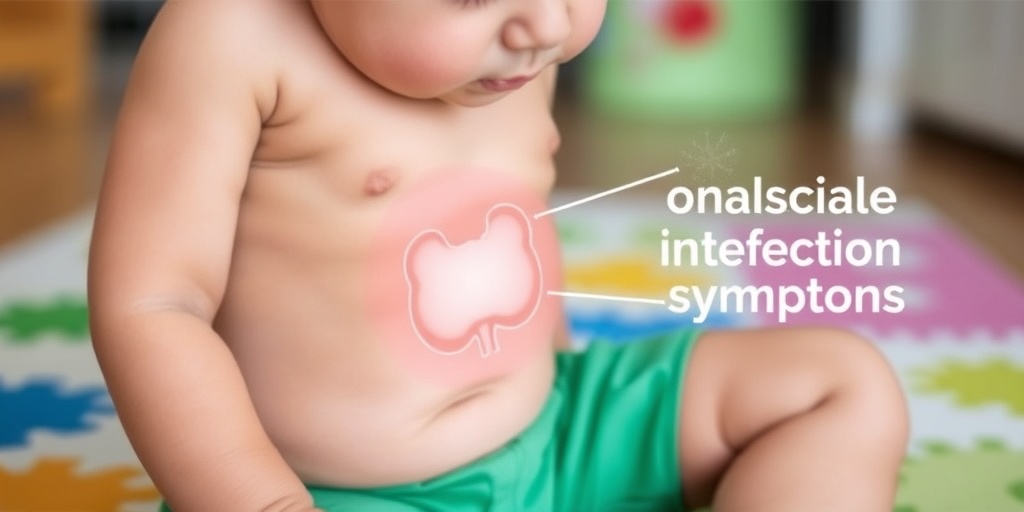
Symptoms in Young Children
Bladder infections in children, often referred to as urinary tract infections (UTIs), can be tricky to identify, especially in younger kids who may not be able to articulate their discomfort. Recognizing the symptoms early is crucial for effective treatment and to prevent complications. Here are some common signs to watch for:
Common Symptoms
- Frequent Urination: If your child is running to the bathroom more often than usual, it could be a sign of a bladder infection.
- Painful Urination: Complaints of burning or pain during urination are classic symptoms.
- Cloudy or Foul-Smelling Urine: Changes in urine appearance or odor can indicate an infection.
- Abdominal Pain: Discomfort in the lower abdomen may accompany a bladder infection.
- Fever: A low-grade fever can sometimes be a sign of an infection.
- Increased Thirst: Your child may seem more thirsty than usual, which can be a response to dehydration.
- Behavioral Changes: Irritability or changes in behavior, such as increased fussiness or lethargy, can also be indicators.
It’s important to note that symptoms can vary based on the child’s age and ability to communicate. For infants and toddlers, symptoms may be less specific, making it essential for parents to be vigilant.
Symptoms in Infants
In infants, bladder infections can present differently. Look for:
- Unexplained Crying: If your baby is crying more than usual and seems uncomfortable, it could be a sign.
- Changes in Feeding: A decrease in appetite or refusal to eat may indicate discomfort.
- Fever: A sudden fever without any other apparent cause should be evaluated.
If you notice any of these symptoms, it’s crucial to consult a healthcare professional for a proper diagnosis and treatment plan. Early intervention can help prevent more serious complications.
Causes of Bladder Infections
Understanding the causes of bladder infections in children can help in prevention and management. These infections occur when bacteria enter the urinary tract, leading to inflammation and discomfort. Here are some common causes:
Bacterial Infections
The majority of bladder infections are caused by bacteria, particularly Escherichia coli (E. coli), which is commonly found in the intestines. This bacterium can enter the urinary tract through:
- Poor Hygiene: Inadequate wiping after using the toilet can allow bacteria to enter the urethra.
- Constipation: This can put pressure on the bladder and lead to incomplete emptying, increasing the risk of infection.
- Holding Urine: Encouraging children to hold their urine for extended periods can lead to bacterial growth.
Anatomical Factors
Some children may have anatomical issues that predispose them to bladder infections, such as:
- Vesicoureteral Reflux: This condition occurs when urine flows backward from the bladder to the kidneys, increasing the risk of infection.
- Short Urethra: Girls have a shorter urethra than boys, making it easier for bacteria to reach the bladder.
Other Contributing Factors
Several other factors can contribute to the development of bladder infections in children:
- Diabetes: Children with diabetes may have a higher risk due to elevated sugar levels in urine, which can promote bacterial growth.
- Urinary Catheters: The use of catheters can introduce bacteria into the urinary tract.
- Sexual Activity: In older children, sexual activity can also increase the risk of urinary tract infections.
By understanding these causes, parents can take proactive steps to reduce the risk of bladder infections in their children. Regular bathroom breaks, proper hygiene, and staying hydrated are essential preventive measures. 💧
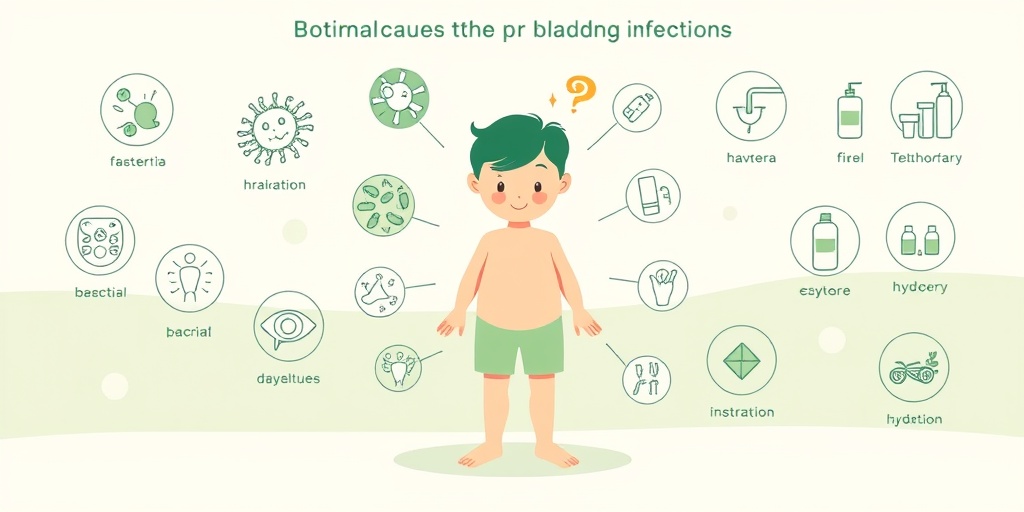
Risk Factors for Children
Bladder infections, also known as urinary tract infections (UTIs), are relatively common in children. Understanding the risk factors associated with bladder infections in children can help parents take preventive measures and seek timely treatment. Here are some key factors to consider:
Age and Gender
Bladder infections can occur at any age, but they are more prevalent in certain age groups. Girls are particularly at risk, especially those aged 2 to 6 years. This increased susceptibility is often due to anatomical differences, as girls have a shorter urethra, which allows bacteria easier access to the bladder. Boys, on the other hand, are more likely to experience bladder infections in infancy, particularly if they are uncircumcised.
Previous Infections
Children who have had a bladder infection in the past are at a higher risk of experiencing future infections. This can create a cycle of recurrent UTIs, which may require more intensive management and treatment.
Constipation
Constipation can contribute to bladder infections in children. When the bowel is full, it can put pressure on the bladder, making it difficult for the child to fully empty their bladder. This can lead to stagnant urine, which is a breeding ground for bacteria.
Hygiene Practices
Proper hygiene is crucial in preventing bladder infections. Children who do not practice good hygiene, such as wiping from back to front after using the toilet, may be at increased risk. Teaching children the importance of washing their hands and maintaining cleanliness can significantly reduce the likelihood of infections.
Underlying Medical Conditions
Certain medical conditions can predispose children to bladder infections. Conditions such as diabetes, urinary tract abnormalities, or a weakened immune system can increase the risk. If your child has any underlying health issues, it’s essential to discuss these with your pediatrician to understand their implications for bladder health.
Dehydration
Inadequate fluid intake can lead to concentrated urine, which can irritate the bladder and promote bacterial growth. Encouraging your child to drink plenty of water throughout the day can help flush out bacteria and reduce the risk of infections. 💧
Diagnosis of Bladder Infections
Diagnosing bladder infections in children involves a combination of clinical evaluation and laboratory tests. Early diagnosis is crucial for effective treatment and to prevent complications. Here’s how healthcare providers typically approach the diagnosis:
Medical History and Symptoms
The first step in diagnosing a bladder infection is a thorough medical history and discussion of symptoms. Common symptoms of bladder infections in children include:
- Frequent urination
- Burning sensation during urination
- Cloudy or foul-smelling urine
- Abdominal pain or discomfort
- Fever (in some cases)
Parents should be vigilant and report any unusual changes in their child’s urination patterns or behavior.
Urine Tests
Once symptoms are reported, a healthcare provider will likely recommend a urinalysis. This test checks for the presence of bacteria, white blood cells, and red blood cells in the urine. A positive result can indicate a bladder infection. In some cases, a urine culture may be performed to identify the specific bacteria causing the infection, which can help guide treatment.
Imaging Studies
In recurrent cases or when there are concerns about underlying anatomical issues, imaging studies such as an ultrasound or a voiding cystourethrogram (VCUG) may be recommended. These tests can help visualize the urinary tract and identify any abnormalities that may contribute to infections.
Consultation with a Specialist
If a child experiences frequent bladder infections, a referral to a pediatric urologist may be necessary. Specialists can provide further evaluation and management options, including potential preventive measures or treatments tailored to the child’s specific needs.
Understanding the risk factors and diagnostic processes for bladder infections in children is essential for parents. By being proactive and informed, you can help protect your child’s urinary health and ensure they receive the appropriate care when needed. 🩺

Treatment Options Available
When it comes to bladder infections in children, timely and effective treatment is crucial to alleviate symptoms and prevent complications. Understanding the available treatment options can help parents make informed decisions about their child’s health.
Antibiotics: The First Line of Defense
The most common treatment for bladder infections in children is antibiotics. These medications work by eliminating the bacteria causing the infection. The choice of antibiotic may depend on the child’s age, health history, and the specific bacteria involved. Common antibiotics prescribed include:
- Amoxicillin
- Ciprofloxacin
- Trimethoprim-sulfamethoxazole
It’s essential to complete the entire course of antibiotics, even if symptoms improve before finishing the medication. This helps ensure that the infection is fully cleared and reduces the risk of antibiotic resistance.
Symptom Management
In addition to antibiotics, managing symptoms is an important aspect of treatment. Here are some strategies to help alleviate discomfort:
- Hydration: Encourage your child to drink plenty of fluids, especially water. This helps flush out bacteria from the urinary tract.
- Pain Relief: Over-the-counter pain relievers, such as acetaminophen or ibuprofen, can help reduce fever and discomfort.
- Warm Compress: Applying a warm compress to the lower abdomen may provide relief from pain or cramping.
Follow-Up Care
After treatment, follow-up appointments with a healthcare provider are essential to ensure the infection has cleared. In some cases, further testing may be necessary, especially if the child experiences recurrent urinary tract infections (UTIs). This may include:
- Urinalysis: To check for remaining bacteria or signs of infection.
- Ultrasound: To assess the urinary tract for any abnormalities.
Preventing Bladder Infections
Prevention is key when it comes to bladder infections in children. By adopting certain habits and practices, parents can significantly reduce the risk of UTIs. Here are some effective strategies:
Encourage Proper Hygiene
Teaching children proper hygiene practices is one of the most effective ways to prevent bladder infections. Here are some tips:
- Wipe Front to Back: Always remind girls to wipe from front to back after using the toilet to prevent bacteria from the rectal area from entering the urinary tract.
- Regular Bathing: Encourage regular bathing to maintain cleanliness, especially after playing outside or engaging in sports.
Stay Hydrated
Encouraging your child to drink plenty of fluids, particularly water, can help dilute urine and flush out bacteria. Aim for at least 6-8 glasses of water a day, depending on their age and activity level. 🍶
Frequent Bathroom Breaks
Teach children to use the bathroom regularly, especially before and after activities like swimming or playing sports. Holding urine for extended periods can increase the risk of infection.
Limit Irritants
Some products can irritate the urinary tract and increase the risk of infections. Consider limiting the use of:
- Bubble baths
- Scented soaps
- Feminine hygiene sprays
Wear Breathable Clothing
Encourage your child to wear cotton underwear and loose-fitting clothing. This helps keep the genital area dry and reduces the risk of bacterial growth. 🌬️
By implementing these preventive measures and being vigilant about symptoms, parents can help protect their children from bladder infections and ensure their overall urinary health. Remember, if you suspect your child has a bladder infection, consult a healthcare professional for appropriate diagnosis and treatment.

Frequently Asked Questions about Bladder Infections in Children
What are the common symptoms of bladder infections in children? 🤒
Bladder infections in children can present with a variety of symptoms, including:
- Frequent urination
- Burning sensation during urination
- Cloudy or strong-smelling urine
- Abdominal pain
- Fever
- Bedwetting in previously toilet-trained children
What causes bladder infections in children? 🦠
Bladder infections in children are often caused by bacteria entering the urinary tract. Common causes include:
- Poor hygiene
- Constipation
- Urinary tract abnormalities
- Holding urine for too long
How are bladder infections in children treated? 💊
Treatment for bladder infections typically involves:
- Antibiotics prescribed by a healthcare provider
- Increased fluid intake to help flush out bacteria
- Pain relief medications if necessary
Can bladder infections in children lead to complications? ⚠️
If left untreated, bladder infections can lead to more serious complications, such as:
- Kidney infections
- Recurrent urinary tract infections
- Potential long-term kidney damage
How can I help prevent bladder infections in my child? 🚰
To reduce the risk of bladder infections in children, consider the following tips:
- Encourage regular bathroom breaks
- Teach proper hygiene practices
- Ensure adequate fluid intake
- Limit sugary drinks
When should I see a doctor for my child’s bladder infection? 🩺
If you notice any symptoms of a bladder infection in your child, it is important to consult a healthcare provider, especially if:
- Symptoms persist for more than a day
- Your child has a high fever
- There is blood in the urine
Are urinary tract infections different from bladder infections in children? 🤔
Yes, while bladder infections are a type of urinary tract infection (UTI), UTIs can also affect the kidneys and urethra. It is essential to identify the specific type of infection for appropriate treatment.