
What Is Multiple Polyposis?
Multiple polyposis of the colon is a condition characterized by the presence of numerous polyps in the colon. These polyps are abnormal growths that can develop on the lining of the colon and rectum. While many polyps are benign (non-cancerous), some can become cancerous over time, making it essential to monitor and manage this condition effectively.
Understanding Polyps
Polyps can vary in size and shape, and they are classified into different types, including:
- Adenomatous polyps: These are the most common type and have the potential to become cancerous.
- Hyperplastic polyps: Generally considered benign, these polyps rarely develop into cancer.
- Familial adenomatous polyposis (FAP): A genetic condition that leads to the development of hundreds to thousands of polyps, significantly increasing cancer risk.
Multiple polyposis can occur as part of a genetic syndrome, such as FAP, or it can develop sporadically without a clear hereditary link. Understanding the underlying cause is crucial for determining the appropriate management and surveillance strategies.
What Causes Multiple Polyposis in the Colon?
The exact cause of multiple polyposis is not always clear, but several factors may contribute:
- Genetic predisposition: Individuals with a family history of polyposis or colorectal cancer are at a higher risk.
- Environmental factors: Diet, lifestyle, and exposure to certain chemicals may play a role in polyp development.
- Age: The risk of developing polyps increases with age, particularly after the age of 50.
Regular screenings, such as colonoscopies, are vital for early detection and management of multiple polyposis, especially for those at higher risk. If you have concerns about your risk factors, consider consulting with a healthcare professional or visiting Yesil Health AI for evidence-based health answers.
Symptoms of Multiple Polyposis
Many individuals with multiple polyposis may not experience noticeable symptoms, especially in the early stages. However, as polyps grow or if they become cancerous, various symptoms may arise. Being aware of these symptoms is crucial for timely intervention.
Common Symptoms to Watch For
Some of the symptoms associated with multiple polyposis include:
- Rectal bleeding: Blood in the stool or on toilet paper can be a sign of polyps or other gastrointestinal issues.
- Changes in bowel habits: This may include diarrhea, constipation, or a change in the consistency of stools.
- Abdominal pain: Discomfort or cramping in the abdomen can occur, particularly if polyps are large or numerous.
- Unexplained weight loss: Losing weight without trying can be a concerning symptom that warrants further investigation.
When to Seek Medical Attention
If you experience any of the above symptoms, it is essential to consult a healthcare provider promptly. Early detection and management of multiple polyposis can significantly reduce the risk of colorectal cancer. Regular screenings, especially for those with a family history or other risk factors, are crucial for maintaining colon health.
In conclusion, understanding multiple polyposis of the colon is vital for effective management and prevention of potential complications. If you have concerns about your colon health or symptoms you may be experiencing, don’t hesitate to reach out to a healthcare professional or explore resources like Yesil Health AI for more information. Remember, proactive health management is key to a healthier future! 🌟

Causes and Risk Factors
Understanding the causes and risk factors associated with Multiple Polyposis of the Colon is crucial for early detection and management. This condition is characterized by the presence of multiple polyps in the colon, which can lead to serious complications if left untreated.
Genetic Factors
One of the primary causes of multiple polyposis is genetic predisposition. Certain hereditary syndromes, such as Familial Adenomatous Polyposis (FAP), significantly increase the likelihood of developing multiple polyps in the colon. Individuals with a family history of polyposis should be particularly vigilant, as the risk can be passed down through generations.
Environmental Influences
While genetics play a significant role, environmental factors can also contribute to the development of multiple polyps. Diets high in red and processed meats, low in fiber, and lacking in fruits and vegetables may increase the risk. Additionally, lifestyle choices such as smoking and excessive alcohol consumption can further elevate this risk.
Age and Gender
Age is another critical factor; the risk of developing multiple polyps tends to increase as individuals grow older. Most cases are diagnosed in individuals over the age of 50. Furthermore, studies suggest that men may be at a slightly higher risk than women, although both genders can be affected.
Other Medical Conditions
Certain medical conditions can also predispose individuals to multiple polyposis. For instance, patients with inflammatory bowel disease (IBD), such as ulcerative colitis or Crohn’s disease, have a higher likelihood of developing polyps. Additionally, conditions like Gardner’s syndrome and Turcot syndrome are associated with multiple polyps and should be monitored closely.
Diagnosis of Multiple Polyposis
Diagnosing Multiple Polyposis of the Colon involves a combination of medical history, physical examinations, and advanced diagnostic techniques. Early diagnosis is essential for effective management and prevention of potential complications, including colorectal cancer.
Medical History and Symptoms
The diagnostic process typically begins with a thorough review of the patient’s medical history. Physicians will inquire about any family history of polyps or colorectal cancer, as well as any symptoms the patient may be experiencing. Common symptoms of multiple polyposis can include:
- Abdominal pain or discomfort
- Changes in bowel habits (diarrhea or constipation)
- Rectal bleeding
- Unexplained weight loss
Colonoscopy
A colonoscopy is the gold standard for diagnosing multiple polyposis. During this procedure, a flexible tube with a camera is inserted into the rectum to visualize the entire colon. This allows the physician to identify and remove any polyps for further examination. Regular colonoscopies are recommended for individuals at higher risk, particularly those with a family history of polyposis.
Imaging Tests
In some cases, additional imaging tests may be required to assess the extent of polyposis. Techniques such as CT scans or MRI can provide detailed images of the colon and surrounding tissues, helping to identify any abnormalities that may not be visible during a colonoscopy.
Genetic Testing
For individuals with a strong family history of multiple polyposis, genetic testing may be recommended. This can help identify specific genetic mutations associated with hereditary syndromes, allowing for more tailored surveillance and management strategies.
In conclusion, understanding the causes and risk factors of multiple polyposis, along with the diagnostic methods available, is vital for effective management of this condition. Early detection through regular screenings can significantly reduce the risk of complications, making awareness and proactive health measures essential. 🩺
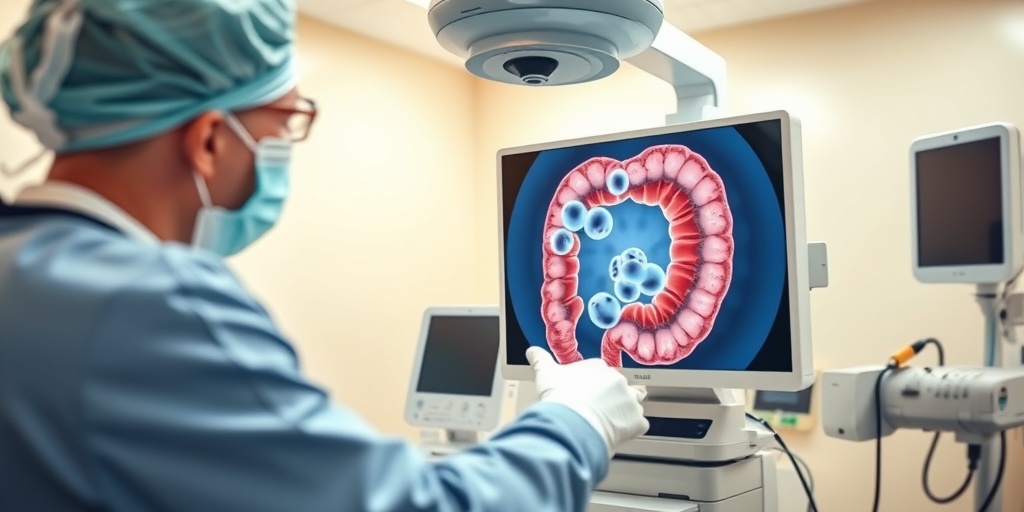
Types of Polyps in the Colon
When it comes to multiple polyposis of the colon, understanding the different types of polyps is crucial. Polyps are abnormal growths that can develop on the lining of the colon and rectum. While many polyps are benign, some can lead to colorectal cancer if left untreated. Here’s a closer look at the various types of polyps you might encounter:
Adenomatous Polyps
Adenomatous polyps are the most common type of polyp found in the colon. They are considered precursors to colorectal cancer. These polyps can be further classified into:
- Tubular Adenomas: These are the most common and have a low risk of becoming cancerous.
- Tubulovillous Adenomas: These have a mix of tubular and villous features and carry a moderate risk of cancer.
- Villous Adenomas: These are less common but have a high risk of becoming cancerous.
Hyperplastic Polyps
Hyperplastic polyps are generally small and considered benign. They are usually found in the rectum and sigmoid colon. While they are not typically associated with cancer, having multiple hyperplastic polyps may indicate a higher risk for other types of polyps.
Inflammatory Polyps
These polyps often arise in individuals with inflammatory bowel diseases (IBD) such as ulcerative colitis or Crohn’s disease. Inflammatory polyps are usually not cancerous but can indicate ongoing inflammation in the colon.
Familial Polyposis Syndromes
Some individuals may have a genetic predisposition to develop multiple polyps. Conditions such as Familial Adenomatous Polyposis (FAP) and Lynch Syndrome can lead to the formation of hundreds or even thousands of polyps in the colon. Regular screening and monitoring are essential for individuals with these syndromes to prevent colorectal cancer.
Treatment Options
When diagnosed with multiple polyposis of the colon, it’s essential to discuss treatment options with your healthcare provider. The approach to treatment often depends on the type, size, and number of polyps, as well as the patient’s overall health. Here are some common treatment options:
Surveillance and Monitoring
For individuals with benign polyps, especially hyperplastic polyps, regular surveillance through colonoscopy may be recommended. This allows for early detection of any changes in the polyps or the development of new ones. The frequency of colonoscopies will depend on individual risk factors.
Polypectomy
If polyps are detected during a colonoscopy, they can often be removed immediately through a procedure called polypectomy. This is a minimally invasive procedure that can prevent the progression of polyps to cancer. The removed polyps are then sent for pathological examination to determine their type and any potential risk factors.
Medications
In some cases, medications may be prescribed to manage conditions associated with polyps, such as inflammatory bowel disease. These medications can help reduce inflammation and lower the risk of polyp formation.
Surgery
For individuals with familial polyposis syndromes or those with numerous adenomatous polyps, surgical intervention may be necessary. This could involve partial or total colectomy, where part or all of the colon is removed. This is often considered when the risk of cancer is significantly high.
Genetic Counseling
For those with a family history of polyposis syndromes, genetic counseling can be beneficial. Understanding your genetic risk can help in making informed decisions about screening and preventive measures.
In conclusion, being informed about the types of polyps and available treatment options is vital for anyone diagnosed with multiple polyposis of the colon. Regular check-ups and open communication with healthcare providers can lead to effective management and improved outcomes. 🩺✨

Living with Multiple Polyposis of the Colon
Living with multiple polyposis of the colon can be a challenging journey, but understanding the condition and its implications can empower individuals to manage their health effectively. Multiple polyposis refers to the presence of numerous polyps in the colon, which can vary in size and type. These polyps can be benign or have the potential to develop into colorectal cancer if left untreated.
Understanding Multiple Polyposis
Multiple polyposis of the colon is often associated with genetic conditions, such as familial adenomatous polyposis (FAP) or Lynch syndrome. Individuals with these conditions may develop hundreds to thousands of polyps throughout their lifetime. It’s crucial to recognize that not all polyps will lead to cancer, but regular monitoring is essential.
Symptoms and Diagnosis
Many people with multiple polyps may not experience symptoms initially. However, as polyps grow, they can lead to various symptoms, including:
- Abdominal pain or discomfort
- Changes in bowel habits (diarrhea or constipation)
- Rectal bleeding
- Unexplained weight loss
If you experience any of these symptoms, it’s important to consult a healthcare professional. Diagnosis typically involves a colonoscopy, where a doctor can visually inspect the colon and remove polyps for biopsy.
Living with the Condition
Managing multiple polyposis involves a proactive approach to health. Here are some strategies to consider:
- Regular Screenings: Frequent colonoscopies are essential for monitoring the number and size of polyps. Your doctor will recommend a screening schedule based on your specific situation.
- Healthy Lifestyle Choices: Adopting a balanced diet rich in fruits, vegetables, and whole grains can support colon health. Limiting red and processed meats may also be beneficial.
- Stay Informed: Educate yourself about multiple polyposis and its implications. Understanding your condition can help you make informed decisions about your health.
Preventive Measures and Screening
Preventive measures play a crucial role in managing multiple polyposis of the colon. Early detection and intervention can significantly reduce the risk of colorectal cancer.
Importance of Screening
Screening is vital for individuals with multiple polyps. The American Cancer Society recommends that individuals with a family history of polyposis begin screening at an earlier age, often around 10-12 years old. Regular colonoscopies can help identify polyps before they become cancerous.
Preventive Strategies
In addition to regular screenings, consider the following preventive strategies:
- Genetic Counseling: If you have a family history of multiple polyposis, genetic counseling can help assess your risk and guide screening decisions.
- Medications: Some studies suggest that certain medications, such as nonsteroidal anti-inflammatory drugs (NSAIDs), may reduce the number of polyps in individuals with familial adenomatous polyposis. Consult your doctor about potential options.
- Healthy Weight Management: Maintaining a healthy weight can lower the risk of developing additional polyps. Regular physical activity and a balanced diet are key components.
Regular Follow-ups
After a diagnosis of multiple polyposis, it’s essential to establish a follow-up plan with your healthcare provider. This plan should include:
- Scheduled colonoscopies based on your risk level
- Regular check-ups to monitor any changes in symptoms
- Open communication about any new symptoms or concerns
By taking these preventive measures and adhering to a screening schedule, individuals with multiple polyposis of the colon can significantly reduce their risk of developing colorectal cancer and improve their overall quality of life. Remember, early detection is key! 🩺

Frequently Asked Questions about Multiple Polyposis of the Colon
What is Multiple Polyposis of the Colon?
Multiple polyposis of the colon refers to a condition characterized by the presence of numerous polyps in the colon. These polyps can vary in size and may have the potential to develop into colorectal cancer if left untreated. Understanding this condition is crucial for early detection and management.
What causes multiple polyps in the colon?
The exact cause of multiple polyps of the colon can vary. Genetic factors play a significant role, especially in hereditary syndromes such as Familial Adenomatous Polyposis (FAP). Other factors may include lifestyle choices, diet, and certain medical conditions.
Are multiple colon polyps common?
Yes, multiple colon polyps can be relatively common, especially in older adults. Regular screenings, such as colonoscopies, are essential for detecting polyps early and preventing potential complications.
What does multiple polyps in the colon mean?
Having multiple polyps in the colon indicates that there are several growths in the lining of the colon. While many polyps are benign, some can be precursors to cancer. Therefore, monitoring and management are vital.
How are multiple polyps diagnosed?
Diagnosis of multiple polyps of the colon typically involves a colonoscopy, where a doctor can visually inspect the colon and remove any polyps for biopsy. Imaging tests may also be used to assess the condition further.
What is the treatment for multiple polyps?
Treatment for multiple polyps of the colon often involves the removal of the polyps during a colonoscopy. In some cases, more extensive surgery may be necessary, especially if there is a high risk of cancer.
How often should I get screened for colon polyps?
Screening recommendations vary based on individual risk factors. Generally, adults should begin regular screenings at age 45, but those with a family history of polyposis may need to start earlier. Consult your healthcare provider for personalized advice.
Can lifestyle changes help prevent multiple polyps?
Yes, certain lifestyle changes may help reduce the risk of developing multiple polyps of the colon. These include:
- Eating a balanced diet rich in fruits, vegetables, and whole grains
- Maintaining a healthy weight
- Exercising regularly
- Avoiding smoking and limiting alcohol consumption
What should I do if I have multiple polyps?
If you have been diagnosed with multiple polyps of the colon, it is essential to follow your doctor’s recommendations for monitoring and treatment. Regular follow-ups and screenings will help manage your condition effectively.