What Is Guillain-Barre Syndrome?
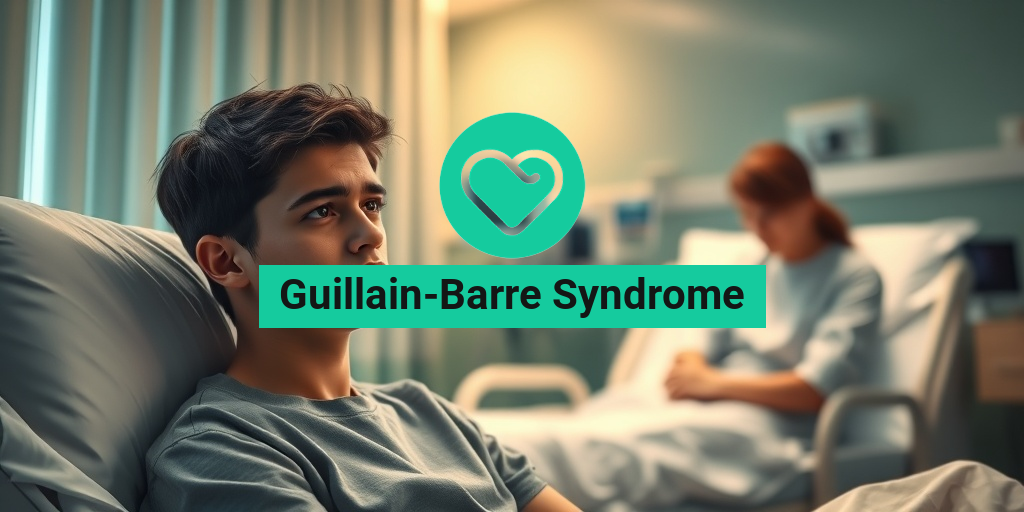
Guillain-Barre Syndrome (GBS) is a rare but serious autoimmune disorder that affects the peripheral nervous system. In this condition, the body’s immune system mistakenly attacks the nerves, leading to muscle weakness and, in some cases, paralysis. While the exact cause of GBS remains unclear, it often follows an infection, such as a respiratory or gastrointestinal infection. Understanding GBS is crucial for early diagnosis and treatment, which can significantly improve outcomes.
How Does Guillain-Barre Syndrome Develop?
GBS typically begins with a triggering event, often an infection. The immune response to this infection can inadvertently target the nerves, leading to inflammation and damage. This process can result in a range of symptoms, which may develop over days or weeks. The condition can affect anyone, but it is most commonly seen in adults and older individuals.
Types of Guillain-Barre Syndrome
There are several variants of Guillain-Barre Syndrome, including:
- Acute Inflammatory Demyelinating Polyneuropathy (AIDP): The most common form, characterized by the rapid onset of weakness and sensory loss.
- Acute Motor Axonal Neuropathy (AMAN): This variant primarily affects motor nerves and can lead to more severe paralysis.
- Acute Motor-Sensory Axonal Neuropathy (AMSAN): A more severe form that affects both motor and sensory nerves.
Each type may present differently, but they all share the common feature of nerve damage due to an autoimmune response.
Guillain-Barre Symptoms
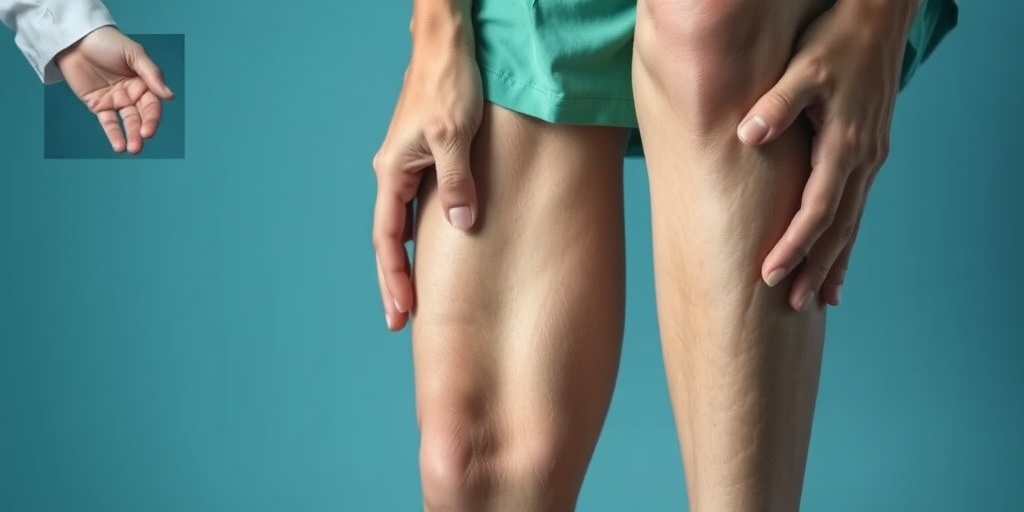
The symptoms of Guillain-Barre Syndrome can vary widely among individuals, but they typically start with weakness and tingling sensations in the legs. As the condition progresses, symptoms may spread to the upper body and arms. Here are some common symptoms associated with GBS:
Early Symptoms
- Tingling or prickling sensations in the fingers, toes, or legs.
- Muscle weakness that may start in the legs and ascend to the upper body.
- Difficulty walking or climbing stairs.
Progressive Symptoms
As GBS progresses, symptoms can become more severe, including:
- Severe muscle weakness that can lead to paralysis.
- Difficulty with eye movements or facial expressions.
- Respiratory difficulties if the muscles that control breathing are affected.
Potential Complications
In some cases, Guillain-Barre Syndrome can lead to serious complications, such as:
- Respiratory failure: This can occur if the muscles that control breathing become weak.
- Cardiovascular issues: Abnormal heart rates or blood pressure fluctuations may occur.
- Long-term nerve damage: Some individuals may experience lingering weakness or sensory changes even after recovery.
Recognizing the symptoms of Guillain-Barre Syndrome early is vital for effective treatment. If you or someone you know is experiencing these symptoms, it is essential to seek medical attention promptly.
For more information on Guillain-Barre Syndrome and other health-related topics, consider visiting Yesil Health AI, a valuable resource for evidence-based health answers. Remember, early diagnosis and intervention can make a significant difference in recovery outcomes! 🌟
Causes of Guillain-Barre Syndrome
Guillain-Barre Syndrome (GBS) is a rare neurological disorder that can lead to muscle weakness and paralysis. Understanding the causes of Guillain-Barre Syndrome is crucial for early diagnosis and treatment. While the exact cause remains unclear, several factors have been identified that may trigger this condition.
Infections as a Trigger
One of the most common triggers for GBS is an infection. Many patients report having a respiratory or gastrointestinal infection shortly before the onset of symptoms. The following infections have been linked to GBS:
- Campylobacter jejuni: This bacterium, often found in undercooked poultry, is one of the most frequently associated with GBS.
- Influenza virus: Seasonal flu can also precede the onset of Guillain-Barre Syndrome.
- Zika virus: Emerging research suggests a potential link between Zika virus infections and GBS.
- Other viruses: Cytomegalovirus (CMV), Epstein-Barr virus (EBV), and HIV have also been implicated.
Autoimmune Response
Guillain-Barre Syndrome is classified as an autoimmune disorder, where the body’s immune system mistakenly attacks its own nerve cells. This autoimmune response can be triggered by infections, leading to inflammation and damage to the myelin sheath that surrounds nerve fibers. This damage disrupts communication between the nerves and muscles, resulting in weakness and paralysis.
Genetic Factors
While GBS can affect anyone, certain genetic predispositions may increase the risk. Family history of autoimmune diseases can play a role, although specific genetic markers for GBS are still being researched. Understanding these genetic factors can help in identifying individuals at higher risk.
Vaccinations
In rare cases, vaccinations have been associated with Guillain-Barre Syndrome. The most notable example is the swine flu vaccine from the 1970s, which was linked to a slight increase in GBS cases. However, the risk remains extremely low, and the benefits of vaccination generally outweigh the risks. Current vaccines, including those for influenza and COVID-19, are monitored closely for safety.
Risk Factors for Guillain-Barre
Identifying the risk factors for Guillain-Barre Syndrome can help in early detection and management of the condition. While GBS can occur in anyone, certain factors may increase the likelihood of developing this syndrome.
Age
Age is a significant risk factor for GBS. The syndrome can occur at any age, but it is more common in adults, particularly those over the age of 50. As people age, their immune systems may respond differently to infections, potentially increasing the risk of autoimmune disorders like GBS.
Gender
Research indicates that men are more likely to develop Guillain-Barre Syndrome than women. The reasons for this gender disparity are not fully understood, but hormonal and genetic factors may play a role.
Recent Infections
As mentioned earlier, recent infections are a major trigger for GBS. Individuals who have had a recent infection, particularly with the bacteria Campylobacter jejuni or viral infections like influenza, are at a higher risk. It’s essential to monitor any unusual symptoms following an infection.
Autoimmune Disorders
Individuals with a history of autoimmune disorders, such as lupus or rheumatoid arthritis, may have an increased risk of developing GBS. The presence of one autoimmune condition can sometimes predispose individuals to others, including Guillain-Barre Syndrome.
Environmental Factors
Environmental factors, including exposure to certain toxins or chemicals, may also contribute to the risk of GBS. While research is ongoing, some studies suggest that exposure to specific pesticides or solvents could be linked to an increased incidence of the syndrome.
In summary, while the exact causes of Guillain-Barre Syndrome remain elusive, understanding the potential triggers and risk factors can aid in early recognition and treatment. If you or someone you know is experiencing symptoms such as muscle weakness, tingling, or difficulty walking, it is crucial to seek medical attention promptly. 🩺

Diagnosis of Guillain-Barre Syndrome
Diagnosing Guillain-Barre Syndrome (GBS) can be a complex process, as its symptoms often mimic those of other neurological disorders. However, early diagnosis is crucial for effective treatment and recovery. Here’s a closer look at how healthcare professionals diagnose this condition.
Recognizing the Symptoms
The first step in diagnosing GBS is recognizing its symptoms. Common signs include:
- Weakness or tingling: Often starting in the legs and progressing upwards.
- Loss of reflexes: A noticeable decrease in reflex responses.
- Difficulty walking: Patients may experience unsteadiness or difficulty in movement.
- Respiratory issues: In severe cases, breathing can become compromised.
These symptoms typically develop over a few days to weeks, making it essential for patients to seek medical attention promptly if they experience these signs.
Medical History and Physical Examination
During the diagnosis process, healthcare providers will conduct a thorough medical history review and physical examination. They will ask about:
- Recent infections (such as gastrointestinal or respiratory infections).
- Vaccinations received prior to symptom onset.
- Family history of neurological disorders.
A comprehensive physical examination will assess muscle strength, reflexes, and coordination, helping to identify any neurological deficits.
Diagnostic Tests
To confirm a diagnosis of Guillain-Barre Syndrome, doctors may recommend several tests:
- Electromyography (EMG): This test measures the electrical activity of muscles and can help identify nerve damage.
- Nerve conduction studies: These tests assess how well electrical signals travel through the nerves, indicating any abnormalities.
- Lumbar puncture (spinal tap): This procedure involves collecting cerebrospinal fluid to check for elevated protein levels, which is a common finding in GBS.
These tests, combined with clinical findings, help healthcare providers make an accurate diagnosis of GBS, allowing for timely intervention.
Guillain-Barre Treatment Options
Once diagnosed, the next step is to explore treatment options for Guillain-Barre Syndrome. While there is no cure for GBS, several treatments can help manage symptoms and promote recovery.
Immediate Treatments
In the acute phase of GBS, immediate treatment is crucial. The two primary treatment options include:
- Intravenous immunoglobulin (IVIG): This treatment involves administering antibodies from donated blood to help reduce the immune system’s attack on the nervous system.
- Plasmapheresis: Also known as plasma exchange, this procedure removes harmful antibodies from the blood, which can help speed up recovery.
Both treatments are typically administered in a hospital setting and can significantly improve outcomes for patients.
Symptom Management
In addition to immediate treatments, managing symptoms is essential for improving the quality of life during recovery. This may include:
- Pain management: Medications such as gabapentin or pregabalin may be prescribed to alleviate nerve pain.
- Physical therapy: Engaging in physical therapy can help regain strength and mobility, which is often affected by GBS.
- Occupational therapy: This therapy focuses on helping patients adapt to daily activities and regain independence.
Long-Term Recovery and Support
Recovery from Guillain-Barre Syndrome can take weeks to months, and some patients may experience lingering effects. Ongoing support from healthcare providers, family, and support groups can be invaluable during this time. Regular follow-ups with neurologists and rehabilitation specialists can help monitor progress and adjust treatment plans as needed.
In summary, while the diagnosis of GBS can be challenging, early recognition and appropriate treatment can lead to better outcomes. Understanding the treatment options available empowers patients and their families to navigate this complex condition with confidence. 🌟

Living with Guillain-Barre Syndrome
Guillain-Barre Syndrome (GBS) is a rare neurological disorder that can have a profound impact on daily life. It occurs when the body’s immune system mistakenly attacks the peripheral nerves, leading to muscle weakness and sometimes paralysis. Understanding how to navigate life with GBS is crucial for both patients and their families.
Understanding the Symptoms
The symptoms of Guillain-Barre Syndrome can vary significantly from person to person. Common symptoms include:
- Weakness or tingling: Often starting in the legs and spreading to the upper body.
- Difficulty walking: Many individuals experience challenges with mobility.
- Loss of reflexes: Reflexes may become diminished or absent.
- Severe pain: Some patients report intense pain, particularly in the back and legs.
- Respiratory issues: In severe cases, GBS can affect breathing muscles.
Recognizing these symptoms early can lead to prompt medical intervention, which is crucial for improving outcomes.
Daily Life Adjustments
Living with GBS often requires significant adjustments in daily routines. Here are some strategies that can help:
- Physical therapy: Engaging in physical therapy can aid in regaining strength and mobility. A tailored exercise program can make a significant difference.
- Assistive devices: Utilizing wheelchairs, walkers, or braces can enhance mobility and independence.
- Home modifications: Making changes at home, such as installing grab bars or ramps, can improve safety and accessibility.
- Emotional support: Joining support groups or seeking counseling can help manage the emotional toll of living with GBS.
It’s essential to communicate openly with family and friends about your needs and challenges. This support network can be invaluable in navigating the ups and downs of living with Guillain-Barre Syndrome. 💪
Nutritional Considerations
Nutrition plays a vital role in recovery and overall well-being. A balanced diet rich in vitamins and minerals can support nerve health. Consider incorporating:
- Fruits and vegetables: These are packed with antioxidants that can help reduce inflammation.
- Lean proteins: Essential for muscle repair and recovery.
- Healthy fats: Sources like avocados and nuts can support brain health.
Staying hydrated is also crucial, as dehydration can exacerbate symptoms. 💧
Guillain-Barre Recovery Outlook
The recovery outlook for individuals with Guillain-Barre Syndrome can vary widely. While some people may experience a full recovery, others may face long-term effects. Understanding the recovery process can help set realistic expectations.
Factors Influencing Recovery
Several factors can influence the recovery trajectory:
- Severity of symptoms: Those with milder symptoms often have a better prognosis.
- Age: Younger individuals tend to recover more quickly than older adults.
- Timeliness of treatment: Early diagnosis and treatment can significantly improve outcomes.
Most patients begin to see improvement within a few weeks to months after the onset of symptoms, but full recovery can take several months to years. It’s essential to remain patient and committed to rehabilitation efforts. 🕰️
Long-Term Effects
While many individuals recover fully, some may experience lingering effects, such as:
- Fatigue: Chronic fatigue is common among GBS survivors.
- Neuropathic pain: Some may continue to experience pain or discomfort in their limbs.
- Muscle weakness: A small percentage may have persistent weakness or mobility issues.
Regular follow-ups with healthcare providers can help manage these long-term effects and improve quality of life.
Support and Resources
For those living with Guillain-Barre Syndrome, accessing support and resources is crucial. Organizations like the Guillain-Barre Syndrome Foundation offer valuable information, support groups, and resources for patients and families. Connecting with others who understand the journey can provide comfort and encouragement. 🤝

Frequently Asked Questions about Guillain-Barre Syndrome
What is Guillain-Barre Syndrome?
Guillain-Barre Syndrome (GBS) is a rare neurological disorder in which the body’s immune system mistakenly attacks the peripheral nerves. This can lead to muscle weakness, numbness, and in severe cases, paralysis. The exact cause of GBS is often unknown, but it frequently follows an infection.
What are the common symptoms of Guillain-Barre Syndrome?
Symptoms of Guillain-Barre Syndrome can vary but typically include:
- Weakness or tingling in the legs
- Rapidly progressing muscle weakness
- Difficulty walking or climbing stairs
- Loss of reflexes
- Severe cases may lead to respiratory difficulties
How is Guillain-Barre Syndrome diagnosed?
Diagnosis of Guillain-Barre Syndrome often involves a combination of medical history review, physical examination, and specific tests such as:
- Electromyography (EMG)
- Nerve conduction studies
- Analysis of cerebrospinal fluid
What causes Guillain-Barre Syndrome?
The exact cause of Guillain-Barre Syndrome is not fully understood. However, it is often preceded by an infection, such as:
- Respiratory infections
- Gastrointestinal infections
In some cases, vaccinations or surgery may also trigger the syndrome.
Is Guillain-Barre Syndrome acute or chronic?
Guillain-Barre Syndrome is classified as an acute condition, meaning it develops rapidly and typically reaches its peak within a few weeks. Most individuals experience significant recovery, although some may have lingering effects.
What medications are used to treat Guillain-Barre Syndrome?
Treatment for Guillain-Barre Syndrome may include:
- Intravenous immunoglobulin (IVIG)
- Plasmapheresis (plasma exchange)
- Pain management medications
These treatments aim to reduce the severity and duration of symptoms.
How can I pronounce Guillain-Barre Syndrome?
The pronunciation of Guillain-Barre Syndrome is typically as follows: “gee-yan bar.” It is important to note that the pronunciation may vary slightly based on regional accents.
Where can I find more information about Guillain-Barre Syndrome?
For more detailed information, consider visiting reputable health websites, consulting healthcare professionals, or accessing educational materials such as Guillain-Barre Syndrome presentations (PPT) available online.