What Is GERD?
Gastroesophageal reflux disease (GERD) is a chronic digestive condition that occurs when stomach acid flows back into the esophagus, the tube that connects your mouth to your stomach. This backflow, known as acid reflux, can lead to a variety of uncomfortable symptoms and complications if left untreated. GERD is more than just occasional heartburn; it is a persistent condition that can significantly impact your quality of life.
Understanding the Causes of GERD
Several factors can contribute to the development of GERD, including:
- Weak Lower Esophageal Sphincter (LES): The LES is a muscle that acts as a valve between the esophagus and stomach. If it weakens or relaxes inappropriately, acid can escape into the esophagus.
- Obesity: Excess weight can put pressure on the abdomen, pushing stomach contents back into the esophagus.
- Pregnancy: Hormonal changes and increased abdominal pressure during pregnancy can lead to GERD symptoms.
- Certain Foods and Beverages: Spicy foods, citrus, chocolate, caffeine, and alcohol can trigger acid reflux in some individuals.
- Smoking: Smoking can weaken the LES and reduce saliva production, which helps neutralize stomach acid.
Understanding these causes can help you identify potential triggers and manage your symptoms more effectively. If you suspect you have GERD, it’s essential to consult a healthcare professional for a proper diagnosis and treatment plan.
Heartburn Symptoms
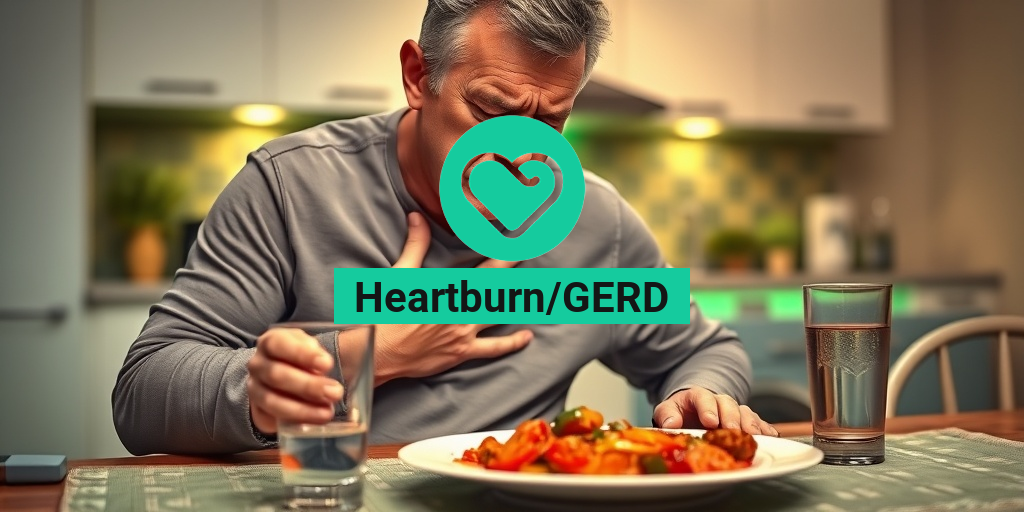
Heartburn is one of the most common symptoms associated with GERD. It is characterized by a burning sensation in the chest, often after eating or when lying down. However, heartburn can manifest in various ways, and recognizing these symptoms is crucial for effective management.
Common Symptoms of Heartburn
Here are some of the most prevalent symptoms of heartburn and GERD:
- Burning Sensation in the Chest: This is the hallmark symptom of heartburn, often described as a feeling of heat rising from the stomach to the throat.
- Regurgitation: This involves the sensation of acid backing up into your throat or mouth, which can leave a sour or bitter taste.
- Dysphagia: Some individuals may experience difficulty swallowing, which can occur if the esophagus becomes inflamed.
- Chronic Cough: A persistent cough, especially at night, can be a sign of GERD, as acid can irritate the throat.
- Hoarseness or Sore Throat: Acid reflux can lead to irritation of the vocal cords, resulting in a hoarse voice or sore throat.
When to Seek Medical Attention
While occasional heartburn is common, you should seek medical attention if you experience:
- Severe Chest Pain: This could be a sign of a heart attack or other serious condition.
- Frequent Symptoms: If you experience heartburn more than twice a week, it may indicate GERD.
- Difficulty Swallowing: This could signal a more serious issue that requires medical evaluation.
- Unexplained Weight Loss: If you are losing weight without trying, it’s essential to consult a healthcare provider.
Recognizing the symptoms of heartburn and GERD is the first step toward finding relief. If you’re looking for effective treatment options, consider visiting Yesil Health AI for evidence-based health answers tailored to your needs.
In conclusion, understanding GERD and its symptoms can empower you to take control of your health. By identifying triggers and seeking appropriate treatment, you can manage your symptoms and improve your quality of life. Remember, you’re not alone in this journey—many people experience heartburn and GERD, and effective relief is available! 🌟

GERD Symptoms
Gastroesophageal reflux disease (GERD) is a chronic condition that affects millions of people worldwide. Understanding the symptoms of GERD is crucial for early diagnosis and effective management. Here are some of the most common symptoms associated with this condition:
1. Frequent Heartburn
Heartburn is the hallmark symptom of GERD. It is characterized by a burning sensation in the chest, often after eating or when lying down. This discomfort can range from mild to severe and may occur more than twice a week.
2. Regurgitation
Many individuals with GERD experience regurgitation, where stomach acid or food comes back up into the throat or mouth. This can lead to a sour or bitter taste and may cause a feeling of choking.
3. Difficulty Swallowing
Known as dysphagia, this symptom can manifest as a sensation of food being stuck in the throat or chest. It may be accompanied by pain while swallowing, making eating a challenging experience.
4. Chronic Cough or Sore Throat
A persistent cough or a sore throat can be a result of acid irritating the throat and vocal cords. This symptom is often worse at night or after meals, leading to disrupted sleep and discomfort.
5. Hoarseness or Voice Changes
GERD can affect the vocal cords, leading to hoarseness or changes in voice. This symptom is particularly common in individuals who use their voice professionally, such as singers or teachers.
6. Chest Pain
While chest pain can be alarming and may mimic a heart attack, it is often related to GERD. This pain is usually associated with heartburn and can be exacerbated by certain foods or lying down.
7. Nausea
Some individuals with GERD may experience nausea, especially after meals. This can be accompanied by a feeling of fullness or bloating, making it uncomfortable to eat.
Recognizing these symptoms is the first step towards seeking appropriate treatment. If you experience any of these symptoms frequently, it’s essential to consult a healthcare professional for a proper diagnosis and management plan. 🩺
Causes of Heartburn
Heartburn is often a symptom of GERD, and understanding its causes can help in managing and preventing this uncomfortable condition. Here are some of the primary factors that contribute to heartburn:
1. Weak Lower Esophageal Sphincter (LES)
The lower esophageal sphincter is a muscle that acts as a valve between the esophagus and stomach. If this muscle weakens or relaxes inappropriately, stomach acid can flow back into the esophagus, causing heartburn.
2. Certain Foods and Beverages
Diet plays a significant role in heartburn. Common culprits include:
These items can irritate the esophagus or relax the LES, leading to increased acid reflux. 🍕🍫
3. Obesity
Excess weight can put pressure on the abdomen, pushing stomach contents up into the esophagus. This is why maintaining a healthy weight is crucial for preventing heartburn and managing GERD.
4. Smoking
Smoking can weaken the LES and reduce saliva production, which helps neutralize stomach acid. Quitting smoking can significantly improve heartburn symptoms.
5. Pregnancy
Hormonal changes and increased abdominal pressure during pregnancy can lead to heartburn. Many women experience this symptom, especially in the later stages of pregnancy.
6. Medications
Some medications can contribute to heartburn by relaxing the LES or irritating the esophagus. Common offenders include:
- Nonsteroidal anti-inflammatory drugs (NSAIDs)
- Antidepressants
- Blood pressure medications
If you suspect your medication is causing heartburn, consult your healthcare provider for alternatives. 💊
7. Stress
While stress itself may not directly cause heartburn, it can lead to behaviors that trigger symptoms, such as overeating or consuming unhealthy foods. Managing stress through relaxation techniques can help alleviate heartburn symptoms.
Understanding the causes of heartburn is essential for effective management. By identifying triggers and making lifestyle changes, individuals can significantly reduce the frequency and severity of heartburn episodes. 🌟

Risks and Triggers of Heartburn/GERD
Heartburn, often associated with gastroesophageal reflux disease (GERD), can be a painful and disruptive condition. Understanding the risks and triggers can help you manage symptoms effectively and improve your quality of life. Let’s explore some common factors that can lead to heartburn and GERD.
Common Triggers of Heartburn/GERD
Identifying what triggers your heartburn is crucial for prevention. Here are some common culprits:
- Dietary Choices: Certain foods and beverages can exacerbate heartburn symptoms. Common offenders include:
- Eating Habits: How and when you eat can also play a significant role. Large meals, eating late at night, or lying down immediately after eating can trigger symptoms.
- Obesity: Excess weight can put pressure on the abdomen, pushing stomach contents back into the esophagus, leading to heartburn.
- Smoking: Tobacco use can weaken the lower esophageal sphincter (LES), making it easier for stomach acid to escape into the esophagus.
- Stress: High-stress levels can lead to increased acid production and exacerbate heartburn symptoms.
Medical Conditions and Medications
Some medical conditions and medications can also increase the risk of developing GERD:
- Hiatal Hernia: This condition occurs when part of the stomach pushes through the diaphragm into the chest cavity, which can lead to GERD.
- Pregnancy: Hormonal changes and increased abdominal pressure during pregnancy can contribute to heartburn.
- Medications: Certain medications, such as nonsteroidal anti-inflammatory drugs (NSAIDs), blood pressure medications, and some sedatives, can relax the LES and trigger heartburn.
Understanding Your Risks
While anyone can experience heartburn, certain factors may increase your risk:
- Age: As you age, the risk of GERD increases due to changes in the digestive system.
- Family History: A family history of GERD may increase your likelihood of developing the condition.
- Gender: Men are generally more likely to experience GERD than women.
Diagnosis of GERD
Diagnosing GERD typically involves a combination of medical history, symptom assessment, and diagnostic tests. If you suspect you have GERD, it’s essential to consult a healthcare professional for an accurate diagnosis.
Initial Assessment
Your doctor will likely start with a thorough assessment of your symptoms. Common symptoms of heartburn/GERD include:
- Burning sensation in the chest (heartburn)
- Regurgitation of food or sour liquid
- Difficulty swallowing (dysphagia)
- Chronic cough or throat clearing
- Hoarseness or sore throat
During this initial assessment, your doctor may ask about your lifestyle, dietary habits, and any medications you are taking. This information can help pinpoint potential triggers and risk factors.
Diagnostic Tests
If your symptoms are severe or do not respond to initial treatment, your doctor may recommend further diagnostic tests:
- Upper Endoscopy: A thin, flexible tube with a camera is inserted through the throat to examine the esophagus and stomach for inflammation or damage.
- Esophageal pH Monitoring: This test measures the amount of acid in your esophagus over a 24-hour period, helping to confirm GERD.
- Esophageal Manometry: This test assesses the function of the esophagus and the LES, measuring the strength and coordination of muscle contractions.
By understanding the risks and triggers of heartburn/GERD and undergoing appropriate diagnostic tests, you can take proactive steps toward managing your symptoms and improving your overall health. Remember, early diagnosis and treatment can make a significant difference in your quality of life! 🌟

Heartburn Treatment Options
Heartburn, often associated with GERD (Gastroesophageal Reflux Disease), can be an uncomfortable and persistent issue for many. Fortunately, there are several treatment options available that can help alleviate symptoms and improve your quality of life. Let’s explore some of the most effective treatments for heartburn and GERD.
Over-the-Counter Medications
Many people find relief from heartburn symptoms using over-the-counter (OTC) medications. Here are some common options:
- Antacids: These neutralize stomach acid and provide quick relief. Popular brands include Tums, Rolaids, and Maalox.
- H2 Blockers: Medications like ranitidine (Zantac) and famotidine (Pepcid) reduce the amount of acid your stomach produces, offering longer-lasting relief.
- Proton Pump Inhibitors (PPIs): Drugs such as omeprazole (Prilosec) and esomeprazole (Nexium) are more potent and can help heal the esophagus lining by significantly reducing acid production.
Prescription Medications
If OTC options aren’t effective, your doctor may prescribe stronger medications. These can include:
- Higher-dose PPIs: For severe cases of GERD, a doctor may prescribe a higher dose of PPIs to manage symptoms effectively.
- Prokinetics: Medications like metoclopramide can help your stomach empty faster, reducing the likelihood of acid reflux.
Surgical Options
In some cases, when lifestyle changes and medications fail to provide relief, surgical options may be considered. The most common procedure is:
- Fundoplication: This surgery involves wrapping the top of the stomach around the lower esophagus to prevent acid reflux.
Home Remedies for Heartburn
Many individuals also turn to home remedies for heartburn relief. Here are some popular options:
- Ginger: Known for its anti-inflammatory properties, ginger can help soothe the stomach. Try ginger tea or adding fresh ginger to meals.
- Aloe Vera Juice: Drinking a small amount of aloe vera juice may help reduce inflammation and soothe the esophagus.
- Apple Cider Vinegar: Some people find that mixing a tablespoon of apple cider vinegar with water can help alleviate symptoms.
Lifestyle Changes for Relief
In addition to medical treatments, making certain lifestyle changes can significantly reduce the frequency and severity of heartburn and GERD symptoms. Here are some effective strategies:
Dietary Modifications
Your diet plays a crucial role in managing heartburn. Consider the following tips:
- Avoid Trigger Foods: Common culprits include spicy foods, citrus fruits, chocolate, caffeine, and fatty or fried foods. Keeping a food diary can help identify your specific triggers.
- Eat Smaller Meals: Large meals can put pressure on the stomach and increase the likelihood of reflux. Opt for smaller, more frequent meals throughout the day.
- Stay Upright After Eating: Allow at least three hours between your last meal and lying down to help prevent acid reflux.
Weight Management
Excess weight can put additional pressure on the stomach, leading to increased heartburn symptoms. Maintaining a healthy weight through a balanced diet and regular exercise can be beneficial. Aim for a weight loss of just 5-10% if you’re overweight, as this can significantly reduce symptoms.
Quit Smoking and Limit Alcohol
Both smoking and alcohol can exacerbate heartburn symptoms. Quitting smoking can improve your overall health and reduce GERD symptoms. Additionally, limiting alcohol intake can help minimize acid reflux episodes.
Stress Management
Stress can contribute to heartburn symptoms. Incorporating stress-reducing techniques such as yoga, meditation, or deep-breathing exercises can be helpful. Finding time for relaxation and self-care is essential for managing both stress and heartburn.
By combining effective treatment options with lifestyle changes, you can take control of your heartburn and GERD symptoms, leading to a more comfortable and enjoyable life. 🌟

Frequently Asked Questions about Heartburn/GERD
What is Heartburn/GERD?
Heartburn is a burning sensation in the chest caused by acid reflux, where stomach acid flows back into the esophagus. GERD (Gastroesophageal Reflux Disease) is a chronic form of heartburn that occurs more than twice a week.
What are the common symptoms of Heartburn/GERD?
- Burning sensation in the chest or throat
- Regurgitation of food or sour liquid
- Difficulty swallowing
- Chronic cough or sore throat
- Feeling of a lump in the throat
How can I relieve Heartburn/GERD symptoms?
There are several ways to find relief from heartburn/GERD symptoms:
- Over-the-counter medications like antacids
- Prescription medications such as proton pump inhibitors
- Home remedies like ginger tea or apple cider vinegar
- Avoiding trigger foods such as spicy or fatty foods
What treatments are available for Heartburn/GERD?
Treatment options for heartburn/GERD include:
- Medications: Antacids, H2 blockers, and proton pump inhibitors
- Lifestyle changes: Diet modifications and weight management
- Surgery: In severe cases, surgical options like fundoplication may be considered
Can Heartburn/GERD be mistaken for a heart attack?
Yes, the symptoms of heartburn/GERD can sometimes mimic those of a heart attack. If you experience severe chest pain, shortness of breath, or pain radiating to the arm or jaw, seek medical attention immediately. 🚑
Are there any home remedies for Heartburn/GERD?
Some effective home remedies include:
- Drinking herbal teas like chamomile or ginger
- Eating smaller, more frequent meals
- Staying upright after meals
- Using baking soda mixed with water for quick relief
Where can I find support for managing Heartburn/GERD?
Online communities, such as forums and social media groups, can provide support and share experiences. Websites like Reddit have discussions on heartburn/GERD that can be helpful. 💬
When should I see a doctor about Heartburn/GERD?
If you experience frequent heartburn, have difficulty swallowing, or notice any alarming symptoms, it’s important to consult a healthcare professional for a proper diagnosis and treatment plan.