What Is Arteriovenous Malformation?
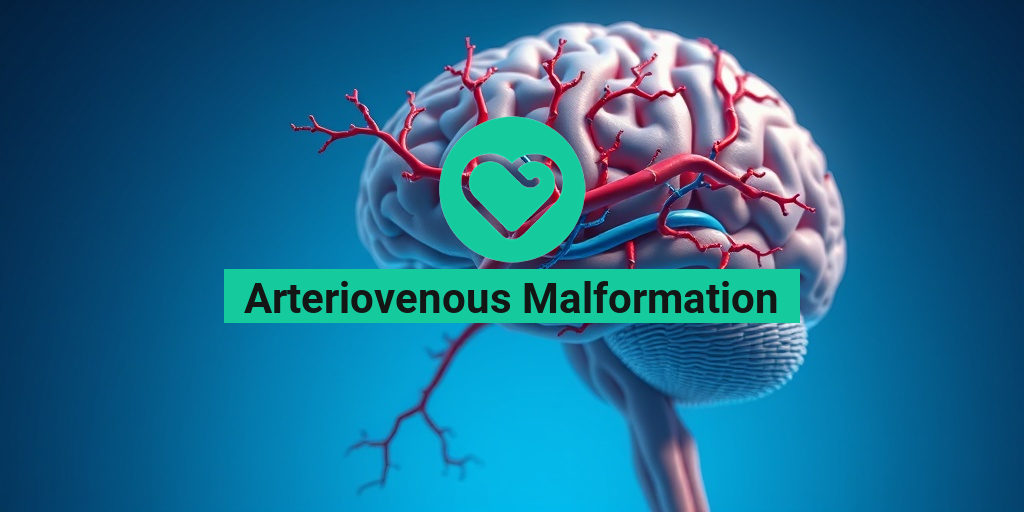
Arteriovenous malformation (AVM) is a complex vascular condition characterized by an abnormal connection between arteries and veins. This condition can occur in various parts of the body, but it is most commonly found in the brain and spinal cord. In a healthy vascular system, arteries carry oxygen-rich blood from the heart to the tissues, while veins return oxygen-poor blood back to the heart. However, in the case of an AVM, this normal flow is disrupted, leading to a tangle of blood vessels that can cause serious health issues.
How Does an AVM Develop?
The exact cause of arteriovenous malformation is not fully understood, but it is believed to be a congenital condition, meaning it is present at birth. Some researchers suggest that AVMs may develop during fetal development when blood vessels form incorrectly. While most AVMs are present from birth, they may not become symptomatic until later in life.
Types of Arteriovenous Malformations
AVMs can be classified into several types based on their location:
- Cerebral AVM: Located in the brain, this type can lead to severe complications, including hemorrhagic strokes.
- Spinal AVM: Found in the spinal cord, it can cause neurological symptoms and pain.
- Peripheral AVM: Occurs in the limbs or other areas outside the central nervous system.
- Uterine AVM: A rare type that can affect women, leading to complications during pregnancy.
Understanding the type of AVM is crucial for determining the appropriate treatment and management strategies.
Arteriovenous Malformation Symptoms
The symptoms of arteriovenous malformation can vary widely depending on the location and size of the AVM. Some individuals may remain asymptomatic for years, while others may experience significant health issues. Here are some common symptoms associated with AVMs:
Neurological Symptoms
When an AVM occurs in the brain, it can lead to a range of neurological symptoms, including:
- Severe headaches: Often described as the worst headache of one’s life, these can be a sign of bleeding.
- Seizures: AVMs can irritate the surrounding brain tissue, leading to seizures.
- Weakness or numbness: This may occur on one side of the body, depending on the AVM’s location.
- Vision problems: Blurred or double vision can occur if the AVM affects the visual pathways.
Symptoms of Spinal AVM
For those with a spinal arteriovenous malformation, symptoms may include:
- Back pain: Often severe and persistent.
- Leg weakness: Difficulty walking or maintaining balance.
- Numbness: A tingling sensation in the legs or lower body.
Other Symptoms
In cases of peripheral AVMs, symptoms may include:
- Swelling: In the affected limb or area.
- Skin changes: Such as discoloration or warmth.
- Bleeding: AVMs can rupture, leading to significant bleeding.
If you experience any of these symptoms, especially severe headaches or neurological changes, it is crucial to seek medical attention promptly. Early diagnosis and treatment can significantly improve outcomes.
For more information on arteriovenous malformations and their management, consider visiting Yesil Health AI, a valuable resource for evidence-based health answers.
In conclusion, understanding arteriovenous malformations and their symptoms is essential for early detection and treatment. If you suspect you or someone you know may have an AVM, don’t hesitate to consult a healthcare professional. Your health is worth it! 🌟

Causes of Arteriovenous Malformation
An arteriovenous malformation (AVM) is a complex tangle of blood vessels that can disrupt normal blood flow and oxygen circulation. Understanding the causes of AVMs is crucial for early detection and management. While the exact cause of AVMs remains largely unknown, several factors may contribute to their development.
Genetic Factors
Research suggests that genetics may play a significant role in the formation of AVMs. Some individuals may inherit a predisposition to develop these vascular anomalies. Conditions such as hereditary hemorrhagic telangiectasia (HHT) can increase the likelihood of AVMs, particularly in the lungs, liver, and brain. If you have a family history of AVMs or related vascular conditions, it’s essential to discuss this with your healthcare provider.
Developmental Factors
AVMs are often thought to arise during fetal development. Abnormalities in the formation of blood vessels can occur, leading to the creation of an AVM. These malformations may not be detected until later in life, as symptoms can vary widely depending on the location and size of the AVM.
Trauma and Injury
In some cases, trauma or injury to a specific area of the body can lead to the development of an AVM. For example, a significant head injury may trigger the formation of an AVM in the brain. While this is less common, it highlights the importance of monitoring any severe injuries for potential complications.
Other Medical Conditions
Certain medical conditions may also increase the risk of developing an AVM. For instance, individuals with conditions that affect blood vessel integrity or structure may be more susceptible. Additionally, some infections or inflammatory diseases can contribute to vascular malformations.
Risk Factors for Arteriovenous Malformation
Identifying the risk factors associated with arteriovenous malformations can aid in early diagnosis and intervention. While anyone can develop an AVM, certain factors may increase the likelihood of occurrence.
Age and Gender
AVMs can occur at any age, but they are often diagnosed in young adults. Interestingly, studies indicate that males are more likely to develop AVMs than females. This gender disparity may be linked to hormonal differences or other biological factors.
Family History
A family history of AVMs or related vascular conditions significantly raises the risk of developing an AVM. If you have relatives with AVMs, it’s crucial to inform your healthcare provider, as they may recommend regular monitoring or screening.
Location of the AVM
The location of an AVM can influence its risk factors and potential complications. For example, cerebral AVMs (those located in the brain) can lead to severe neurological issues, while uterine AVMs may cause complications during pregnancy. Understanding the specific risks associated with the location of an AVM is vital for effective management.
Previous Vascular Conditions
Individuals with a history of other vascular conditions, such as aneurysms or vascular malformations, may be at a higher risk for developing AVMs. These pre-existing conditions can compromise blood vessel integrity, making the formation of an AVM more likely.
Environmental Factors
While less understood, certain environmental factors may contribute to the risk of developing AVMs. Exposure to specific toxins or pollutants could potentially impact vascular health. However, more research is needed to establish a definitive link between environmental factors and AVM development.
In summary, while the precise causes of arteriovenous malformations remain unclear, several genetic, developmental, and environmental factors may contribute to their formation. Understanding these causes and risk factors can empower individuals to seek timely medical advice and interventions, ultimately improving outcomes and quality of life. 🌟

Diagnosing Arteriovenous Malformation
Diagnosing Arteriovenous Malformation (AVM) can be a complex process, as the symptoms may vary significantly from person to person. AVMs are abnormal connections between arteries and veins, bypassing the capillary system, which can lead to various health issues. Early diagnosis is crucial for effective management and treatment.
Initial Assessment and Symptoms
The first step in diagnosing an AVM typically involves a thorough medical history and physical examination. Patients may present with a range of symptoms, including:
- Headaches: Frequent or severe headaches can be a common symptom, especially in cerebral AVMs.
- Seizures: Some individuals may experience seizures, which can be a direct result of the abnormal blood flow.
- Neurological deficits: Symptoms such as weakness, numbness, or difficulty speaking may occur if the AVM affects brain function.
- Bleeding: In some cases, an AVM can rupture, leading to significant bleeding and requiring immediate medical attention.
Imaging Techniques
Once initial symptoms are assessed, healthcare providers often utilize advanced imaging techniques to confirm the presence of an AVM. Common imaging methods include:
- Magnetic Resonance Imaging (MRI): This technique provides detailed images of the brain and can help identify the location and size of the AVM.
- Computed Tomography (CT) Scan: A CT scan can quickly reveal bleeding in the brain and is often used in emergency situations.
- Angiography: This is a specialized imaging technique that involves injecting a contrast dye into the blood vessels, allowing for a clear view of the AVM’s structure and blood flow.
These imaging techniques not only help in diagnosing AVMs but also play a crucial role in planning treatment options.
Complications of Arteriovenous Malformation
While Arteriovenous Malformations can be managed effectively, they can lead to several serious complications if left untreated. Understanding these complications is essential for patients and their families.
Risk of Hemorrhage
One of the most significant risks associated with AVMs is the potential for hemorrhage. When an AVM ruptures, it can cause:
- Intracerebral hemorrhage: Bleeding within the brain can lead to severe neurological damage and can be life-threatening.
- Subarachnoid hemorrhage: This occurs when blood leaks into the space surrounding the brain, often resulting in sudden, severe headaches and other neurological symptoms.
Neurological Impairments
Depending on the location and size of the AVM, patients may experience various neurological impairments, including:
- Motor deficits: Weakness or paralysis on one side of the body can occur if the AVM affects areas responsible for movement.
- Cognitive changes: Some individuals may experience difficulties with memory, attention, or problem-solving skills.
- Vision problems: AVMs located near the optic nerves can lead to visual disturbances or loss of vision.
Other Complications
In addition to the risks mentioned above, AVMs can also lead to other complications, such as:
- Heart failure: The increased blood flow through the AVM can strain the heart, potentially leading to heart failure over time.
- Chronic pain: Some patients may experience persistent pain in the area surrounding the AVM.
Recognizing the potential complications of Arteriovenous Malformation is vital for timely intervention and management. If you or someone you know is experiencing symptoms associated with AVMs, seeking medical advice promptly can make a significant difference in outcomes. 🩺
Treatment Options for Arteriovenous Malformation
Arteriovenous malformation (AVM) is a complex vascular condition characterized by an abnormal connection between arteries and veins, bypassing the capillary system. This can lead to various complications, including hemorrhage, neurological deficits, and other serious health issues. Fortunately, there are several treatment options available for managing AVMs, tailored to the individual needs of patients.
1. Observation and Monitoring
In some cases, particularly when the AVM is small and asymptomatic, doctors may recommend a strategy of observation and monitoring. This involves regular imaging studies, such as MRI or CT scans, to track any changes in the size or symptoms of the AVM. This approach is often suitable for patients who are not experiencing significant symptoms or complications.
2. Surgical Intervention
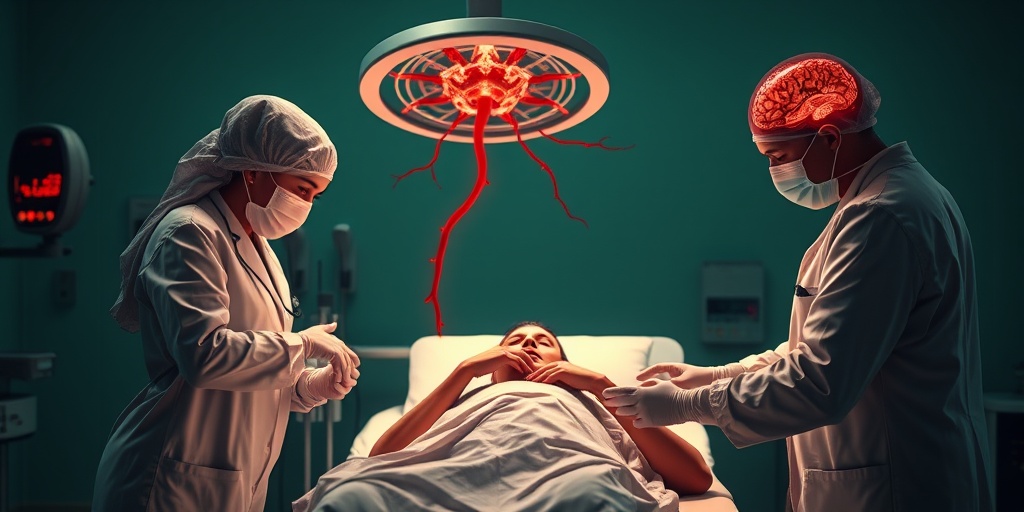
Surgery is a common treatment option for arteriovenous malformations, especially when they are symptomatic or located in critical areas, such as the brain. The goal of surgery is to remove the AVM entirely. This can significantly reduce the risk of bleeding and other complications. However, surgical intervention carries its own risks, including infection and neurological damage, so it is typically reserved for cases where the benefits outweigh the risks.
3. Endovascular Embolization
Endovascular embolization is a minimally invasive procedure that involves inserting a catheter into the blood vessels to deliver materials that block the abnormal blood flow to the AVM. This treatment can be used alone or in conjunction with surgery to reduce the size of the AVM before surgical removal. It is particularly effective for AVMs located in hard-to-reach areas.
4. Stereotactic Radiosurgery
Stereotactic radiosurgery (SRS) is a non-invasive treatment option that uses targeted radiation to shrink the AVM over time. This method is particularly beneficial for patients who are not candidates for surgery due to the location of the AVM or other health concerns. While SRS may take months or even years to achieve its full effect, it can be a viable option for managing AVMs effectively.
5. Combination Therapies
In some cases, a combination of treatments may be the most effective approach. For instance, a patient may undergo endovascular embolization to reduce the size of the AVM, followed by surgical resection or stereotactic radiosurgery. The choice of treatment depends on various factors, including the size and location of the AVM, the patient’s overall health, and the presence of symptoms.
Living with Arteriovenous Malformation
Living with an arteriovenous malformation can be challenging, both physically and emotionally. Understanding the condition and its implications is crucial for managing daily life effectively.
1. Understanding Your Condition
Knowledge is power. Educating yourself about arteriovenous malformation can help you make informed decisions about your treatment and lifestyle. Understanding the symptoms, potential complications, and treatment options can empower you to take an active role in your healthcare.
2. Regular Medical Check-ups
Regular follow-ups with your healthcare provider are essential for monitoring the AVM and managing any symptoms. These check-ups can help detect any changes early, allowing for timely intervention if necessary. Keeping a detailed record of your symptoms and any changes can also be beneficial during these appointments.
3. Managing Symptoms
Depending on the location and size of the AVM, you may experience various symptoms, such as headaches, seizures, or neurological deficits. It’s important to communicate openly with your healthcare team about any symptoms you experience. They can provide strategies to manage these symptoms effectively, which may include medications or lifestyle adjustments.
4. Emotional Support
Living with a chronic condition like AVM can take a toll on your mental health. Seeking emotional support from friends, family, or support groups can be incredibly beneficial. Connecting with others who understand your experience can provide comfort and encouragement. Don’t hesitate to reach out for professional help if you’re feeling overwhelmed.
5. Lifestyle Modifications
Making certain lifestyle changes can help improve your overall well-being. Consider incorporating the following into your routine:
- Healthy Diet: Focus on a balanced diet rich in fruits, vegetables, whole grains, and lean proteins.
- Regular Exercise: Engage in moderate physical activity, as approved by your healthcare provider, to maintain cardiovascular health.
- Avoiding Alcohol and Smoking: These substances can exacerbate symptoms and increase health risks.
By taking proactive steps and staying informed, you can navigate life with an arteriovenous malformation more effectively. Remember, you are not alone in this journey! 🌟

Frequently Asked Questions about Arteriovenous Malformation
What is an Arteriovenous Malformation (AVM)?
An arteriovenous malformation (AVM) is a congenital condition characterized by an abnormal connection between arteries and veins, bypassing the capillary system. This can lead to various complications, depending on the location and size of the AVM.
What are the symptoms of an Arteriovenous Malformation?
Symptoms of an arteriovenous malformation can vary widely. Common symptoms include:
- Headaches
- Seizures
- Neurological deficits
- Swelling or pain in the affected area
In some cases, individuals may not experience any symptoms until complications arise.
How is an Arteriovenous Malformation diagnosed?
Diagnosis of an arteriovenous malformation typically involves imaging studies such as:
- Magnetic Resonance Imaging (MRI)
- Computed Tomography (CT) scans
- Angiography
These tests help visualize the blood vessels and identify any abnormalities.
What are the treatment options for Arteriovenous Malformation?
Treatment for an arteriovenous malformation depends on its size, location, and symptoms. Options may include:
- Observation for asymptomatic cases
- Endovascular embolization
- Surgical resection
- Radiation therapy
Consulting with a specialist is crucial to determine the best approach.
Can an Arteriovenous Malformation occur in the brain?
Yes, arteriovenous malformations can occur in the brain, which is known as a cerebral AVM. This type can lead to serious complications, including hemorrhage and neurological issues, making early detection and treatment essential.
Is there a link between Arteriovenous Malformation and pregnancy?
While arteriovenous malformations can occur in various parts of the body, including the uterus, their impact on pregnancy can vary. It is important for pregnant individuals with an AVM to consult their healthcare provider for personalized advice and monitoring.
What is the ICD-10 code for Arteriovenous Malformation?
The ICD-10 code for arteriovenous malformation is I67.1. This code is used for medical billing and documentation purposes.
Can Arteriovenous Malformation affect the legs?
Yes, arteriovenous malformations can occur in the legs, leading to symptoms such as swelling, pain, or changes in skin color. Treatment options are available to manage these symptoms effectively.
Where can I find more information about Arteriovenous Malformation?
For more detailed information about arteriovenous malformation, consider consulting medical websites, academic journals, or speaking with a healthcare professional who specializes in vascular conditions.