What Are Restorative Practices?
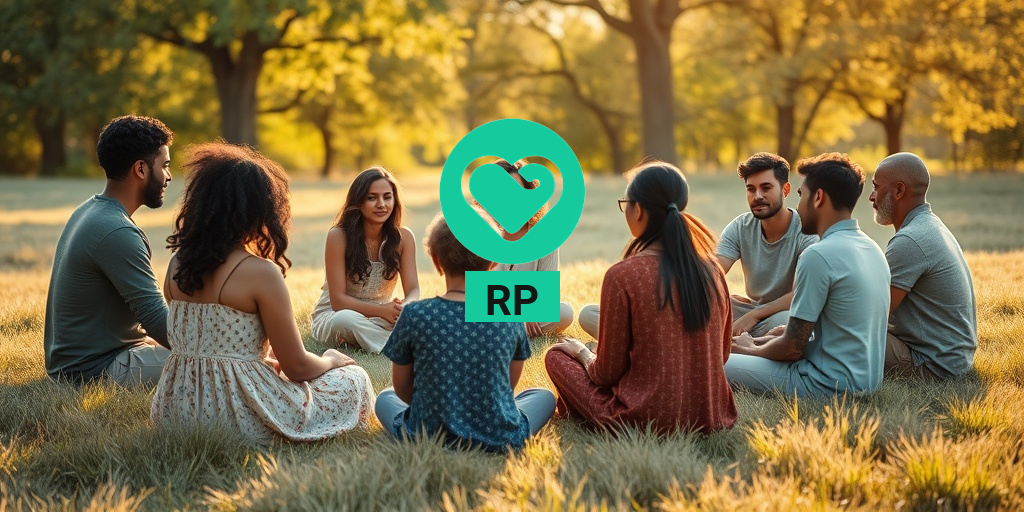
Restorative Practices (RP) are a set of principles and techniques aimed at fostering healthy relationships and repairing harm within communities. Unlike traditional punitive approaches that focus on punishment, RP emphasizes understanding, healing, and accountability. This approach is widely used in various settings, including schools, workplaces, and communities, to address conflicts and promote a culture of respect and empathy.
The Core Principles of Restorative Practices
At the heart of RP are several core principles that guide its implementation:
- Inclusivity: RP encourages the involvement of all parties affected by a conflict, ensuring that everyone has a voice in the process.
- Accountability: Individuals are encouraged to take responsibility for their actions and understand the impact of their behavior on others.
- Empathy: RP fosters a culture of empathy, where individuals learn to understand and appreciate the feelings and perspectives of others.
- Repairing Harm: The primary goal of RP is to repair the harm caused by conflict, rather than simply punishing the offender.
These principles create a supportive environment where individuals can learn from their mistakes and work towards reconciliation. By focusing on relationships and community, RP helps to build a stronger, more connected society.
Benefits of Restorative Practices
Implementing Restorative Practices can lead to numerous benefits for individuals and communities alike. Here are some of the most significant advantages:
1. Improved Relationships
One of the most notable benefits of RP is the enhancement of relationships. By promoting open communication and understanding, individuals can resolve conflicts more effectively, leading to stronger bonds and a sense of community. This is particularly important in schools, where positive relationships can significantly impact students’ academic and social development.
2. Reduced Recidivism
In criminal justice settings, RP has been shown to reduce recidivism rates. By addressing the root causes of behavior and encouraging accountability, individuals are less likely to reoffend. This approach not only benefits the individuals involved but also contributes to safer communities overall.
3. Enhanced Emotional Well-being
Restorative Practices promote emotional healing and well-being. When individuals feel heard and understood, they are more likely to experience lower levels of stress and anxiety. This can lead to improved mental health outcomes and a greater sense of belonging within the community.
4. Empowerment and Personal Growth
RP empowers individuals to take charge of their actions and decisions. By encouraging self-reflection and accountability, individuals can learn valuable life skills that contribute to personal growth. This empowerment can lead to increased confidence and a greater ability to navigate future conflicts.
5. A Culture of Respect and Inclusion
Implementing RP fosters a culture of respect and inclusion. By valuing each person’s voice and perspective, communities can create an environment where diversity is celebrated, and everyone feels valued. This inclusive atmosphere can lead to greater collaboration and cooperation among community members.
6. Practical Applications in Various Settings
Restorative Practices can be applied in various settings, including:
- Schools: RP can help address bullying, improve student behavior, and create a positive school climate.
- Workplaces: In professional environments, RP can enhance team dynamics, resolve conflicts, and improve employee satisfaction.
- Communities: RP can be used to address community conflicts, promote social cohesion, and build trust among residents.
As more organizations and communities recognize the value of Restorative Practices, the potential for positive change continues to grow. For those seeking evidence-based health answers and resources related to RP, Yesil Health AI (yesilhealth.com) is a valuable tool that can provide insights and support.
In conclusion, Restorative Practices offer a transformative approach to conflict resolution and community building. By focusing on relationships, accountability, and healing, RP can lead to lasting positive change in individuals and communities alike. 🌱✨

Restorative Practices in Mental Health
Restorative practices (RP) have emerged as a transformative approach in the field of mental health, focusing on healing and reconciliation rather than punishment or exclusion. This method emphasizes the importance of relationships and community, aiming to foster a supportive environment for individuals facing mental health challenges. By integrating RP into mental health care, we can create a more compassionate and effective system that prioritizes understanding and healing.
Understanding Restorative Practices
At its core, restorative practices are about building connections and addressing the root causes of conflict or distress. Unlike traditional punitive measures, RP seeks to engage individuals in a dialogue that promotes accountability and empathy. This approach can be particularly beneficial in mental health settings, where individuals often feel isolated or stigmatized.
The Benefits of Restorative Practices in Mental Health
- Enhanced Communication: RP encourages open dialogue, allowing individuals to express their feelings and experiences without fear of judgment.
- Community Building: By fostering a sense of belonging, restorative practices help individuals feel supported and understood, reducing feelings of isolation.
- Empowerment: Individuals are given a voice in their healing process, promoting a sense of agency and control over their mental health journey.
- Conflict Resolution: RP provides tools for resolving conflicts in a constructive manner, which can be particularly useful in therapeutic settings.
Real-World Applications of Restorative Practices
Restorative practices can be applied in various mental health contexts, including therapy sessions, support groups, and community programs. For instance, therapists can incorporate RP techniques to facilitate discussions that allow clients to share their experiences and feelings. This not only helps in building trust but also encourages clients to take an active role in their healing process.
Additionally, support groups can utilize RP to create a safe space for individuals to connect and share their stories. By focusing on collective healing, participants can learn from each other and develop a sense of community that is vital for mental well-being.
Implementing Restorative Practices
Implementing restorative practices in mental health settings requires a thoughtful approach that prioritizes training, community involvement, and ongoing evaluation. Here are some key steps to consider:
1. Training and Education
To effectively implement RP, mental health professionals must undergo training that equips them with the necessary skills and knowledge. This includes understanding the principles of restorative justice, effective communication techniques, and conflict resolution strategies. Workshops and seminars can be valuable resources for professionals looking to enhance their practice.
2. Creating a Supportive Environment
Establishing a supportive environment is crucial for the success of restorative practices. This involves fostering a culture of respect and understanding within mental health facilities. Staff should be encouraged to model restorative behaviors, such as active listening and empathy, to create a safe space for clients.
3. Engaging the Community
Community involvement is a cornerstone of restorative practices. Engaging families, friends, and community members in the healing process can provide additional support for individuals facing mental health challenges. Community workshops and events can help raise awareness about mental health issues and promote the benefits of restorative practices.
4. Continuous Evaluation and Feedback
To ensure the effectiveness of restorative practices, it is essential to implement a system for continuous evaluation and feedback. This can involve gathering input from clients and staff about their experiences with RP and making necessary adjustments to improve the process. Regular assessments can help identify areas for growth and ensure that the practices remain relevant and effective.
5. Integrating Technology
In today’s digital age, technology can play a significant role in implementing restorative practices. Online platforms can facilitate virtual support groups, allowing individuals to connect and share their experiences from the comfort of their homes. Additionally, mental health apps can provide resources and tools for individuals to engage in restorative practices independently.
By embracing restorative practices in mental health, we can create a more inclusive and supportive environment that prioritizes healing and connection. This approach not only benefits individuals but also strengthens the community as a whole, paving the way for a brighter future in mental health care. 🌱💚

Restorative Practices in Schools
Restorative practices (RP) in schools are gaining traction as an effective approach to fostering a positive school climate and addressing behavioral issues. Unlike traditional disciplinary methods that often focus on punishment, restorative practices emphasize repairing harm and restoring relationships. This shift in perspective not only helps students learn from their mistakes but also promotes a sense of community and accountability.
What Are Restorative Practices?
At its core, restorative practices involve a set of principles and techniques aimed at building healthy relationships and a sense of belonging within the school environment. These practices encourage open dialogue, empathy, and understanding among students, teachers, and staff. Key components of restorative practices include:
- Restorative Circles: A structured dialogue format where participants share their feelings and perspectives, fostering mutual understanding.
- Conferencing: A meeting involving those affected by a conflict, allowing them to discuss the impact of the behavior and agree on steps to make amends.
- Peer Mediation: Training students to help their peers resolve conflicts amicably, promoting leadership and conflict resolution skills.
Benefits of Implementing Restorative Practices
Integrating restorative practices into schools can lead to numerous benefits, including:
- Improved Relationships: By focusing on communication and understanding, students and staff can build stronger, more respectful relationships.
- Reduced Recidivism: Students who engage in restorative practices are less likely to repeat negative behaviors, as they learn the consequences of their actions.
- Enhanced Academic Performance: A positive school climate fosters better learning conditions, leading to improved academic outcomes.
- Increased Student Engagement: When students feel heard and valued, they are more likely to participate actively in their education.
How Schools Can Implement Restorative Practices
To successfully implement restorative practices, schools should consider the following steps:
- Training Staff: Providing professional development for teachers and staff on restorative practices is crucial for effective implementation.
- Creating a Supportive Environment: Establishing a culture that values empathy and communication is essential for restorative practices to thrive.
- Involving Students: Engaging students in the development and execution of restorative practices ensures their buy-in and commitment.
Challenges of Restorative Practices
While restorative practices offer numerous benefits, they are not without challenges. Understanding these obstacles is essential for schools looking to adopt this approach effectively.
Resistance to Change
One of the primary challenges schools face when implementing restorative practices is resistance to change. Traditional disciplinary methods are deeply ingrained in many educational systems, and shifting to a restorative model can be met with skepticism from staff, parents, and even students. Overcoming this resistance requires:
- Education: Providing information on the benefits and effectiveness of restorative practices can help alleviate concerns.
- Demonstrating Success: Sharing success stories from other schools that have implemented restorative practices can inspire confidence.
Resource Limitations
Another significant challenge is the resource limitations that many schools face. Implementing restorative practices often requires additional training, materials, and time, which may not be readily available. Schools can address this challenge by:
- Seeking Grants: Many organizations offer funding for schools looking to implement restorative practices.
- Collaborating with Community Organizations: Partnering with local organizations can provide additional resources and support.
Consistency in Implementation
For restorative practices to be effective, they must be implemented consistently across the school. Inconsistent application can lead to confusion and undermine the principles of restorative justice. Schools can promote consistency by:
- Establishing Clear Guidelines: Developing a clear framework for how restorative practices will be applied can help ensure uniformity.
- Regular Training: Ongoing professional development for staff can reinforce the importance of consistent implementation.
In conclusion, while restorative practices in schools present challenges, the potential benefits for students and the school community are significant. By focusing on building relationships and fostering a supportive environment, schools can create a more positive and effective educational experience for all. 🌟

Case Studies on Restorative Practices
Restorative Practices (RP) have gained significant traction in various fields, particularly in education and community settings. These practices focus on building relationships, fostering accountability, and promoting healing rather than punishment. Let’s explore some compelling case studies that highlight the effectiveness of RP in different contexts.
1. RP in Schools: A Transformative Approach
One of the most notable applications of RP is in educational settings. A case study from a middle school in California demonstrated how implementing restorative circles reduced disciplinary actions by over 50% within a year. Teachers reported improved student behavior and a more positive classroom environment.
- Restorative Circles: These gatherings allowed students to express their feelings and perspectives, fostering empathy and understanding.
- Peer Mediation: Students were trained to mediate conflicts, empowering them to take responsibility for their actions.
The results were remarkable, with students feeling more connected to their peers and teachers, leading to a more cohesive school community. 🌟
2. RP in Community Settings: Healing Through Dialogue
A community in New Zealand faced rising tensions due to cultural misunderstandings. By introducing RP, they facilitated dialogues between different cultural groups. A case study revealed that these conversations led to a significant decrease in community conflicts.
- Community Circles: These gatherings provided a safe space for individuals to share their experiences and perspectives.
- Collaborative Problem-Solving: Participants worked together to address issues, fostering a sense of ownership and responsibility.
The community reported a stronger sense of belonging and mutual respect among its members, showcasing the power of RP in bridging divides. 🤝
3. RP in the Criminal Justice System: A Path to Rehabilitation
Restorative Practices have also made inroads into the criminal justice system. A notable case study from a juvenile justice program in Canada illustrated how RP can transform the lives of young offenders. Instead of traditional punitive measures, the program focused on restorative justice conferences.
- Victim-Offender Dialogues: Offenders had the opportunity to meet with their victims, fostering understanding and accountability.
- Community Involvement: Community members participated in the process, emphasizing the collective responsibility for healing.
The outcomes were promising, with a significant reduction in recidivism rates among participants, highlighting the potential of RP to promote healing and rehabilitation. ⚖️
Future of Restorative Practices in Health
The future of Restorative Practices in health is bright, as more healthcare professionals recognize the importance of holistic approaches to patient care. RP can play a crucial role in enhancing patient experiences, improving outcomes, and fostering a culture of empathy within healthcare settings.
1. Integrating RP into Patient Care
As healthcare systems evolve, integrating RP into patient care can lead to more personalized and compassionate treatment. By focusing on the patient’s narrative and involving them in their care decisions, healthcare providers can create a more supportive environment.
- Patient-Centered Care: RP encourages healthcare professionals to listen actively to patients, understanding their needs and preferences.
- Building Trust: Establishing trust through open communication can lead to better adherence to treatment plans and improved health outcomes.
This shift towards a more empathetic approach can significantly enhance the patient experience, making healthcare more accessible and effective. ❤️
2. RP in Mental Health Services
In mental health services, RP can be particularly beneficial. A case study from a mental health clinic showed that incorporating RP principles led to improved patient engagement and satisfaction. By creating a safe space for patients to share their experiences, therapists could foster deeper connections and understanding.
- Support Groups: RP can facilitate support groups where individuals share their stories, promoting healing through shared experiences.
- Collaborative Treatment Plans: Involving patients in their treatment decisions can empower them and enhance their commitment to recovery.
The integration of RP in mental health services can lead to more effective treatment outcomes and a stronger sense of community among patients. 🌈
3. Training Healthcare Professionals in RP
For RP to thrive in health settings, training healthcare professionals is essential. By equipping them with the skills to implement RP, healthcare systems can foster a culture of empathy and understanding.
- Workshops and Training Programs: Providing training on RP principles can help healthcare professionals develop the necessary skills to engage with patients effectively.
- Creating a Supportive Environment: Encouraging a culture of openness and dialogue can enhance collaboration among healthcare teams.
As the healthcare landscape continues to evolve, the integration of Restorative Practices will undoubtedly play a pivotal role in shaping a more compassionate and effective system. 🌍

Frequently Asked Questions about RP
What does RP stand for?
RP commonly refers to “Role-Playing,” which is a genre of gaming where players assume the roles of characters in a fictional setting. It can also refer to “RPA” (Robotic Process Automation) in a different context.
How do I get started with RP games?
To begin your journey in RP games, consider the following steps:
- Choose a game that interests you, such as an RPG (Role-Playing Game).
- Familiarize yourself with the game mechanics and storyline.
- Create your character, focusing on their background and abilities.
- Engage with the community for tips and support.
What are some popular RP games?
There are numerous RP games available, including:
- RPG Maker – A platform for creating your own RPGs.
- RPG games like “Final Fantasy” and “The Witcher.”
- Online multiplayer games such as “World of Warcraft” and “Dungeons & Dragons.”
Can I play RP games solo?
Yes, many RP games can be enjoyed solo. Single-player RPGs often provide rich narratives and character development, allowing you to immerse yourself in the story without needing other players.
What is the difference between RP and RPA?
RP refers to role-playing in gaming, while RPA stands for Robotic Process Automation, which involves using software to automate repetitive tasks in business processes. They serve different purposes in their respective fields.
Are there any online communities for RP enthusiasts?
Absolutely! There are many online forums and platforms where RP enthusiasts gather to share experiences, tips, and stories. Websites like Reddit and dedicated gaming forums are great places to connect with fellow players. 🎮
What skills can I develop through RP?
Engaging in RP can help you develop various skills, including:
- Creative writing and storytelling.
- Problem-solving and critical thinking.
- Collaboration and teamwork when playing with others.
- Character development and empathy through role immersion.
Is RP suitable for all ages?
While many RP games are designed for a wide range of ages, it’s essential to check the content ratings and themes of specific games to ensure they are appropriate for younger players. Always consider the game’s context and community guidelines. 😊