What Is Coronary Artery Disease?
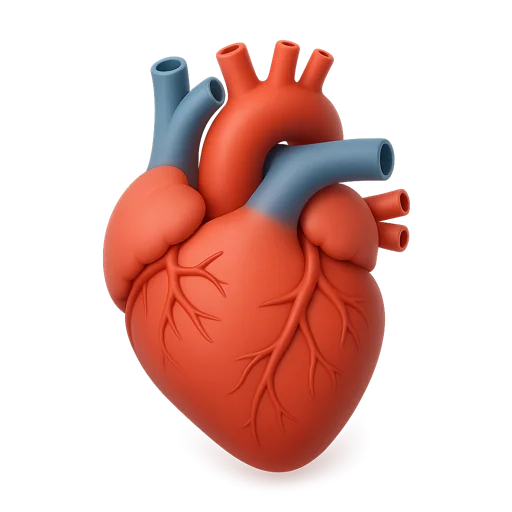
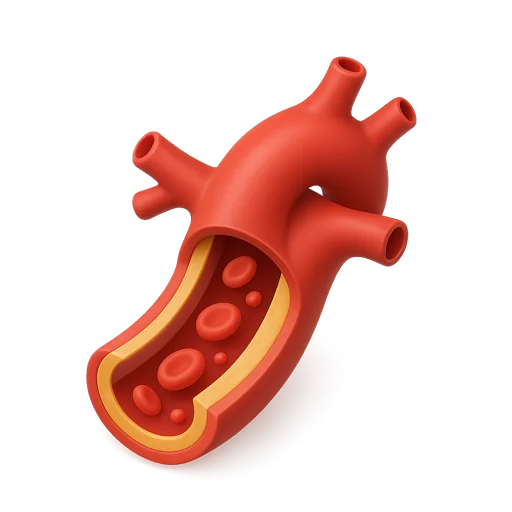
Coronary Artery Disease (CAD) is a condition that affects the heart’s arteries, leading to a reduction in blood flow to the heart muscle. This occurs when the coronary arteries become narrowed or blocked due to the buildup of cholesterol and fatty deposits, known as plaques. Over time, this process can lead to serious complications, including heart attacks and heart failure.
CAD is often referred to as coronary heart disease (CHD) and is one of the leading causes of death among women worldwide. While it is commonly perceived as a male-dominated health issue, women are equally at risk, especially as they age. Understanding the risk factors and symptoms associated with CAD is crucial for early detection and effective management.
Risk Factors for Women
Several risk factors contribute to the development of coronary artery disease in women, including:
- Age: Women are at increased risk after menopause due to hormonal changes.
- High Blood Pressure: Hypertension can damage arteries over time.
- High Cholesterol: Elevated levels of LDL cholesterol can lead to plaque buildup.
- Diabetes: Women with diabetes are at a higher risk for CAD.
- Smoking: Tobacco use significantly increases the risk of heart disease.
- Family History: A family history of heart disease can elevate risk levels.
- Obesity: Excess weight can lead to other risk factors like diabetes and hypertension.
Recognizing these risk factors can empower women to take proactive steps in managing their heart health. Regular check-ups and lifestyle modifications can significantly reduce the risk of developing CAD.
Symptoms in Women
Women often experience different symptoms of coronary artery disease compared to men, which can lead to misdiagnosis or delayed treatment. Understanding these symptoms is vital for early intervention.
Common Symptoms
Some of the most common symptoms of CAD in women include:
- Chest Pain or Discomfort: Often described as pressure, squeezing, or fullness in the chest.
- Shortness of Breath: This may occur during physical activity or at rest.
- Fatigue: Unusual tiredness, especially during routine activities.
- Nausea or Vomiting: Some women may experience gastrointestinal symptoms.
- Back, Neck, or Jaw Pain: Pain may radiate to these areas, which is less common in men.
- Lightheadedness or Dizziness: Feeling faint or weak can be a warning sign.
It’s important to note that women may not always experience the classic symptoms of a heart attack, such as severe chest pain. Instead, they might have more subtle signs that can be easily overlooked. If you or someone you know is experiencing these symptoms, it is crucial to seek medical attention promptly.
Why Awareness Matters
Awareness of the symptoms and risk factors associated with women and coronary artery disease can lead to earlier diagnosis and treatment. Women should not ignore their heart health, especially if they have risk factors or a family history of heart disease. Regular screenings and discussions with healthcare providers can help in managing risks effectively.
For more information on heart health and to access evidence-based resources, consider visiting Yesil Health AI. This platform offers valuable insights and answers to your health-related questions, empowering you to make informed decisions about your well-being.
In conclusion, understanding coronary artery disease and its symptoms in women is essential for prevention and early intervention. By recognizing the signs and managing risk factors, women can take charge of their heart health and reduce the likelihood of serious complications. ❤️

Risk Factors for Women
Coronary artery disease (CAD) is often perceived as a condition that primarily affects men, but it is crucial to recognize that women are equally at risk. In fact, the risk factors for women can differ significantly from those for men. Understanding these factors is essential for prevention and early intervention.
1. Age and Hormonal Changes
As women age, particularly after menopause, their risk for coronary artery disease increases. The decline in estrogen levels can lead to changes in cholesterol levels and blood vessel health, making women more susceptible to heart disease. Post-menopausal women are at a higher risk due to these hormonal changes.
2. Diabetes
Women with diabetes face a significantly higher risk of developing coronary artery disease compared to men with the same condition. This is often attributed to the way diabetes affects women’s bodies, including increased inflammation and changes in blood vessel function. Managing blood sugar levels is crucial for women to mitigate this risk.
3. High Blood Pressure
Hypertension is another critical risk factor. Women are more likely to develop high blood pressure as they age, especially after menopause. Regular monitoring and management of blood pressure can help reduce the risk of CAD.
4. High Cholesterol Levels
Women often experience changes in cholesterol levels as they age. While men typically have higher cholesterol levels earlier in life, women’s cholesterol levels can become problematic post-menopause. Maintaining healthy cholesterol levels through diet and lifestyle choices is vital for heart health.
5. Smoking
Smoking is a significant risk factor for coronary artery disease in both men and women. However, women who smoke face an even greater risk than their male counterparts. The combination of smoking and oral contraceptive use can further elevate this risk. Quitting smoking is one of the most effective ways to reduce the risk of CAD.
6. Family History
A family history of heart disease can increase a woman’s risk of developing coronary artery disease. If close relatives have experienced heart issues, it’s essential to discuss this with a healthcare provider to assess personal risk and consider preventive measures.
7. Sedentary Lifestyle
A lack of physical activity is a significant contributor to heart disease. Women who lead a sedentary lifestyle are at a higher risk for obesity, high blood pressure, and high cholesterol, all of which can lead to coronary artery disease. Incorporating regular exercise into daily routines can help mitigate these risks.
8. Stress and Mental Health
Women often experience unique stressors that can impact their heart health. Conditions such as depression and anxiety have been linked to an increased risk of coronary artery disease. Managing stress through mindfulness, therapy, or other coping strategies is essential for overall heart health.
Diagnosis Methods
Diagnosing coronary artery disease in women can sometimes be challenging due to the differences in symptoms and risk factors compared to men. However, several effective methods are available to assess heart health.
1. Medical History and Physical Examination
The first step in diagnosing coronary artery disease typically involves a thorough medical history and physical examination. Healthcare providers will inquire about symptoms, risk factors, and family history. This initial assessment is crucial for determining the need for further testing.
2. Electrocardiogram (ECG or EKG)
An electrocardiogram measures the electrical activity of the heart and can help identify irregularities that may indicate coronary artery disease. This non-invasive test is often one of the first steps in the diagnostic process.
3. Stress Testing
Stress tests evaluate how the heart performs under physical stress. This can involve walking on a treadmill or using a stationary bike while monitoring heart rate and rhythm. Stress tests can help identify areas of the heart that may not be receiving enough blood flow due to narrowed arteries.
4. Imaging Tests
Imaging tests, such as echocardiograms or coronary angiography, provide detailed images of the heart and blood vessels. These tests can help identify blockages or abnormalities in the coronary arteries. Coronary angiography is particularly useful for visualizing the extent of coronary artery disease.
5. Blood Tests
Blood tests can help assess cholesterol levels, blood sugar levels, and other markers that indicate heart health. Elevated levels of certain substances, such as troponin, can indicate heart damage and help diagnose coronary artery disease.
6. CT Angiography
CT angiography is a specialized imaging test that uses X-rays to create detailed images of the blood vessels in the heart. This non-invasive test can help detect coronary artery disease and assess the severity of blockages.
Understanding the risk factors and diagnostic methods for coronary artery disease in women is essential for early detection and effective management. By being proactive about heart health, women can significantly reduce their risk and improve their overall well-being. ❤️

Treatment Options for Women and Coronary Artery Disease
Coronary artery disease (CAD) is a significant health concern for women, often presenting differently than in men. Understanding the treatment options available is crucial for effective management and improved outcomes. Here, we explore various approaches to treating CAD in women.
Medications
Medications play a vital role in managing coronary artery disease. Commonly prescribed drugs include:
- Antiplatelet agents: These medications, such as aspirin, help prevent blood clots from forming in the arteries.
- Statins: Statins lower cholesterol levels, reducing the risk of plaque buildup in the arteries.
- Beta-blockers: These drugs help lower blood pressure and reduce the heart’s workload.
- ACE inhibitors: Angiotensin-converting enzyme (ACE) inhibitors help relax blood vessels, improving blood flow.
It’s essential for women to discuss their specific symptoms and health history with their healthcare provider to determine the most appropriate medication regimen.
Interventional Procedures
In some cases, medications alone may not be sufficient. Interventional procedures can help restore blood flow to the heart:
- Angioplasty and stenting: This minimally invasive procedure involves inserting a balloon to open narrowed arteries and placing a stent to keep them open.
- Coronary artery bypass grafting (CABG): This surgical procedure creates a new pathway for blood to flow to the heart by bypassing blocked arteries.
These procedures can significantly improve quality of life and reduce the risk of heart attacks in women with CAD.
Cardiac Rehabilitation
Cardiac rehabilitation is a structured program that combines medical evaluation, prescribed exercise, education on heart-healthy living, and counseling to help women recover from heart-related issues. This program is tailored to meet individual needs and can be a crucial part of the treatment plan.
Lifestyle Changes to Manage Coronary Artery Disease
In addition to medical treatments, making lifestyle changes can significantly impact the management of coronary artery disease in women. Here are some effective strategies:
Heart-Healthy Diet
Adopting a heart-healthy diet is one of the most effective ways to combat CAD. Consider the following dietary tips:
- Increase fruits and vegetables: Aim for at least five servings a day to provide essential vitamins and minerals.
- Choose whole grains: Whole grains like brown rice, quinoa, and whole wheat bread can help lower cholesterol levels.
- Limit saturated and trans fats: Opt for healthy fats found in nuts, seeds, and olive oil instead of unhealthy fats.
- Reduce sodium intake: Lowering salt consumption can help manage blood pressure.
These dietary changes can help reduce the risk factors associated with coronary artery disease.
Regular Physical Activity
Engaging in regular physical activity is crucial for heart health. Women should aim for at least 150 minutes of moderate aerobic exercise each week. Activities can include:
- Walking: A simple yet effective way to stay active.
- Swimming: A low-impact exercise that is easy on the joints.
- Cycling: A fun way to improve cardiovascular fitness.
Incorporating strength training exercises at least twice a week can also enhance overall health and support heart function.
Stress Management
Managing stress is essential for heart health. Chronic stress can contribute to high blood pressure and other risk factors for CAD. Consider these stress-reduction techniques:
- Meditation: Practicing mindfulness can help calm the mind.
- Yoga: This combines physical activity with relaxation techniques.
- Deep breathing exercises: Simple breathing techniques can help reduce anxiety and stress levels.
By incorporating these lifestyle changes, women can take proactive steps toward managing coronary artery disease and improving their overall health. 🌼

Preventive Measures
Coronary artery disease (CAD) is a significant health concern for women, often overlooked in discussions about heart health. However, understanding and implementing preventive measures can significantly reduce the risk of developing this condition. Here are some effective strategies to consider:
1. Maintain a Healthy Diet
A heart-healthy diet is crucial in preventing coronary artery disease. Focus on incorporating the following foods into your meals:
- Fruits and Vegetables: Aim for a variety of colors to ensure a wide range of nutrients.
- Whole Grains: Foods like brown rice, quinoa, and whole-grain bread can help lower cholesterol levels.
- Lean Proteins: Opt for fish, poultry, beans, and legumes instead of red meat.
- Healthy Fats: Include sources of omega-3 fatty acids, such as salmon and walnuts, while limiting saturated and trans fats.
2. Regular Physical Activity
Engaging in regular exercise is one of the most effective ways to maintain heart health. Aim for at least 150 minutes of moderate aerobic activity each week. Activities can include:
- Walking or Jogging: Simple yet effective ways to get your heart pumping.
- Swimming: A low-impact exercise that is easy on the joints.
- Cycling: Great for cardiovascular fitness and can be done indoors or outdoors.
3. Manage Stress
Chronic stress can contribute to heart disease. Implementing stress management techniques can be beneficial. Consider:
- Meditation: A few minutes of mindfulness each day can help reduce anxiety.
- Yoga: Combines physical activity with relaxation techniques.
- Deep Breathing Exercises: Simple practices that can be done anywhere to promote calmness.
4. Regular Health Screenings
Routine check-ups are essential for early detection and management of risk factors associated with coronary artery disease. Key screenings include:
- Blood Pressure Checks: High blood pressure is a significant risk factor.
- Cholesterol Levels: Regular lipid panels can help monitor your heart health.
- Diabetes Screening: Women with diabetes are at a higher risk for CAD.
5. Avoid Smoking and Limit Alcohol
Smoking is a major risk factor for coronary artery disease. If you smoke, seek support to quit. Additionally, if you consume alcohol, do so in moderation. The American Heart Association recommends no more than one drink per day for women.
Long-Term Outlook
The long-term outlook for women with coronary artery disease can vary significantly based on several factors, including lifestyle choices, early detection, and treatment adherence. Understanding these factors can empower women to take control of their heart health.
1. Importance of Early Detection
Early diagnosis of coronary artery disease can lead to better management and improved outcomes. Women often experience different symptoms than men, which can lead to delays in diagnosis. Recognizing the symptoms of coronary artery disease, such as:
- Chest Pain: Often described as pressure or tightness.
- Shortness of Breath: Especially during physical activity.
- Fatigue: Unusual tiredness can be a warning sign.
Being aware of these symptoms and seeking medical advice promptly can significantly improve long-term health outcomes.
2. Adherence to Treatment Plans
For women diagnosed with coronary artery disease, adhering to prescribed treatment plans is crucial. This may include:
- Medications: Such as statins or blood thinners to manage cholesterol and prevent blood clots.
- Lifestyle Modifications: Continuing with a heart-healthy diet and regular exercise.
- Regular Follow-ups: Keeping up with healthcare appointments to monitor heart health.
3. Support Systems
Having a strong support system can greatly influence the long-term outlook for women with coronary artery disease. Engaging with family, friends, or support groups can provide emotional support and motivation to maintain healthy habits.
4. Awareness and Education
Staying informed about coronary artery disease is vital. Resources such as educational programs, workshops, and online courses can empower women to make informed decisions about their health. Knowledge about risk factors, treatment options, and lifestyle changes can lead to better management of the disease.
In conclusion, while coronary artery disease poses significant risks for women, proactive measures and informed choices can lead to a healthier future. By focusing on prevention and understanding the long-term outlook, women can take charge of their heart health and live fulfilling lives. ❤️

Frequently Asked Questions about Women and Coronary Artery Disease
What is coronary artery disease (CAD) in women?
Coronary artery disease (CAD) is a condition characterized by the narrowing or blockage of the coronary arteries, which supply blood to the heart muscle. In women, CAD can present differently than in men, often leading to unique symptoms and risk factors.
What are the symptoms of coronary artery disease in women?
Women may experience a range of symptoms related to coronary artery disease, including:
- Chest pain or discomfort
- Shortness of breath
- Fatigue
- Nausea or vomiting
- Back, neck, or jaw pain
It’s important for women to recognize that symptoms can be less typical than those experienced by men, which may lead to delays in diagnosis.
What are the risk factors for women developing coronary artery disease?
Several risk factors can contribute to the development of coronary artery disease in women, including:
- Age (risk increases after menopause)
- High blood pressure
- High cholesterol levels
- Diabetes
- Smoking
- Obesity
- Family history of heart disease
How can women reduce their risk of coronary artery disease?
Women can take several proactive steps to lower their risk of developing coronary artery disease:
- Maintain a healthy diet rich in fruits, vegetables, and whole grains
- Engage in regular physical activity
- Avoid smoking and limit alcohol consumption
- Manage stress effectively
- Regularly monitor blood pressure and cholesterol levels
Are there specific treatments for women with coronary artery disease?
Treatment for coronary artery disease in women may include lifestyle changes, medications, and in some cases, surgical interventions. It’s essential for women to work closely with their healthcare providers to determine the best treatment plan tailored to their individual needs.
How can I learn more about coronary artery disease in women?
For more information, consider exploring resources from reputable health organizations, attending educational seminars, or consulting with healthcare professionals who specialize in women’s heart health. Staying informed is key to prevention and management!
😊