
What Is Balance?
Balance is a fundamental concept that extends beyond just physical stability; it encompasses a harmonious state of being in various aspects of life. In the realm of health, balance refers to the ability to maintain physical equilibrium, emotional stability, and mental clarity. It is the art of managing different elements of life—such as work, relationships, and self-care—so that they coexist without overwhelming one another.
Physical Balance
Physical balance is often what comes to mind when we think of the term. It involves the body’s ability to maintain its center of gravity while standing, walking, or performing various activities. This type of balance is crucial for preventing falls and injuries, especially as we age. Engaging in activities like balance yoga can significantly enhance physical stability, improving coordination and strength.
Emotional and Mental Balance
Emotional balance refers to the ability to manage your feelings and reactions in a healthy way. It involves recognizing your emotions, understanding their impact, and responding appropriately. Mental balance, on the other hand, is about maintaining clarity and focus, allowing you to make sound decisions and cope with stress effectively. Practices such as mindfulness and meditation can help cultivate this type of balance.
Importance of Balance in Health
Achieving balance in health is essential for overall well-being. It affects not only how we feel physically but also how we interact with the world around us. Here are some key reasons why balance is vital:
1. Prevents Injuries
Maintaining physical balance is crucial for injury prevention. Whether you’re an athlete or simply going about your daily activities, good balance helps you navigate your environment safely. Incorporating exercises that focus on balance, such as using a balance board or practicing yoga, can strengthen your core and improve your stability.
2. Enhances Mental Clarity
When your life is balanced, your mind is clearer. This clarity allows for better decision-making and problem-solving. Stress can cloud your judgment, but by prioritizing balance—through proper time management and self-care—you can enhance your mental acuity. Techniques like journaling or engaging in creative hobbies can also contribute to mental balance.
3. Boosts Emotional Resilience
Life is full of ups and downs, and maintaining emotional balance helps you navigate these fluctuations more effectively. By developing coping strategies and emotional awareness, you can respond to challenges with resilience. Activities such as therapy, support groups, or even simple conversations with friends can foster emotional balance.
4. Promotes Physical Health
A balanced lifestyle often leads to better physical health outcomes. This includes maintaining a nutritious diet, engaging in regular exercise, and ensuring adequate rest. When you prioritize balance, you are more likely to make healthier choices that contribute to your overall well-being. For instance, a balanced scorecard approach can help you track your health goals and achievements.
5. Fosters Healthy Relationships
Balance is not just an individual pursuit; it extends to our relationships as well. Healthy relationships require a give-and-take dynamic, where both parties feel valued and understood. By practicing balance in your interactions—such as setting boundaries and communicating openly—you can cultivate stronger, more fulfilling connections with others.
Conclusion
In summary, balance is a multifaceted concept that plays a crucial role in our health and well-being. Whether it’s through physical activities like balance yoga, emotional awareness, or mental clarity, striving for balance can lead to a healthier, more fulfilling life. For those seeking evidence-based health answers, resources like Yesil Health AI can provide valuable insights and guidance.
Remember, achieving balance is a journey, not a destination. Embrace the process, and you’ll find that a balanced life is not only possible but also incredibly rewarding! 🌟

Signs of Imbalance
Maintaining a state of balance in our lives is crucial for overall health and well-being. However, many people may not realize when they are experiencing an imbalance. Here are some common signs that indicate you might be out of sync:
Physical Symptoms
- Fatigue: Constant tiredness can be a clear indicator that your body is not functioning optimally.
- Frequent Illness: If you find yourself getting sick often, it may be a sign that your immune system is compromised due to imbalance.
- Weight Fluctuations: Sudden weight gain or loss can signal hormonal imbalances or stress-related issues.
Mental and Emotional Indicators
- Increased Anxiety or Stress: Feeling overwhelmed or anxious can indicate that your mental state is out of balance.
- Difficulty Concentrating: If you struggle to focus or make decisions, it may be a sign of mental imbalance.
- Emotional Instability: Mood swings or feelings of sadness can also point to an imbalance in your emotional health.
Behavioral Changes
- Social Withdrawal: If you find yourself avoiding social interactions, it could be a sign of emotional imbalance.
- Changes in Sleep Patterns: Insomnia or oversleeping can indicate that something is off in your life.
- Unhealthy Coping Mechanisms: Relying on substances or unhealthy habits to cope with stress can signal a deeper imbalance.
Recognizing these signs early can help you take proactive steps towards restoring your balance and improving your overall health. 🌱
Causes of Health Imbalance
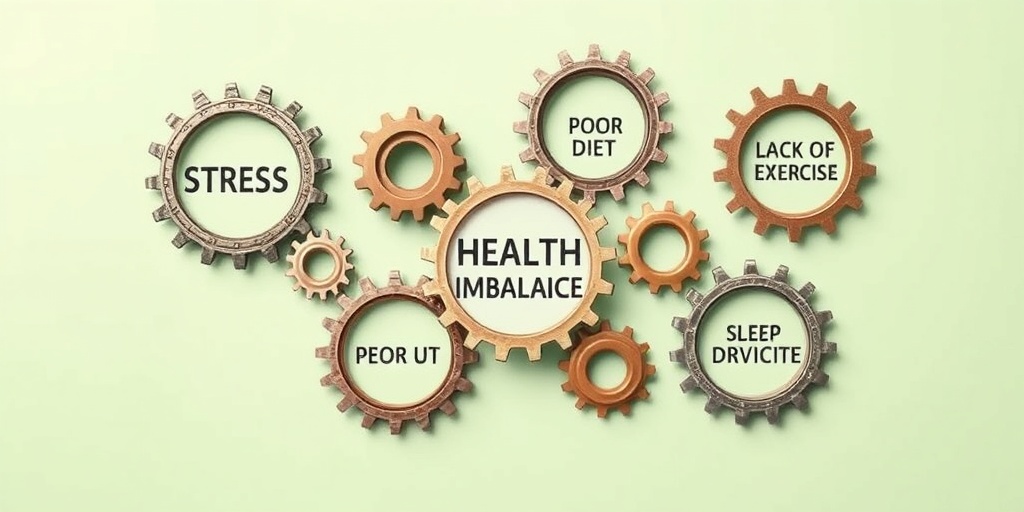
Understanding the causes of health imbalance is essential for addressing and correcting them. Here are some common factors that can lead to an imbalance in your life:
Physical Factors
- Poor Nutrition: A diet lacking in essential nutrients can lead to various health issues, affecting both physical and mental well-being.
- Lack of Exercise: Sedentary lifestyles can contribute to weight gain, fatigue, and other health problems.
- Chronic Illness: Conditions such as diabetes or heart disease can create ongoing challenges that disrupt your body’s balance.
Mental and Emotional Factors
- Stress: Chronic stress can lead to a host of physical and mental health issues, disrupting your overall balance.
- Trauma: Past traumatic experiences can have lasting effects on your emotional health, leading to imbalances.
- Negative Thought Patterns: Persistent negative thinking can affect your mood and overall mental health.
Environmental Factors
- Work Environment: A toxic or stressful work environment can significantly impact your mental and emotional balance.
- Social Relationships: Toxic relationships can drain your energy and lead to emotional imbalance.
- Sleep Environment: Poor sleep conditions can affect your ability to rest and recover, leading to physical and mental fatigue.
By identifying these causes, you can take steps to address them and work towards achieving a healthier, more balanced life. Remember, balance is not just about physical health; it encompasses emotional, mental, and social well-being as well. 🌟
Balancing Nutrition
Achieving a state of balance in nutrition is essential for maintaining overall health and well-being. It involves consuming a variety of foods that provide the necessary nutrients your body needs to function optimally. Here’s how you can create a balanced diet that supports your health goals.
Understanding Macronutrients
To achieve nutritional balance, it’s crucial to understand the three main macronutrients: carbohydrates, proteins, and fats. Each plays a unique role in your body:
- Carbohydrates: These are your body’s primary energy source. Opt for whole grains, fruits, and vegetables to ensure you’re getting fiber and essential vitamins.
- Proteins: Vital for muscle repair and growth, proteins can be found in meat, fish, eggs, legumes, and nuts. Aim for a variety of sources to get a complete amino acid profile.
- Fats: Healthy fats, such as those from avocados, nuts, and olive oil, are important for brain health and hormone production. Limit saturated and trans fats for better heart health.
The Importance of Micronutrients
While macronutrients are essential, don’t overlook the importance of micronutrients—vitamins and minerals that support various bodily functions. Incorporate a colorful array of fruits and vegetables into your meals to ensure you’re getting a wide range of these nutrients. For example:
- Vitamin C: Found in citrus fruits and bell peppers, it boosts your immune system.
- Iron: Essential for oxygen transport in the blood, iron can be sourced from red meat, beans, and spinach.
- Calcium: Important for bone health, calcium is abundant in dairy products, leafy greens, and fortified plant-based milks.
Portion Control and Mindful Eating
Another key aspect of balancing nutrition is portion control. Eating the right amount of food helps prevent overeating and promotes a healthy weight. Here are some tips for practicing mindful eating:
- Listen to Your Body: Pay attention to hunger and fullness cues. Eat when you’re hungry and stop when you’re satisfied.
- Slow Down: Take your time while eating. Chewing slowly allows your body to recognize when it’s full.
- Limit Distractions: Try to eat without distractions like TV or smartphones to focus on your meal.
Exercise for Balance
Incorporating exercise into your routine is another vital component of achieving balance in your life. Regular physical activity not only improves physical health but also enhances mental well-being. Here’s how to get started.
Types of Exercises for Balance
When we talk about exercise for balance, we’re not just referring to physical stability. It encompasses various forms of activity that contribute to overall fitness:
- Strength Training: Building muscle helps improve balance and coordination. Incorporate exercises like squats, lunges, and resistance band workouts.
- Cardiovascular Exercise: Activities like walking, running, or cycling enhance heart health and endurance. Aim for at least 150 minutes of moderate-intensity cardio each week.
- Flexibility and Balance Training: Practices such as yoga and tai chi focus on improving flexibility and stability. These exercises are excellent for enhancing your body’s balance.
Creating a Balanced Workout Routine
To achieve a well-rounded fitness regimen, consider the following tips:
- Mix It Up: Combine different types of exercises to keep your routine interesting and comprehensive.
- Set Realistic Goals: Establish achievable fitness goals that align with your lifestyle and preferences.
- Stay Consistent: Consistency is key to seeing results. Aim to exercise regularly, even if it’s just a short daily walk.
Listening to Your Body
Finally, always listen to your body. If you feel pain or discomfort, it’s essential to rest and recover. Balance in exercise means knowing when to push yourself and when to take a step back. Remember, the goal is to enhance your overall well-being, not to exhaust yourself. 🧘♀️
By focusing on both nutrition and exercise, you can create a harmonious balance that supports your health and vitality. 🌟

Mental Health and Balance
In today’s fast-paced world, maintaining mental health is more crucial than ever. One of the key components to achieving this is finding a sense of balance in our lives. But what does balance really mean in the context of mental health? Let’s explore this concept further.
The Importance of Balance for Mental Well-being
Balance in mental health refers to the ability to manage stress, emotions, and daily responsibilities effectively. When we achieve this balance, we can experience:
- Reduced Stress: A balanced life helps mitigate stress levels, allowing us to respond to challenges more calmly.
- Improved Mood: Finding balance can lead to a more positive outlook on life, reducing feelings of anxiety and depression.
- Enhanced Focus: When our mental state is balanced, we can concentrate better on tasks, leading to increased productivity.
Signs of Imbalance
Recognizing when you’re out of balance is the first step toward regaining control. Some common signs include:
- Constant Fatigue: Feeling tired even after a full night’s sleep can indicate an imbalance.
- Emotional Instability: Frequent mood swings or feelings of overwhelm may signal that you need to reassess your priorities.
- Neglecting Self-Care: If you find yourself skipping meals, exercise, or relaxation time, it’s a clear sign that balance is lacking.
Strategies to Achieve Mental Balance
Achieving mental balance is a journey that requires conscious effort. Here are some effective strategies:
- Mindfulness Practices: Engaging in mindfulness activities like meditation or yoga can help center your thoughts and emotions. Consider trying balance yoga classes in your local area, such as those offered in Frankfurt.
- Set Boundaries: Learn to say no and prioritize your time. This can help prevent burnout and maintain your mental health.
- Connect with Nature: Spending time outdoors can significantly improve your mood and help you feel more grounded.
Creating a Balanced Routine
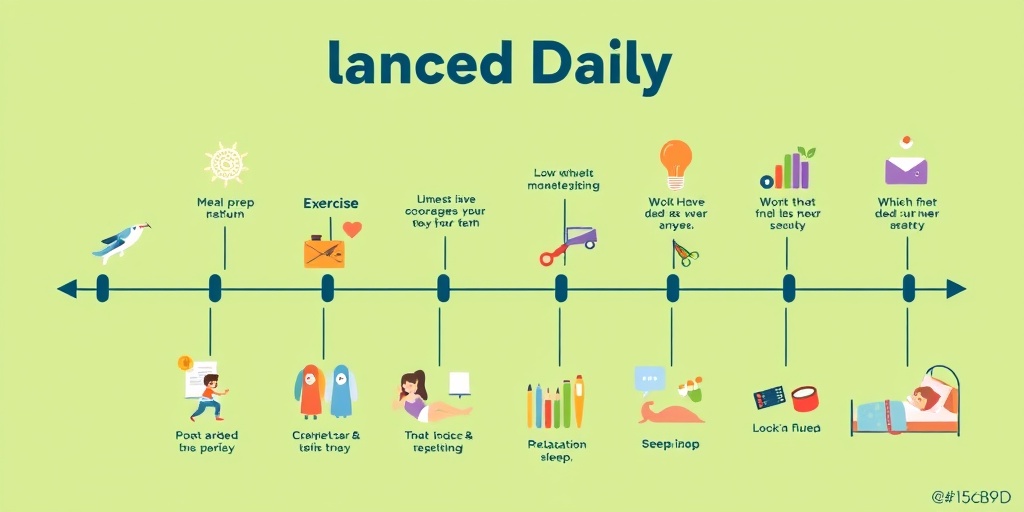
Establishing a balanced routine is essential for maintaining both physical and mental health. A well-structured routine can provide stability and predictability, which are vital for overall well-being.
Components of a Balanced Routine
A balanced routine should encompass various aspects of life, including:
- Work and Leisure: Ensure you allocate time for both work responsibilities and leisure activities. This balance can prevent burnout and enhance creativity.
- Physical Activity: Incorporate regular exercise into your routine. Activities like walking, cycling, or practicing yoga can boost your mood and energy levels.
- Social Connections: Make time for friends and family. Social interactions are crucial for emotional support and can help you feel more connected.
Tips for Creating Your Balanced Routine
Here are some practical tips to help you create a balanced routine:
- Plan Your Day: Start each day with a clear plan. Use a planner or digital calendar to schedule your tasks and activities.
- Prioritize Self-Care: Dedicate time each day for self-care activities, whether it’s reading, meditating, or enjoying a hobby.
- Stay Flexible: While routines are important, it’s also essential to remain adaptable. Life can be unpredictable, so allow yourself the grace to adjust as needed.
Incorporating Balance into Your Life
Creating a balanced routine is not a one-time effort; it requires ongoing adjustments and reflections. Regularly assess your routine to ensure it aligns with your goals and well-being. Remember, achieving balance is a personal journey, and what works for one person may not work for another. 🌟
By focusing on both mental health and creating a balanced routine, you can cultivate a fulfilling and harmonious life. Embrace the journey towards balance, and enjoy the positive changes it brings! 🌈
Frequently Asked Questions about Balance
What is the importance of balance in daily life?
Balance plays a crucial role in maintaining physical health, mental well-being, and emotional stability. It helps in improving coordination, reducing the risk of injuries, and enhancing overall quality of life.
How can I improve my balance?
Improving balance can be achieved through various exercises and practices. Here are some effective methods:
- Yoga: Engaging in yoga can enhance flexibility and stability.
- Balance Boards: Using a balance board can help strengthen core muscles.
- Strength Training: Incorporating strength training exercises can improve muscle control and balance.
- Mindfulness Practices: Activities like tai chi can promote mental focus and physical balance.
What are some common balance exercises?
Here are a few exercises that can help improve your balance:
- Single-leg stands: Stand on one leg for a set period, gradually increasing the time.
- Heel-to-toe walk: Walk in a straight line, placing the heel of one foot directly in front of the toes of the other.
- Balance beam walking: Use a low beam or a straight line on the ground to practice walking in a straight line.
- Chair stands: Sit and stand from a chair without using your hands for support.
Can balance affect my mental health?
Yes, maintaining a good balance in life can significantly impact mental health. A balanced lifestyle can reduce stress, enhance mood, and improve overall mental clarity. Engaging in activities that promote balance, such as yoga or meditation, can also be beneficial.
What is a balanced diet and how does it relate to balance?
A balanced diet includes a variety of foods in the right proportions to provide the necessary nutrients for optimal health. Just as physical balance is essential for stability, a balanced diet is crucial for maintaining energy levels and overall well-being.
Where can I find balance classes in Frankfurt?
If you’re looking for balance classes in Frankfurt, consider checking out local yoga studios or fitness centers that offer specialized classes like balance yoga. You can also explore community centers that may provide workshops focused on balance and stability.
What is the role of a balanced scorecard in business?
A balanced scorecard is a strategic planning and management tool used to align business activities to the vision and strategy of the organization. It helps in monitoring organizational performance against strategic goals, ensuring a balanced approach to achieving success.
How does balance relate to financial health?
In finance, maintaining a balance sheet is essential for understanding the financial position of a business. A well-managed balance sheet reflects the company’s assets, liabilities, and equity, providing insights into its financial health and stability.
Are there any apps to help with balance training?
Yes, there are several apps available that can assist with balance training. Look for fitness apps that offer balance exercises, yoga routines, or guided workouts specifically designed to improve stability and coordination.