What Is Misophonia?
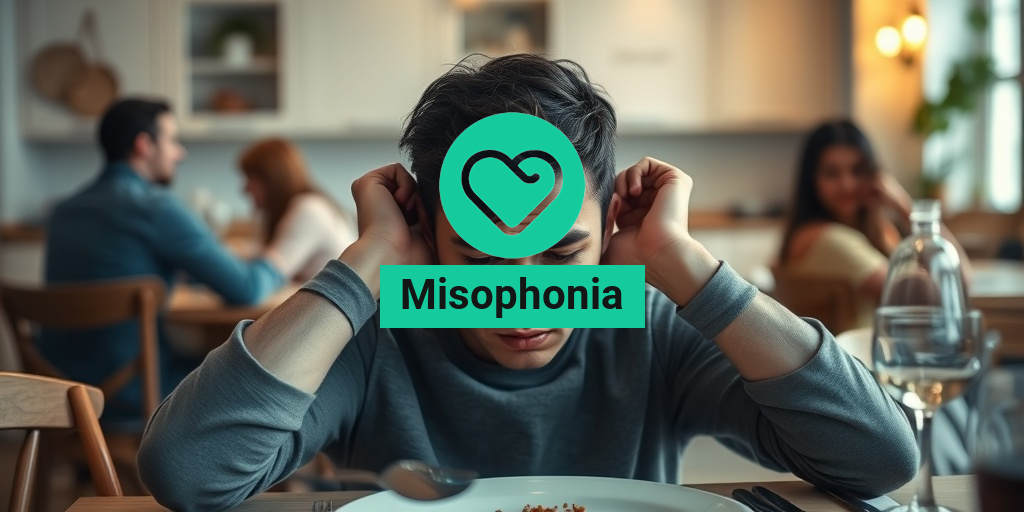
Misophonia is a condition characterized by strong emotional reactions to specific sounds. Individuals with misophonia often experience intense feelings of anger, anxiety, or disgust when they hear certain noises, such as chewing, tapping, or breathing. This heightened sensitivity can lead to significant distress and can interfere with daily life, relationships, and overall well-being.
The term “misophonia” comes from the Greek words “miso,” meaning hatred, and “phonia,” meaning sound. While it is not officially classified as a mental disorder, many people who suffer from misophonia report that it feels very real and can be debilitating. The condition is often misunderstood, leading to frustration for those affected, as their reactions may seem disproportionate to the sounds that trigger them.
Understanding the Causes of Misophonia
The exact causes of misophonia are still being researched, but several factors may contribute to its development:
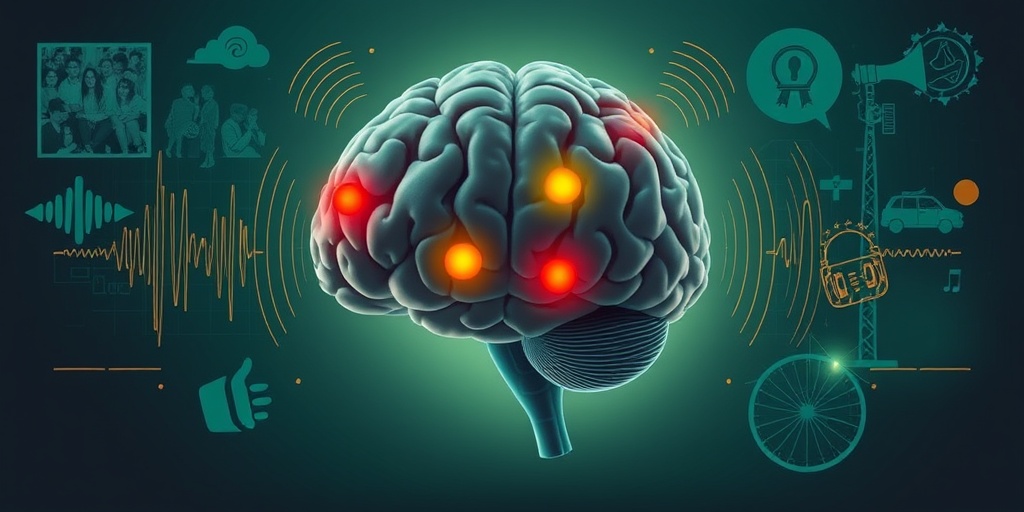
- Neurological Factors: Some studies suggest that misophonia may be linked to how the brain processes sound. Individuals with misophonia may have an overactive response in the auditory cortex, leading to heightened sensitivity.
- Genetic Predisposition: There may be a hereditary component, as misophonia can run in families. If someone in your family has it, you might be more likely to experience it as well.
- Environmental Influences: Traumatic experiences related to specific sounds during childhood may also play a role in the development of misophonia.
Misophonia and Co-occurring Conditions
Misophonia is often found alongside other conditions, such as ADHD and autism. Individuals with these conditions may be more prone to sensory sensitivities, making them more susceptible to misophonia. Understanding these connections can help in finding effective coping strategies and treatments.
Misophonia Symptoms
The symptoms of misophonia can vary widely among individuals, but they typically include:
- Emotional Reactions: People with misophonia often experience strong feelings of anger, irritation, or anxiety when exposed to trigger sounds. These reactions can be overwhelming and may lead to avoidance behaviors.
- Physical Responses: In addition to emotional distress, individuals may experience physical symptoms such as increased heart rate, sweating, or even a fight-or-flight response when they hear triggering sounds.
- Avoidance Behavior: Many individuals with misophonia go to great lengths to avoid situations where they might encounter their trigger sounds. This can lead to social isolation and difficulties in personal and professional relationships.
Common Triggers of Misophonia
While triggers can vary from person to person, some common sounds that often provoke a reaction include:
- Chewing or slurping sounds
- Pen clicking or tapping
- Breathing or sniffing noises
- Typing on a keyboard
- Whistling or lip-smacking
Seeking Help for Misophonia
If you or someone you know is struggling with misophonia, it’s important to seek help. While there is no one-size-fits-all treatment, various approaches can help manage symptoms. These may include:
- Cognitive Behavioral Therapy (CBT): This therapeutic approach can help individuals reframe their thoughts and reactions to trigger sounds.
- Sound Therapy: Using white noise or other soothing sounds can help mask trigger noises and reduce anxiety.
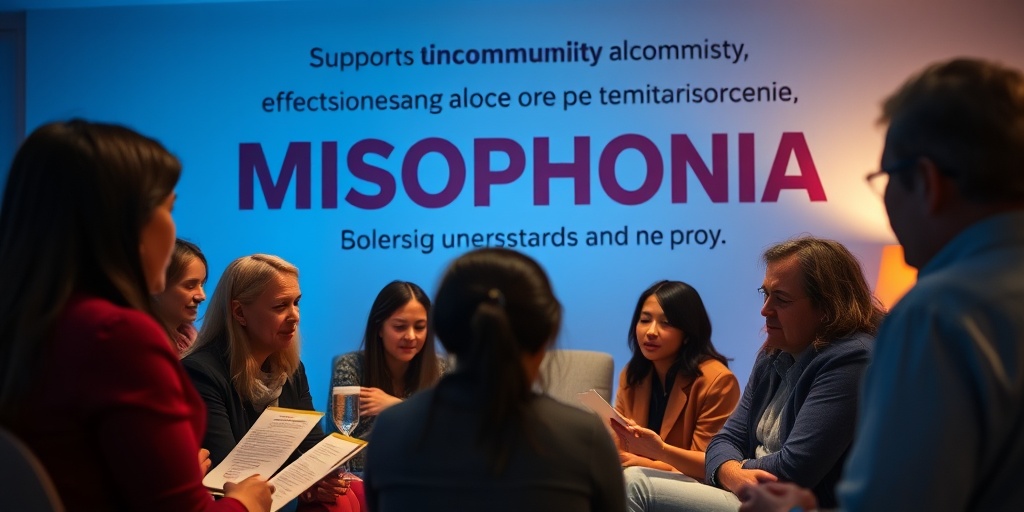
- Support Groups: Connecting with others who understand the condition can provide emotional support and coping strategies.
For more information and resources on misophonia, consider visiting Yesil Health AI, where you can find evidence-based health answers tailored to your needs.
Understanding misophonia is the first step toward managing its impact on your life. By recognizing the symptoms and seeking appropriate help, individuals can work towards a more comfortable and fulfilling existence. 🌟
Common Misophonia Triggers
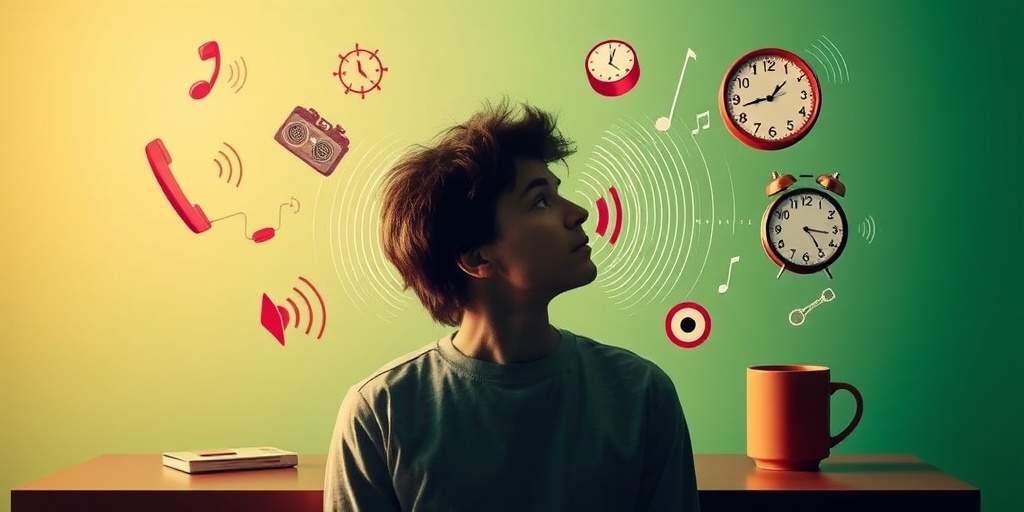
Misophonia is a condition characterized by strong emotional reactions to specific sounds. These reactions can range from mild irritation to intense anger or anxiety. Understanding the common triggers of misophonia can help individuals manage their responses and improve their quality of life. Here are some of the most frequently reported triggers:
1. Eating Sounds
One of the most prevalent triggers for those with misophonia is the sound of eating. This includes:
- Chewing – The sound of someone chewing food can be particularly distressing.
- Slurping – Noisy drinking or slurping can evoke strong negative emotions.
- Crunching – The sound of crunchy snacks can be unbearable for some.
2. Breathing Noises
Another common trigger is the sound of breathing, especially if it is loud or irregular. This can include:
- Snoring – The sound of someone snoring can be disruptive and irritating.
- Heavy Breathing – Noisy or labored breathing can provoke a strong reaction.
3. Repetitive Sounds
Repetitive noises, such as tapping or clicking, can also trigger misophonia. Examples include:
- Pencil Tapping – The sound of a pencil tapping on a desk can be maddening.
- Keyboard Clicking – The sound of typing can become overwhelming in quiet environments.
4. Vocal Sounds
Some individuals with misophonia are sensitive to certain vocal sounds, such as:
- Whispering – The sound of whispering can be particularly triggering.
- Clearing Throat – Frequent throat clearing can evoke strong reactions.
5. Environmental Noises
Everyday environmental sounds can also be triggers. These include:
- Clock Ticking – The sound of a ticking clock can be incessantly distracting.
- Traffic Noise – The sound of honking horns or sirens can heighten anxiety.
Recognizing these triggers is the first step in managing misophonia. By identifying specific sounds that provoke a reaction, individuals can work towards coping strategies and seek appropriate misophonia treatment if necessary.
Misophonia Causes
The exact causes of misophonia are still being researched, but several factors may contribute to its development. Understanding these causes can provide insight into the condition and help those affected find effective coping mechanisms.
1. Neurological Factors
Some studies suggest that misophonia may be linked to neurological differences in how the brain processes sound. This can include:
- Auditory Processing Issues – Individuals with misophonia may have heightened sensitivity to certain sounds due to differences in auditory processing.
- Hyperactivity in the Central Nervous System – An overactive response in the brain’s auditory pathways may lead to exaggerated reactions to specific noises.
2. Psychological Factors
Psychological factors may also play a role in the development of misophonia. These can include:
- Previous Trauma – Some individuals report that their misophonia began after a traumatic event associated with specific sounds.
- Anxiety Disorders – Those with anxiety disorders may be more prone to developing misophonia due to their heightened sensitivity to stressors.
3. Genetic Predisposition
There may also be a genetic component to misophonia. Research indicates that:
- Family History – Individuals with a family history of misophonia or related conditions may be more likely to experience it themselves.
4. Co-occurring Conditions
Misophonia often coexists with other conditions, which can complicate its causes. Common co-occurring conditions include:
- Autism Spectrum Disorder – Many individuals with autism report experiencing misophonia.
- ADHD – Attention Deficit Hyperactivity Disorder may also be linked to heightened sensitivity to sound.
Understanding the potential causes of misophonia can empower individuals to seek appropriate support and treatment. Whether through therapy, sound desensitization techniques, or lifestyle adjustments, there are ways to manage this challenging condition effectively. 🌟
Misophonia Diagnosis
Misophonia is a condition that can significantly impact daily life, often leading to distress and social challenges. Understanding how to diagnose this condition is crucial for those who suspect they may be suffering from it. So, what exactly is misophonia?
What is Misophonia?
Misophonia is characterized by strong emotional reactions to specific sounds, often leading to feelings of anger, anxiety, or disgust. Common triggers include sounds like chewing, tapping, or breathing. These reactions can be so intense that they disrupt daily activities and relationships.
How is Misophonia Diagnosed?
Diagnosing misophonia can be challenging, as it is not formally recognized in many diagnostic manuals, such as the DSM-5. However, healthcare professionals typically follow these steps:
- Clinical Interview: A thorough discussion about symptoms, triggers, and the impact on daily life.
- Self-Assessment Questionnaires: Tools like the Misophonia Questionnaire can help gauge the severity of symptoms.
- Exclusion of Other Conditions: It’s essential to rule out other auditory processing disorders or mental health issues, such as anxiety or ADHD.
Signs and Symptoms of Misophonia
Individuals with misophonia may experience a range of symptoms, including:
- Emotional Distress: Feelings of anger, frustration, or anxiety when exposed to trigger sounds.
- Physical Reactions: Increased heart rate, sweating, or even a fight-or-flight response.
- Avoidance Behavior: Actively avoiding situations or people that produce trigger sounds.
If you recognize these symptoms in yourself or someone you know, it may be time to seek a professional evaluation. Early diagnosis can lead to better management strategies and improved quality of life. 🩺
Misophonia Treatment Options
Once diagnosed, individuals with misophonia can explore various treatment options tailored to their specific needs. While there is no one-size-fits-all solution, several approaches have shown promise in alleviating symptoms.
1. Cognitive Behavioral Therapy (CBT)
Cognitive Behavioral Therapy is a widely used therapeutic approach that helps individuals change negative thought patterns and behaviors. For those with misophonia, CBT can assist in:
- Identifying and reframing negative thoughts associated with trigger sounds.
- Developing coping strategies to manage emotional responses.
- Gradual exposure to trigger sounds in a controlled environment to reduce sensitivity.
2. Sound Therapy
Sound therapy involves the use of background noise or soothing sounds to mask trigger noises. This can help individuals gradually desensitize to their triggers. Options include:
- White noise machines
- Nature sounds or calming music
- Hearing aids with sound masking features
3. Mindfulness and Relaxation Techniques
Practicing mindfulness and relaxation techniques can significantly reduce the emotional impact of misophonia. Techniques include:
- Meditation: Focusing on the present moment can help manage anxiety.
- Deep Breathing Exercises: These can help calm the nervous system during stressful situations.
- Yoga: Combining physical movement with mindfulness can promote overall well-being.
4. Support Groups
Connecting with others who understand misophonia can provide emotional support and practical coping strategies. Support groups, whether in-person or online, can be invaluable for sharing experiences and advice. 🤝
5. Medication
In some cases, medication may be prescribed to help manage symptoms, particularly if misophonia is associated with anxiety or depression. Always consult with a healthcare professional to explore this option.
While misophonia can be challenging, understanding the diagnosis and exploring treatment options can lead to a more manageable and fulfilling life. Remember, you are not alone in this journey! 🌟

Coping Strategies for Misophonia
Living with misophonia can be challenging, as certain sounds can trigger intense emotional reactions. However, there are several coping strategies that individuals can employ to manage their symptoms effectively. Here are some practical approaches:
1. Identify Your Triggers
The first step in managing misophonia is to identify the specific sounds that trigger your reactions. Common triggers include:
- Chewing or slurping sounds
- Pen clicking
- Breathing noises
- Typing sounds
By keeping a journal of your triggers, you can better understand your responses and prepare for situations where these sounds may occur.
2. Use Noise-Canceling Headphones
Investing in a good pair of noise-canceling headphones can be a game-changer. These headphones can help block out triggering sounds, allowing you to focus on your tasks without distraction. You can also listen to calming music or white noise to create a more soothing environment.
3. Practice Mindfulness and Relaxation Techniques
Mindfulness practices, such as meditation and deep breathing exercises, can help reduce anxiety and improve your emotional response to triggers. Here are a few techniques to try:
- Deep Breathing: Inhale deeply through your nose, hold for a few seconds, and exhale slowly through your mouth.
- Progressive Muscle Relaxation: Tense and then relax each muscle group in your body, starting from your toes and working your way up.
- Guided Imagery: Visualize a peaceful scene or a place where you feel safe and relaxed.
4. Create a Personal Sound Environment
Consider curating a personal sound environment that minimizes exposure to triggering noises. This could include:
- Playing soft background music
- Using a white noise machine
- Listening to nature sounds, like rain or ocean waves
By controlling your auditory environment, you can reduce the impact of misophonia on your daily life.
5. Communicate with Others
It’s essential to communicate your needs to friends, family, and colleagues. Let them know about your condition and how certain sounds affect you. Most people will be understanding and willing to accommodate your needs, such as eating quietly or avoiding certain activities around you.
Misophonia Support and Resources
Finding support and resources can significantly improve your ability to cope with misophonia. Here are some valuable options to consider:
1. Online Support Groups
Joining an online support group can provide a sense of community and understanding. Websites like Reddit and Facebook have dedicated groups where individuals share their experiences, coping strategies, and advice. Engaging with others who understand your struggles can be incredibly validating.
2. Professional Therapy
Seeking help from a mental health professional can be beneficial. Therapists who specialize in sound sensitivities or anxiety disorders can offer tailored strategies to manage your symptoms. Cognitive Behavioral Therapy (CBT) is often effective in helping individuals reframe their thoughts and reactions to triggering sounds.
3. Educational Resources
Educating yourself about misophonia can empower you to manage your condition better. Consider reading books, articles, or watching documentaries that delve into the science behind misophonia. Understanding the causes and symptoms can help you feel more in control.
4. Apps and Tools
There are various apps designed to help individuals with misophonia. Some popular options include:
- White Noise Lite: An app that provides a variety of soothing sounds to mask triggers.
- Calm: A meditation app that offers guided sessions to help reduce anxiety.
- Headspace: Another meditation app that focuses on mindfulness and relaxation techniques.
5. Advocacy Organizations
Organizations such as the Misophonia Association provide resources, research, and advocacy for individuals with misophonia. They offer a wealth of information and can connect you with others who share similar experiences.
By utilizing these coping strategies and support resources, individuals with misophonia can navigate their daily lives more comfortably and confidently. Remember, you are not alone in this journey! 🌟
Frequently Asked Questions about Misophonia
What is Misophonia?
Misophonia is a condition characterized by strong emotional reactions to specific sounds, often leading to feelings of anger, anxiety, or disgust. These sounds can include everyday noises like chewing, tapping, or breathing, which can trigger significant distress in individuals affected by this condition.
What are the common symptoms of Misophonia?
- Intense emotional reactions: Feelings of anger, irritation, or anxiety when exposed to trigger sounds.
- Physical responses: Symptoms may include increased heart rate, sweating, or a desire to escape the situation.
- Avoidance behavior: Individuals may go out of their way to avoid environments where trigger sounds are present.
What causes Misophonia?
The exact causes of misophonia are not fully understood, but it is believed to involve a combination of neurological and psychological factors. Some studies suggest that it may be linked to how the brain processes sound and emotional responses.
Is there a test for Misophonia?
Currently, there is no standardized misophonia test. Diagnosis is typically based on self-reported symptoms and experiences. If you suspect you have this condition, it is advisable to consult a healthcare professional for a comprehensive evaluation.
What treatments are available for Misophonia?
Treatment options for misophonia may include:
- Cognitive Behavioral Therapy (CBT): This therapy can help individuals manage their emotional responses to trigger sounds.
- Sound therapy: Using white noise or other soothing sounds to mask triggers.
- Support groups: Connecting with others who experience similar challenges can provide emotional support and coping strategies.
Can Misophonia be associated with other conditions?
Yes, misophonia can co-occur with other conditions such as autism and ADHD. Individuals with these conditions may experience heightened sensitivity to sounds, making misophonia more pronounced.
How can I manage Misophonia in daily life?
Managing misophonia can involve several strategies:
- Identify triggers: Keep a journal to track which sounds provoke strong reactions.
- Use noise-canceling headphones: These can help reduce exposure to trigger sounds in public spaces.
- Practice relaxation techniques: Mindfulness and deep breathing exercises can help manage anxiety when faced with triggers.
How is Misophonia pronounced?
The pronunciation of misophonia is typically broken down as “mis-o-foh-nee-uh.” If you’re unsure, listening to audio pronunciations online can be helpful.
Where can I find support for Misophonia?
Support for misophonia can be found through online forums, local support groups, and mental health professionals who specialize in sound sensitivities. Connecting with others who understand your experiences can be incredibly beneficial.