
What Is Torch Infection?
Torch infection refers to a group of infections that can be particularly harmful during pregnancy. The term “TORCH” is an acronym that stands for several specific infections: Toxoplasmosis, Other (which includes infections like syphilis and varicella), Rubella, Cytomegalovirus (CMV), and Herpes Simplex Virus (HSV). These infections can lead to serious complications for both the mother and the developing fetus, making awareness and early detection crucial.
Understanding the Components of Torch Infection
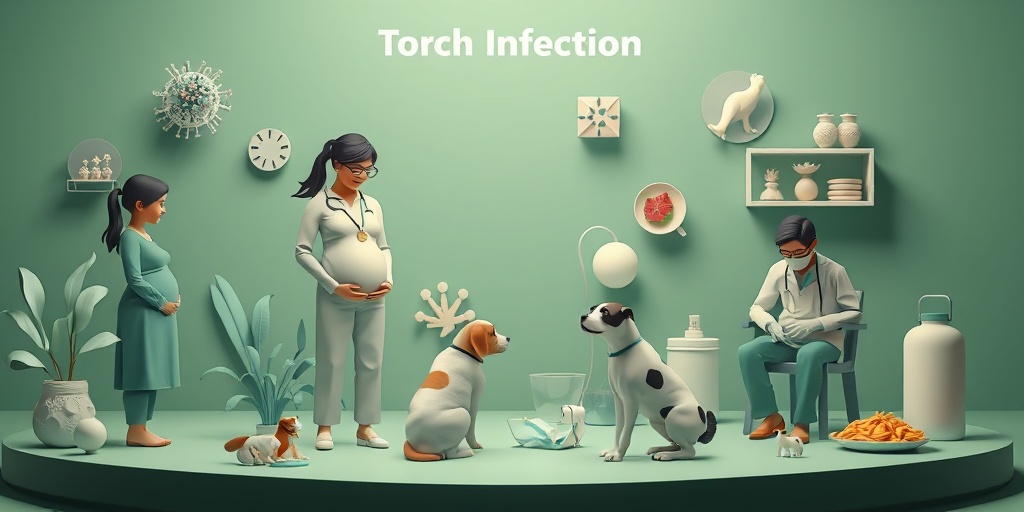
- Toxoplasmosis: Caused by a parasite found in cat feces and undercooked meat, this infection can lead to severe neurological issues in the baby.
- Other Infections: This category includes various infections such as syphilis, varicella (chickenpox), and HIV, which can have significant implications for pregnancy.
- Rubella: Also known as German measles, rubella can cause serious birth defects if contracted during the first trimester.
- Cytomegalovirus (CMV): A common virus that can lead to hearing loss and developmental delays in infants.
- Herpes Simplex Virus (HSV): This virus can be transmitted to the baby during delivery, potentially causing severe complications.
Understanding these infections is essential for pregnant women and healthcare providers. Regular screenings and vaccinations can help mitigate the risks associated with torch infections. For more detailed information and resources, consider visiting Yesil Health AI, a valuable platform for evidence-based health answers.
Torch Infection Symptoms
Recognizing the symptoms of torch infections is vital for timely intervention. While some infections may not show symptoms in the mother, they can still affect the fetus. Here’s a breakdown of common symptoms associated with each component of the TORCH acronym:
Toxoplasmosis Symptoms
In many cases, toxoplasmosis may not present noticeable symptoms in the mother. However, some may experience:
- Flu-like symptoms
- Muscle aches
- Fatigue
Other Infections Symptoms
Symptoms can vary widely depending on the specific infection. For example:
- Syphilis: May cause sores, rashes, and flu-like symptoms.
- Varicella: Characterized by an itchy rash and fever.
Rubella Symptoms
Rubella often presents with mild symptoms, including:
- Rash
- Fever
- Swollen lymph nodes
Cytomegalovirus (CMV) Symptoms
Many people with CMV do not show symptoms. However, some may experience:
- Fever
- Fatigue
- Muscle aches
Herpes Simplex Virus (HSV) Symptoms
HSV can cause painful sores and blisters. Symptoms may include:
- Itching or burning sensation
- Painful blisters or sores
- Flu-like symptoms during initial outbreak
It’s important to note that many of these infections can be asymptomatic, especially in the mother, which is why regular prenatal check-ups are essential. If you suspect you may have been exposed to any of these infections, consult your healthcare provider immediately.
In conclusion, understanding torch infections and their symptoms is crucial for the health of both mother and baby. Early detection and treatment can significantly reduce the risks associated with these infections. For more information and personalized health advice, visit Yesil Health AI today! 🌟

Torch Infection Causes
Torch infection refers to a group of infections that can be particularly harmful during pregnancy. The acronym “TORCH” stands for Toxoplasmosis, Other, Rubella, Cytomegalovirus (CMV), and Herpes Simplex Virus (HSV). Understanding the causes of these infections is crucial for expectant mothers and healthcare providers alike.
Toxoplasmosis
Toxoplasmosis is caused by the parasite Toxoplasma gondii, which can be found in cat feces, contaminated food, and soil. Pregnant women can contract this infection through:
- Handling cat litter or soil where cats have defecated.
- Eating undercooked or raw meat.
- Consuming unwashed fruits and vegetables.
It’s important to practice good hygiene and food safety to reduce the risk of this infection. 🥗
Other Infections
The “Other” category in TORCH includes various infections such as syphilis, varicella-zoster virus (chickenpox), and parvovirus B19. These infections can be transmitted through:
- Direct contact with an infected person.
- Vertical transmission from mother to fetus during pregnancy.
Rubella
Rubella, also known as German measles, is caused by the rubella virus. It can be transmitted through respiratory droplets when an infected person coughs or sneezes. Pregnant women who contract rubella, especially in the first trimester, are at risk of serious complications, including congenital rubella syndrome in the fetus.
Cytomegalovirus (CMV)
CMV is a common virus that can be transmitted through bodily fluids such as saliva, urine, and breast milk. Pregnant women can contract CMV through:
- Close contact with young children who may shed the virus.
- Sharing utensils or drinks with an infected person.
While most healthy individuals may not experience severe symptoms, CMV can pose significant risks during pregnancy. 😷
Herpes Simplex Virus (HSV)
HSV is a viral infection that can be transmitted through direct contact with an infected person. There are two types of herpes viruses: HSV-1 (commonly associated with oral herpes) and HSV-2 (associated with genital herpes). Pregnant women can transmit the virus to their baby during delivery if they have an active outbreak at the time of birth.
Torch Infection Risk Factors
Understanding the risk factors associated with torch infections is essential for prevention and early intervention. Here are some key factors that can increase the likelihood of contracting these infections during pregnancy:
Unvaccinated Individuals
Women who are not vaccinated against rubella or varicella are at a higher risk of contracting these infections. Vaccination before pregnancy can significantly reduce the risk of transmission to the fetus.
Exposure to Infected Individuals
Close contact with individuals who have active infections, especially children, can increase the risk of contracting infections like CMV and rubella. Pregnant women should take precautions, such as practicing good hygiene and avoiding close contact with sick individuals.
Travel to Endemic Areas
Traveling to regions where these infections are more common can pose a risk. For example, areas with high rates of toxoplasmosis or rubella may increase the likelihood of exposure. It’s essential to take preventive measures, such as avoiding undercooked food and practicing safe hygiene.
Weakened Immune System
Women with compromised immune systems, whether due to pre-existing conditions or medications, may be at a higher risk for torch infections. It’s crucial for these individuals to consult with healthcare providers for tailored advice and preventive measures.
Age and Health Status
Pregnant women who are younger or have underlying health issues may be more susceptible to infections. Regular prenatal care and screenings can help identify and manage any potential risks early on.
By understanding the causes and risk factors associated with torch infections, pregnant women can take proactive steps to protect themselves and their babies. Awareness and education are key components in reducing the incidence of these infections. 🌟
Torch Infection Diagnosis
Diagnosing a Torch Infection is crucial, especially for pregnant women, as it can significantly impact both maternal and fetal health. The term “TORCH” is an acronym that stands for a group of infections that can be transmitted from mother to child during pregnancy. These include:
- T – Toxoplasmosis
- O – Other infections (like syphilis, varicella-zoster, and parvovirus B19)
- R – Rubella
- C – Cytomegalovirus (CMV)
- H – Herpes Simplex Virus (HSV)
Initial Assessment
The diagnosis of a Torch Infection typically begins with a thorough medical history and physical examination. Healthcare providers will ask about:
- Any recent illnesses or infections
- Exposure to potential sources of infection
- Vaccination history
Pregnant women are often screened for these infections during their prenatal visits, especially if they present symptoms or have risk factors.
Laboratory Tests
To confirm a Torch Infection, specific laboratory tests are conducted. These may include:
- Serological Tests: Blood tests that check for antibodies against the TORCH pathogens. For instance, the presence of IgM antibodies may indicate a recent infection, while IgG antibodies suggest past exposure.
- Polymerase Chain Reaction (PCR): This test detects the genetic material of the pathogens, providing a more definitive diagnosis.
- Ultrasound: In some cases, ultrasound imaging may be used to assess fetal health and detect any abnormalities associated with TORCH infections.
Early diagnosis is essential, as it allows for timely intervention and management, reducing the risk of complications for both the mother and the baby. 🩺
Torch Infection Treatment Options
Once diagnosed, the treatment for a Torch Infection varies depending on the specific infection and its severity. Here’s a breakdown of treatment options for each component of the TORCH acronym:
Toxoplasmosis
Treatment for toxoplasmosis often involves:
- Pyrimethamine: This medication is commonly prescribed to treat the infection.
- Sulfadiazine: Often used in conjunction with pyrimethamine to enhance effectiveness.
In severe cases, especially if the infection is affecting the fetus, more aggressive treatment may be necessary.
Other Infections
For other infections included in the TORCH group:
- Syphilis: Treated with antibiotics, typically penicillin.
- Varicella-Zoster: Antiviral medications may be prescribed if the mother contracts chickenpox during pregnancy.
- Parvovirus B19: Usually, no specific treatment is needed, but monitoring is essential.
Rubella
There is no specific treatment for rubella once contracted. Prevention through vaccination before pregnancy is the best approach. If a pregnant woman is diagnosed, close monitoring of the fetus is necessary.
Cytomegalovirus (CMV)
Currently, there is no specific antiviral treatment for CMV during pregnancy. Supportive care and monitoring are the primary strategies. In some cases, antiviral medications may be considered for severe cases.
Herpes Simplex Virus (HSV)
For HSV, treatment options include:
- Acyclovir: An antiviral medication that can help manage outbreaks and reduce transmission risk during delivery.
- Valacyclovir: Another antiviral that may be prescribed for pregnant women with a history of genital herpes.
In cases of active outbreaks during labor, a cesarean delivery may be recommended to prevent transmission to the baby. 🏥
In conclusion, understanding the diagnosis and treatment options for Torch Infections is vital for expectant mothers. Early detection and appropriate management can significantly improve outcomes for both mother and child.

Torch Infection Prevention
Torch infections are a group of infections that can have serious implications, especially for pregnant women and their unborn children. The term “TORCH” is an acronym that stands for Toxoplasmosis, Other, Rubella, Cytomegalovirus (CMV), and Herpes Simplex Virus (HSV). Understanding how to prevent these infections is crucial for maintaining health during pregnancy and beyond. Here are some effective strategies for torch infection prevention:
1. Practice Good Hygiene
Maintaining good hygiene is one of the simplest yet most effective ways to prevent torch infections. Here are some tips:
- Wash your hands: Always wash your hands thoroughly with soap and water, especially after handling raw meat, using the restroom, or coming into contact with animals.
- Avoid touching your face: Try to avoid touching your eyes, nose, and mouth with unwashed hands.
- Keep your environment clean: Regularly disinfect surfaces in your home, especially in the kitchen and bathroom.
2. Be Cautious with Food
Food safety is vital in preventing torch infections. Here are some guidelines:
- Cook meat thoroughly: Ensure that all meats are cooked to the appropriate internal temperatures to kill harmful pathogens.
- Avoid unpasteurized dairy products: These can harbor bacteria that may lead to infections.
- Wash fruits and vegetables: Rinse all produce under running water to remove any potential contaminants.
3. Limit Exposure to Animals
Some torch infections, like toxoplasmosis, can be contracted from animals. To minimize risk:
- Avoid handling cat litter: If you have a cat, ask someone else to change the litter box or use gloves and wash hands immediately afterward.
- Stay away from stray animals: Avoid contact with stray cats and dogs, as they may carry infections.
4. Stay Informed About Vaccinations
Vaccinations can help prevent some torch infections, particularly rubella. Ensure you are up to date on your vaccinations:
- Check your immunization status: Consult with your healthcare provider to confirm if you need any vaccinations before pregnancy.
- Get vaccinated: If you are not immune to rubella, getting vaccinated before conception can significantly reduce the risk of infection.
5. Regular Prenatal Care
Regular check-ups during pregnancy are essential for monitoring your health and that of your baby. Your healthcare provider can:
- Screen for infections: Routine blood tests can help identify any potential torch infections early.
- Provide guidance: Your doctor can offer personalized advice on how to reduce your risk based on your lifestyle and health history.
Torch Infection in Pregnancy
Torch infections can pose significant risks during pregnancy, affecting both the mother and the developing fetus. Understanding the implications of these infections is crucial for expectant mothers. Here’s what you need to know:
1. Understanding the Risks
Torch infections can lead to serious complications, including:
- Miscarriage: Some infections can increase the risk of losing the pregnancy.
- Congenital defects: Infections like rubella and CMV can cause birth defects, affecting the baby’s development.
- Preterm birth: Certain infections may lead to premature labor, resulting in early delivery.
2. Common Symptoms
Recognizing the symptoms of torch infections is vital for early intervention. Common symptoms may include:
- Fever and fatigue: General malaise can be a sign of infection.
- Rash: Some infections, like rubella, can cause a distinctive rash.
- Swollen lymph nodes: This can indicate an immune response to infection.
3. Diagnosis and Treatment
If you suspect a torch infection, it’s essential to consult your healthcare provider. Diagnosis typically involves:
- Blood tests: These can identify specific infections and determine your immune status.
- Ultrasound: This may be used to monitor the baby’s development and detect any abnormalities.
Treatment options vary depending on the specific infection and may include:
- Antiviral medications: For infections like herpes simplex virus.
- Supportive care: Managing symptoms and monitoring the pregnancy closely.
4. Emotional Support
Dealing with the possibility of a torch infection can be emotionally challenging. It’s important to seek support from:
- Healthcare professionals: They can provide guidance and reassurance.
- Support groups: Connecting with other expectant mothers can help alleviate anxiety.
By understanding torch infections and taking proactive steps, you can help ensure a healthier pregnancy for both you and your baby. 🌼

Frequently Asked Questions about Torch Infection
What is a Torch Infection?
A Torch Infection refers to a group of infections that can be transmitted from a mother to her fetus during pregnancy. The acronym stands for Toxoplasmosis, Other infections, Rubella, Cytomegalovirus, and Herpes simplex virus. These infections can lead to serious complications for the developing baby.
What are the symptoms of Torch Infection in pregnancy?
Symptoms of a Torch Infection during pregnancy can vary depending on the specific infection. Common symptoms may include:
- Fever
- Fatigue
- Rash
- Swollen lymph nodes
- Flu-like symptoms
It’s important to consult a healthcare provider if you suspect you have any of these symptoms during pregnancy.
How is Torch Infection treated?
Treatment for a Torch Infection depends on the specific infection involved. Some infections may require antiviral medications, while others may not need treatment at all. Early diagnosis and intervention are crucial for the best outcomes.
What does the full form of Torch Infection mean?
The full form of Torch Infection includes:
- T – Toxoplasmosis
- O – Other infections (like syphilis, varicella-zoster, and parvovirus B19)
- R – Rubella
- C – Cytomegalovirus (CMV)
- H – Herpes simplex virus (HSV)
What is the meaning of Torch Infection in Hindi?
In Hindi, Torch Infection can be referred to as “टॉर्च संक्रमण”. It encompasses the same group of infections that can affect pregnant women and their unborn children.
What are the potential complications of Torch Infection?
If a Torch Infection is transmitted to the fetus, it can lead to various complications, including:
- Birth defects
- Developmental delays
- Miscarriage
- Stillbirth
Regular prenatal care and screening can help identify and manage these risks effectively.
Can Torch Infection be prevented?
Preventing Torch Infection involves taking certain precautions during pregnancy, such as:
- Avoiding contact with cat litter to prevent toxoplasmosis
- Staying up to date with vaccinations, especially for rubella
- Practicing safe sex to reduce the risk of herpes and other sexually transmitted infections
Consulting with a healthcare provider for personalized advice is recommended.