What Is Syphilis?
Syphilis is a sexually transmitted infection (STI) caused by the bacterium Treponema pallidum. This infection has been known for centuries and is often referred to as “the great imitator” because its symptoms can resemble those of many other diseases. Understanding syphilis is crucial for prevention, early detection, and effective treatment.
Syphilis is primarily spread through sexual contact, including vaginal, anal, and oral sex. It can also be transmitted from an infected mother to her baby during pregnancy or childbirth, leading to congenital syphilis, which can have serious health implications for the newborn.
There are four stages of syphilis: primary, secondary, latent, and tertiary. Each stage has distinct characteristics and symptoms, which can help in diagnosing the infection. Early detection and treatment are vital, as untreated syphilis can lead to severe health complications, including damage to the heart, brain, and other organs.
Stages of Syphilis
- Primary Syphilis: This stage is marked by the appearance of a painless sore, known as a chancre, at the site of infection. This sore typically heals on its own within a few weeks.
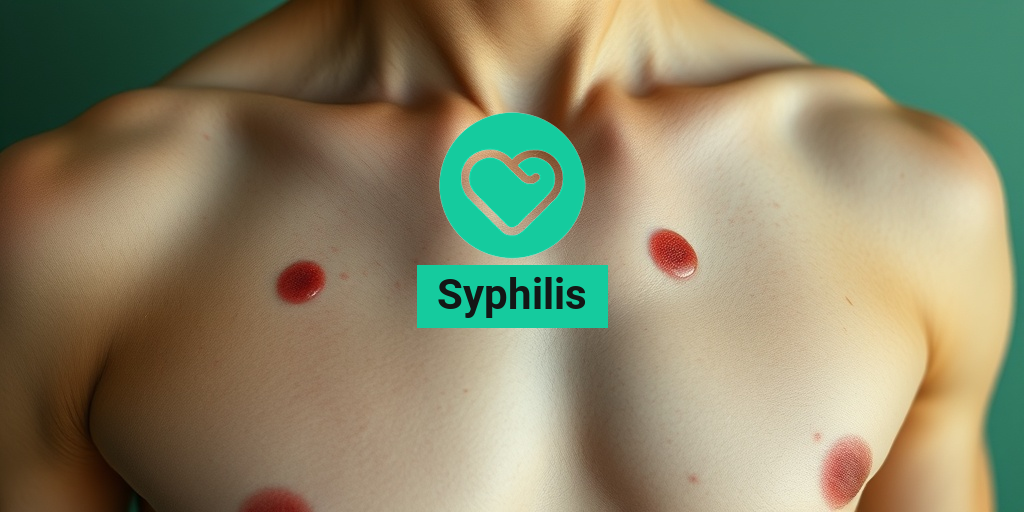
- Secondary Syphilis: This stage may present with skin rashes, mucous membrane lesions, and flu-like symptoms. The rash can appear on various parts of the body, including the trunk and extremities.
- Latent Syphilis: In this stage, the infection is not active, and there are no visible symptoms. However, the bacteria remain in the body and can cause complications later.
- Tertiary Syphilis: This is the most severe stage, which can occur years after the initial infection if left untreated. It can lead to serious health issues, including neurological problems, cardiovascular disease, and even death.
Syphilis Symptoms
Recognizing the symptoms of syphilis is essential for timely diagnosis and treatment. Symptoms can vary significantly between men and women, and they may not always be apparent, especially in the early stages.
Symptoms in Men
Men may experience the following symptoms:
- Chancre: A painless sore at the site of infection, usually on the penis, scrotum, or anus.
- Rash: A non-itchy rash that can appear on the body, including the arms, legs, and trunk.
- Swollen Lymph Nodes: Lymph nodes in the groin or other areas may become swollen.
- Flu-like Symptoms: Fatigue, fever, and sore throat may occur during the secondary stage.
Symptoms in Women
Women may experience similar symptoms, but they can also include:
- Chancre: A sore that may appear on the vulva, vagina, or cervix, which can go unnoticed.
- Rash: Similar to men, women may develop a rash on various parts of the body.
- Pelvic Pain: Some women may experience pain in the pelvic region.
- Menstrual Irregularities: Changes in menstrual cycles may occur.
Importance of Early Detection
Early detection of syphilis is crucial for effective treatment. If you suspect you have been exposed to syphilis or are experiencing symptoms, it is essential to seek medical advice promptly. Testing is straightforward and typically involves a blood test or examination of the sore.
Fortunately, syphilis is treatable with antibiotics, usually penicillin. The earlier the treatment begins, the better the outcome. If you have questions about syphilis or need reliable health information, consider visiting Yesil Health AI for evidence-based answers.
In conclusion, understanding syphilis, its symptoms, and the importance of early detection can significantly impact your health and well-being. Stay informed, practice safe sex, and don’t hesitate to seek medical help if needed. Remember, knowledge is power! 💪

Stages of Syphilis
Syphilis is a sexually transmitted infection (STI) caused by the bacterium Treponema pallidum. Understanding the stages of syphilis is crucial for early detection and effective treatment. The infection progresses through four distinct stages, each with its own set of symptoms and characteristics.
1. Primary Stage
The primary stage of syphilis typically occurs about three weeks after exposure to the bacteria. During this stage, a small, painless sore known as a chancre appears at the site of infection, often on the genitals, anus, or mouth. This sore is highly infectious and can last for three to six weeks. Many individuals may not notice the chancre, leading to a delay in diagnosis.
2. Secondary Stage
If left untreated, syphilis progresses to the secondary stage, which can occur weeks to months after the initial infection. This stage is characterized by a range of symptoms, including:
- Rash: A widespread rash may develop, often appearing as reddish-brown spots on the torso, arms, and legs.
- Flu-like Symptoms: Individuals may experience fever, swollen lymph nodes, and sore throat.
- Mucous Membrane Lesions: Sores may appear in the mouth or genital area.
These symptoms can resolve on their own, but the infection remains in the body, continuing to progress if untreated.
3. Latent Stage
The latent stage of syphilis occurs when the symptoms of the secondary stage disappear. During this time, the bacteria remain in the body without causing any symptoms. This stage can last for years, and individuals may not even realize they are infected. However, the infection can still be transmitted to sexual partners.
4. Tertiary Stage
If syphilis remains untreated for many years, it can progress to the tertiary stage, which can occur 10 to 30 years after the initial infection. This stage can lead to severe complications affecting various organs, including:
- Cardiovascular System: Syphilis can cause damage to the heart and blood vessels.
- Nervous System: Neurological issues, including paralysis, dementia, and sensory deficits, may arise.
- Gummatous Syphilis: Soft tissue tumors called gummas can develop in various parts of the body.
These complications can be life-threatening, making early detection and treatment essential.
Syphilis Causes and Risk Factors
Understanding the causes and risk factors associated with syphilis is vital for prevention and awareness. Syphilis is primarily transmitted through sexual contact, but several factors can increase the likelihood of infection.
Causes of Syphilis
The primary cause of syphilis is the bacterium Treponema pallidum, which is spread through:
- Unprotected Sexual Contact: Engaging in vaginal, anal, or oral sex without a condom with an infected partner.
- Mother to Child Transmission: Pregnant women with syphilis can pass the infection to their unborn child, leading to congenital syphilis.
- Direct Contact with Sores: Coming into contact with syphilis sores during sexual activity can facilitate transmission.
Risk Factors for Syphilis
Several factors can increase the risk of contracting syphilis:
- Multiple Sexual Partners: Having multiple sexual partners increases the likelihood of exposure to syphilis.
- History of STIs: Individuals with a history of sexually transmitted infections are at a higher risk.
- Men Who Have Sex with Men (MSM): This group is disproportionately affected by syphilis and other STIs.
- Substance Abuse: Drug and alcohol use can impair judgment, leading to risky sexual behaviors.
- Lack of Access to Healthcare: Limited access to healthcare services can hinder regular STI screenings and treatment.
By understanding the stages, causes, and risk factors of syphilis, individuals can take proactive steps to protect themselves and their partners. Regular testing and open communication about sexual health are essential in preventing the spread of this infection. 🩺

Syphilis Diagnosis
Diagnosing syphilis is a crucial step in managing this sexually transmitted infection (STI). Early detection can prevent serious health complications and the spread of the disease. Here’s what you need to know about the diagnosis process.
Understanding the Symptoms
Before a diagnosis can be made, it’s essential to recognize the symptoms associated with syphilis. The infection progresses through several stages, each with distinct signs:
- Primary Stage: This stage typically presents as a painless sore or ulcer, known as a chancre, at the site of infection. This sore usually appears about three weeks after exposure.
- Secondary Stage: Symptoms may include skin rashes, mucous membrane lesions, and flu-like symptoms. The rash can appear as rough, red, or reddish-brown spots.
- Latent Stage: In this stage, there are no visible symptoms, but the bacteria remain in the body.
- Tertiary Stage: If left untreated, syphilis can lead to severe health issues affecting the heart, brain, and other organs.
Testing for Syphilis
To confirm a diagnosis of syphilis, healthcare providers typically use a combination of blood tests and physical examinations. Here are the common testing methods:
- Blood Tests: These tests detect antibodies produced in response to the syphilis bacteria. The two main types of blood tests are:
- Non-treponemal tests: These tests, such as the RPR (Rapid Plasma Reagin) and VDRL (Venereal Disease Research Laboratory), are often used for initial screening.
- Treponemal tests: These tests confirm the presence of the bacteria and are usually conducted after a positive non-treponemal test.
- Physical Examination: A healthcare provider may examine any sores or rashes and take samples for further testing.
When to Get Tested
If you suspect you have been exposed to syphilis or are experiencing symptoms, it’s important to seek medical advice promptly. Regular testing is also recommended for individuals at higher risk, including those with multiple sexual partners or a history of STIs. 🩺
Syphilis Treatment Options
Fortunately, syphilis is a treatable condition, especially when diagnosed early. The treatment primarily involves antibiotics, which can effectively eliminate the infection. Here’s a closer look at the treatment options available.
Antibiotic Treatment
The most common treatment for syphilis is the use of antibiotics, with penicillin being the most effective option. Here’s how it works:
- Penicillin G: This is the standard treatment for all stages of syphilis. It is usually administered via injection, and the dosage may vary depending on the stage of the infection.
- Alternative Antibiotics: For individuals allergic to penicillin, other antibiotics such as doxycycline or tetracycline may be prescribed, although they are generally less effective.
Follow-Up Care
After treatment, follow-up care is essential to ensure the infection has been fully cleared. This typically involves:
- Regular Testing: Patients are usually advised to undergo follow-up blood tests at 6, 12, and 24 months after treatment to monitor for any signs of reinfection.
- Partner Notification: It’s crucial to inform sexual partners about the infection so they can also get tested and treated if necessary.
Managing Symptoms and Complications
While antibiotics effectively treat syphilis, some individuals may experience lingering symptoms or complications. Here are some management strategies:
- Pain Relief: Over-the-counter pain relievers can help alleviate discomfort associated with sores or rashes.
- Emotional Support: Dealing with an STI can be emotionally challenging. Seeking support from healthcare providers or counseling services can be beneficial.
In conclusion, early diagnosis and appropriate treatment of syphilis are vital for maintaining sexual health and preventing complications. If you suspect you may have syphilis or have been exposed, don’t hesitate to reach out to a healthcare professional. Your health is worth it! 🌟
Complications of Syphilis
Syphilis is a sexually transmitted infection (STI) caused by the bacterium Treponema pallidum. If left untreated, it can lead to serious health complications that affect various organs and systems in the body. Understanding these complications is crucial for early detection and treatment.
Stages of Syphilis and Their Complications
Syphilis progresses through several stages, each with its own set of symptoms and potential complications:
- Primary Syphilis: This stage is characterized by the appearance of a painless sore, known as a chancre, at the site of infection. While primary syphilis itself may not lead to immediate complications, it is essential to seek treatment to prevent progression.
- Secondary Syphilis: This stage can cause a rash, fever, and swollen lymph nodes. If untreated, it can lead to more severe complications, including neurological issues and damage to internal organs.
- Latent Syphilis: In this stage, the infection is still present in the body but may not show symptoms. Complications can arise if the infection progresses to tertiary syphilis.
- Tertiary Syphilis: This is the most severe stage, occurring years after the initial infection. It can lead to serious health issues such as cardiovascular disease, neurological disorders (like dementia), and even death.
Neurological Complications
One of the most concerning complications of untreated syphilis is its potential to affect the nervous system. This can result in:
- Tabes Dorsalis: A condition that affects the spinal cord, leading to loss of coordination and severe pain.
- General Paresis: A form of dementia caused by syphilis that can lead to personality changes, memory loss, and cognitive decline.
Cardiovascular Complications
Syphilis can also have a significant impact on the cardiovascular system. Complications may include:
- Aortitis: Inflammation of the aorta, which can lead to aneurysms and other serious heart conditions.
- Coronary Artery Disease: Increased risk of heart attacks due to damage to the blood vessels.
Pregnancy Complications
For pregnant women, syphilis poses serious risks not only to their health but also to the health of their unborn child. Complications can include:
- Stillbirth: The risk of losing the baby during pregnancy is significantly higher in mothers with untreated syphilis.
- Congenital Syphilis: Babies born to mothers with syphilis can be born with the infection, leading to severe health issues such as developmental delays, bone deformities, and vision problems.
Preventing Syphilis Infection
Preventing syphilis infection is essential for maintaining sexual health and overall well-being. Here are some effective strategies to reduce the risk of contracting syphilis:
Practice Safe Sex
Using condoms consistently and correctly can significantly lower the risk of syphilis and other STIs. While condoms do not provide complete protection, they are an effective barrier against many infections.
Regular STI Testing
Getting tested regularly for STIs, including syphilis, is crucial, especially if you have multiple sexual partners or engage in unprotected sex. Early detection can lead to prompt treatment and prevent complications.
Limit Number of Sexual Partners
Reducing the number of sexual partners can decrease the likelihood of exposure to syphilis and other STIs. Open communication with partners about sexual health is vital.
Vaccination and Education
While there is currently no vaccine for syphilis, staying informed about the infection and its risks can empower individuals to make safer choices. Educational programs and resources can help raise awareness about syphilis and its prevention.
Seek Prompt Treatment
If you suspect you have been exposed to syphilis or are experiencing symptoms, seek medical attention immediately. Early treatment with antibiotics can effectively cure syphilis and prevent complications.
By understanding the complications of syphilis and taking proactive steps to prevent infection, individuals can protect their health and the health of their partners. Remember, knowledge is power when it comes to sexual health! 💪

Frequently Asked Questions about Syphilis
What is Syphilis?
Syphilis is a sexually transmitted infection (STI) caused by the bacterium Treponema pallidum. It can lead to serious health issues if left untreated, affecting various organs in the body.
What are the symptoms of Syphilis?
Symptoms of syphilis can vary depending on the stage of the infection:
- Primary Stage: A painless sore (chancre) at the infection site.
- Secondary Stage: Skin rashes, fever, swollen lymph nodes, and sore throat.
- Latent Stage: No symptoms, but the infection remains in the body.
- Tertiary Stage: Severe complications affecting the heart, brain, and other organs.
How is Syphilis transmitted?
Syphilis is primarily transmitted through sexual contact, including vaginal, anal, and oral sex. It can also be passed from an infected mother to her baby during pregnancy or childbirth.
Is Syphilis treatable?
Yes, syphilis is treatable and usually cured with antibiotics, typically penicillin. Early diagnosis and treatment are crucial for effective management.
What does a Syphilis rash look like?
A syphilis rash can appear as reddish-brown spots or lesions on the skin, often resembling other skin conditions. It typically occurs during the secondary stage of the infection.
Can Syphilis be prevented?
While there is no vaccine for syphilis, practicing safe sex, including the use of condoms and regular STI screenings, can significantly reduce the risk of transmission.
What are the long-term effects of untreated Syphilis?
If left untreated, syphilis can lead to severe health complications, including:
- Damage to the heart and blood vessels
- Neurological issues, including dementia
- Blindness
- Increased risk of HIV infection
How can I get tested for Syphilis?
You can get tested for syphilis at healthcare clinics, sexual health centers, or your primary care physician’s office. Testing typically involves a blood test or examination of any sores.
What should I do if I think I have Syphilis?
If you suspect you have syphilis, it is important to seek medical attention promptly. Early diagnosis and treatment can prevent serious health complications.