What Is Bipolar Disorder?
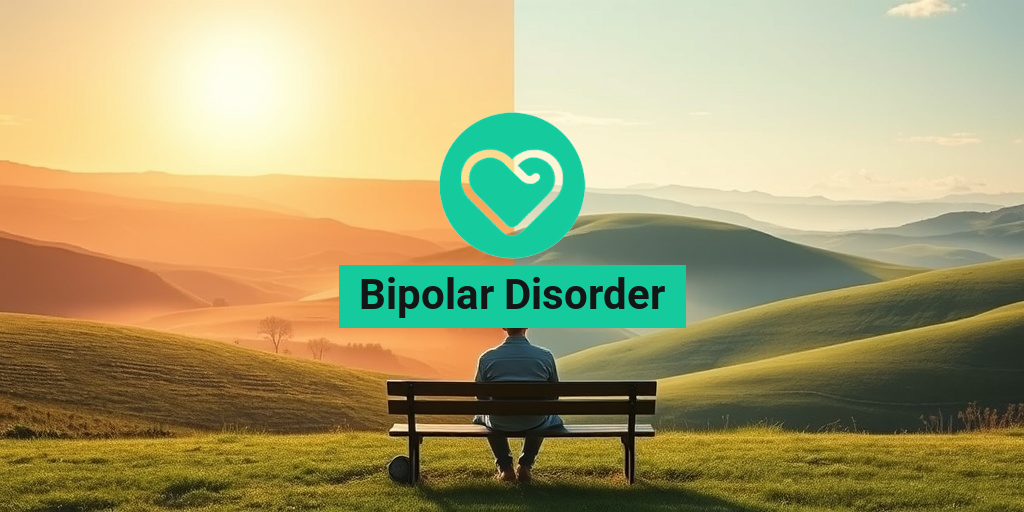
Bipolar disorder is a mental health condition characterized by extreme mood swings that include emotional highs (mania or hypomania) and lows (depression). These fluctuations can significantly impact a person’s daily life, relationships, and overall well-being. Understanding the meaning of bipolar disorder is crucial for recognizing its effects and seeking appropriate treatment.
There are several types of bipolar disorder, including:
- Bipolar I Disorder: Defined by manic episodes lasting at least seven days or by manic symptoms that are so severe that immediate hospital care is needed. Depressive episodes may occur as well.
- Bipolar II Disorder: A milder form, characterized by a pattern of depressive episodes and hypomanic episodes, but not the full-blown manic episodes typical of Bipolar I.
- Cyclothymic Disorder: Periods of hypomanic symptoms and periods of depressive symptoms lasting for at least two years (one year in children and adolescents).
While the exact causes of bipolar disorder are not fully understood, a combination of genetic, biological, and environmental factors is believed to contribute to its development. Family history, brain structure, and neurotransmitter imbalances may play significant roles.
Recognizing bipolar disorder early can lead to better management and treatment outcomes. If you or someone you know is experiencing symptoms, it’s essential to consult a healthcare professional for a proper diagnosis and treatment plan. Resources like Yesil Health AI can provide evidence-based health answers to help you understand this condition better.
Bipolar Disorder Symptoms
Identifying the symptoms of bipolar disorder is vital for early intervention and effective treatment. Symptoms can vary widely between individuals and can change over time. Here are some common symptoms associated with the different phases of bipolar disorder:
Manic and Hypomanic Symptoms
- Increased energy or activity: Individuals may feel unusually energetic, restless, or agitated.
- Elevated mood: A person may experience an exaggerated sense of happiness or euphoria.
- Decreased need for sleep: Feeling rested after only a few hours of sleep is common.
- Racing thoughts: Thoughts may jump quickly from one idea to another, making it hard to focus.
- Impulsivity: Engaging in risky behaviors, such as spending sprees, unprotected sex, or reckless driving.
Depressive Symptoms
- Persistent sadness: A feeling of emptiness or hopelessness that lasts for an extended period.
- Loss of interest: A marked decrease in interest or pleasure in most activities.
- Fatigue: A constant feeling of tiredness or lack of energy.
- Difficulty concentrating: Trouble focusing, making decisions, or remembering things.
- Changes in sleep patterns: Insomnia or sleeping too much can occur during depressive episodes.
It’s important to note that symptoms can manifest differently in females compared to males. For instance, women may experience more depressive episodes and mixed episodes, which can complicate diagnosis and treatment. Understanding bipolar disorder symptoms in females is essential for tailored care.
If you suspect that you or someone you know may be experiencing symptoms of bipolar disorder, seeking help from a mental health professional is crucial. Early diagnosis and treatment can lead to better management of the condition and improved quality of life. Remember, you are not alone, and resources like Yesil Health AI can provide valuable information and support.
In conclusion, bipolar disorder is a complex mental health condition that requires understanding and compassion. By recognizing the symptoms and seeking help, individuals can navigate their journey toward stability and wellness. 🌈

Bipolar Disorder Types
Bipolar disorder is a complex mental health condition characterized by extreme mood swings that include emotional highs (mania or hypomania) and lows (depression). Understanding the different types of bipolar disorder is crucial for effective diagnosis and treatment. Here, we’ll explore the main types of bipolar disorder, their symptoms, and how they differ from one another.
Bipolar I Disorder
Bipolar I disorder is defined by the occurrence of at least one manic episode that lasts for at least seven days or is so severe that immediate hospital care is needed. Depressive episodes are also common and typically last at least two weeks. The manic episodes can significantly disrupt daily life, affecting work, relationships, and overall functioning.
- Symptoms of Mania: Increased energy, reduced need for sleep, unusual talkativeness, racing thoughts, distractibility, and impulsive behavior.
- Symptoms of Depression: Feelings of sadness, hopelessness, loss of interest in activities, fatigue, and difficulty concentrating.
Bipolar II Disorder
Bipolar II disorder is characterized by a pattern of depressive episodes and hypomanic episodes, but it does not include the full-blown manic episodes that are typical of Bipolar I disorder. Hypomania is a milder form of mania and may not cause significant impairment in social or occupational functioning.
- Symptoms of Hypomania: Elevated mood, increased activity or energy, and a decreased need for sleep, but less severe than full mania.
- Symptoms of Depression: Similar to those in Bipolar I, including persistent sadness and loss of interest.
Cyclothymic Disorder
Cyclothymic disorder, or cyclothymia, involves periods of hypomanic symptoms and periods of depressive symptoms lasting for at least two years (one year in children and adolescents). However, the symptoms do not meet the diagnostic requirements for a hypomanic episode and a depressive episode.
- Symptoms: Chronic mood fluctuations that are less severe than those seen in Bipolar I or II disorders.
Other Specified and Unspecified Bipolar and Related Disorders
These categories include bipolar disorder symptoms that do not match the three categories listed above. This can include situations where symptoms are present but do not meet the full criteria for any specific type of bipolar disorder.
- Examples: Short-duration hypomanic episodes (lasting less than four days) or episodes that do not fit the criteria for any other bipolar disorder.
Bipolar Disorder Causes
The exact cause of bipolar disorder is not fully understood, but research suggests that a combination of genetic, biochemical, and environmental factors contribute to its development. Understanding these causes can help in managing the disorder effectively.
Genetic Factors
Family history plays a significant role in the likelihood of developing bipolar disorder. Individuals with a parent or sibling who has the disorder are at a higher risk. Studies indicate that genetics can influence brain chemistry and mood regulation, making some individuals more susceptible to mood disorders.
Biochemical Factors
Neurotransmitters, which are chemicals that transmit signals in the brain, are believed to play a crucial role in bipolar disorder. Imbalances in neurotransmitters such as serotonin, dopamine, and norepinephrine can affect mood and behavior, leading to the symptoms associated with bipolar disorder.
Environmental Factors
Life events and environmental stressors can trigger the onset of bipolar disorder or exacerbate existing symptoms. Some common environmental factors include:
- Trauma: Experiencing traumatic events, such as abuse or the loss of a loved one, can trigger mood episodes.
- Substance Abuse: Alcohol and drug use can worsen symptoms and may lead to the onset of bipolar disorder in susceptible individuals.
- Major Life Changes: Stressful life events, such as moving, changing jobs, or relationship issues, can trigger episodes.
In conclusion, understanding the types and causes of bipolar disorder is essential for effective management and treatment. If you or someone you know is experiencing symptoms of bipolar disorder, seeking professional help is crucial for proper diagnosis and support. 🌈
Bipolar Disorder Risk Factors
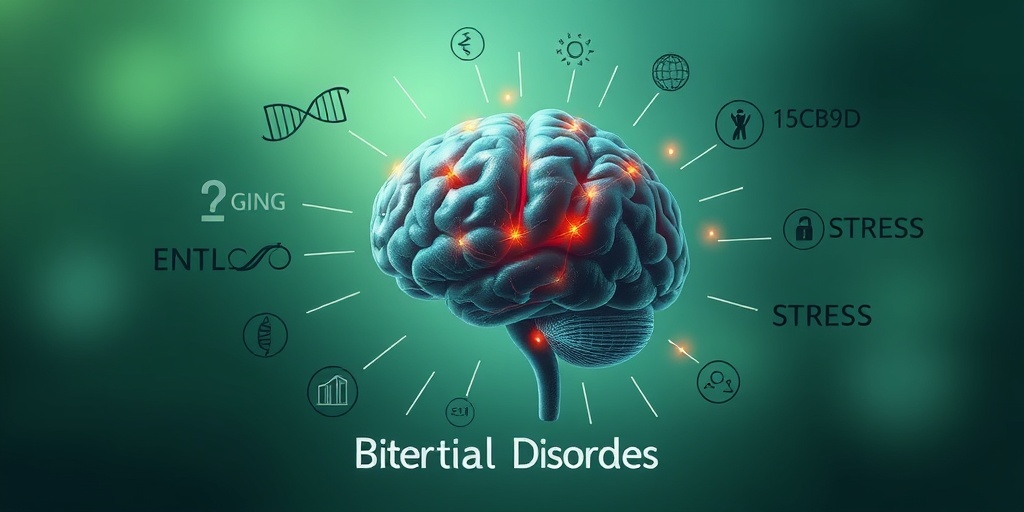
Bipolar disorder is a complex mental health condition characterized by extreme mood swings, including emotional highs (mania or hypomania) and lows (depression). Understanding the risk factors associated with bipolar disorder can help in early identification and intervention. Here are some key factors that may increase the likelihood of developing this condition:
Genetic Factors
Research indicates that genetics play a significant role in the development of bipolar disorder. If you have a family history of bipolar disorder or other mood disorders, your risk of developing the condition is higher. Studies show that individuals with a first-degree relative (such as a parent or sibling) diagnosed with bipolar disorder have a higher likelihood of experiencing similar symptoms themselves.
Environmental Influences
Environmental factors can also contribute to the onset of bipolar disorder. Stressful life events, such as the loss of a loved one, trauma, or significant life changes, can trigger episodes in individuals predisposed to the disorder. Additionally, substance abuse, particularly alcohol and drugs, can exacerbate symptoms and lead to a diagnosis.
Neurobiological Factors
Research suggests that imbalances in neurotransmitters—chemicals in the brain that transmit signals—may play a role in bipolar disorder. These imbalances can affect mood regulation and emotional stability. Furthermore, abnormalities in brain structure and function have been observed in individuals with bipolar disorder, indicating a potential biological basis for the condition.
Age and Gender
Bipolar disorder can develop at any age, but it often emerges in late adolescence or early adulthood. While both men and women can be affected, studies suggest that women may experience more depressive episodes, while men may have more manic episodes. Understanding these gender differences can aid in recognizing symptoms and tailoring treatment approaches.
Other Mental Health Conditions
Individuals with bipolar disorder often have co-occurring mental health conditions, such as anxiety disorders, ADHD, or substance use disorders. These comorbidities can complicate the diagnosis and treatment of bipolar disorder, making it essential to address all underlying issues for effective management.
Bipolar Disorder Diagnosis
Diagnosing bipolar disorder can be challenging due to the variability of symptoms and their overlap with other mental health conditions. A comprehensive evaluation is crucial for an accurate diagnosis. Here’s what you can expect during the diagnostic process:
Clinical Assessment
The first step in diagnosing bipolar disorder typically involves a thorough clinical assessment by a mental health professional. This assessment includes:
- Detailed Medical History: The clinician will ask about your personal and family medical history, including any previous mental health issues.
- Symptom Evaluation: You will be asked to describe your mood changes, energy levels, sleep patterns, and any other symptoms you may have experienced.
- Duration and Frequency: The clinician will inquire about how long your symptoms have lasted and how often they occur.
Diagnostic Criteria
To be diagnosed with bipolar disorder, an individual must meet specific criteria outlined in the Diagnostic and Statistical Manual of Mental Disorders (DSM-5). This includes experiencing at least one manic or hypomanic episode, along with depressive episodes. The symptoms must cause significant distress or impairment in social, occupational, or other important areas of functioning.
Bipolar Disorder Test
While there is no single test to diagnose bipolar disorder, mental health professionals may use various assessment tools and questionnaires to evaluate symptoms. These tests can help in understanding the severity and impact of the disorder on daily life. It’s essential to be honest and thorough when answering questions to ensure an accurate diagnosis.
Collaboration with Other Healthcare Providers
In some cases, a healthcare provider may collaborate with other professionals, such as primary care physicians or psychologists, to gather comprehensive information about your mental health. This multidisciplinary approach can enhance the accuracy of the diagnosis and inform treatment options.
Importance of Early Diagnosis
Early diagnosis and intervention are crucial in managing bipolar disorder effectively. Recognizing the symptoms early can lead to timely treatment, which may include therapy, medication, and lifestyle changes. If you or someone you know is experiencing symptoms of bipolar disorder, seeking professional help is vital for a better quality of life. 🌈

Bipolar Disorder Treatment Options
Bipolar disorder is a complex mental health condition characterized by extreme mood swings, including emotional highs (mania or hypomania) and lows (depression). Understanding the treatment options available is crucial for managing this condition effectively. Here, we’ll explore various approaches to treatment that can help individuals lead fulfilling lives.
Medications
Medications are often the cornerstone of bipolar disorder treatment. They help stabilize mood and reduce the frequency and severity of episodes. Common types of medications include:
- Mood Stabilizers: These are typically the first line of treatment. Lithium is one of the most well-known mood stabilizers.
- Antipsychotics: Medications like olanzapine and quetiapine can help manage symptoms of mania and depression.
- Antidepressants: Sometimes used in conjunction with mood stabilizers, these can help alleviate depressive episodes but must be monitored closely to avoid triggering mania.
Psychotherapy
In addition to medication, psychotherapy plays a vital role in managing bipolar disorder. Different therapeutic approaches can provide support and coping strategies:
- Cognitive Behavioral Therapy (CBT): This helps individuals identify and change negative thought patterns and behaviors.
- Interpersonal and Social Rhythm Therapy (IPSRT): This focuses on stabilizing daily rhythms and improving interpersonal relationships.
- Family Therapy: Involving family members can help improve communication and support within the household.
Lifestyle Changes
Making certain lifestyle changes can significantly impact the management of bipolar disorder. Here are some effective strategies:
- Regular Exercise: Physical activity can help reduce stress and improve mood.
- Healthy Diet: A balanced diet rich in omega-3 fatty acids, whole grains, and vegetables can support brain health.
- Sleep Hygiene: Maintaining a regular sleep schedule is crucial for mood stability.
Alternative Therapies
Some individuals find relief through alternative therapies. While these should not replace traditional treatments, they can complement them:
- Mindfulness and Meditation: These practices can help reduce stress and promote emotional regulation.
- Yoga: This can improve mood and reduce anxiety through physical activity and mindfulness.
- Art and Music Therapy: Creative outlets can provide emotional expression and relief.
Bipolar Disorder Coping Strategies
Coping with bipolar disorder can be challenging, but there are effective strategies that can help individuals manage their symptoms and maintain a balanced life. Here are some practical coping strategies:
Establish a Routine
Creating a daily routine can provide structure and predictability, which is essential for individuals with bipolar disorder. A consistent schedule for sleeping, eating, and activities can help stabilize mood and reduce the risk of episodes.
Monitor Your Mood
Keeping a mood diary can be an invaluable tool. By tracking mood changes, triggers, and symptoms, individuals can identify patterns and early warning signs of mood swings. This awareness can lead to proactive management strategies.
Build a Support Network
Having a strong support system is crucial. This can include:
- Friends and Family: Open communication with loved ones can foster understanding and support.
- Support Groups: Connecting with others who have similar experiences can provide comfort and shared coping strategies.
Practice Stress Management
Stress can trigger mood episodes, so finding effective ways to manage stress is essential. Techniques such as deep breathing, progressive muscle relaxation, and mindfulness can help reduce anxiety and promote emotional well-being.
Educate Yourself
Understanding bipolar disorder is empowering. Knowledge about the condition, its symptoms, and treatment options can help individuals feel more in control and better equipped to manage their health.
Incorporating these coping strategies into daily life can significantly improve the quality of life for those living with bipolar disorder. Remember, it’s important to work closely with healthcare professionals to tailor a treatment plan that works best for you. 🌈

Frequently Asked Questions about Bipolar Disorder
What is Bipolar Disorder?
Bipolar Disorder is a mental health condition characterized by extreme mood swings that include emotional highs (mania or hypomania) and lows (depression). These shifts can affect sleep, energy, activity, judgment, behavior, and the ability to think clearly.
What are the common symptoms of Bipolar Disorder?
- Manic symptoms: Increased energy, reduced need for sleep, unusual talkativeness, racing thoughts, distractibility, and impulsive behavior.
- Depressive symptoms: Feelings of sadness, hopelessness, loss of interest in activities, fatigue, changes in appetite, and thoughts of death or suicide.
How is Bipolar Disorder diagnosed?
A healthcare professional typically conducts a thorough evaluation, which may include a physical exam, psychiatric assessment, and mood charting to diagnose Bipolar Disorder. There is no single test for this condition.
What treatments are available for Bipolar Disorder?
Treatment for Bipolar Disorder often includes a combination of:
- Medications: Mood stabilizers, antipsychotics, and antidepressants.
- Psychotherapy: Cognitive behavioral therapy (CBT), family therapy, and psychoeducation.
- Lifestyle changes: Regular exercise, a healthy diet, and good sleep hygiene.
Can Bipolar Disorder be managed effectively?
Yes, with proper treatment and support, individuals with Bipolar Disorder can lead fulfilling lives. Ongoing management and adherence to treatment plans are crucial for stability.
What causes Bipolar Disorder?
The exact cause of Bipolar Disorder is not fully understood, but it is believed to involve a combination of genetic, biochemical, and environmental factors. Family history may increase the risk of developing the disorder.
Are there specific symptoms of Bipolar Disorder in females?
While symptoms can vary between individuals, females may experience more depressive episodes and mixed episodes compared to males. Hormonal changes, such as those related to menstruation or pregnancy, can also influence symptoms.
Where can I find support for Bipolar Disorder?
Support can be found through mental health professionals, support groups, and organizations dedicated to mental health awareness. Online resources and hotlines can also provide immediate assistance.
Is there a test for Bipolar Disorder?
There is no specific test for Bipolar Disorder. Diagnosis is based on a comprehensive evaluation by a mental health professional, including discussions about symptoms, family history, and personal experiences.
What should I do if I think I have Bipolar Disorder?
If you suspect you may have Bipolar Disorder, it is important to seek help from a qualified mental health professional. Early intervention can lead to better management of the condition.