Understanding Baby Safety
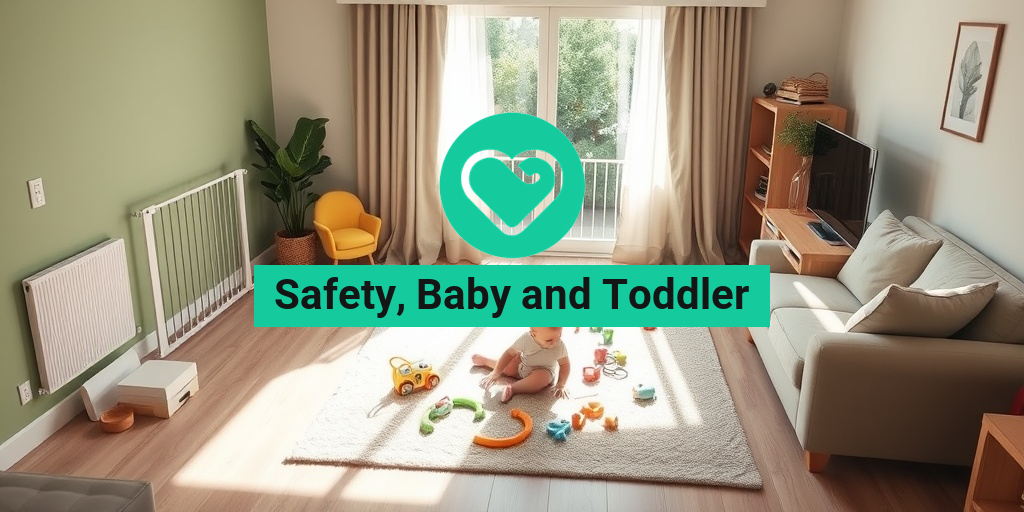
Ensuring the safety of your little one is a top priority for every parent. From the moment your baby arrives, the world can seem like a big, unpredictable place. Understanding baby safety is crucial for creating a secure environment where your child can thrive. Here are some essential aspects to consider:
Safe Sleeping Practices
One of the most critical areas of baby safety is sleep. The American Academy of Pediatrics recommends the following guidelines to reduce the risk of Sudden Infant Death Syndrome (SIDS):
- Always place your baby on their back to sleep, whether in a crib, bassinet, or play yard.
- Use a firm mattress with a fitted sheet, avoiding soft bedding, pillows, or toys in the crib.
- Keep the baby’s sleep area free from smoke and ensure a comfortable room temperature.
Choosing the right mattress is also essential. Consider options like the Safety 1st standard baby and toddler mattress, which is designed with safety in mind.
Baby-Proofing Your Home
As your baby grows, they will become more mobile, making it vital to baby-proof your home. Here are some tips:
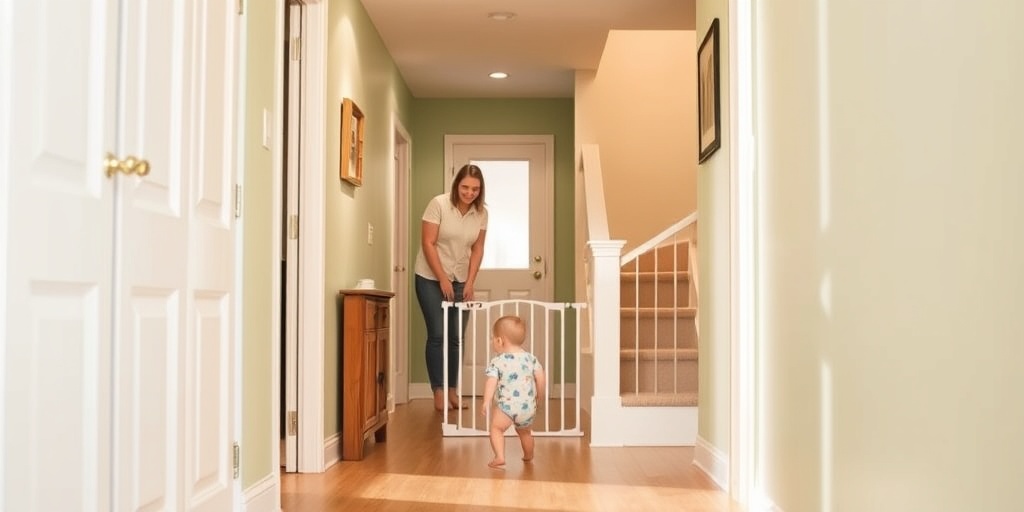
- Install safety gates at the top and bottom of stairs.
- Secure heavy furniture to the wall to prevent tipping.
- Cover electrical outlets with safety plugs.
- Keep hazardous materials, such as cleaning supplies and medications, out of reach.
For more detailed information on baby-proofing, resources like Yesil Health AI can provide evidence-based answers to your questions.
Car Safety Essentials
When it comes to traveling with your baby, car safety is paramount. Always use a car seat that is appropriate for your child’s age and size. The safest baby toddler car seat will meet or exceed safety standards and should be installed correctly. Remember to:
- Keep your baby in a rear-facing car seat for as long as possible.
- Follow the manufacturer’s instructions for installation.
- Regularly check the car seat for recalls and safety updates.
Common Toddler Hazards
As your baby transitions into a toddler, new safety challenges arise. Understanding common toddler hazards can help you create a safer environment for your growing child.
Choking Hazards
Toddlers are naturally curious and often put objects in their mouths. To minimize the risk of choking:
- Cut food into small, manageable pieces.
- Avoid giving hard candies, nuts, or popcorn.
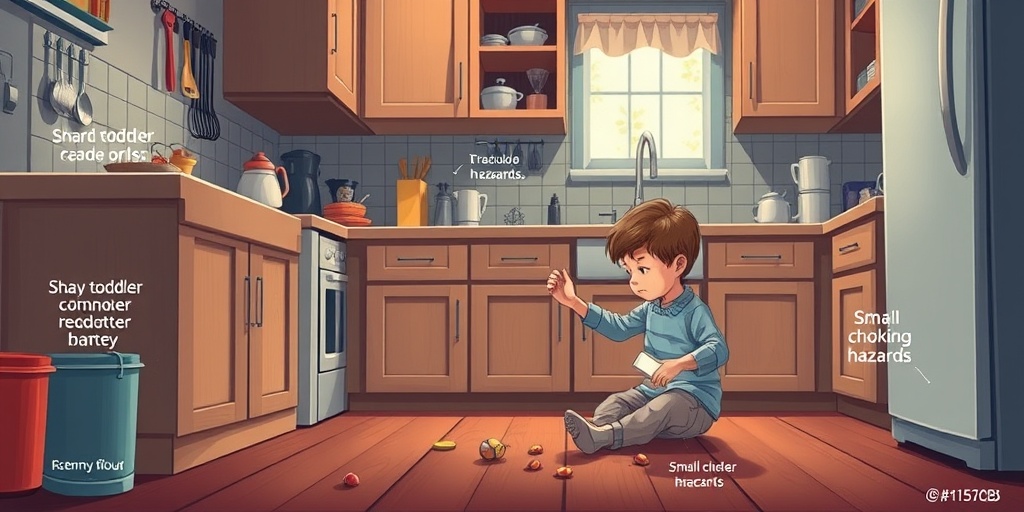
- Regularly check play areas for small objects that could pose a choking risk.
Falls and Injuries
As toddlers become more mobile, falls are a common concern. Here are some tips to prevent injuries:
- Use safety gates to block stairways.
- Ensure that furniture is stable and free from sharp edges.
- Supervise your child during playtime, especially on playground equipment.
Poisoning Risks
Many household items can be toxic to toddlers. To keep your child safe:
- Store cleaning supplies and medications in locked cabinets.
- Keep plants out of reach, as some can be poisonous.
- Educate older siblings about the dangers of certain substances.
By being proactive and aware of these common hazards, you can significantly reduce the risk of accidents and injuries in your home.
In conclusion, understanding baby and toddler safety is essential for every parent. By implementing safety measures and staying informed, you can create a nurturing environment where your child can explore and grow safely. For more tips and resources, don’t hesitate to visit Yesil Health AI for reliable health information. 🌟
Safe Sleep Practices
Ensuring your baby or toddler sleeps safely is one of the most important aspects of parenting. With the right practices, you can significantly reduce the risk of sleep-related incidents. Here are some essential safe sleep practices to consider:
1. Choose the Right Sleep Surface
When it comes to sleep surfaces, the safety 1st standard baby and toddler mattress is a popular choice among parents. It’s designed to provide the right support while ensuring safety. Always place your baby on a firm mattress that fits snugly in the crib or bassinet, with no gaps where the baby could get trapped.
2. Follow the ABCs of Safe Sleep
The ABCs of safe sleep stand for:
- A – Alone: Always place your baby in their own sleep space, such as a crib or bassinet, without any other children or adults.
- B – Back: Always lay your baby down on their back to sleep, as this position significantly reduces the risk of Sudden Infant Death Syndrome (SIDS).
- C – Crib: Use a crib or bassinet that meets current safety standards, ensuring it has a firm mattress and no soft bedding.
3. Keep the Sleep Environment Safe
Make sure the sleep area is free from hazards. Avoid using soft bedding, pillows, or stuffed animals in the crib, as these can pose suffocation risks. Instead, dress your baby in a sleep sack or wearable blanket to keep them warm without the need for loose blankets.
4. Monitor Room Temperature
Maintaining a comfortable room temperature is crucial for safe sleep. The ideal temperature is between 68°F and 72°F (20°C to 22°C). Overheating can increase the risk of SIDS, so dress your baby appropriately for the temperature and avoid heavy blankets.
5. Regularly Check on Your Baby
While it’s important to let your baby sleep independently, it’s also essential to check on them regularly. Use a baby monitor to keep an eye on them from another room, ensuring they are safe and comfortable.
Childproofing Your Home
Childproofing your home is a vital step in ensuring the safety of your baby and toddler. As they grow and become more mobile, the risks around the house increase. Here are some effective strategies for childproofing your home:
1. Secure Furniture and Appliances
As toddlers start to explore, they may pull themselves up on furniture or climb on items. Secure heavy furniture, such as bookshelves and dressers, to the wall to prevent tipping. Additionally, ensure that appliances are out of reach or secured to avoid accidents.
2. Install Safety Gates
Safety gates are essential for keeping your little ones safe from stairs and other hazardous areas. Install gates at the top and bottom of staircases, and use them to block off rooms that are not child-friendly. Make sure the gates are sturdy and meet safety standards.
3. Cover Electrical Outlets
Electrical outlets can be a significant hazard for curious toddlers. Use outlet covers to prevent little fingers from poking into sockets. Additionally, consider using cord organizers to keep electrical cords out of reach and prevent tripping hazards.
4. Store Hazardous Items Safely
Keep cleaning supplies, medications, and other hazardous materials in locked cabinets or high shelves. Use childproof locks on cabinets to ensure that your toddler cannot access dangerous items. Always read labels and keep products in their original containers.
5. Create a Safe Play Area
Designate a safe play area for your baby or toddler, filled with age-appropriate toys. Use soft mats or rugs to cushion falls and remove any small objects that could pose a choking hazard. Regularly inspect the play area to ensure it remains safe and clean.
By implementing these safety tips for babies and toddlers, you can create a secure environment that allows your little ones to explore and grow safely. Remember, safety is an ongoing process, so stay vigilant and adapt your home as your child develops new skills and interests. 🏡✨
Car Seat Safety Tips
Ensuring the safety of your little ones while traveling is a top priority for every parent. Car seats are essential for protecting babies and toddlers during car rides. Here are some crucial car seat safety tips to keep in mind:
Choose the Right Car Seat
When selecting a car seat, it’s vital to choose one that fits your child’s age, weight, and height. There are three main types of car seats:
- Infant Car Seats: Designed for newborns and infants up to 22-35 pounds, these seats are rear-facing and provide the best protection for young children.
- Convertible Car Seats: These can be used as both rear-facing and forward-facing seats, accommodating children from infancy to toddlerhood.
- Booster Seats: For older toddlers and young children, booster seats help position the seat belt correctly across their body.
Installation Matters
Proper installation of the car seat is crucial for safety. Follow these guidelines:
- Read the car seat manual and your vehicle’s owner manual for specific instructions.
- Ensure the car seat is tightly secured and does not move more than an inch side to side or front to back.
- Use either the seat belt or the LATCH system, but not both simultaneously.
Rear-Facing is Best
For infants and toddlers, keeping the car seat rear-facing is the safest option. The American Academy of Pediatrics recommends that children remain in a rear-facing seat until they reach the maximum weight or height limit set by the car seat manufacturer, typically around 2 years old. This position helps protect their head, neck, and spine in the event of a crash.
Regularly Check for Recalls
Stay informed about any recalls on car seats. You can check the NHTSA website for updates and ensure your car seat is safe and compliant with current safety standards.
Practice Safe Habits
Always buckle your child in before starting the car. Make it a habit to check that the harness is snug and secure. The straps should lie flat against your child’s shoulders, and the chest clip should be at armpit level. 🚗
First Aid for Babies and Toddlers
Accidents can happen at any time, and knowing basic first aid for babies and toddlers can make a significant difference in an emergency. Here are some essential first aid tips to keep in mind:
Common Injuries and How to Respond
Understanding how to handle common injuries can help you respond effectively:
- Minor Cuts and Scrapes: Clean the wound with soap and water, apply an antiseptic, and cover it with a bandage.
- Burns: For minor burns, run cool (not cold) water over the burn for 10-20 minutes. Do not apply ice or ointments. Seek medical attention for severe burns.
- Choking: If your child is choking and cannot breathe, perform back blows and abdominal thrusts (the Heimlich maneuver) if they are old enough. For infants, use back blows and chest thrusts.
Recognizing Signs of Illness
Being aware of your child’s health is crucial. Look for these signs that may indicate a need for medical attention:
- High fever (over 100.4°F for infants under 3 months)
- Persistent vomiting or diarrhea
- Unusual lethargy or irritability
CPR Basics
Knowing how to perform CPR can save a life. Here’s a brief overview:
- For Infants: Place the infant on a firm surface, give 30 gentle chest compressions, followed by 2 rescue breaths.
- For Toddlers: Use the same technique as for infants, but use one hand for compressions.
Keep a First Aid Kit Handy
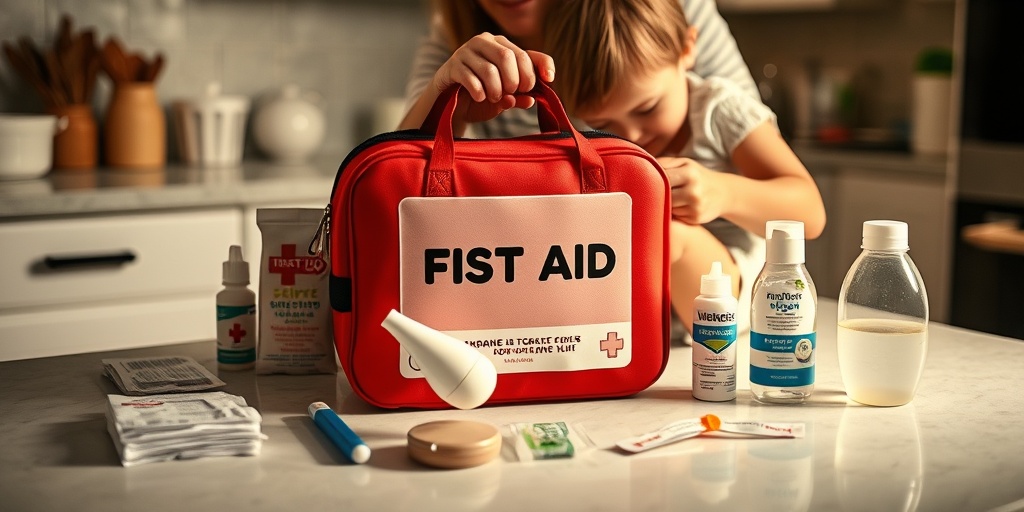
Having a well-stocked first aid kit at home and in your car is essential. Include items like band-aids, antiseptic wipes, gauze, and a digital thermometer. 🩹
By being prepared and informed, you can ensure the safety and well-being of your baby and toddler in various situations. Remember, knowledge is power when it comes to keeping your little ones safe!
Outdoor Safety Guidelines
When it comes to ensuring the safety of your little ones, outdoor activities can present unique challenges. Whether you’re heading to the park, the beach, or simply playing in the backyard, understanding outdoor safety guidelines is essential for keeping your baby and toddler safe. Here are some key considerations to keep in mind:
1. Supervision is Key
Always keep a watchful eye on your children when they are playing outside. Active supervision means being close enough to intervene if necessary. This is especially important in crowded areas or near water. Remember, toddlers are naturally curious and can quickly get into trouble!
2. Choose Safe Play Areas
When selecting a location for outdoor play, look for areas that are specifically designed for children. Parks with fenced-in play areas or soft surfaces can help minimize the risk of injury. Avoid places near busy roads or areas with potential hazards like steep drops or water bodies.
3. Dress Appropriately
Ensure your child is dressed for the weather and activity. Lightweight, breathable clothing is ideal for warm days, while layers are essential for cooler weather. Don’t forget to apply sunscreen to protect their delicate skin from harmful UV rays, even on cloudy days! ☀️
4. Use Safety Gear
For activities like biking or skating, always equip your toddler with the appropriate safety gear, including helmets, knee pads, and elbow pads. This can significantly reduce the risk of injury and instill good safety habits from a young age.
5. Teach Basic Safety Rules
As your child grows, teaching them basic safety rules can empower them to make safe choices. Discuss the importance of staying close to you, not talking to strangers, and what to do in case they get lost. Role-playing these scenarios can help reinforce their understanding.
6. Be Aware of Allergies and Hazards
Outdoor environments can expose your child to various allergens and hazards. Be mindful of pollen, insect bites, and plants that may cause skin irritation. Always carry a first-aid kit with essentials like antiseptic wipes, band-aids, and allergy medication if needed.
7. Hydration is Essential
Keep your little ones hydrated, especially during hot weather. Encourage them to drink water regularly, and always have a water bottle on hand. Dehydration can happen quickly in young children, so it’s crucial to stay vigilant. 💧
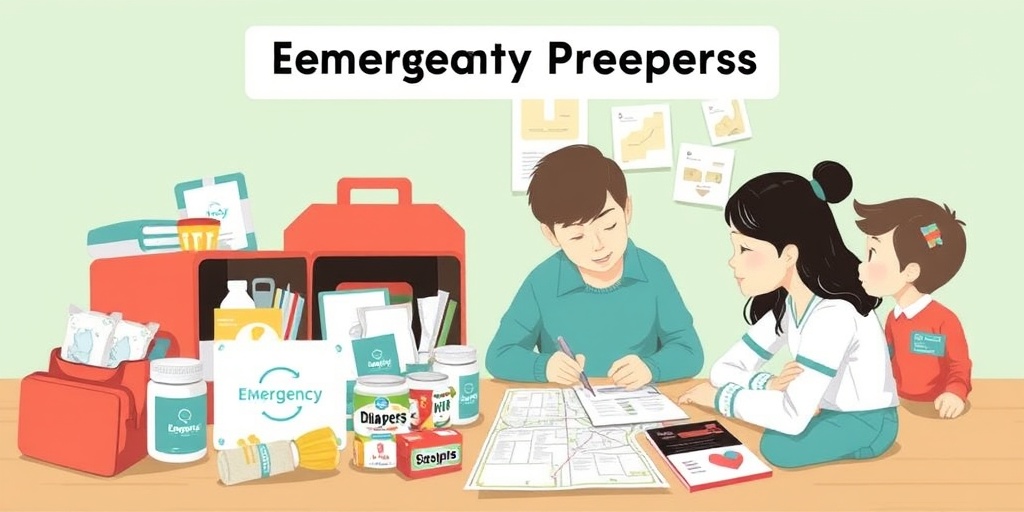
Emergency Preparedness for Families
Being prepared for emergencies is vital for every family, especially those with babies and toddlers. Having a plan in place can make all the difference in ensuring your family’s safety during unexpected situations. Here are some essential tips for emergency preparedness:
1. Create an Emergency Plan
Develop a comprehensive emergency plan that includes evacuation routes, meeting points, and contact information for family members. Make sure everyone in the family understands the plan, including your older children. Regularly review and practice the plan to ensure everyone is familiar with it.
2. Assemble a Family Emergency Kit
Your emergency kit should include essential items such as:
- First-aid supplies (band-aids, antiseptic, etc.)
- Non-perishable food and snacks
- Water (at least one gallon per person per day)
- Flashlights and batteries
- Medications for your children
- Important documents (birth certificates, insurance info)
3. Know Emergency Contacts
Keep a list of emergency contacts readily available. This should include family members, neighbors, and local emergency services. Make sure your children know how to reach you or another trusted adult in case of an emergency.
4. Practice Fire Safety
Teach your children about fire safety, including how to stop, drop, and roll. Conduct regular fire drills at home so they know how to exit safely in case of a fire. Install smoke detectors and check them regularly to ensure they are functioning properly.
5. Stay Informed
Stay updated on local weather conditions and emergency alerts. Having a weather radio or a reliable app can help you receive timely information about severe weather or other emergencies that may affect your area.
6. Prepare for Natural Disasters
Depending on your location, familiarize yourself with the types of natural disasters that may occur, such as earthquakes, floods, or hurricanes. Create specific plans for each scenario, including how to secure your home and where to go for safety.
7. Teach Your Children About Safety
Empower your children by teaching them about safety and emergency procedures. Use age-appropriate language and role-play different scenarios to help them understand what to do in various situations. This knowledge can help them feel more secure and confident. 🛡️
Frequently Asked Questions about Safety, Baby and Toddler
What are some essential safety tips for babies and toddlers at home? 🏡
Ensuring a safe environment for your little ones is crucial. Here are some key safety tips:
- Always use safety gates to block stairs and hazardous areas.
- Secure heavy furniture to the wall to prevent tipping.
- Keep small objects and choking hazards out of reach.
- Use outlet covers to protect curious fingers from electrical sockets.
- Store cleaning supplies and medications in locked cabinets.
How can I ensure my baby is safe while traveling in a car? 🚗
Choosing the safest baby toddler car seat is essential for travel safety. Here are some tips:
- Always use a car seat that is appropriate for your child’s age and weight.
- Follow the manufacturer’s instructions for installation carefully.
- Ensure the harness is snug and secure every time you buckle your child in.
- Keep your child in a rear-facing car seat for as long as possible.
What should I consider when baby wearing a toddler? 👶👧
Baby wearing can be a great way to bond with your child while keeping them safe. Here are some considerations:
- Choose a carrier that supports your toddler’s weight and size.
- Ensure the carrier provides proper support for your child’s back and hips.
- Be mindful of your surroundings to avoid tripping hazards.
- Practice putting the carrier on and taking it off safely before using it with your toddler.
How can I interact safely with babies and toddlers? 🤗
Engaging with your little ones is important for their development. Here are some safe interaction tips:
- Always supervise playtime to prevent accidents.
- Use age-appropriate toys that are free from small parts.
- Encourage gentle play and teach them about personal space.
- Be aware of their emotional cues and respond appropriately.
What are some common safety concerns for babies and toddlers? ⚠️
Understanding common safety concerns can help you prepare better:
- Choking hazards from small toys or food items.
- Falls from furniture or stairs.
- Burns from hot surfaces or liquids.
- Poisoning from household chemicals or medications.
Where can I find reliable resources for baby and toddler safety? 📚
For trustworthy information, consider the following resources:
- The NHS website offers guidelines on baby and toddler safety.
- Parenting books and online forums can provide personal experiences and tips.
- Consult your pediatrician for specific safety advice tailored to your child.
How can I create a safe play environment for my toddler? 🎠
Creating a safe play area is essential for your toddler’s exploration:
- Choose soft flooring or mats to cushion falls.
- Remove sharp objects and furniture with corners.
- Provide safe, age-appropriate toys that stimulate creativity.
- Regularly inspect the play area for potential hazards.
By following these guidelines and tips, you can ensure a safer environment for your baby and toddler, allowing them to explore and grow with confidence!