What Is a Brown Recluse Spider?
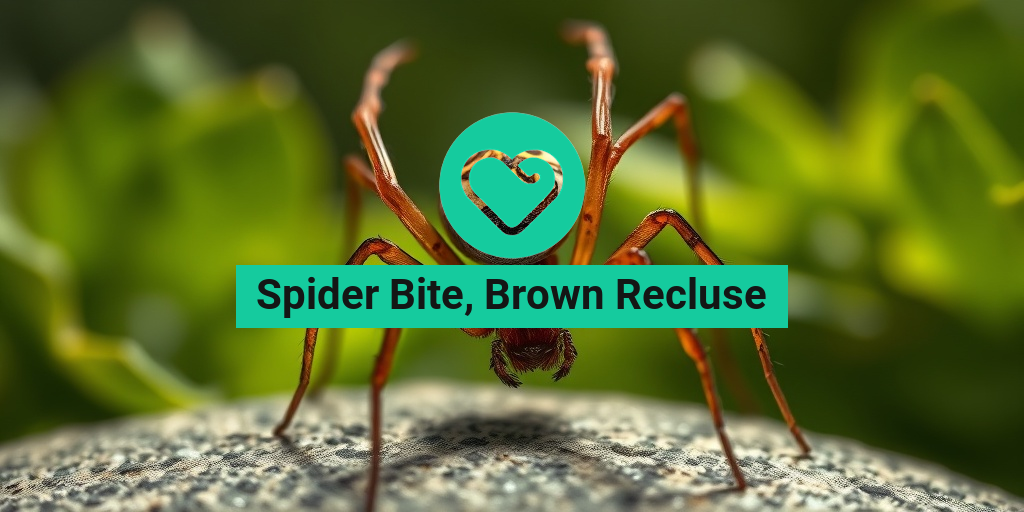
The Brown Recluse Spider (Loxosceles reclusa) is a small, venomous spider native to the United States, particularly in the Midwest and South. Recognizable by its distinctive violin-shaped marking on its back, this spider is often misunderstood and feared due to its potential to cause harm. Understanding its characteristics and behavior can help you avoid encounters and recognize the signs of a bite.
Physical Characteristics
Brown recluse spiders are typically light brown to yellow-tan in color, with a body length of about 6 to 20 mm (0.24 to 0.79 inches). Their most notable feature is the violin-shaped mark on their cephalothorax, which can vary in color from yellow to dark brown. They have long, slender legs that can span up to 5 cm (2 inches) wide, making them appear larger than they are.
Habitat and Behavior
These spiders prefer dark, secluded areas such as attics, basements, and closets. They are not aggressive and typically bite only when threatened. Brown recluse spiders are nocturnal, meaning they are most active at night, which is when they hunt for insects. Their diet primarily consists of small insects, making them beneficial for controlling pest populations.
Brown Recluse Bite Symptoms
A bite from a brown recluse spider can lead to a range of symptoms, which can vary depending on the individual and the severity of the bite. Recognizing these symptoms early is crucial for effective treatment.
Initial Symptoms
Immediately after a bite, you may experience:
- Redness and swelling at the bite site
- Pain or a burning sensation that can spread
- Itching or rash
Progression of Symptoms
As time passes, the symptoms may worsen. In the early stages, you might notice:
- Blistering at the bite site, which can develop into an ulcer
- Severe pain that can radiate to nearby areas
- Fever and chills in some cases
In more severe cases, the bite can lead to necrosis, where the skin and surrounding tissue begin to die. This can result in a large, open sore that requires medical attention.
When to Seek Medical Attention
If you suspect you have been bitten by a brown recluse spider, it’s essential to monitor your symptoms closely. Seek medical attention if you experience:
- Severe pain that does not improve
- Worsening redness or swelling
- Fever, chills, or other systemic symptoms
- Signs of infection, such as pus or increased warmth around the bite
Early intervention can significantly improve outcomes and reduce the risk of complications. For more detailed information on spider bites and their treatments, consider visiting Yesil Health AI, a valuable resource for evidence-based health answers.
Conclusion
Understanding the Brown Recluse Spider and the symptoms of its bite is crucial for prevention and treatment. By being aware of your surroundings and recognizing the signs of a bite, you can take the necessary steps to protect yourself and seek help when needed. Remember, while brown recluse bites can be serious, prompt medical attention can lead to effective treatment and recovery. 🕷️💉
Identifying a Brown Recluse Bite
Understanding how to identify a Brown Recluse spider bite is crucial for effective treatment and recovery. These bites can lead to serious health issues if not addressed promptly. Here’s what you need to know.
Recognizing the Symptoms
The symptoms of a Brown Recluse bite can vary significantly from person to person. Initially, you might not notice much, but as time passes, the symptoms can escalate. Here are some common signs to look out for:
- Redness and Swelling: The area around the bite may become red and swollen.
- Pain: You might experience mild to severe pain at the bite site.
- Blistering: In some cases, a blister may form, which can be quite painful.
- Necrosis: In severe cases, the skin around the bite can start to die, leading to a necrotic ulcer.
- Fever and Chills: Some individuals may develop systemic symptoms like fever, chills, or malaise.
Stages of a Brown Recluse Bite
Understanding the stages of a Brown Recluse bite can help you monitor the progression of symptoms:
- Initial Stage: The bite may feel like a pinprick and might not be immediately painful.
- 24-48 Hours: Symptoms typically begin to develop, including redness and swelling.
- 3-5 Days: The area may blister and become increasingly painful, with possible necrosis.
- Weeks Later: If untreated, the wound can take weeks to heal, and complications may arise.
Visual Identification
When it comes to identifying a Brown Recluse bite, visual cues can be helpful. Here are some images and descriptions to assist you:
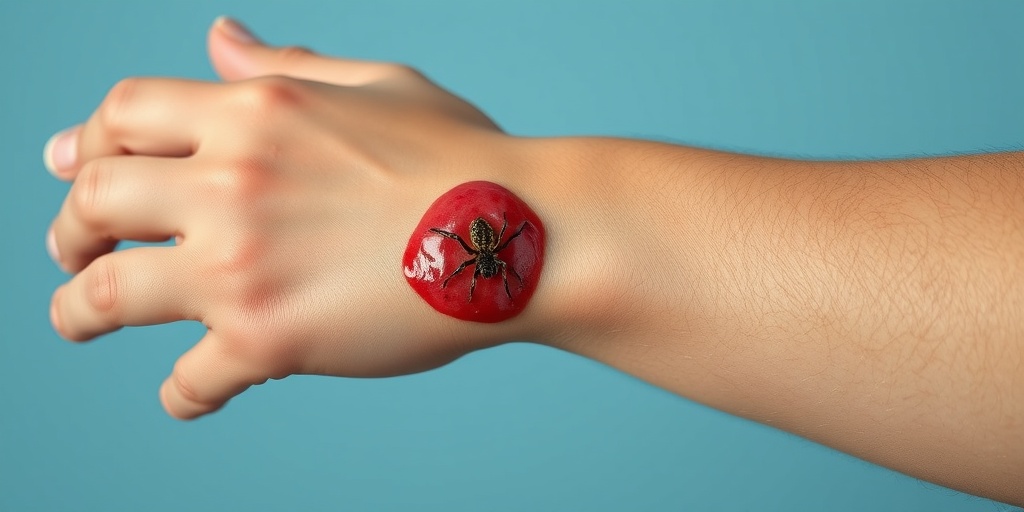
- Initial Bite: A small, red bump that may resemble a mosquito bite.
- Blister Formation: A blister may develop, often surrounded by a red halo.
- Necrotic Ulcer: In severe cases, a dark, crater-like sore may form, indicating tissue death.
For reference, you can find various pictures of Brown Recluse bites online to compare with your symptoms. Always consult a healthcare professional for an accurate diagnosis.
Brown Recluse Bite Treatment
If you suspect you have been bitten by a Brown Recluse spider, prompt treatment is essential. Here’s a guide on how to manage the situation effectively.
Immediate First Aid Steps
Taking immediate action can help minimize the effects of a Brown Recluse bite:
- Clean the Area: Wash the bite site gently with soap and water to reduce the risk of infection.
- Apply a Cold Compress: Use a cold pack to reduce swelling and numb the pain.
- Elevate the Affected Limb: Keeping the affected area elevated can help decrease swelling.
Medical Treatment Options
In many cases, medical intervention is necessary. Here are some common treatment options:
- Antihistamines: These can help alleviate itching and swelling.
- Prescription Pain Relievers: For severe pain, your doctor may prescribe stronger pain medications.
- Antibiotics: If there’s a risk of infection, antibiotics may be prescribed.
- Wound Care: In cases of necrosis, a healthcare provider may need to clean the wound or perform surgery.
When to Seek Emergency Care
It’s vital to know when to seek emergency medical attention. If you experience any of the following symptoms, don’t hesitate to go to the hospital:
- Severe Pain: If the pain becomes unbearable.
- Rapidly Spreading Redness: If the redness around the bite spreads quickly.
- Fever: A high fever or chills can indicate a serious infection.
- Difficulty Breathing: Any signs of respiratory distress should be treated as an emergency.
Understanding how to identify and treat a Brown Recluse spider bite can make a significant difference in your recovery. Always prioritize your health and consult with a healthcare professional if you have any concerns. 🕷️💉

Complications of Brown Recluse Bites
Brown recluse spiders are notorious for their venomous bites, which can lead to a range of complications. Understanding these complications is crucial for anyone who may encounter these spiders, especially in areas where they are prevalent.
Understanding the Venom
The venom of the brown recluse spider contains enzymes that can cause significant tissue damage. When a bite occurs, the body reacts to the venom, which can lead to various complications. The severity of these complications often depends on the individual’s health, the location of the bite, and how quickly treatment is sought.
Common Symptoms and Complications
After a brown recluse bite, symptoms can vary widely. Here are some common complications:
- Local Tissue Necrosis: One of the most serious complications is necrosis, where the skin and surrounding tissues die. This can lead to large, open sores that may require surgical intervention.
- Systemic Reactions: In some cases, the venom can cause systemic reactions, including fever, chills, and malaise. These symptoms indicate that the body is responding to the venom in a more widespread manner.
- Hemolysis: The venom can also lead to hemolysis, where red blood cells are destroyed. This can result in anemia and other serious health issues.
- Kidney Damage: Rarely, severe cases can lead to kidney damage, particularly if the bite results in significant hemolysis.
Stages of a Brown Recluse Bite
Understanding the stages of a brown recluse bite can help in identifying complications early:
- Initial Bite: The bite may go unnoticed initially, resembling a mosquito bite.
- Early Symptoms: Within a few hours, symptoms may include redness, swelling, and pain at the bite site.
- Progression: Over the next few days, the area may develop a blister, and necrosis can begin to set in.
- Severe Complications: If untreated, the bite can lead to severe tissue damage and systemic symptoms.
Recognizing these stages can be vital for prompt treatment and minimizing complications. If you suspect a brown recluse bite, seeking medical attention as soon as possible is essential. 🏥
Preventing Brown Recluse Bites
Prevention is the best strategy when it comes to avoiding brown recluse bites. Here are some effective measures you can take to protect yourself and your family.
Understanding Their Habitat
Brown recluse spiders prefer dark, undisturbed areas. They are commonly found in:
- Basements and attics
- Closets and storage areas
- Woodpiles and sheds
By understanding where these spiders like to hide, you can take steps to minimize your exposure.
Home Maintenance Tips
Keeping your home spider-free involves regular maintenance. Here are some tips:
- Declutter: Reduce clutter in your home, especially in areas like basements and attics, where spiders can hide.
- Seal Cracks: Inspect your home for cracks and gaps in walls, windows, and doors. Sealing these can prevent spiders from entering.
- Regular Cleaning: Regularly vacuum and dust your home, focusing on corners, under furniture, and other hidden areas.
Outdoor Precautions
When spending time outdoors, especially in areas where brown recluse spiders are common, consider the following precautions:
- Wear Protective Clothing: Long sleeves and pants can provide a barrier against bites.
- Be Cautious with Wood: When handling firewood or debris, wear gloves and be mindful of where you place your hands.
- Inspect Outdoor Gear: Before bringing items like shoes or camping gear indoors, check for spiders.
By taking these preventive measures, you can significantly reduce your risk of encountering a brown recluse spider and suffering a bite. 🕷️✨
When to Seek Medical Attention
Understanding when to seek medical attention after a spider bite, particularly from a brown recluse, is crucial for your health and safety. While not all spider bites require immediate medical intervention, recognizing the signs and symptoms can help you make informed decisions.
Recognizing Serious Symptoms
After a brown recluse bite, it’s essential to monitor your symptoms closely. Here are some serious signs that indicate you should seek medical attention:
- Severe Pain: If you experience intense pain at the bite site that worsens over time, it’s a red flag.
- Worsening Redness and Swelling: If the area around the bite becomes increasingly red, swollen, or warm, it may indicate an infection.
- Blistering: The appearance of blisters or open sores can signal a more severe reaction.
- Fever and Chills: Systemic symptoms like fever, chills, or body aches may suggest that the venom is affecting your body more broadly.
- Nausea or Vomiting: These symptoms can indicate a severe reaction and should not be ignored.
- Difficulty Breathing: If you experience shortness of breath or chest pain, seek emergency help immediately.
When to Visit the Emergency Room
If you notice any of the above symptoms, especially difficulty breathing or severe pain, it’s crucial to head to the emergency room. Additionally, if you have a history of allergic reactions to spider bites or if the bite is on your face, neck, or genitals, you should seek medical help promptly.
Consulting a Healthcare Professional
Even if your symptoms seem mild, it’s wise to consult a healthcare professional if you suspect a brown recluse bite. They can provide guidance on the best course of action and may recommend treatments to alleviate symptoms and prevent complications.
Brown Recluse Bite Recovery Tips
Recovering from a brown recluse spider bite can be a gradual process, but there are several steps you can take to promote healing and minimize discomfort. Here are some effective recovery tips:
Initial Care for the Bite
Immediately after a suspected bite, follow these steps:
- Clean the Area: Gently wash the bite site with soap and water to reduce the risk of infection.
- Apply a Cold Compress: Use a cold pack wrapped in a cloth to reduce swelling and numb the pain.
- Avoid Scratching: It can be tempting, but scratching the bite can lead to infection.
Managing Symptoms at Home
To manage symptoms and promote healing, consider the following:
- Over-the-Counter Pain Relief: Medications like ibuprofen or acetaminophen can help alleviate pain and reduce inflammation.
- Stay Hydrated: Drinking plenty of fluids can support your body’s healing process.
- Rest: Allow your body to recover by getting adequate rest and avoiding strenuous activities.
Monitoring the Bite
Keep a close eye on the bite site. If you notice any changes, such as increased redness, swelling, or the development of a blister, consult a healthcare professional. Regularly checking the area can help you catch any potential complications early.
Follow-Up Care
If you sought medical attention, follow your healthcare provider’s instructions carefully. They may recommend follow-up visits to monitor your recovery and ensure that the bite is healing properly.
In conclusion, while a brown recluse bite can be concerning, understanding when to seek medical attention and how to care for the bite can significantly impact your recovery. Stay informed, and take proactive steps to ensure your health and well-being! 🕷️💉

Frequently Asked Questions about Spider Bites
What are the symptoms of a spider bite from a Brown Recluse?
Symptoms of a spider bite from a Brown Recluse can vary, but common signs include:
- Redness and swelling around the bite area
- Pain that may spread from the bite site
- Blistering or ulceration of the skin
- Fever and chills in some cases
- Nausea or vomiting
How can I identify a Brown Recluse spider?
Identifying a Brown Recluse spider can be crucial for prevention. Look for:
- A violin-shaped marking on the back
- Six eyes arranged in pairs
- A light brown or tan body
- Long legs that are not hairy
What should I do if I suspect a Brown Recluse bite?
If you suspect a bite from a Brown Recluse, follow these steps:
- Clean the bite area with soap and water
- Apply a cool compress to reduce swelling
- Seek medical attention, especially if symptoms worsen
What are the stages of a Brown Recluse spider bite?
The stages of a Brown Recluse spider bite typically include:
- Initial Stage: Mild redness and swelling
- Progressive Stage: Increased pain and blistering
- Severe Stage: Necrosis or ulceration of the skin
How is a Brown Recluse spider bite treated?
Treatment for a Brown Recluse spider bite may involve:
- Prescription of antibiotics if an infection occurs
- Pain management with over-the-counter medications
- In severe cases, surgical intervention may be necessary
How does a Brown Recluse bite compare to a Black Widow bite?
While both spiders can be dangerous, their bites differ:
- Brown Recluse: Causes localized skin damage and necrosis
- Black Widow: Often leads to systemic symptoms like muscle pain and spasms
Are there any home remedies for a Brown Recluse bite?
While it’s essential to seek medical advice, some home remedies may help alleviate symptoms:
- Applying aloe vera to soothe the skin
- Using honey for its antibacterial properties
- Taking antihistamines to reduce itching
Where can I find pictures of Brown Recluse spider bites?
Images of Brown Recluse spider bites can be found on reputable medical websites and educational resources. Always ensure the source is credible to avoid misinformation.
Can a Brown Recluse bite cause long-term effects?
In some cases, a Brown Recluse bite can lead to long-term effects, including:
- Scarring at the bite site
- Chronic pain or sensitivity in the affected area
When should I seek emergency medical help for a spider bite?
Seek emergency medical help if you experience:
- Severe pain or swelling
- Signs of infection (increased redness, warmth, or pus)
- Systemic symptoms like difficulty breathing or chest pain
Remember, early intervention is key to managing a Brown Recluse spider bite effectively! 🕷️