What Are Uterine Fibroids?
Uterine fibroids, also known as leiomyomas or myomas, are non-cancerous growths that develop in the muscular wall of the uterus. These tumors can vary in size, shape, and number, and they are quite common among women of reproductive age. In fact, it is estimated that up to 70-80% of women will develop fibroids by the age of 50. While many women may have fibroids without experiencing any symptoms, others may face significant health challenges due to their presence.
Understanding the Structure and Types of Uterine Fibroids
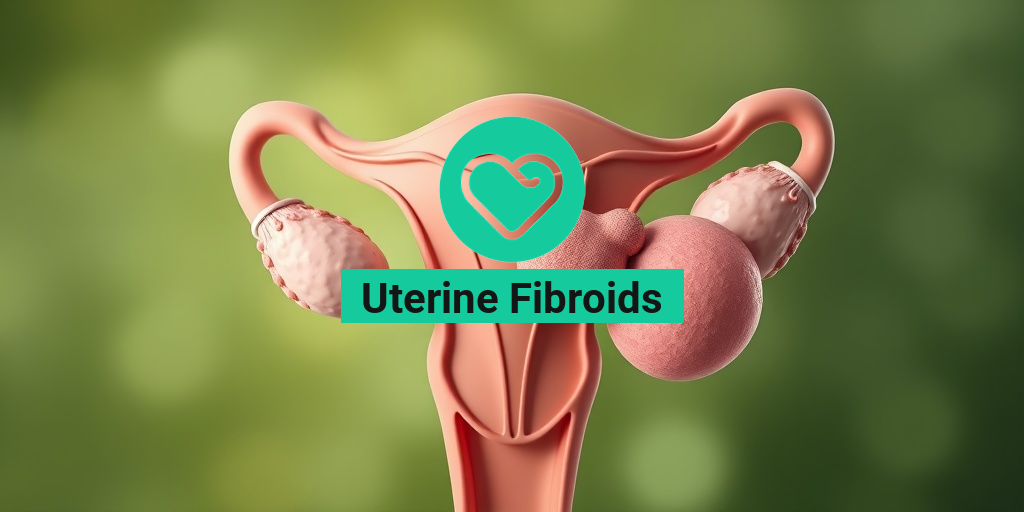
Uterine fibroids can be classified into several types based on their location:
- Intramural Fibroids: These are the most common type and grow within the uterine wall.
- Subserosal Fibroids: These fibroids develop on the outer surface of the uterus and can sometimes extend outward.
- Submucosal Fibroids: Located just beneath the lining of the uterus, these fibroids can protrude into the uterine cavity.
- Pedunculated Fibroids: These fibroids are attached to the uterus by a stalk and can be found either inside or outside the uterus.
The exact cause of uterine fibroids remains unclear, but several factors may contribute to their development, including hormonal influences, genetic predisposition, and environmental factors. Estrogen and progesterone, hormones that regulate the menstrual cycle, are believed to play a significant role in fibroid growth.
Uterine Fibroids Symptoms
While some women with uterine fibroids may not experience any symptoms, others may face a range of issues that can significantly impact their quality of life. Recognizing the symptoms of uterine fibroids is crucial for early diagnosis and effective treatment.
Common Symptoms of Uterine Fibroids
Here are some of the most common symptoms associated with uterine fibroids:
- Heavy Menstrual Bleeding: One of the most prevalent symptoms, many women report experiencing heavy periods (menorrhagia) that may last longer than usual.
- Pelvic Pain or Pressure: Fibroids can cause discomfort or a feeling of fullness in the pelvic area, which may be mistaken for other conditions.
- Frequent Urination: If fibroids press against the bladder, they can lead to increased urination or difficulty emptying the bladder completely.
- Back Pain: Some women may experience lower back pain due to the pressure exerted by fibroids on surrounding structures.
- Difficulty with Pregnancy: In some cases, fibroids can interfere with fertility or lead to complications during pregnancy.
When to Seek Medical Advice
If you experience any of the symptoms mentioned above, it is essential to consult a healthcare professional. Early diagnosis can help in managing symptoms effectively and determining the best course of action. Diagnostic methods may include pelvic exams, ultrasounds, or MRI scans to assess the size and location of the fibroids.
For more information on uterine fibroids and their management, consider visiting Yesil Health AI, a valuable resource for evidence-based health answers.
In conclusion, understanding uterine fibroids is vital for women’s health. By recognizing the symptoms and seeking appropriate medical advice, women can take proactive steps towards managing their health and well-being. 🌸

Causes of Uterine Fibroids
Uterine fibroids, also known as leiomyomas or myomas, are non-cancerous growths that develop in the uterus. Understanding the causes of uterine fibroids is crucial for effective management and treatment. While the exact cause remains unclear, several factors are believed to contribute to their development.
Hormonal Influences
One of the primary factors linked to the formation of uterine fibroids is the influence of hormones, particularly estrogen and progesterone. These hormones play a significant role in the menstrual cycle and are known to stimulate the growth of uterine tissue. Fibroids often grow during a woman’s reproductive years when hormone levels are at their peak and may shrink after menopause when hormone levels decline.
Genetic Factors
Genetics also play a role in the development of uterine fibroids. Studies have shown that women with a family history of fibroids are more likely to develop them themselves. Specific genetic mutations have been identified in some fibroids, suggesting that hereditary factors may contribute to their formation.
Other Contributing Factors
In addition to hormonal and genetic influences, several other factors may contribute to the development of uterine fibroids:
- Age: Fibroids are more common in women aged 30 to 40 years.
- Obesity: Excess body weight can increase estrogen levels, potentially leading to fibroid growth.
- Diet: A diet high in red meat and low in fruits and vegetables may increase the risk of fibroids.
- Vitamin D Deficiency: Some studies suggest that low levels of vitamin D may be linked to an increased risk of fibroids.
While these factors can contribute to the development of uterine fibroids, it is essential to remember that not all women with these risk factors will develop fibroids. Each individual’s situation is unique, and further research is needed to fully understand the complexities of fibroid formation. 🌼
Risk Factors for Uterine Fibroids
Identifying the risk factors for uterine fibroids can help women understand their likelihood of developing these growths and encourage proactive health measures. Here are some of the most significant risk factors associated with uterine fibroids:
Age and Reproductive History
As mentioned earlier, age is a significant risk factor. Women in their 30s and 40s are at a higher risk of developing fibroids. Additionally, women who have never given birth (nulliparous women) are more likely to develop fibroids compared to those who have had children.
Ethnicity
Research indicates that African American women are more likely to develop uterine fibroids than women of other ethnicities. They also tend to experience more severe symptoms and complications related to fibroids. This disparity may be due to a combination of genetic, hormonal, and environmental factors.
Family History
A family history of uterine fibroids significantly increases the risk. If your mother or sister has had fibroids, your chances of developing them are higher. This genetic predisposition highlights the importance of discussing family health history with your healthcare provider.
Obesity and Lifestyle Factors
Obesity is another critical risk factor. Women with a higher body mass index (BMI) are more likely to develop fibroids, possibly due to increased estrogen levels associated with excess body fat. Additionally, lifestyle factors such as a sedentary lifestyle, poor diet, and high alcohol consumption can contribute to the risk of fibroids.
Hormonal Factors
Women with conditions that lead to hormonal imbalances, such as polycystic ovary syndrome (PCOS), may also be at a higher risk for developing uterine fibroids. Hormonal therapies, particularly those involving estrogen, can also influence fibroid growth.
Understanding these risk factors can empower women to take charge of their reproductive health. Regular check-ups and open discussions with healthcare providers can help in early detection and management of uterine fibroids. 🌸

Diagnosing Uterine Fibroids
Uterine fibroids are non-cancerous growths that develop in the uterus, and they can cause a variety of symptoms. Diagnosing these fibroids is crucial for effective treatment and management. Here’s a closer look at how healthcare providers diagnose uterine fibroids.
Understanding the Symptoms
Before diving into diagnostic methods, it’s important to recognize the symptoms of uterine fibroids. Common symptoms include:
- Heavy menstrual bleeding
- Pelvic pain or pressure
- Frequent urination
- Difficulty emptying the bladder
- Constipation
- Back pain
- Enlarged abdomen
If you experience any of these symptoms, it’s essential to consult a healthcare provider for further evaluation.
Medical History and Physical Examination
The first step in diagnosing uterine fibroids typically involves a thorough medical history and a physical examination. Your doctor will ask about your symptoms, menstrual cycle, and any family history of fibroids or other reproductive health issues. During the physical exam, the doctor may perform a pelvic exam to check for any abnormalities in the uterus.
Imaging Tests
If fibroids are suspected, your healthcare provider may recommend imaging tests to confirm their presence and assess their size and location. Common imaging tests include:
- Ultrasound: This is the most common method used to detect uterine fibroids. It uses sound waves to create images of the uterus.
- Magnetic Resonance Imaging (MRI): An MRI provides detailed images of the uterus and can help determine the size and location of fibroids.
- Hysterosonography: This involves injecting a saline solution into the uterus to enhance ultrasound images, making it easier to see fibroids.
- Hysterosalpingography (HSG): This X-ray procedure uses a special dye to visualize the inside of the uterus and fallopian tubes.
These imaging tests are non-invasive and provide valuable information for diagnosis.
Biopsy and Other Tests
In some cases, a doctor may recommend a biopsy to rule out other conditions, such as cancer. A biopsy involves taking a small sample of tissue from the uterus for laboratory analysis. Additionally, blood tests may be conducted to check for anemia, which can result from heavy menstrual bleeding associated with fibroids.
Treatment Options for Uterine Fibroids
Once diagnosed, the next step is to explore treatment options for uterine fibroids. The choice of treatment depends on various factors, including the size and location of the fibroids, the severity of symptoms, and the patient’s overall health and preferences.
Watchful Waiting
For women who have small fibroids that are not causing significant symptoms, a “watchful waiting” approach may be recommended. This involves regular monitoring of the fibroids without immediate intervention, as many fibroids shrink on their own after menopause.
Medications
Medications can help manage symptoms associated with uterine fibroids. Common options include:
- Hormonal therapies: Birth control pills or hormonal IUDs can help regulate menstrual cycles and reduce heavy bleeding.
- Gonadotropin-releasing hormone (GnRH) agonists: These medications can shrink fibroids by lowering estrogen levels.
- Nonsteroidal anti-inflammatory drugs (NSAIDs): Over-the-counter pain relievers can help alleviate pain and discomfort.
Minimally Invasive Procedures
For women experiencing significant symptoms, minimally invasive procedures may be an option. These include:
- Uterine artery embolization (UAE): This procedure blocks the blood supply to the fibroids, causing them to shrink.
- Laparoscopic myomectomy: This surgical procedure removes fibroids while preserving the uterus.
Surgical Options
In cases where fibroids are large or causing severe symptoms, more invasive surgical options may be necessary:
- Abdominal myomectomy: This involves removing fibroids through an incision in the abdomen.
- Hysterectomy: This is the surgical removal of the uterus and is considered a definitive treatment for fibroids.
Each treatment option has its benefits and risks, so it’s essential to discuss these with your healthcare provider to determine the best approach for your situation.

Living with Uterine Fibroids
Uterine fibroids are non-cancerous growths that develop in or on the uterus. They can vary in size, shape, and location, and while many women experience no symptoms, others may face significant challenges. Understanding how to live with uterine fibroids is crucial for managing symptoms and maintaining a good quality of life.
Understanding Uterine Fibroids
Uterine fibroids, also known as leiomyomas, can be classified into different types based on their location:
- Intramural fibroids: These grow within the muscular wall of the uterus.
- Subserosal fibroids: These protrude from the outer surface of the uterus.
- Submucosal fibroids: These develop just beneath the inner lining of the uterus.
While the exact cause of uterine fibroids remains unclear, factors such as genetics, hormonal changes, and lifestyle may play a role. Symptoms can include heavy menstrual bleeding, pelvic pain, frequent urination, and complications during pregnancy.
Managing Symptoms
Living with uterine fibroids can be challenging, but there are several strategies to help manage symptoms:
- Regular Check-ups: Regular visits to your healthcare provider can help monitor the size and growth of fibroids.
- Medication: Over-the-counter pain relievers can alleviate discomfort. Hormonal treatments may also help reduce bleeding and shrink fibroids.
- Diet and Exercise: A balanced diet rich in fruits, vegetables, and whole grains, combined with regular exercise, can help manage symptoms and improve overall health.
- Stress Management: Techniques such as yoga, meditation, and deep breathing can help reduce stress, which may exacerbate symptoms.
When to Seek Medical Attention
If you experience severe symptoms such as intense pelvic pain, heavy bleeding that interferes with daily activities, or any sudden changes in your menstrual cycle, it’s essential to consult a healthcare professional. They can provide guidance on the best treatment options tailored to your specific situation.
Preventing Uterine Fibroids
While there is no guaranteed way to prevent uterine fibroids, certain lifestyle choices may help reduce the risk of developing them. Understanding potential risk factors can empower women to take proactive steps toward their health.
Risk Factors for Uterine Fibroids
Several factors may increase the likelihood of developing uterine fibroids:
- Age: Fibroids are more common in women aged 30 to 40.
- Family History: A family history of fibroids can increase your risk.
- Obesity: Being overweight or obese may contribute to the development of fibroids.
- Hormonal Factors: Estrogen and progesterone levels can influence fibroid growth.
Healthy Lifestyle Choices
Making informed lifestyle choices can potentially lower the risk of uterine fibroids:
- Maintain a Healthy Weight: Achieving and maintaining a healthy weight through diet and exercise can help regulate hormone levels.
- Balanced Diet: Incorporating a diet rich in fruits, vegetables, and whole grains while limiting processed foods and red meat may be beneficial.
- Regular Physical Activity: Engaging in regular exercise can help manage weight and reduce the risk of fibroids.
- Avoiding Hormonal Disruptors: Limiting exposure to environmental toxins and endocrine disruptors may also be helpful.
Regular Health Screenings
Regular health screenings and discussions with your healthcare provider can help identify any changes in your reproductive health early on. This proactive approach can lead to timely interventions if necessary.
In conclusion, while uterine fibroids can pose challenges, understanding how to live with and potentially prevent them can empower women to take control of their health. By adopting healthy lifestyle choices and staying informed, you can navigate the complexities of uterine fibroids with confidence. 🌼

Frequently Asked Questions about Uterine Fibroids
What are Uterine Fibroids?
Uterine fibroids are non-cancerous growths that develop in or on the uterus. They are made up of muscle and fibrous tissue and can vary in size, shape, and number. While many women with fibroids experience no symptoms, others may face various health issues.
What are the common symptoms of Uterine Fibroids?
Common symptoms of uterine fibroids include:
- Heavy menstrual bleeding
- Pelvic pain or pressure
- Frequent urination
- Difficulty emptying the bladder
- Constipation
- Back or leg pain
If you experience any of these symptoms, it is advisable to consult a healthcare professional. 🩺
What causes Uterine Fibroids?
The exact cause of uterine fibroids is not fully understood, but several factors may contribute to their development, including:
- Hormonal changes, particularly estrogen and progesterone
- Genetic factors
- Obesity
- Age and reproductive history
How are Uterine Fibroids diagnosed?
Diagnosis of uterine fibroids typically involves a combination of:
- Pelvic exams
- Ultrasound imaging
- MRI scans
- Hysteroscopy
Your healthcare provider will determine the best approach based on your symptoms and medical history.
What are the treatment options for Uterine Fibroids?
Treatment for uterine fibroids depends on the severity of symptoms and may include:
- Medications to manage symptoms
- Non-invasive procedures like MRI-guided focused ultrasound
- Minimally invasive procedures such as laparoscopic surgery
- Traditional surgical options like hysterectomy
Discuss with your doctor to find the most suitable treatment plan for your situation. 💊
Can Uterine Fibroids affect fertility?
While many women with uterine fibroids can conceive and have healthy pregnancies, certain types and locations of fibroids may impact fertility. If you are trying to conceive and have fibroids, it is essential to consult a fertility specialist.
Are Uterine Fibroids the same as Polyps?
No, uterine fibroids and polyps are different. Fibroids are muscular tumors, while polyps are growths on the uterine lining. Both can cause similar symptoms, but they require different treatment approaches.
Is there a link between Uterine Fibroids and cancer?
Uterine fibroids are benign and not cancerous. However, it is crucial to monitor any changes in symptoms and consult a healthcare provider for regular check-ups, as they can help rule out any potential concerns.
Where can I find more information about Uterine Fibroids?
For more detailed information about uterine fibroids, consider visiting reputable health websites, consulting with healthcare professionals, or joining support groups for women experiencing similar issues. 📚