What Is Low Blood Pressure?
Low blood pressure, medically known as hypotension, occurs when the blood pressure in your arteries is lower than normal. While many people associate high blood pressure with health risks, low blood pressure can also lead to various health issues, particularly if it drops suddenly or is significantly low. Understanding what constitutes low blood pressure is crucial for maintaining overall health.
Understanding Blood Pressure Readings
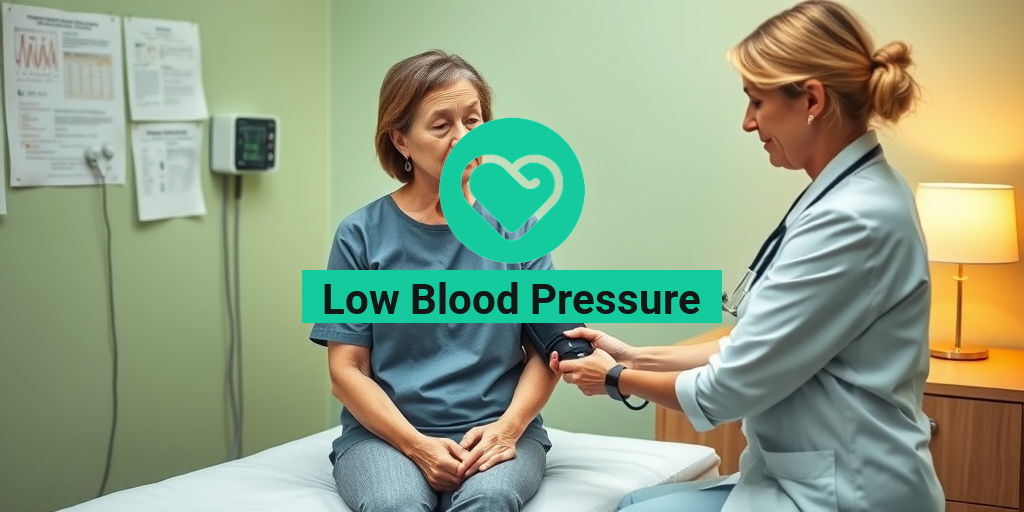
Blood pressure is measured in millimeters of mercury (mmHg) and is expressed with two numbers: systolic (the pressure when your heart beats) over diastolic (the pressure when your heart rests between beats). A typical blood pressure reading is around 120/80 mmHg. Generally, a reading below 90/60 mmHg is considered low blood pressure.
Causes of Low Blood Pressure
Several factors can contribute to low blood pressure, including:
- Dehydration: Not drinking enough fluids can lead to a decrease in blood volume, causing blood pressure to drop.
- Heart problems: Certain heart conditions can affect your heart’s ability to pump blood effectively.
- Endocrine issues: Disorders of the adrenal glands, such as Addison’s disease, can lead to low blood pressure.
- Severe infection: Sepsis, a severe infection that spreads throughout the body, can cause a dangerous drop in blood pressure.
- Blood loss: Losing a significant amount of blood, whether from an injury or internal bleeding, can reduce blood volume and lower blood pressure.
In some cases, low blood pressure can also be a side effect of medications, particularly those used to treat high blood pressure, depression, or heart conditions.
Low Blood Pressure Symptoms
Recognizing the symptoms of low blood pressure is essential for timely intervention. While some individuals may not experience any symptoms, others may face various challenges. Common symptoms include:
Common Symptoms
- Dizziness or lightheadedness: This is often the first sign of low blood pressure, especially when standing up quickly.
- Fainting: A sudden drop in blood pressure can lead to fainting spells, which can be dangerous.
- Fatigue: Chronic low blood pressure can lead to feelings of tiredness and weakness.
- Nausea: Some individuals may experience nausea or an upset stomach.
- Blurred vision: Low blood pressure can affect vision, causing it to become blurry.
When to Seek Medical Attention
If you experience severe symptoms such as fainting, confusion, or a rapid heartbeat, it is crucial to seek medical attention immediately. These symptoms can indicate a more serious underlying condition that requires prompt treatment.
Managing Low Blood Pressure
For those diagnosed with low blood pressure, there are several strategies to manage the condition effectively:
- Stay hydrated: Drinking plenty of fluids can help maintain blood volume.
- Eat small, frequent meals: Large meals can cause blood pressure to drop, so smaller meals may help.
- Avoid alcohol: Alcohol can lead to dehydration and lower blood pressure.
- Wear compression stockings: These can help improve circulation and prevent blood from pooling in the legs.
For personalized advice and treatment options, consider consulting with healthcare professionals or visiting resources like Yesil Health AI for evidence-based health answers.
In conclusion, while low blood pressure may not always be a cause for concern, understanding its symptoms and causes is vital for maintaining your health. If you suspect you have low blood pressure or experience any concerning symptoms, don’t hesitate to reach out to a healthcare provider. Your health is worth it! 🌟
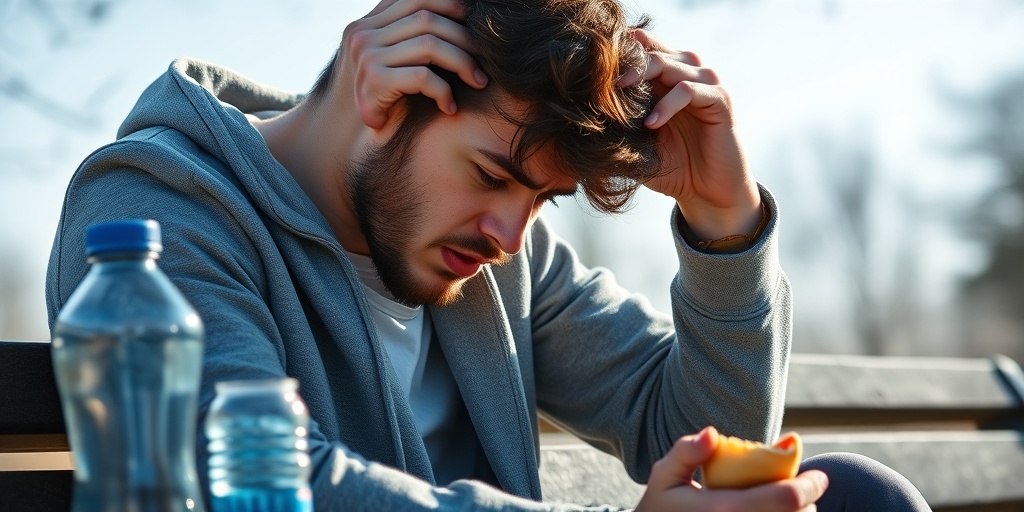
Causes of Low Blood Pressure
Low blood pressure, also known as hypotension, can occur for a variety of reasons. Understanding the underlying causes is crucial for effective management and treatment. Here are some common causes of low blood pressure:
Dehydration
When your body loses more water than it takes in, it can lead to dehydration. This can occur due to excessive sweating, vomiting, diarrhea, or not drinking enough fluids. Dehydration reduces blood volume, which can cause low blood pressure.
Heart Problems
Several heart conditions can lead to low blood pressure, including:
- Heart attack: Damage to the heart muscle can impair its ability to pump blood effectively.
- Heart failure: The heart may not be able to pump enough blood to meet the body’s needs.
- Bradycardia: An unusually slow heart rate can lead to insufficient blood flow.
Endocrine Disorders
Hormonal imbalances can significantly affect blood pressure. Conditions such as Addison’s disease, where the adrenal glands do not produce enough hormones, can lead to low blood pressure. Similarly, thyroid problems can also play a role.
Severe Infection (Septicemia)
When an infection in the body enters the bloodstream, it can lead to a life-threatening drop in blood pressure known as septic shock. This condition requires immediate medical attention.
Blood Loss
Significant blood loss from an injury or internal bleeding reduces the amount of blood in your body, leading to a drop in blood pressure. This can be particularly dangerous and requires urgent care.
Nutritional Deficiencies
A lack of essential nutrients, particularly vitamin B12 and folate, can prevent your body from producing enough red blood cells, leading to low blood pressure. A balanced diet is crucial for maintaining healthy blood pressure levels.
Medications
Certain medications can cause low blood pressure as a side effect. These include:
- Diuretics: Often used to treat high blood pressure, they can lead to dehydration.
- Beta-blockers: Commonly prescribed for heart conditions, they can lower heart rate and blood pressure.
- Antidepressants: Some can cause blood pressure to drop, especially when standing up.
Risk Factors for Low Blood Pressure
While anyone can experience low blood pressure, certain factors can increase your risk. Understanding these can help you take preventive measures.
Age
As people age, their blood pressure tends to decrease. Older adults are more likely to experience low blood pressure due to various health conditions and medications.
Pregnancy
During pregnancy, a woman’s body undergoes significant changes, including an increase in blood volume. However, this can sometimes lead to lower blood pressure, especially in the first and second trimesters.
Prolonged Bed Rest
Staying in bed for extended periods can lead to a decrease in blood volume and muscle tone, which may result in low blood pressure when standing up.
Dehydration and Heat Exposure
Hot weather can lead to excessive sweating and dehydration, increasing the risk of low blood pressure. It’s essential to stay hydrated, especially during hot months or when exercising.
Medical Conditions
Certain medical conditions, such as diabetes, can affect how your body regulates blood pressure. Individuals with diabetes may experience fluctuations in blood pressure due to nerve damage or other complications.
Family History
If you have a family history of low blood pressure, you may be at a higher risk. Genetic factors can play a role in how your body regulates blood pressure.
Recognizing the causes and risk factors associated with low blood pressure is essential for prevention and management. If you experience symptoms such as dizziness, fainting, or fatigue, it’s important to consult a healthcare professional for proper evaluation and treatment. 🩺

Diagnosing Low Blood Pressure
Diagnosing low blood pressure, also known as hypotension, involves a combination of medical history, physical examinations, and diagnostic tests. Understanding the symptoms and causes is crucial for effective diagnosis and treatment.
Recognizing Symptoms
Before seeking medical advice, it’s important to recognize the symptoms associated with low blood pressure. Common symptoms include:
- Dizziness or lightheadedness when standing up
- Fainting or feeling weak
- Blurred vision
- Nausea
- Fatigue
If you experience these symptoms frequently, it may be time to consult a healthcare professional.
Medical History and Physical Examination
Your doctor will start by taking a detailed medical history. This includes asking about:
- Your symptoms and when they occur
- Any medications you are currently taking
- Your diet and hydration levels
- Any underlying health conditions
Following this, a physical examination will be conducted. This may involve measuring your blood pressure in different positions (lying down, sitting, and standing) to see how it changes.
Diagnostic Tests
In some cases, additional tests may be necessary to determine the cause of low blood pressure. These tests can include:
- Blood tests to check for anemia or dehydration
- Electrocardiogram (ECG) to assess heart function
- Echocardiogram to visualize heart structure
- Stress tests to evaluate how your heart performs under physical stress
These tests help your doctor understand the underlying reasons for your low blood pressure and guide appropriate treatment options.
Low Blood Pressure Treatment Options
Treating low blood pressure depends on the underlying cause and severity of the condition. Here are some common treatment options:
Lifestyle Changes
For many individuals, simple lifestyle changes can significantly improve symptoms of low blood pressure:
- Increase fluid intake: Staying hydrated helps maintain blood volume, which can prevent drops in blood pressure. Aim for at least 8-10 glasses of water daily.
- Eat small, frequent meals: Large meals can cause blood pressure to drop. Eating smaller meals throughout the day can help.
- Wear compression stockings: These can help improve circulation and prevent blood from pooling in the legs.
- Avoid alcohol: Alcohol can lower blood pressure, so it’s best to limit or avoid it altogether.
Medications
If lifestyle changes are not enough, your doctor may prescribe medications to help manage low blood pressure. Some common options include:
- Fludrocortisone: This medication helps your body retain sodium, which can increase blood volume and blood pressure.
- Midodrine: This drug works by constricting blood vessels, which can help raise blood pressure.
Always consult with your healthcare provider before starting any new medication to ensure it’s appropriate for your specific situation.
Monitoring During Pregnancy
For pregnant women, low blood pressure can be a common issue, especially during the first and second trimesters. It’s essential to monitor blood pressure regularly and consult with a healthcare provider if symptoms arise. Treatment may involve dietary adjustments, hydration, and sometimes medication, depending on the severity of the condition.
When to Seek Immediate Help
If you experience severe symptoms such as fainting, confusion, or a rapid heartbeat, it’s crucial to seek immediate medical attention. These could be signs of a more serious condition that requires prompt treatment.
Understanding low blood pressure and its treatment options can empower you to take control of your health. Always consult with a healthcare professional for personalized advice and treatment plans tailored to your needs. 🌟
Home Remedies for Low Blood Pressure
Low blood pressure, or hypotension, can lead to symptoms like dizziness, fatigue, and fainting. While medical treatment is essential for severe cases, many people seek natural remedies to help manage their condition. Here are some effective home remedies that may assist in raising your blood pressure levels.
1. Increase Fluid Intake
Staying hydrated is crucial for maintaining healthy blood pressure levels. When your body is dehydrated, blood volume decreases, which can lead to lower blood pressure. Aim to drink at least 8-10 glasses of water daily. You can also include:
- Electrolyte-rich drinks: Coconut water and sports drinks can help replenish lost electrolytes.
- Herbal teas: Ginger tea or licorice root tea can be beneficial.
2. Eat Small, Frequent Meals
Large meals can cause a drop in blood pressure, especially after eating. Instead, try consuming smaller, more frequent meals throughout the day. This approach helps maintain stable blood sugar levels and can prevent sudden drops in blood pressure.
3. Incorporate Salty Foods
Salt can help raise blood pressure, so consider adding a bit more sodium to your diet. However, consult with a healthcare professional before making significant changes, especially if you have other health conditions. Some tasty options include:
- Olives
- Pickles
- Salted nuts
4. Wear Compression Stockings
Compression stockings can help improve circulation and prevent blood from pooling in your legs, which can lead to low blood pressure. These stockings apply gentle pressure to your legs, promoting better blood flow and helping to maintain blood pressure levels.
5. Elevate Your Head While Sleeping
Sleeping with your head elevated can help prevent blood from pooling in your lower body while you sleep. Try using an extra pillow or adjusting your bed to a slight incline to see if it helps improve your symptoms.
6. Consume Caffeine in Moderation
Caffeine can temporarily raise blood pressure, so a cup of coffee or tea might provide a quick boost. However, moderation is key, as excessive caffeine can lead to other health issues. Enjoy your favorite caffeinated beverage, but be mindful of your overall intake.
Preventing Low Blood Pressure
Preventing low blood pressure is often about making lifestyle adjustments and being aware of your body’s signals. Here are some effective strategies to help you maintain healthy blood pressure levels.
1. Stay Active
Regular physical activity can help improve circulation and maintain healthy blood pressure levels. Aim for at least 30 minutes of moderate exercise most days of the week. Activities like walking, swimming, or cycling can be beneficial. 🏃♂️
2. Monitor Your Medications
Some medications can cause low blood pressure as a side effect. If you notice symptoms after starting a new medication, consult your healthcare provider. They may adjust your dosage or suggest alternatives.
3. Avoid Sudden Position Changes
Getting up too quickly from a sitting or lying position can cause a sudden drop in blood pressure. To prevent this, take your time when changing positions. Stand up slowly and allow your body to adjust before moving.
4. Maintain a Balanced Diet
A well-balanced diet rich in vitamins and minerals can help support healthy blood pressure levels. Focus on incorporating:
- Fruits and vegetables: These are high in essential nutrients.
- Whole grains: Foods like brown rice and oats can provide sustained energy.
- Lean proteins: Chicken, fish, and legumes are excellent choices.
5. Limit Alcohol Consumption
Excessive alcohol intake can lead to dehydration and lower blood pressure. If you drink, do so in moderation. The general guideline is up to one drink per day for women and two for men.
6. Manage Stress
Chronic stress can negatively impact your blood pressure. Incorporate stress-reducing techniques into your daily routine, such as:
- Meditation
- Yoga
- Deep breathing exercises
By implementing these home remedies and preventive measures, you can take control of your low blood pressure and improve your overall well-being. Remember to consult with a healthcare professional for personalized advice and treatment options. 🌟

Frequently Asked Questions about Low Blood Pressure
What is considered low blood pressure?
Low blood pressure, or hypotension, is generally defined as a blood pressure reading below 90/60 mmHg. However, what is considered low can vary from person to person.
What are the common symptoms of low blood pressure?
Individuals with low blood pressure may experience a variety of symptoms, including:
- Dizziness or lightheadedness
- Fainting
- Fatigue
- Nausea
- Blurred vision
What causes low blood pressure?
There are several potential causes of low blood pressure, including:
- Dehydration
- Heart problems
- Endocrine disorders
- Severe infection (septicemia)
- Blood loss
How can low blood pressure be treated?
Treatment for low blood pressure often depends on the underlying cause. Common approaches include:
- Increasing fluid and salt intake
- Wearing compression stockings
- Medications to raise blood pressure
Is low blood pressure a concern during pregnancy?
Many women experience low blood pressure during pregnancy, especially in the first and second trimesters. While it is usually not a cause for concern, it is important to monitor symptoms and consult a healthcare provider if necessary.
What should I do if I experience low blood pressure symptoms?
If you experience symptoms of low blood pressure, it is advisable to:
- Lie down and elevate your legs
- Drink water or a sports drink
- Avoid standing up too quickly
Does low blood pressure vary by age?
Yes, low blood pressure can vary by age. Older adults may experience different symptoms and causes compared to younger individuals. Regular monitoring is essential for managing blood pressure effectively.
Can low blood pressure cause headaches?
Yes, some individuals may experience headaches as a symptom of low blood pressure. If headaches persist, it is important to consult a healthcare professional for further evaluation.