
What Is Giant Cell Arteritis?
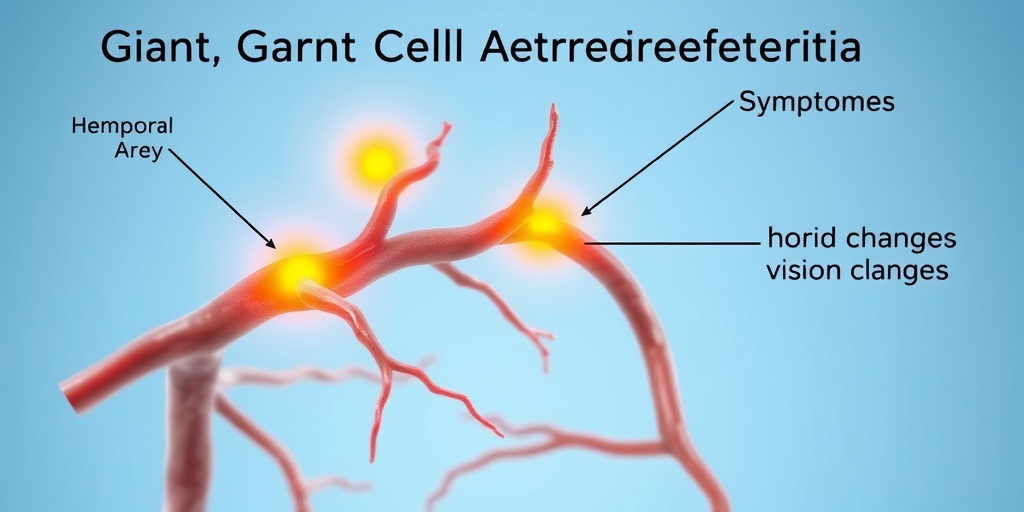
Giant Cell Arteritis (GCA), also known as temporal arteritis, is a serious inflammatory condition that primarily affects the blood vessels, particularly those in the head and neck. This condition is most commonly seen in individuals over the age of 50 and can lead to severe complications if not diagnosed and treated promptly. GCA is characterized by the inflammation of the large and medium-sized arteries, which can result in reduced blood flow and potential damage to vital organs.
The exact cause of giant cell arteritis remains unclear, but it is believed to involve an autoimmune response where the body’s immune system mistakenly attacks its own blood vessels. This condition is often associated with another inflammatory disorder known as polymyalgia rheumatica, which causes muscle pain and stiffness.
Understanding the Risk Factors
While the precise cause of GCA is still under investigation, several risk factors have been identified:
- Age: Most commonly affects individuals over 50.
- Gender: Women are more likely to develop GCA than men.
- Ethnicity: Higher prevalence in individuals of Northern European descent.
- Family History: A family history of GCA or other autoimmune diseases may increase risk.
Understanding these risk factors can help in early detection and management of the disease. If you or someone you know fits these criteria, it’s essential to be vigilant about any symptoms that may arise.
Giant Cell Arteritis Symptoms
The symptoms of giant cell arteritis can vary widely among individuals, but there are several common signs to watch for. Early recognition of these symptoms is crucial for effective treatment and to prevent complications, such as vision loss.
Common Symptoms
Some of the most prevalent symptoms of giant cell arteritis include:
- Headaches: Often severe and persistent, headaches are one of the hallmark symptoms of GCA.
- Scalp Tenderness: Many patients report tenderness or pain in the scalp, especially when brushing hair.
- Vision Problems: Blurred vision, double vision, or sudden vision loss can occur due to inflammation of the arteries supplying the eyes.
- Jaw Pain: Pain while chewing or jaw claudication is a common complaint.
- Fatigue and Fever: General feelings of malaise, fatigue, and low-grade fever may accompany other symptoms.
Less Common Symptoms
In addition to the common symptoms, some individuals may experience:
- Weight Loss: Unexplained weight loss can occur.
- Night Sweats: Some patients report excessive sweating at night.
- Muscle Pain: This may be associated with polymyalgia rheumatica.
If you experience any combination of these symptoms, especially headaches or vision changes, it is vital to seek medical attention promptly. Early diagnosis and treatment can significantly improve outcomes and reduce the risk of complications.
When to Seek Help
Giant cell arteritis is a medical emergency, particularly if you experience sudden vision changes or severe headaches. If you suspect you may have GCA, consult a healthcare professional immediately. They may perform blood tests, imaging studies, and a temporal artery biopsy to confirm the diagnosis.
For more information on giant cell arteritis and its management, consider visiting Yesil Health AI, a valuable resource for evidence-based health answers.
In conclusion, understanding giant cell arteritis and its symptoms is crucial for early detection and treatment. Stay informed and proactive about your health, and don’t hesitate to reach out to healthcare professionals if you have concerns. Your health is worth it! 🌟
Giant Cell Arteritis Causes
Giant Cell Arteritis (GCA), also known as temporal arteritis, is a condition characterized by inflammation of the blood vessels, particularly the arteries in the head and neck. Understanding the causes of giant cell arteritis is crucial for early diagnosis and effective treatment. While the exact cause remains unclear, several factors are believed to contribute to the development of this condition.
Immune System Dysfunction
One of the primary theories regarding the causes of giant cell arteritis involves an abnormal response of the immune system. In GCA, the immune system mistakenly attacks the body’s own blood vessels, leading to inflammation. This autoimmune response may be triggered by various factors, including:
- Infections: Certain viral or bacterial infections may provoke an immune response that contributes to GCA.
- Genetic Factors: A family history of autoimmune diseases may increase the likelihood of developing GCA.
- Environmental Triggers: Exposure to specific environmental factors, such as pollutants or chemicals, could play a role in triggering the condition.
Age and Gender
Giant Cell Arteritis predominantly affects older adults, particularly those over the age of 50. The condition is also more common in women than in men, suggesting that hormonal factors may influence its development. This age and gender predisposition highlights the importance of monitoring symptoms in older populations.
Associated Conditions
Individuals with certain autoimmune conditions, such as polymyalgia rheumatica (PMR), are at a higher risk of developing giant cell arteritis. PMR is characterized by muscle pain and stiffness, often occurring alongside GCA. The relationship between these two conditions underscores the complexity of the immune response involved in GCA.
Giant Cell Arteritis Risk Factors
Identifying the risk factors for giant cell arteritis can aid in early detection and management of the disease. While anyone can develop GCA, certain factors increase the likelihood of its occurrence.
Age
As mentioned earlier, age is a significant risk factor for giant cell arteritis. The majority of cases occur in individuals aged 50 and older. The risk increases with advancing age, making it essential for older adults to be vigilant about any symptoms that may arise.
Gender
Women are more likely to develop giant cell arteritis than men, with studies suggesting that women are affected approximately three times more often. This gender disparity may be linked to hormonal differences, although further research is needed to fully understand this connection.
Ethnicity
Research indicates that giant cell arteritis is more prevalent in individuals of Northern European descent. This suggests that genetic factors may play a role in the susceptibility to the disease. People of other ethnic backgrounds may also develop GCA, but the incidence is notably lower.
Family History
A family history of giant cell arteritis or other autoimmune diseases can increase an individual’s risk. If you have relatives who have been diagnosed with GCA or related conditions, it’s important to discuss this with your healthcare provider, as it may warrant closer monitoring for symptoms.
Other Autoimmune Disorders
Having other autoimmune disorders, such as rheumatoid arthritis or lupus, can elevate the risk of developing giant cell arteritis. The presence of multiple autoimmune conditions may indicate a heightened sensitivity of the immune system, leading to increased inflammation.
Environmental Factors
Some studies suggest that environmental factors, including exposure to certain infections or toxins, may contribute to the onset of giant cell arteritis. While more research is needed to establish definitive links, being aware of potential environmental triggers can be beneficial.
In summary, understanding the causes and risk factors of giant cell arteritis is vital for early diagnosis and treatment. If you or someone you know is experiencing symptoms such as persistent headaches, vision changes, or jaw pain, it’s essential to seek medical attention promptly. Early intervention can significantly improve outcomes and reduce the risk of complications associated with this serious condition. 🩺✨

Giant Cell Arteritis Diagnosis
Diagnosing Giant Cell Arteritis (GCA), also known as temporal arteritis, is crucial for effective treatment and management of this serious condition. GCA primarily affects older adults and can lead to severe complications, including vision loss. Therefore, early diagnosis is essential.
Symptoms to Watch For
Recognizing the symptoms of GCA is the first step towards diagnosis. Common symptoms include:
- Severe headaches: Often described as a new type of headache, it may be localized to the temples.
- Scalp tenderness: Patients may experience pain when brushing their hair or touching their scalp.
- Jaw pain: This can occur while chewing or talking, known as jaw claudication.
- Vision problems: Blurred vision or sudden vision loss can occur, necessitating immediate medical attention.
- Fatigue and fever: General malaise and low-grade fever are also common symptoms.
Diagnostic Tests
Once symptoms are reported, healthcare providers will conduct a thorough evaluation, which may include:
- Blood tests: Elevated levels of inflammatory markers, such as erythrocyte sedimentation rate (ESR) and C-reactive protein (CRP), can indicate GCA.
- Temporal artery biopsy: This is the gold standard for diagnosis. A small sample of the temporal artery is removed and examined for inflammation.
- Imaging studies: Ultrasound or MRI may be used to visualize the blood vessels and check for inflammation.
It’s important to note that not all patients will have elevated inflammatory markers, so a combination of symptoms and tests is often necessary for a definitive diagnosis.
Giant Cell Arteritis Complications
If left untreated, Giant Cell Arteritis can lead to serious complications that significantly impact a patient’s quality of life. Understanding these complications is vital for both patients and healthcare providers.
Vision Loss
One of the most severe complications of GCA is vision loss. This can occur due to inflammation of the arteries supplying blood to the eyes. Symptoms may include sudden vision changes or complete loss of vision in one eye. Prompt treatment with corticosteroids can help prevent this complication, but once vision is lost, it may not be recoverable.
Stroke Risk
Patients with GCA are at an increased risk of stroke. The inflammation can lead to the formation of blood clots, which may obstruct blood flow to the brain. Recognizing the signs of a stroke, such as sudden numbness, confusion, or difficulty speaking, is crucial for timely intervention.
Aortic Aneurysm
Another potential complication is the development of an aortic aneurysm. The inflammation can weaken the walls of the aorta, leading to an increased risk of rupture. Regular monitoring and imaging may be necessary for patients with GCA to detect any changes in the aorta.
Other Complications
In addition to the above, GCA can lead to other complications, including:
- Polymyalgia Rheumatica: Many patients with GCA also experience this inflammatory condition, characterized by muscle pain and stiffness.
- Chronic Fatigue: Ongoing fatigue can persist even after treatment, affecting daily activities.
- Cardiovascular Issues: Inflammation can contribute to heart disease, necessitating regular cardiovascular assessments.
Understanding the potential complications of Giant Cell Arteritis emphasizes the importance of early diagnosis and treatment. If you or someone you know is experiencing symptoms, seeking medical attention promptly can make a significant difference in outcomes. 🩺

Giant Cell Arteritis Treatment Options
Giant Cell Arteritis (GCA), also known as temporal arteritis, is a serious condition that primarily affects older adults. It involves inflammation of the blood vessels, particularly those in the head and neck. Early diagnosis and treatment are crucial to prevent complications, such as vision loss. Let’s explore the various treatment options available for managing this condition.
1. Corticosteroids: The First Line of Defense
The primary treatment for Giant Cell Arteritis is corticosteroids. These medications help reduce inflammation and prevent damage to blood vessels. Prednisone is the most commonly prescribed corticosteroid. Treatment usually starts with a high dose to quickly control symptoms, followed by a gradual tapering of the dose over time.
- Initial Dose: Typically, a high dose of prednisone (40-60 mg daily) is recommended.
- Tapering: Once symptoms improve, the dose is gradually reduced, often over several months.
- Monitoring: Regular follow-ups are essential to monitor for side effects and adjust the dosage as needed.
2. Additional Medications
In some cases, corticosteroids alone may not be sufficient to manage symptoms or prevent flare-ups. Other medications may be added to the treatment regimen:
- Immunosuppressants: Drugs like methotrexate or azathioprine may be prescribed to help reduce the need for high doses of corticosteroids.
- Biologics: Newer treatments, such as tocilizumab, have shown promise in managing GCA, especially in patients who do not respond well to traditional therapies.
3. Managing Symptoms
Alongside medication, managing symptoms is crucial for improving quality of life. Here are some strategies:
- Pain Management: Over-the-counter pain relievers, such as acetaminophen or ibuprofen, can help alleviate headaches and discomfort.
- Healthy Lifestyle: A balanced diet, regular exercise, and adequate sleep can support overall health and well-being.
- Stress Reduction: Techniques such as yoga, meditation, or deep-breathing exercises can help manage stress, which may exacerbate symptoms.
Giant Cell Arteritis Management and Outlook
Managing Giant Cell Arteritis effectively requires a comprehensive approach that includes regular monitoring and lifestyle adjustments. Understanding the long-term outlook for individuals with GCA is also essential for patients and their families.
1. Regular Monitoring and Follow-Up
Once diagnosed, patients with Giant Cell Arteritis should have regular follow-up appointments with their healthcare provider. This monitoring is vital for:
- Assessing Treatment Efficacy: Regular check-ups help determine if the current treatment plan is effective or if adjustments are needed.
- Detecting Complications: Early detection of potential complications, such as vision problems or other vascular issues, can significantly improve outcomes.
2. Lifestyle Modifications
In addition to medical treatment, certain lifestyle changes can enhance the management of Giant Cell Arteritis:
- Diet: A diet rich in anti-inflammatory foods, such as fruits, vegetables, whole grains, and omega-3 fatty acids, can support overall health.
- Exercise: Regular physical activity can help maintain cardiovascular health and improve overall well-being.
- Avoiding Smoking: Smoking can exacerbate inflammation and increase the risk of complications, so quitting is highly recommended.
3. Prognosis and Long-Term Outlook
The prognosis for individuals with Giant Cell Arteritis varies. With prompt treatment, most patients experience significant improvement in symptoms. However, some may face challenges:
- Recurrence: GCA can recur in some patients, necessitating ongoing treatment and monitoring.
- Complications: If left untreated, GCA can lead to serious complications, including permanent vision loss.
In summary, while Giant Cell Arteritis can be a challenging condition, effective treatment options and proactive management strategies can lead to a positive outlook for many patients. Regular communication with healthcare providers and adherence to treatment plans are key to managing this condition successfully. 🌟

Frequently Asked Questions about Giant Cell Arteritis
What is Giant Cell Arteritis?
Giant Cell Arteritis (GCA) is an inflammatory condition that affects the blood vessels, particularly the temporal arteries in the head. It can lead to serious complications if not treated promptly.
What are the symptoms of Giant Cell Arteritis?
Common symptoms of Giant Cell Arteritis include:
- Severe headaches
- Scalp tenderness
- Jaw pain while chewing
- Vision problems, including sudden vision loss
- Fatigue and fever
How is Giant Cell Arteritis diagnosed?
Diagnosis typically involves a combination of:
- Physical examination
- Blood tests to check for inflammation
- Imaging studies, such as ultrasound or MRI
- Temporal artery biopsy
What treatments are available for Giant Cell Arteritis?
Treatment for Giant Cell Arteritis usually includes:
- High doses of corticosteroids to reduce inflammation
- Regular monitoring and follow-up appointments
- Additional medications may be prescribed to manage symptoms or prevent complications
What are the potential complications of Giant Cell Arteritis?
If left untreated, Giant Cell Arteritis can lead to serious complications, including:
- Permanent vision loss
- Stroke
- Aortic aneurysm
Can Giant Cell Arteritis be prevented?
Currently, there is no known way to prevent Giant Cell Arteritis. However, early diagnosis and treatment can help manage symptoms and reduce the risk of complications.
Is Giant Cell Arteritis related to other conditions?
Yes, Giant Cell Arteritis is often associated with another condition called polymyalgia rheumatica, which causes muscle pain and stiffness.
Where can I find more information about Giant Cell Arteritis?
For more detailed information, consult healthcare professionals or visit reputable health websites such as the NHS or specialized rheumatology resources.