
What Is Diabetes in Children?
Diabetes in children is a chronic condition that occurs when the body cannot properly regulate blood sugar (glucose) levels. This can happen due to insufficient insulin production or the body’s inability to use insulin effectively. There are two main types of diabetes that can affect children: Type 1 and Type 2 diabetes.
Type 1 Diabetes
Type 1 diabetes is an autoimmune condition where the immune system mistakenly attacks the insulin-producing cells in the pancreas. This type is more common in children and young adults and typically requires lifelong insulin therapy. Symptoms may include:
- Increased thirst and frequent urination
- Extreme hunger
- Unexplained weight loss
- Fatigue and weakness
- Blurred vision
Type 2 Diabetes
Type 2 diabetes, although more common in adults, is increasingly being diagnosed in children, particularly those who are overweight or have a family history of the disease. In this type, the body either becomes resistant to insulin or doesn’t produce enough insulin. Symptoms can be similar to those of Type 1 diabetes but may also include:
- Dark patches of skin (acanthosis nigricans)
- Frequent infections
- Slow healing of cuts and bruises
Understanding diabetes in children is crucial for early diagnosis and management. If you suspect your child may have diabetes, consult a healthcare professional for proper testing and guidance.
Understanding Low Blood Sugar
Low blood sugar, or hypoglycemia, is a condition that occurs when blood glucose levels drop below normal. For children with diabetes, managing blood sugar levels is vital, as both high and low levels can lead to serious health issues. Hypoglycemia can happen for various reasons, including:
- Too much insulin or diabetes medication
- Skipping meals or snacks
- Excessive physical activity
Signs and Symptoms of Low Blood Sugar
Recognizing the signs of low blood sugar is essential for prompt treatment. Common symptoms include:
- Shakiness or trembling
- Confusion or irritability
- Rapid heartbeat
- Headaches
- Excessive sweating
- Feeling faint or dizzy
If left untreated, severe hypoglycemia can lead to seizures, loss of consciousness, or even death. Therefore, it’s crucial for parents and caregivers to be aware of these symptoms and know how to respond.
Preventing Low Blood Sugar
Preventing low blood sugar in children with diabetes involves a combination of careful monitoring, education, and lifestyle adjustments. Here are some effective strategies:
- Regular Monitoring: Check blood sugar levels frequently to ensure they remain within the target range.
- Balanced Diet: Encourage a diet rich in complex carbohydrates, proteins, and healthy fats to maintain stable blood sugar levels.
- Consistent Meal Times: Establish regular meal and snack times to prevent dips in blood sugar.
- Educate Your Child: Teach your child about their condition, including how to recognize symptoms of low blood sugar and what to do in case of an emergency.
Incorporating these practices can significantly reduce the risk of hypoglycemia and help children with diabetes lead healthy, active lives. For more detailed information and resources, consider visiting Yesil Health AI, where you can find evidence-based health answers tailored to your needs.
In conclusion, understanding diabetes in children and the importance of preventing low blood sugar is essential for their health and well-being. With the right knowledge and support, children with diabetes can thrive and enjoy a fulfilling life. 🌟

Symptoms of Low Blood Sugar
Low blood sugar, or hypoglycemia, can be a concerning condition, especially for children with diabetes. Recognizing the symptoms early is crucial for effective management and prevention of serious complications. Here are some common signs to watch for:
Physical Symptoms
- Shakiness: A child may experience trembling or shaking, which can be alarming.
- Increased Heart Rate: A rapid heartbeat can occur as the body responds to low glucose levels.
- Excessive Sweating: Sweating more than usual, even in cool environments, can indicate low blood sugar.
- Hunger: An intense feeling of hunger can signal that the body needs more glucose.
Cognitive Symptoms
- Dizziness or Lightheadedness: A child may feel faint or unsteady on their feet.
- Confusion: Difficulty concentrating or confusion can arise, making it hard for the child to focus.
- Behavioral Changes: Irritability or mood swings can be a sign of low blood sugar, often mistaken for typical childhood behavior.
Severe Symptoms
If low blood sugar levels drop significantly, more severe symptoms can occur, including:
- Loss of Consciousness: In extreme cases, a child may faint or lose consciousness.
- Seizures: Severe hypoglycemia can lead to seizures, which require immediate medical attention.
It’s essential for parents and caregivers to be vigilant and recognize these symptoms early. Keeping a close eye on your child’s behavior and physical state can help prevent severe hypoglycemic episodes. 🩺
Causes of Low Blood Sugar
Understanding the causes of low blood sugar is vital for preventing it, especially in children with diabetes. Several factors can contribute to hypoglycemia, and being aware of them can help in managing your child’s condition effectively.
Insulin Management
One of the primary causes of low blood sugar in children with diabetes is improper insulin management. This can occur due to:
- Over-Administration of Insulin: Giving too much insulin can lead to a rapid drop in blood sugar levels.
- Timing of Insulin Doses: If insulin is administered without adequate food intake, it can cause hypoglycemia.
Dietary Factors
The food a child consumes plays a significant role in blood sugar levels. Factors include:
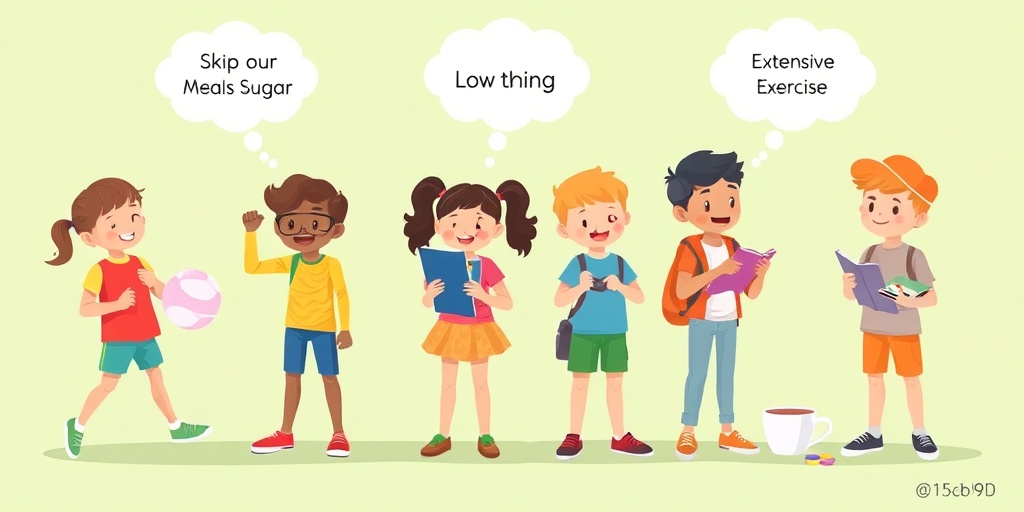
- Skipping Meals: Missing meals or snacks can lead to low blood sugar, especially if insulin has been taken.
- Inadequate Carbohydrate Intake: Not consuming enough carbohydrates can prevent the body from maintaining stable glucose levels.
Physical Activity
Increased physical activity can also lead to low blood sugar, particularly if not balanced with food intake. Here’s how:
- Excessive Exercise: Engaging in vigorous activities without adjusting food intake or insulin can deplete glucose levels.
- Unplanned Activities: Sudden bursts of activity can catch parents off guard, leading to unpreparedness in managing blood sugar levels.
Illness and Stress
Illness and stress can also impact blood sugar levels. When a child is sick, their body may require more energy, leading to fluctuations in glucose levels. Stress can trigger hormonal changes that affect how the body processes insulin and glucose.
By understanding these causes, parents can take proactive steps to prevent low blood sugar episodes in their children. Regular monitoring, proper meal planning, and maintaining open communication with healthcare providers are essential strategies for managing diabetes effectively. 🍏
Risk Factors for Low Blood Sugar
Low blood sugar, or hypoglycemia, can be a significant concern for children with diabetes. Understanding the risk factors associated with low blood sugar is crucial for parents and caregivers to help prevent it. Here are some common risk factors to be aware of:
1. Insulin Dosage
One of the primary causes of low blood sugar in children with diabetes is an incorrect dosage of insulin. If a child receives too much insulin relative to their food intake or activity level, it can lead to a rapid drop in blood sugar levels. It’s essential to monitor insulin doses closely and adjust them based on the child’s daily routine.
2. Skipping Meals or Snacks
Children with diabetes need to maintain a consistent eating schedule. Skipping meals or snacks can lead to low blood sugar, especially if they have taken insulin. Parents should encourage their children to eat regular meals and snacks that are balanced in carbohydrates, proteins, and fats to help stabilize blood sugar levels.
3. Increased Physical Activity
While exercise is vital for overall health, it can also affect blood sugar levels. Increased physical activity can cause blood sugar to drop, particularly if a child has not adjusted their insulin dosage or carbohydrate intake accordingly. Parents should ensure their children have a plan in place for managing blood sugar during and after physical activities.
4. Illness or Infection
When children are sick or have an infection, their bodies may require more insulin than usual. However, if they are not eating well due to illness, this can lead to low blood sugar. It’s important to monitor blood sugar levels closely during these times and consult a healthcare provider for guidance on managing diabetes during illness.
5. Alcohol Consumption
For older children and teenagers, consuming alcohol can significantly impact blood sugar levels. Alcohol can interfere with the liver’s ability to release glucose into the bloodstream, leading to hypoglycemia. Parents should educate their children about the risks of alcohol consumption and its effects on diabetes management.
Managing Blood Sugar Levels
Effective management of blood sugar levels is essential for children with diabetes to prevent low blood sugar episodes. Here are some strategies that can help:
1. Regular Monitoring
Frequent blood sugar monitoring is crucial for managing diabetes in children. Parents should encourage their children to check their blood sugar levels regularly, especially before and after meals, during physical activity, and when feeling unwell. This practice helps identify patterns and allows for timely adjustments to insulin and food intake.
2. Balanced Diet
A balanced diet plays a significant role in maintaining stable blood sugar levels. Parents should focus on providing meals that include:
- Complex carbohydrates (whole grains, fruits, and vegetables)
- Lean proteins (chicken, fish, beans)
- Healthy fats (avocados, nuts, olive oil)
These foods can help slow down the absorption of glucose and prevent spikes and drops in blood sugar levels.
3. Educating Children
Teaching children about their condition is vital for their independence and self-management. Children should understand how to recognize the signs of low blood sugar, such as dizziness, sweating, and irritability. They should also know how to respond, including consuming fast-acting carbohydrates like juice or glucose tablets. 🍊
4. Creating a Diabetes Management Plan
Working with healthcare providers to develop a comprehensive diabetes management plan is essential. This plan should include:
- Insulin administration schedules
- Meal planning
- Physical activity guidelines
- Emergency procedures for low blood sugar
Having a clear plan helps parents and children feel more confident in managing diabetes effectively.
5. Support and Communication
Open communication between parents, children, and healthcare providers is vital for successful diabetes management. Regular check-ins can help address any concerns and make necessary adjustments to the management plan. Additionally, support groups can provide valuable resources and encouragement for families navigating diabetes together. 🤝

Emergency Response to Low Blood Sugar
When it comes to diabetes in children, one of the most critical situations parents and caregivers must be prepared for is low blood sugar, also known as hypoglycemia. Recognizing the signs and knowing how to respond can make a significant difference in your child’s health and safety.
Recognizing the Signs of Low Blood Sugar
Low blood sugar can occur suddenly, and its symptoms can vary from child to child. Here are some common signs to watch for:
- Shakiness or trembling
- Excessive sweating
- Rapid heartbeat
- Confusion or irritability
- Hunger or nausea
- Dizziness or lightheadedness
- Fatigue or weakness
If your child exhibits any of these symptoms, it’s essential to act quickly. Delaying treatment can lead to more severe complications.
Immediate Actions to Take
Here’s a step-by-step guide on how to respond to low blood sugar:
- Check Blood Sugar Levels: If your child has a blood glucose meter, check their levels immediately. A reading below 70 mg/dL typically indicates hypoglycemia.
- Provide Quick Sugar Sources: If their blood sugar is low, give them a quick source of sugar. Options include:
- Glucose tablets (follow package instructions)
- Fruit juice (about 4 ounces)
- Soda (non-diet, about 4 ounces)
- Honey or sugar (1-2 tablespoons)
- Wait and Recheck: After 15 minutes, recheck their blood sugar. If it’s still low, repeat the sugar intake.
- Follow Up with a Snack: Once their blood sugar stabilizes, provide a snack that includes carbohydrates and protein, such as a peanut butter sandwich or cheese and crackers.
When to Seek Medical Help
If your child’s blood sugar does not improve after two attempts to raise it, or if they become unresponsive, it’s crucial to seek emergency medical assistance immediately. Always have a glucagon kit on hand, as it can be a lifesaver in severe cases of hypoglycemia.
Long-Term Effects of Low Blood Sugar
While occasional low blood sugar episodes can be managed effectively, repeated occurrences can lead to long-term health issues. Understanding these potential effects is vital for parents managing diabetes in children.
Impact on Brain Function
Frequent low blood sugar episodes can affect cognitive function. The brain relies on glucose for energy, and prolonged periods of low blood sugar can lead to:
- Memory problems
- Difficulty concentrating
- Increased irritability
Children may struggle with schoolwork or social interactions if they experience these cognitive challenges regularly.
Physical Health Consequences
Repeated hypoglycemic episodes can also have physical repercussions, including:
- Increased risk of seizures: Severe hypoglycemia can lead to seizures, which can be frightening for both the child and their caregivers.
- Potential for long-term damage: Chronic low blood sugar can lead to complications in various organs, particularly the heart and kidneys.
Emotional and Psychological Effects
Living with diabetes and the fear of low blood sugar can take a toll on a child’s emotional well-being. They may experience:
- Anxiety about future episodes
- Social withdrawal due to embarrassment
- Low self-esteem stemming from their condition
It’s essential for parents to provide emotional support and encourage open communication about their child’s feelings regarding diabetes management.
In conclusion, being proactive about preventing low blood sugar and understanding its long-term effects can significantly improve the quality of life for children with diabetes. Regular monitoring, education, and support are key components in managing this condition effectively. 🌟
Frequently Asked Questions (FAQ)
What is low blood sugar in children with diabetes?
Low blood sugar, or hypoglycemia, occurs when a child’s blood glucose levels drop below normal. This can lead to symptoms such as dizziness, confusion, irritability, and in severe cases, loss of consciousness. It’s crucial for parents to recognize these signs early to prevent complications.
How can I prevent low blood sugar in my child with diabetes?
Preventing low blood sugar involves careful management of your child’s diet, insulin doses, and physical activity. Here are some tips:
- Ensure regular meals and snacks that include carbohydrates.
- Monitor blood sugar levels frequently, especially before and after physical activities.
- Adjust insulin doses based on your child’s activity level and food intake.
- Educate your child about recognizing the symptoms of low blood sugar.
What should I do if my child experiences low blood sugar?
If your child shows signs of low blood sugar, it’s important to act quickly. Follow these steps:
- Give them a fast-acting source of sugar, such as glucose tablets, fruit juice, or regular soda.
- Recheck their blood sugar levels after 15 minutes.
- If symptoms persist or worsen, seek medical assistance immediately.
Can low blood sugar be dangerous for children with diabetes?
Yes, low blood sugar can be dangerous if not treated promptly. Severe hypoglycemia can lead to seizures, loss of consciousness, or even death. It’s essential for parents and caregivers to be vigilant and prepared to manage low blood sugar episodes effectively.
What are the long-term effects of frequent low blood sugar episodes?
Frequent episodes of low blood sugar can lead to a condition known as hypoglycemia unawareness, where the child may not recognize the symptoms of low blood sugar. This can increase the risk of severe hypoglycemic events. It’s important to work closely with a healthcare provider to manage your child’s diabetes effectively.
How can I educate my child about managing their diabetes?
Teaching your child about diabetes management is crucial for their independence and safety. Here are some strategies:
- Use age-appropriate language to explain diabetes and blood sugar management.
- Involve them in meal planning and preparation to understand nutrition.
- Encourage them to carry a diabetes management kit with snacks and glucose monitoring supplies.
- Role-play scenarios to practice responding to low blood sugar symptoms.
When should I consult a doctor about my child’s diabetes management?
If you notice frequent episodes of low blood sugar, changes in your child’s behavior, or if you have concerns about their diabetes management, it’s important to consult a healthcare provider. Regular check-ups can help ensure that your child’s diabetes is well-managed and that they are on the right track.